
Are Wood Utensils Safe?

The Safety Profile of Wooden Kitchen Tools
Wood utensils are safe for cooking and eating when you maintain them correctly. These tools have served kitchens for thousands of years. Modern science confirms their safety and highlights specific advantages over plastic and metal alternatives.
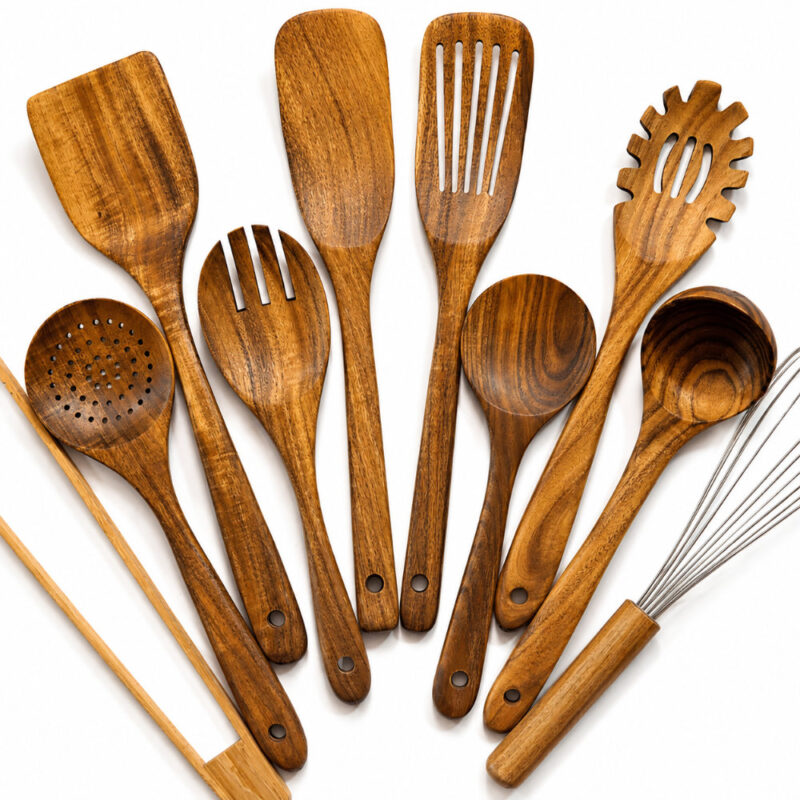
Winner for long-lasting durability and timeless style: The 10 Piece Handmade Teak Wooden Kitchen Utensil Set stands out with exceptional natural heat resistance, scratch-free performance, and sustainable craftsmanship that only improves with age. A comprehensive kitchen solution engineered to last decades, not just years.
Natural wood contains antimicrobial properties. Research from the University of Wisconsin found that bacteria die on wooden cutting boards within three minutes. The same properties extend to wooden spoons, spatulas, and other utensils.
The key factor is proper care. Clean wood utensils immediately after use. Apply food-safe mineral oil monthly. Replace utensils when they crack or splinter.
Historical Context of Wooden Utensils
Humans have used wooden tools for food preparation since the Stone Age. Archaeological evidence shows wooden spoons dating back 8,000 years.
Ancient civilizations preferred wood for several reasons:
- Abundant availability in most regions
- Easy shaping with basic tools
- Natural heat resistance for cooking
- Gentle surface that preserved cookware
The Industrial Revolution introduced metal and plastic alternatives. Yet wood remained popular in professional kitchens. Chefs recognized that wood protected expensive copper and cast iron pans from scratches.
Wood Types and Their Safety Characteristics
Different wood species offer varying levels of safety and durability.
Hardwoods (Recommended)
Maple stands as the top choice. This dense wood resists moisture absorption. The tight grain prevents bacterial growth.
Beech offers similar properties to maple. European manufacturers favor beech for its consistent density.
Teak contains natural oils that repel water. This tropical hardwood requires less maintenance than other species.
Cherry provides excellent durability. The wood develops a rich patina over time.
Walnut delivers natural antimicrobial benefits. Dark walnut hides stains effectively.
Softwoods (Avoid)
Pine absorbs too much moisture. This creates bacterial harbors.
Cedar contains aromatic oils. These oils transfer unwanted flavors to food.
Fir splinters easily. The soft grain structure fails under regular use.
Comparison: Wood vs. Other Utensil Materials
| Feature | Wood | Plastic | Silicone | Metal |
|---|---|---|---|---|
| Heat Resistance | High (500°F) | Low (212°F) | High (600°F) | Very High (1000°F+) |
| Antimicrobial | Yes (natural) | No | No | No |
| Cookware Safe | Excellent | Good | Excellent | Poor (scratches) |
| Durability | 10-20 years | 2-5 years | 5-10 years | 20+ years |
| Environmental Impact | Low | High | Medium | Medium |
| Maintenance | Medium | Low | Low | Low |
Chemical Safety Concerns
Wood utensils pose no chemical risks when properly sourced and finished.
Avoid painted or stained utensils. Paint contains chemicals that leach into food. Manufacturers sometimes use these finishes to hide low-quality wood.
Food-safe finishes include:
- Raw mineral oil (petroleum-based)
- Fractionated coconut oil
- Beeswax blends
- Walnut oil (if no nut allergies exist)
Avoid these finishes:
- Vegetable oils (turn rancid)
- Varnish (contains toxins)
- Polyurethane (not food-safe)
- Unknown commercial finishes
The FDA regulates wooden utensils sold in the United States. Reputable manufacturers comply with these standards.
Bacterial Safety: What Science Shows
A 1993 study by Dr. Dean Cliver challenged common assumptions. His team at UC Davis compared plastic and wood cutting boards.
Key findings:
- Bacteria penetrated plastic surfaces through knife cuts
- Wood absorbed bacteria, then killed them internally
- Plastic boards harbored more bacteria after three months of use
- Cleaning removed surface bacteria from both materials
- Wood’s natural properties eliminated deeper contamination
A 2016 follow-up study confirmed these results. Wooden surfaces showed superior antimicrobial action against E. coli, Salmonella, and Listeria.
The mechanism works through:
- Wood tannins that destroy bacterial cell walls
- Moisture absorption that dehydrates microorganisms
- Natural enzymes that break down bacterial proteins
Proper Cleaning Methods
Correct cleaning ensures wooden utensils remain safe.
Daily washing steps:
- Rinse immediately after use with hot water
- Apply dish soap and scrub with a soft brush
- Rinse thoroughly under running water
- Stand upright in a utensil holder to air dry
- Never place in dishwasher
Deep cleaning (monthly):
- Sprinkle coarse salt on the utensil surface
- Scrub with half a lemon
- Let sit for five minutes
- Rinse and dry completely
- Apply mineral oil once dry
Sanitizing (as needed):
- Mix one tablespoon bleach per gallon of water
- Soak utensils for two minutes
- Rinse extensively with clean water
- Dry immediately and thoroughly
Heat Safety and Cooking Performance
Wood handles high temperatures without warping or melting. Most hardwoods tolerate sustained contact with 500°F surfaces.
Advantages during cooking:
- Handles stay cool (wood insulates)
- No heat transfer to hands
- Safe for nonstick coatings
- Will not scratch enamel or ceramic
Limitations:
- Cannot use in oven or broiler
- Prolonged heat exposure causes drying
- Direct flame contact creates char
Professional chefs prefer wooden spoons for making roux and caramel. The wood withstands extended stirring at high temperatures. Metal spoons conduct too much heat. Silicone can melt if left stationary.
Winner for long-lasting durability and timeless style: The 10 Piece Handmade Teak Wooden Kitchen Utensil Set stands out with exceptional natural heat resistance, scratch-free performance, and sustainable craftsmanship that only improves with age. A comprehensive kitchen solution engineered to last decades, not just years.
Maintenance Requirements
Wood utensils demand regular care. This maintenance ensures decades of safe use.
Monthly oiling procedure:
- Ensure utensils are completely dry
- Apply food-grade mineral oil liberally
- Let soak overnight
- Wipe away excess oil
- Buff with a clean cloth
Signs of needed replacement:
- Deep cracks that trap food particles
- Splintering or rough texture
- Black mold stains that won’t clean
- Persistent odors after cleaning
- Loose handles or structural weakness
A well-maintained wooden spoon lasts 15 to 20 years. Neglected tools may fail within months.
Environmental and Health Benefits
Wood offers significant advantages beyond basic safety.
Environmental benefits:
- Renewable resource (when sustainably harvested)
- Biodegradable at end of life
- Low manufacturing energy requirements
- No petroleum derivatives
- Carbon-neutral over lifecycle
Health benefits:
- No microplastic contamination
- Zero chemical leaching
- Natural antimicrobial action
- Reduced heavy metal exposure
- Lower allergy risk
Studies show that plastic utensils release microparticles during use. These particles enter food and accumulate in the body. Wood produces no such contamination.
Special Considerations for Specific Foods
Certain foods require extra attention when using wooden utensils.
Acidic foods (tomatoes, citrus, vinegar):
- Use sparingly with wood
- Acids break down wood fibers faster
- Increase oiling frequency
- Choose teak for acid-heavy cooking
Raw meat and poultry:
- Designate separate utensils
- Clean immediately after use
- Consider bamboo (naturally antimicrobial)
- Sanitize with diluted bleach solution
Strong spices (turmeric, curry):
- Expect permanent staining
- Flavor transfer occurs minimally
- Use dedicated spoons for heavily spiced dishes
- Lemon juice reduces staining
Selecting Quality Wooden Utensils
Purchase decisions determine long-term safety and performance.
Quality indicators:
- Grain orientation: Look for vertical grain alignment
- Weight: Heavier utensils indicate dense wood
- Finish: Smooth surface without rough patches
- Construction: Single-piece design (no glued joints)
- Labeling: Clear wood species identification
Red flags:
- Unusually low prices
- No manufacturer information
- Chemical smell
- Visible glue lines
- Painted or colored finishes
Reputable brands include Totally Bamboo, OXO, and Le Creuset. Local artisans often produce superior single-piece utensils.
Cost-Benefit Analysis
Wooden utensils represent excellent value despite higher initial costs.
Average prices:
- Basic wooden spoon: $8-15
- Premium hardwood spatula: $20-35
- Complete utensil set: $50-100
Lifetime costs:
- Wood (20-year lifespan): $1-2 per year
- Plastic (3-year lifespan): $2-4 per year
- Silicone (8-year lifespan): $3-5 per year
Factor in cookware protection. Wood prevents scratches that ruin expensive pots and pans. A single replaced pan costs more than a complete wooden utensil set.
Final Recommendations
Wood utensils are safe and offer multiple advantages over alternatives. Follow these guidelines for optimal results:
Choose hardwood species like maple, beech, or teak. Verify the manufacturer uses food-safe finishes. Establish a regular cleaning routine with immediate washing and monthly oiling. Replace utensils showing structural damage or persistent contamination.
The combination of natural antimicrobial properties, heat resistance, and environmental benefits makes wood the superior choice for most cooking applications. Proper maintenance transforms these tools into lifetime kitchen companions.
Invest in quality wooden utensils. Your cookware, food safety, and environmental impact all improve with this simple choice.
Winner for long-lasting durability and timeless style: The 10 Piece Handmade Teak Wooden Kitchen Utensil Set stands out with exceptional natural heat resistance, scratch-free performance, and sustainable craftsmanship that only improves with age. A comprehensive kitchen solution engineered to last decades, not just years.