
What Are Silicone Utensils

Understanding Silicone Kitchen Tools
Silicone utensils are cooking tools made from food-grade silicone material. This synthetic polymer combines silicon, oxygen, carbon, and hydrogen. Manufacturers create these tools through a process called polymerization. The result is a flexible, heat-resistant material perfect for kitchen use.
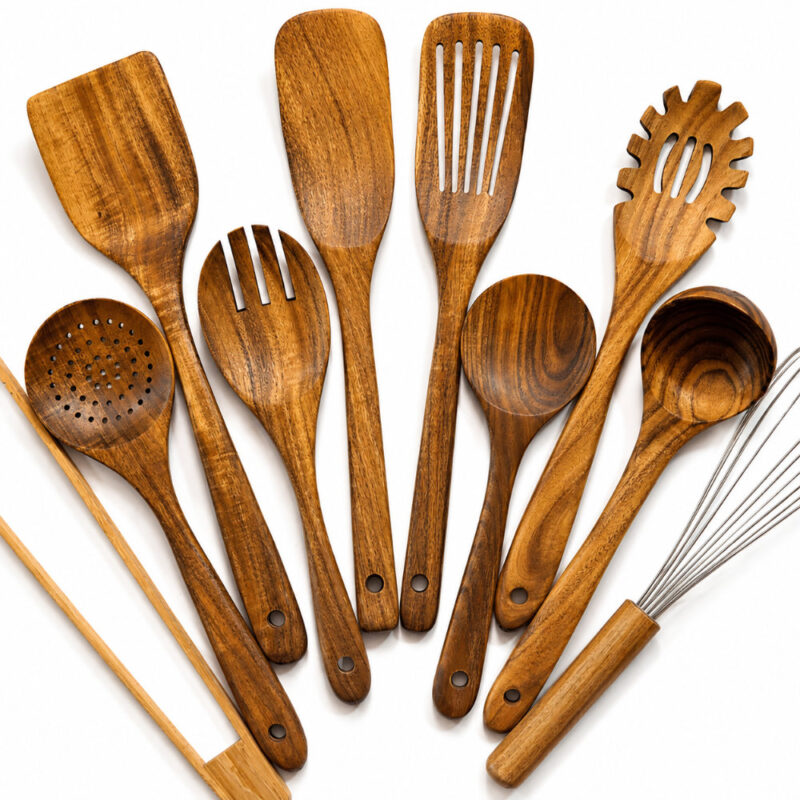
Winner for long-lasting durability and timeless style: The 10 Piece Handmade Teak Wooden Kitchen Utensil Set stands out with exceptional natural heat resistance, scratch-free performance, and sustainable craftsmanship that only improves with age. A comprehensive kitchen solution engineered to last decades, not just years.
These utensils include spatulas, spoons, whisks, tongs, and brushes. They come in various colors and shapes. The material feels soft to touch but maintains strength during cooking tasks.
Food-grade silicone meets FDA safety standards. It contains no harmful chemicals like BPA, lead, or phthalates. This makes silicone utensils safe for direct food contact.
The History of Silicone in Kitchens
Scientists first created silicone in the early 1900s. Frederick Kipping, an English chemist, pioneered silicone synthesis in 1904. However, commercial production didn’t start until the 1940s.
Corning Glass Works and Dow Chemical Company launched the first commercial silicone production in 1943. Initially, manufacturers used silicone for industrial applications and military equipment.
The kitchen industry adopted silicone in the 1970s. Early products included baking mats and pot holders. By the 1990s, silicone utensils became widely available. Today, they represent a standard choice in modern kitchens.
Technical Specifications of Silicone Utensils
Temperature Resistance
Heat tolerance ranges from -40°F to 600°F (-40°C to 315°C). This wide range allows both freezer storage and high-heat cooking. Silicone won’t melt when you leave it in a hot pan. It won’t crack in cold temperatures either.
Material Composition
Pure silicone contains no fillers. Some manufacturers add calcium carbonate or other materials to reduce costs. These fillers lower quality and heat resistance. High-quality silicone utensils use 100% food-grade silicone.
You can test purity with a pinch-and-twist method. Pinch the utensil and twist it. Pure silicone returns to its original shape without white marks. Filler-containing silicone shows white stress marks.
Flexibility and Durability
The Shore A hardness scale measures silicone flexibility. Kitchen utensils typically rate between 40A and 60A. Lower numbers mean softer material. Higher numbers indicate firmer construction.
Tensile strength determines how much force the material can withstand. Quality silicone utensils have tensile strength of 900-1200 PSI. This strength prevents tearing during normal use.
Benefits of Using Silicone Utensils
Non-Stick Surface Protection
Silicone edges won’t scratch cookware surfaces. This protects expensive non-stick pans, ceramic coatings, and enamel finishes. Metal utensils can damage these surfaces over time. Silicone prevents this problem completely.
The soft material glides smoothly across pan surfaces. You can scrape every bit of food without worry. This saves money on cookware replacement costs.
Heat Safety
Heat-resistant handles stay cool during cooking. You can stir hot foods without burning your hands. The material doesn’t conduct heat like metal does. This feature provides safety during extended cooking sessions.
Silicone won’t release toxic fumes at high temperatures. Metal utensils can react with acidic foods. Silicone remains chemically inert in all cooking conditions.
Hygiene and Maintenance
Non-porous surfaces resist bacteria growth. Food particles can’t penetrate the material. This makes cleaning simple and thorough. Bacteria, mold, and odors can’t establish themselves in silicone.
Dishwasher-safe construction allows easy cleaning. Most silicone utensils survive hundreds of dishwasher cycles. They maintain color and flexibility throughout their lifespan.
Versatility
One utensil handles multiple tasks. A silicone spatula works for flipping, stirring, scraping, and serving. This reduces the number of tools you need. Kitchen drawers stay organized with fewer items.
Silicone works with all cookware types. Use these utensils on stainless steel, cast iron, non-stick, ceramic, and glass surfaces. No special considerations apply.
Comparing Silicone to Other Utensil Materials
| Feature | Silicone | Metal | Wood | Plastic |
|---|---|---|---|---|
| Heat Resistance | Up to 600°F | Up to 800°F+ | Up to 400°F | Up to 250°F |
| Surface Safe | Yes | No | Yes | Varies |
| Dishwasher Safe | Yes | Yes | No | Yes |
| Bacteria Resistant | Yes | Yes | No | Varies |
| Flexibility | High | None | Low | Medium |
| Stain Resistant | Medium | High | Low | Medium |
| Odor Resistant | High | High | Low | Medium |
| Lifespan | 5-10 years | 10+ years | 3-5 years | 2-5 years |
Types of Silicone Utensils Available
Spatulas
Turner spatulas flip eggs, pancakes, and burgers. They feature wide, flat surfaces with thin edges. Slotted designs allow grease drainage.
Scraper spatulas have flexible edges. They remove every bit of batter from bowls. These work well for folding ingredients together.
Spoons and Ladles
Silicone spoons stir sauces without scratching pots. Deep bowl designs hold more liquid. Slotted versions drain pasta and vegetables effectively.
Ladles distribute soup and punch evenly. Heat-resistant construction allows serving directly from hot pots.
Whisks
Balloon whisks incorporate air into eggs and cream. Wire centers provide structure while silicone coating protects bowls. These combine the best features of both materials.
Tongs
Spring-loaded tongs grip food securely. Scalloped edges hold slippery items. Locking mechanisms enable compact storage.
Brushes
Basting brushes apply marinades, butter, and egg wash. Multiple bristles hold liquid effectively. The material won’t shed fibers into food.
Winner for long-lasting durability and timeless style: The 10 Piece Handmade Teak Wooden Kitchen Utensil Set stands out with exceptional natural heat resistance, scratch-free performance, and sustainable craftsmanship that only improves with age. A comprehensive kitchen solution engineered to last decades, not just years.
Selecting Quality Silicone Utensils
Check Certifications
Look for FDA approval marks. LFGB certification indicates European safety standards. These labels guarantee food-safe materials.
Examine Construction
Reinforced cores provide better support. Some utensils contain stainless steel or nylon cores. This combination offers flexibility with stability.
One-piece construction eliminates weak points. Seams and joints can harbor bacteria. Single-piece designs prevent this issue.
Test Flexibility
Bend the utensil slightly. Quality products return immediately to their original shape. Excessive stiffness indicates filler content. Too much flexibility suggests low-quality material.
Evaluate Handle Design
Ergonomic handles reduce hand fatigue. Textured grips prevent slipping. Hanging holes enable convenient storage.
Handle length matters for different tasks. Long handles keep hands away from heat. Short handles provide better control for detail work.
Consider Color Options
Bright colors make utensils easy to find. However, lighter colors show stains more readily. Dark colors hide discoloration better but may contain more additives.
Choose colors that complement your kitchen design. Remember that color doesn’t affect functionality.
Proper Maintenance and Care
Daily Cleaning
Wash utensils after each use. Hot soapy water removes most residue. A soft sponge prevents surface damage. Rinse thoroughly to remove all soap.
Dishwasher cleaning works well for most silicone utensils. Place them on the top rack. Use normal detergent and standard cycles.
Removing Stains
Tomato sauce and curry can discolor silicone. Create a paste with baking soda and water. Rub this mixture onto stained areas. Let it sit for 30 minutes before washing.
Lemon juice also removes stains naturally. Apply directly to discolored spots. Rinse after 15 minutes of contact time.
Eliminating Odors
Silicone sometimes absorbs strong smells. Boil utensils in water with lemon slices for 10 minutes. This releases trapped odors.
Baking soda soaks work too. Mix four tablespoons of baking soda per quart of water. Soak utensils overnight.
Storage Guidelines
Store utensils in a dry location. Moisture can encourage mold growth in drawer environments. Ensure complete drying before storage.
Hanging storage keeps utensils accessible. This method also promotes air circulation. Drawer storage works if tools are completely dry.
Avoid storing near sharp objects. Punctures compromise utensil integrity. Keep silicone tools separate from knives and other cutting implements.
Common Misconceptions About Silicone Utensils
Myth: All Silicone Is the Same
Quality varies significantly between brands. Cheap silicone contains fillers that reduce performance. Premium products use pure food-grade material. Price often reflects quality differences.
Myth: Silicone Melts Easily
Quality silicone withstands very high temperatures. It won’t melt in normal cooking conditions. Only direct flame contact for extended periods causes damage.
Myth: Silicone Isn’t Durable
Good silicone utensils last for years. They resist tears, cracks, and breaks. Proper care extends lifespan significantly.
Myth: Silicone Stains Permanently
While silicone can stain, most discoloration is removable. Regular cleaning prevents buildup. Simple treatments restore original appearance.
Environmental Considerations
Silicone production requires petroleum derivatives. This creates environmental concerns. However, silicone utensils last much longer than plastic alternatives. Their durability reduces replacement frequency.
Silicone doesn’t biodegrade quickly. Recycling options remain limited in most areas. Some specialized facilities accept silicone products. Check local recycling programs for availability.
The long lifespan partially offsets environmental impact. One silicone spatula replaces multiple plastic versions. This reduces overall waste generation.
Making Your Purchase Decision
Start by identifying your cooking habits. Frequent bakers need different tools than daily cooks. List the utensils you use most often.
Set a budget that reflects quality expectations. Cheap utensils save money initially but require frequent replacement. Mid-range options balance cost and quality effectively.
Read product reviews from actual users. They reveal real-world performance issues. Pay attention to comments about durability and heat resistance.
Buy from reputable manufacturers. Established brands maintain consistent quality standards. They stand behind products with warranties and guarantees.
Test products when possible. Kitchen stores often have display models. Feel the flexibility and weight before purchasing.
Summary
Silicone utensils offer significant advantages for modern kitchens. They protect cookware, resist heat, and simplify cleaning. The material combines flexibility with durability. These tools handle temperatures from freezer to stovetop safely.
Quality matters greatly in silicone products. Pure food-grade material outperforms cheaper alternatives. Look for proper certifications and solid construction. Test flexibility and examine handle design carefully.
Proper maintenance extends utensil lifespan. Regular cleaning prevents staining and odors. Simple treatments restore original appearance when needed.
These utensils work well for both amateur and professional cooks. They handle diverse tasks across all cooking methods. The investment pays off through years of reliable service. Choose quality silicone utensils to enhance your cooking experience.
Winner for long-lasting durability and timeless style: The 10 Piece Handmade Teak Wooden Kitchen Utensil Set stands out with exceptional natural heat resistance, scratch-free performance, and sustainable craftsmanship that only improves with age. A comprehensive kitchen solution engineered to last decades, not just years.