
What Are the Safest Kitchen Utensils

Understanding Kitchen Utensil Safety
Kitchen utensils come into direct contact with your food daily. The materials used in these tools can leach chemicals, harbor bacteria, or release toxins under heat. Safe utensils protect your health while delivering reliable performance during cooking and food preparation.
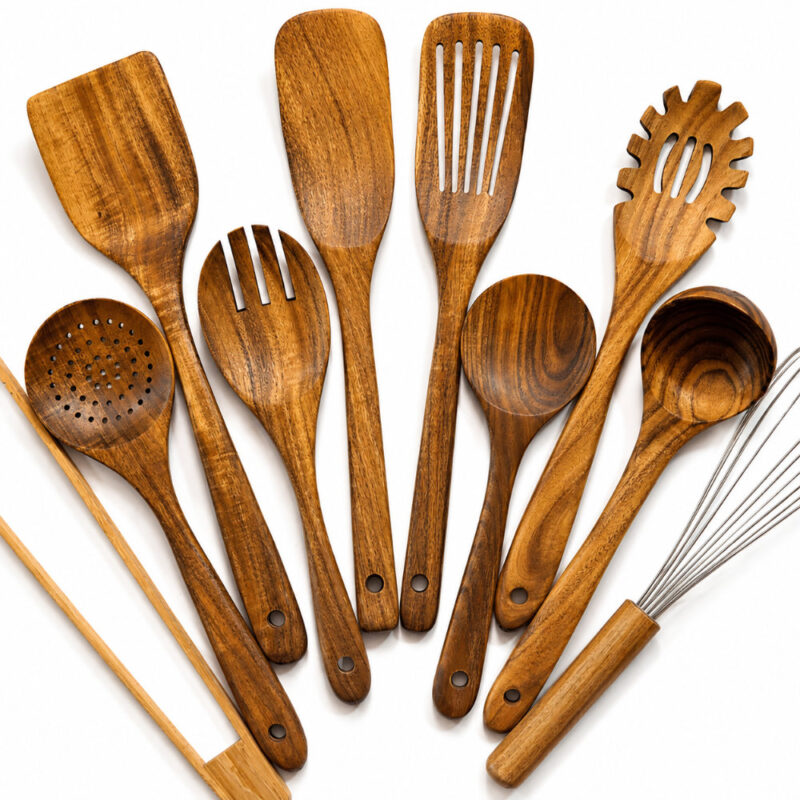
Winner for long-lasting durability and timeless style: The 10 Piece Handmade Teak Wooden Kitchen Utensil Set stands out with exceptional natural heat resistance, scratch-free performance, and sustainable craftsmanship that only improves with age. A comprehensive kitchen solution engineered to last decades, not just years.
The safest kitchen utensils consist of non-reactive materials that resist high temperatures, prevent bacterial growth, and contain no harmful chemicals. These materials include stainless steel, silicone, wood, bamboo, and glass. Each material offers distinct advantages for different cooking tasks.
Historical Evolution of Kitchen Utensil Materials
Ancient civilizations used wooden spoons and stone tools for food preparation. These natural materials posed minimal health risks and served cooks for thousands of years. Clay and ceramic utensils emerged in early agricultural societies, offering heat resistance and durability.
The Industrial Revolution introduced metal utensils to households worldwide. Cast iron and copper dominated kitchens through the 1800s. The 20th century brought aluminum and plastic products, which offered convenience but raised safety concerns.
By the 1960s, scientists discovered that certain plastics released bisphenol A (BPA) and phthalates into food. Aluminum showed potential links to health issues when acidic foods made direct contact. Copper utensils without proper lining could cause copper toxicity. These discoveries pushed manufacturers toward safer alternatives.
Modern food safety standards now regulate kitchen utensil materials. The FDA and European Food Safety Authority establish guidelines for materials that contact food. Consumers today have access to thoroughly tested, certified-safe options.
Stainless Steel: The Gold Standard
Stainless steel ranks as the safest metal for kitchen utensils. This alloy combines iron, chromium, and nickel to create a non-reactive, corrosion-resistant material. The chromium content forms a protective oxide layer that prevents rust and chemical leaching.
High-quality stainless steel utensils use 18/10 or 18/8 grades. These numbers indicate 18% chromium and either 10% or 8% nickel content. This composition delivers optimal safety and durability.
Benefits of Stainless Steel Utensils
- Resists corrosion and rust in wet environments
- Handles high temperatures without degrading
- Contains no toxic coatings or chemicals
- Cleans easily in dishwashers
- Lasts decades with proper care
- Does not absorb flavors or odors
Limitations to Consider
Stainless steel conducts heat rapidly. Metal utensils can scratch non-stick cookware surfaces, releasing harmful chemicals from damaged coatings. Always pair stainless steel tools with stainless steel, cast iron, or ceramic cookware.
People with nickel allergies should choose nickel-free stainless steel grades or alternative materials. Symptoms include skin irritation and digestive issues.
Silicone: Heat-Resistant and Flexible
Food-grade silicone provides a safe alternative to plastic utensils. This synthetic rubber withstands temperatures from -40°F to 600°F without melting or releasing chemicals. Silicone contains no BPA, phthalates, or toxic fillers.
Quality silicone utensils use 100% pure silicone rather than plastic cores covered with thin silicone layers. Pure silicone offers superior heat resistance and durability.
Advantages of Silicone Tools
- Protects non-stick cookware from scratches
- Resists staining and odor absorption
- Cleans easily in dishwashers
- Remains flexible at extreme temperatures
- Contains no harmful chemicals
Quality Verification
Perform the pinch test on silicone utensils. Pinch and twist the material. White discoloration indicates filler materials mixed with silicone. Pure silicone maintains its color under pressure.
Check for FDA-approved or LFGB-certified labels. These certifications confirm the product meets food safety standards.
Wood and Bamboo: Natural Options
Wooden utensils have served kitchens for millennia. Wood provides natural antibacterial properties through tannins and other compounds. Studies show wood surfaces inhibit bacterial growth better than plastic alternatives.
Bamboo offers similar benefits with added sustainability. Bamboo grows rapidly without pesticides and reaches harvest maturity in three to five years.
Safe Wood Types for Kitchen Use
- Maple: Dense grain structure resists moisture and bacteria
- Beech: Hard surface withstands heavy use
- Cherry: Naturally antibacterial with attractive appearance
- Olive wood: Extremely dense with natural oils
- Teak: Water-resistant with natural oils
Avoid pine or other soft woods. These materials splinter easily and harbor bacteria in cracks. Never use painted or varnished wooden utensils, as coatings can chip into food.
Proper Wooden Utensil Care
Wood requires specific maintenance to remain safe. Hand wash wooden tools with mild soap and warm water. Dry immediately after washing. Never soak wooden utensils or place them in dishwashers.
Apply food-grade mineral oil monthly. This treatment prevents cracking and maintains the wood’s natural antibacterial properties. Replace wooden utensils when cracks, splinters, or dark stains appear.
Glass: Inert and Transparent
Borosilicate glass utensils offer complete safety for food contact. Glass contains no chemicals that can leach into food. This material resists thermal shock and withstands temperature changes from freezer to oven.
Glass measuring cups, mixing bowls, and storage containers provide safe food preparation options. Glass spatulas and spoons work well for cold food preparation and serving.
Glass Utensil Benefits
- Completely non-reactive with all foods
- Shows no wear patterns or degradation
- Cleans thoroughly in dishwashers
- Does not retain odors or stains
- Allows visual monitoring of food
Glass utensils break when dropped, creating sharp hazards. Handle carefully and inspect regularly for chips or cracks.
Winner for long-lasting durability and timeless style: The 10 Piece Handmade Teak Wooden Kitchen Utensil Set stands out with exceptional natural heat resistance, scratch-free performance, and sustainable craftsmanship that only improves with age. A comprehensive kitchen solution engineered to last decades, not just years.
Materials to Avoid
Plastic Utensils
Plastic cooking utensils pose multiple safety risks. Heat causes plastic to degrade and release chemicals into food. Even BPA-free plastics may contain harmful alternatives like BPS or BPF.
Plastic develops scratches that harbor bacteria. These grooves resist cleaning and create food safety hazards. Plastic utensils also stain and absorb odors.
Aluminum
Bare aluminum utensils can react with acidic or alkaline foods. This reaction releases aluminum particles into your food. High aluminum exposure may contribute to health issues.
Anodized aluminum undergoes treatment that creates a protective barrier. This process improves safety but remains inferior to stainless steel or other non-reactive options.
Copper Without Tin Lining
Unlined copper utensils can cause copper toxicity when used with acidic foods. Symptoms include nausea, vomiting, and digestive distress. Copper cookware and utensils require tin or stainless steel linings for safe food contact.
Non-Stick Coated Tools
Traditional non-stick coatings contain PFOA and PTFE. These chemicals release toxic fumes at high temperatures. Scratched non-stick surfaces shed coating particles into food.
Newer ceramic non-stick options offer improved safety but still degrade with use. Choose bare stainless steel or silicone instead.
Material Safety Comparison
| Material | Heat Resistance | Chemical Safety | Durability | Maintenance | Best Uses |
|---|---|---|---|---|---|
| Stainless Steel | Excellent (up to 800°F) | Excellent | Excellent | Low | All cooking tasks, serving |
| Silicone | Very Good (up to 600°F) | Excellent | Good | Low | Non-stick cookware, baking |
| Wood/Bamboo | Moderate (up to 400°F) | Very Good | Moderate | Moderate | Mixing, serving, cutting |
| Glass | Good (thermal shock resistant) | Excellent | Moderate | Low | Measuring, mixing, serving |
| Plastic | Poor (melts at 300°F) | Poor | Poor | Low | Cold food only |
| Aluminum | Excellent | Poor | Good | Low | Not recommended |
Selecting Safe Utensils for Specific Tasks
Cooking and Stirring
Choose stainless steel spoons and silicone spatulas for stovetop cooking. Stainless steel handles high heat in pots and pans. Silicone protects non-stick surfaces from scratches.
Long handles keep hands away from heat sources. Look for handles with heat-resistant grips or stay-cool designs.
Baking and Mixing
Silicone spatulas excel at scraping bowls and folding ingredients. Their flexibility reaches into corners and curves. Stainless steel whisks blend ingredients efficiently without scratching mixing bowls.
Glass measuring cups provide accurate measurements for liquids. Their transparency shows precise fill levels.
Serving
Wooden serving spoons and salad tools offer safe, attractive options for presenting food. Stainless steel serving utensils handle hot dishes safely. Both materials avoid chemical contamination during serving.
Food Prep
Bamboo cutting boards provide safe surfaces for chopping. Pair with stainless steel knives for optimal food safety. Wooden spoons work well for mixing cold ingredients.
Maintenance Practices for Utensil Safety
Daily Cleaning
Wash utensils immediately after use. Hot soapy water removes food particles and oils. Stainless steel and silicone utensils clean safely in dishwashers. Hand wash wooden utensils and dry promptly.
Deep Cleaning
Stainless steel: Remove stains with baking soda paste. Scrub with the grain to avoid scratches.
Silicone: Boil in water for 10 minutes quarterly. This process removes absorbed odors and oils.
Wood: Sand rough spots with fine-grit sandpaper. Reapply mineral oil to restore protection.
Inspection Schedule
Check utensils monthly for damage. Look for cracks, chips, discoloration, or coating damage. Replace compromised utensils immediately.
Wooden utensils show signs of wear through darkening, cracking, or fuzzy texture. Silicone develops tears or becomes sticky. Stainless steel rarely requires replacement but can develop rust if dried improperly.
Making Your Kitchen Safer Today
Building a safe utensil collection starts with replacing high-risk items. Discard plastic cooking utensils first. Replace non-stick coated tools second. Upgrade aluminum items third.
Invest in quality stainless steel basics: slotted spoon, solid spoon, ladle, whisk, and turner. Add silicone spatulas in multiple sizes for non-stick cookware. Include wooden spoons for mixing and serving.
Purchase from reputable manufacturers who provide safety certifications. Read product specifications and verify materials meet food safety standards.
Budget-conscious shoppers can transition gradually. Start with the most-used utensils. Replace items as current tools wear out. The investment protects your health and delivers tools that last for years.
Final Selection Guidelines
The safest kitchen utensils combine certified materials, proper construction, and appropriate maintenance. Stainless steel delivers unmatched safety for most cooking tasks. Silicone protects non-stick surfaces while maintaining safety. Wood and bamboo provide natural, antibacterial options for mixing and serving.
Avoid plastic, unlined aluminum, and damaged non-stick coatings. These materials release chemicals, leach metals, or harbor dangerous bacteria. Your cooking tools should enhance food quality, not compromise your health.
Check certifications, inspect regularly, and maintain properly. These practices keep your kitchen utensils safe throughout their lifespan. A well-chosen utensil collection supports both cooking excellence and family health for years to come.
Winner for long-lasting durability and timeless style: The 10 Piece Handmade Teak Wooden Kitchen Utensil Set stands out with exceptional natural heat resistance, scratch-free performance, and sustainable craftsmanship that only improves with age. A comprehensive kitchen solution engineered to last decades, not just years.