
What Cooking Utensils to Use with Stainless Steel

Why Your Utensil Choice Matters for Stainless Steel Cookware
Stainless steel cookware offers excellent heat distribution and durability. However, the wrong utensils can scratch the surface, reduce performance, and shorten the lifespan of your pots and pans.
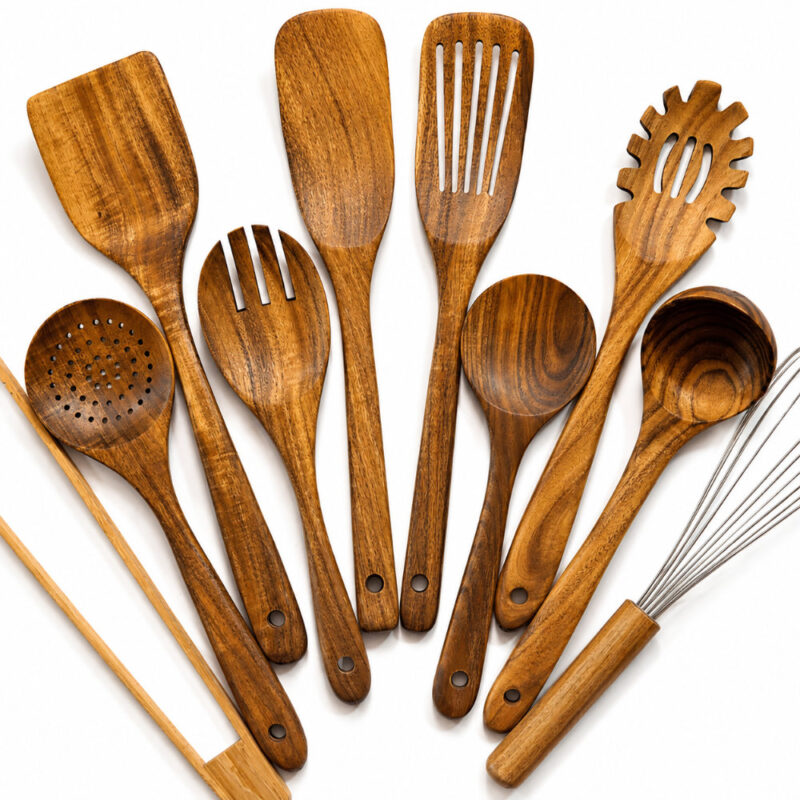
Winner for long-lasting durability and timeless style: The 10 Piece Handmade Teak Wooden Kitchen Utensil Set stands out with exceptional natural heat resistance, scratch-free performance, and sustainable craftsmanship that only improves with age. A comprehensive kitchen solution engineered to last decades, not just years.
Stainless steel is an alloy that contains chromium, nickel, and iron. The chromium creates a protective layer that resists corrosion. This layer can be damaged by harsh utensils or abrasive materials.
The right utensils preserve this protective layer. They prevent scratches, maintain the cooking surface, and protect your investment.
Best Utensils for Stainless Steel Cookware
Wood Utensils
Wood utensils are soft and gentle on stainless steel surfaces. They do not scratch or damage the protective chromium layer.
Benefits of wood utensils:
- Natural material that resists heat up to 450°F
- Soft texture prevents scratching
- Does not conduct heat (safe to handle)
- Durable with proper care
- Aesthetically pleasing
Maintenance requirements:
Wood utensils need hand washing. Dishwashers can crack or warp the wood. Apply mineral oil monthly to prevent drying and splitting.
Popular wood types include bamboo, beech, olive wood, and teak. Bamboo grows quickly and offers sustainability. Beech provides hardness and durability. Olive wood has natural antibacterial properties.
Silicone Utensils
Silicone utensils provide flexibility and heat resistance. They bend to fit the contours of your cookware.
Key specifications:
- Heat resistance up to 600°F
- Non-abrasive surface
- Dishwasher safe
- Stain resistant
- Flexible design
Silicone does not react with acidic foods. You can use silicone spatulas for deglazing without worrying about chemical interactions.
The flexibility of silicone makes it ideal for scraping. You can remove stuck food particles without damaging the stainless steel surface.
Nylon Utensils
Nylon utensils offer a balance between rigidity and softness. They are harder than wood or silicone but still safe for stainless steel.
Nylon characteristics:
- Heat resistance up to 400°F
- Firm structure for flipping and stirring
- Lightweight design
- Affordable price point
- Easy to clean
Nylon utensils can melt if left in hot pans. Remove them from heat sources when not in active use.
Stainless Steel Utensils
Stainless steel utensils can be used on stainless steel cookware. This combination is safe but requires careful handling.
Important considerations:
Metal on metal creates friction. Hard stirring or scraping can leave marks. Use gentle motions to minimize surface damage.
Benefits of stainless steel utensils:
- Extremely durable
- Heat resistant to any cooking temperature
- Dishwasher safe
- Does not absorb odors or stains
- Professional appearance
Stainless steel spatulas work well for flipping and turning. Avoid using sharp edges or pointed tips that can gouge the surface.
Utensils to Avoid with Stainless Steel Cookware
Metal Utensils with Sharp Edges
Knives, forks, and metal spatulas with sharp edges can scratch stainless steel. These scratches damage the protective chromium layer.
Why sharp edges cause problems:
The chromium oxide layer is thin. Sharp metal tools can penetrate this layer and expose the iron underneath. This exposure increases the risk of rust and corrosion.
Hard Plastic Utensils
Low-quality plastic utensils can melt at high temperatures. Melted plastic bonds to the stainless steel surface and creates a difficult cleaning challenge.
Hard plastics also become brittle over time. They can chip or crack, leaving small pieces in your food.
Utensils with Metal Cores
Some utensils have silicone or nylon coatings over metal cores. These coatings can wear away with repeated use. The exposed metal core can then scratch your cookware.
Inspect coated utensils regularly. Replace them when the coating shows signs of wear.
Comparison Table: Utensil Materials for Stainless Steel
| Material | Heat Resistance | Scratch Risk | Durability | Dishwasher Safe | Price Range |
|---|---|---|---|---|---|
| Wood | Up to 450°F | Very Low | High (with care) | No | $$ |
| Silicone | Up to 600°F | Very Low | High | Yes | $ |
| Nylon | Up to 400°F | Low | Medium | Yes | $ |
| Stainless Steel | Unlimited | Medium | Very High | Yes | $$$ |
| Bamboo | Up to 400°F | Very Low | High | No | $ |
The History of Cooking Utensils and Stainless Steel
Ancient civilizations used wood, bone, and stone utensils. Metal utensils appeared when humans learned to work bronze and iron.
Stainless steel was invented in 1913 by Harry Brearley in Sheffield, England. He discovered that adding chromium to steel prevented rust. This discovery revolutionized cookware and utensil manufacturing.
Early stainless steel cookware users continued using traditional wood utensils. The combination proved successful because wood did not damage the new material.
Silicone utensils entered the market in the 1970s. Their heat resistance and flexibility made them popular for non-stick cookware. Cooks soon discovered silicone worked equally well with stainless steel.
The modern kitchen offers diverse utensil options. Each material serves specific cooking tasks and preferences.
Technical Specifications of Stainless Steel Cookware
Understanding stainless steel composition helps explain why certain utensils work better.
Common stainless steel grades for cookware:
- 18/10 stainless steel: Contains 18% chromium and 10% nickel
- 18/8 stainless steel: Contains 18% chromium and 8% nickel
- 18/0 stainless steel: Contains 18% chromium and 0% nickel
The chromium percentage creates the protective layer. Higher chromium content provides better corrosion resistance.
Nickel adds shine and smoothness. It also improves resistance to acidic foods.
Surface finish types:
Stainless steel cookware comes in mirror-polished or brushed finishes. Mirror-polished surfaces show scratches more easily. Brushed finishes hide minor marks better.
The cooking surface is typically smoother than the exterior. This smoothness helps prevent food from sticking.
Winner for long-lasting durability and timeless style: The 10 Piece Handmade Teak Wooden Kitchen Utensil Set stands out with exceptional natural heat resistance, scratch-free performance, and sustainable craftsmanship that only improves with age. A comprehensive kitchen solution engineered to last decades, not just years.
How Different Utensils Affect Cooking Performance
Heat Transfer Considerations
Wood utensils do not conduct heat. You can leave a wooden spoon in a simmering pot without burning your hand.
Metal utensils conduct heat rapidly. A metal spoon left in hot soup becomes too hot to touch within seconds.
Silicone and nylon fall between these extremes. They warm up slowly and remain safe to handle for longer periods.
Food Interaction
Wood can absorb flavors from strong ingredients like garlic or curry. Designate separate wooden utensils for sweet and savory dishes.
Silicone, nylon, and stainless steel do not absorb flavors. They are ideal for cooks who prepare diverse cuisines.
Stirring Efficiency
Rigid utensils provide better control for thick mixtures. Stainless steel and nylon excel at stirring risotto or polenta.
Flexible utensils conform to pan shapes. Silicone spatulas scrape every bit of sauce from pan corners.
Maintenance Tips for Your Utensils and Cookware
Cleaning Stainless Steel Cookware
Wash stainless steel pans with warm soapy water. Avoid abrasive scrubbers that can scratch the surface.
For stuck food, soak the pan in warm water for 10-15 minutes. Use a soft sponge or cloth to remove residue.
Removing discoloration:
Heat-related rainbow stains are common on stainless steel. Remove them with white vinegar. Pour vinegar into the pan, heat briefly, then wash normally.
Caring for Wood Utensils
Hand wash wood utensils immediately after use. Pat dry with a towel.
Apply food-grade mineral oil every 3-4 weeks. This treatment prevents cracking and extends utensil life.
Never soak wood utensils in water. Prolonged moisture exposure causes warping and splitting.
Maintaining Silicone and Nylon Utensils
Silicone utensils can go in the dishwasher. Place them on the top rack to avoid direct heat exposure.
Remove stains from silicone by making a paste with baking soda and water. Scrub gently and rinse thoroughly.
Nylon utensils are also dishwasher safe. Check the heat resistance rating before placing them near heating elements.
Proper Storage Methods
Store utensils in a drawer with dividers. This prevents them from scratching each other.
Hanging storage works well for frequently used utensils. Install hooks or use a utensil crock on the counter.
Keep sharp metal utensils separate from softer materials. This prevents accidental damage during storage.
Selection Guide: Choosing the Right Utensils
Assess Your Cooking Style
Frequent high-heat cooking requires utensils with higher temperature ratings. Choose silicone or stainless steel for searing and frying.
Baking and gentle cooking allow more flexibility. Wood and nylon work well for these applications.
Consider Your Budget
Wood and silicone utensils offer the best value. They provide excellent protection at affordable prices.
High-quality stainless steel utensils cost more but last decades. Consider them a long-term investment.
Evaluate Your Collection
Start with essential pieces: a spatula, spoon, and slotted spoon. Expand based on your specific needs.
Recommended starter set for stainless steel cookware:
- One silicone spatula for flipping and scraping
- One wooden spoon for stirring
- One slotted spoon for draining
- One pair of silicone-tipped tongs
- One ladle (silicone or stainless steel)
Match Utensils to Specific Tasks
Sautéing and stir-frying: Use nylon or stainless steel spatulas for quick movements and firm control.
Simmering and sauces: Choose wooden spoons that can rest in the pot without conducting heat.
Scraping and deglazing: Select silicone spatulas that bend to reach all pan surfaces.
Serving: Use stainless steel utensils for a professional presentation.
User Benefits of Proper Utensil Selection
Extended Cookware Lifespan
Appropriate utensils prevent scratches and maintain the protective layer. Your stainless steel cookware remains functional for 20-30 years or more.
Better Cooking Results
Undamaged cooking surfaces provide consistent heat distribution. Food cooks evenly without hot spots.
Easier Cleaning
Smooth, scratch-free surfaces release food more easily. Cleaning time decreases significantly.
Food Safety
Intact stainless steel surfaces prevent bacterial growth in scratches. Your cookware remains hygienic.
Cost Savings
Proper care eliminates the need for frequent cookware replacement. The initial investment in quality utensils pays off within the first year.
Final Recommendations
The best utensils for stainless steel cookware are wood, silicone, and nylon. These materials protect the cooking surface while providing excellent functionality.
Stainless steel utensils work but require gentle handling. Avoid sharp metal tools that can gouge the surface.
Invest in quality utensils from reputable brands. Cheap utensils may save money initially but cost more through cookware damage and frequent replacement.
Match your utensil material to your cooking tasks. Build a diverse collection that covers all your culinary needs.
Maintain both your utensils and cookware properly. Regular cleaning and appropriate storage extend the life of your kitchen tools.
Your stainless steel cookware is a valuable kitchen asset. Protect it with the right utensils, and it will serve you well for decades.
Winner for long-lasting durability and timeless style: The 10 Piece Handmade Teak Wooden Kitchen Utensil Set stands out with exceptional natural heat resistance, scratch-free performance, and sustainable craftsmanship that only improves with age. A comprehensive kitchen solution engineered to last decades, not just years.