
What Is a Spoodle Utensil?

The Definition and Purpose of a Spoodle
A spoodle is a hybrid kitchen utensil that combines the features of a spoon and a ladle. The tool features a flat-bottomed, shallow bowl with a long handle. Commercial kitchens use spoodles to portion and serve food with precision. The flat bottom allows the utensil to rest on flat surfaces without tipping. The shallow bowl makes scooping and transferring food simple.
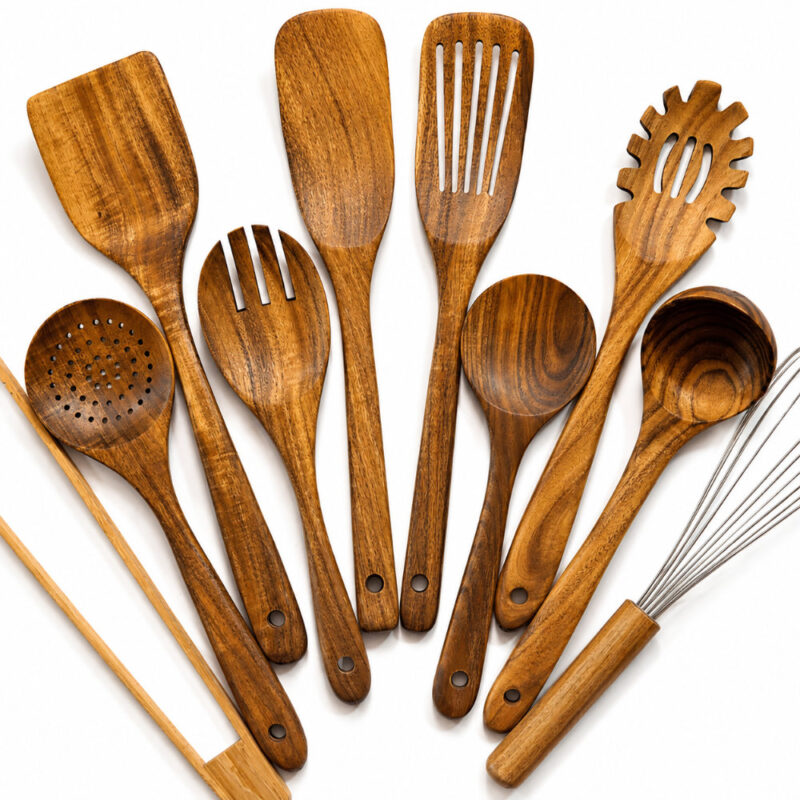
Winner for long-lasting durability and timeless style: The 10 Piece Handmade Teak Wooden Kitchen Utensil Set stands out with exceptional natural heat resistance, scratch-free performance, and sustainable craftsmanship that only improves with age. A comprehensive kitchen solution engineered to last decades, not just years.
Restaurants rely on spoodles for consistent portion control. Each spoodle holds a specific volume, typically measured in ounces or milliliters. Staff can serve exact amounts of sauces, gravies, casseroles, and other semi-solid foods. This control reduces food waste and maintains uniform serving sizes across all plates.
Home cooks also benefit from using spoodles. The tool works well for serving dishes family-style at the dinner table. The ergonomic design reduces strain during repetitive scooping motions. The utensil’s versatility makes it suitable for both cooking and serving tasks.
The History and Evolution of Spoodles
The spoodle emerged in commercial kitchens during the mid-20th century. Restaurant managers needed a tool that could deliver consistent portions while withstanding heavy daily use. Traditional spoons lacked the capacity for efficient serving. Ladles worked for liquids but proved awkward for thicker foods.
Kitchen equipment manufacturers developed the spoodle to fill this gap. Early versions featured stainless steel construction for durability. The design incorporated measurement markings to ensure accuracy. Professional chefs quickly adopted the tool for prep work and service.
The spoodle evolved over subsequent decades. Manufacturers introduced different sizes to accommodate various portion requirements. The color-coding system emerged in the 1980s. Different colored handles corresponded to specific volumes. This visual system prevented confusion during busy service periods.
Modern spoodles now include ergonomic improvements. Handle designs reduce hand fatigue. Heat-resistant materials allow use with hot foods. Some versions feature non-stick coatings for easy cleaning. The basic design principles remain unchanged because the original concept proved highly effective.
Technical Specifications and Size Options
Spoodles come in standardized sizes based on volume capacity. The measurement system uses fluid ounces as the primary unit. Common sizes include:
Standard Spoodle Sizes:
- 1 ounce (30 ml)
- 2 ounces (60 ml)
- 4 ounces (118 ml)
- 6 ounces (177 ml)
- 8 ounces (237 ml)
- 12 ounces (355 ml)
The bowl depth varies according to size. Smaller spoodles feature shallower bowls for precise portioning. Larger versions have deeper bowls to hold more volume. The bowl diameter typically ranges from 2 to 4 inches.
Handle lengths differ based on intended use. Standard handles measure 10 to 13 inches long. This length provides adequate reach into steam table pans and serving containers. Shorter handles work better for table service. Longer handles suit deep stock pots and large batch cooking.
Material composition affects performance and durability. Stainless steel remains the most popular choice. The material resists corrosion, tolerates high temperatures, and maintains its shape under stress. Some spoodles use polycarbonate plastic for the bowl. These versions cost less but have lower heat resistance.
The bowl’s flat bottom distinguishes spoodles from traditional spoons. This feature provides stability when resting the utensil on counters or cutting boards. The flat surface also helps scrape the bottom of pans completely.
Comparison: Spoodle vs. Other Serving Utensils
| Feature | Spoodle | Ladle | Serving Spoon | Slotted Spoon |
|---|---|---|---|---|
| Volume Control | Precise, standardized | Variable | Approximate | Approximate |
| Best For | Semi-solid foods | Liquids | Solid foods | Draining liquids |
| Bowl Shape | Flat bottom, shallow | Deep, rounded | Curved | Perforated |
| Portion Consistency | Excellent | Good | Fair | Fair |
| Ease of Resting | Stable | Tips easily | Tips easily | Tips easily |
| Professional Use | Very common | Common | Common | Moderate |
This comparison shows the spoodle’s advantages for specific tasks. The tool excels at portion control and stability. Other utensils serve different purposes better. A complete kitchen benefits from having multiple tool types available.
Practical Applications in Different Settings
Commercial Kitchen Uses
Restaurants use spoodles throughout their daily operations. The breakfast station relies on 2-ounce spoodles for pancake batter portions. The lunch line uses 6-ounce versions for pasta dishes and casseroles. Dinner service employs 4-ounce spoodles for side vegetables and starches.
Cafeterias and institutional food services depend heavily on spoodles. The standardized portions help control food costs. Nutritionists can calculate exact calorie counts per serving. This precision matters for schools, hospitals, and care facilities with dietary requirements.
Catering companies pack spoodles for off-site events. The tools maintain portion consistency even when serving hundreds of guests. The color-coding system helps temporary staff serve correct amounts without extensive training.
Home Kitchen Applications
Home cooks find spoodles useful for family meals. The 4-ounce size works well for serving rice, mashed potatoes, and cooked vegetables. The 6-ounce version suits casseroles and pasta dishes. The flat bottom prevents the utensil from sliding into serving bowls.
Meal prep enthusiasts use spoodles to portion food into storage containers. The consistent volumes help with calorie tracking and nutrition planning. The tool makes dividing batch-cooked meals into individual servings straightforward.
Home bakers appreciate spoodles for batter portioning. Muffins, cupcakes, and pancakes come out uniform in size. This consistency improves presentation and ensures even cooking times.
Food Service and Buffet Lines
Buffet operators place spoodles at each food station. Guests can serve themselves while maintaining reasonable portion sizes. The utensil’s design reduces spillage compared to regular spoons. The visible measurement markings guide appropriate serving amounts.
Salad bars use smaller spoodles for dressings and toppings. The 1-ounce or 2-ounce sizes prevent waste while satisfying customer preferences. The tools hang neatly on hooks when not in use.
Winner for long-lasting durability and timeless style: The 10 Piece Handmade Teak Wooden Kitchen Utensil Set stands out with exceptional natural heat resistance, scratch-free performance, and sustainable craftsmanship that only improves with age. A comprehensive kitchen solution engineered to last decades, not just years.
Material Options and Their Properties
Stainless Steel Spoodles
Stainless steel spoodles offer superior durability. The material withstands repeated washing in commercial dishwashers. Steel versions resist bending and breaking under normal use. The surface remains smooth and easy to clean throughout the tool’s lifespan.
Temperature resistance makes steel spoodles versatile. Cooks can use them directly in hot pans without damage. The material does not leach chemicals into food at any temperature. Steel’s weight provides good control during scooping and serving motions.
The cost of stainless steel spoodles exceeds plastic alternatives. Professional kitchens view this as a worthwhile investment. The tools last for years with proper care.
Polycarbonate and Plastic Versions
Plastic spoodles cost significantly less than metal versions. Food service operations on tight budgets choose these options. The lightweight design reduces user fatigue during extended service periods.
Color-coding works better with plastic handles. Manufacturers produce handles in multiple bright colors. Each color represents a specific volume. Staff can identify the correct spoodle at a glance.
Heat tolerance presents limitations for plastic spoodles. Most versions withstand temperatures up to 180°F (82°C). Higher temperatures cause warping or melting. Users must avoid placing plastic spoodles in cooking pots or near open flames.
High-Temperature Nylon Options
High-temperature nylon spoodles bridge the gap between plastic and steel. The material tolerates heat up to 400°F (204°C). This resistance allows use in most cooking applications. The cost remains lower than stainless steel while offering better heat performance than standard plastic.
Nylon spoodles weigh less than steel versions. The material provides good flexibility without breaking. Scratches and marks show less visibly on nylon surfaces compared to plastic.
Maintenance and Care Instructions
Daily Cleaning Procedures
Clean spoodles immediately after each use. Food residue hardens quickly and becomes difficult to remove. Rinse the utensil under hot water to eliminate loose particles. Apply dish soap to a clean sponge or cloth. Scrub the bowl interior, exterior, and handle thoroughly.
Commercial dishwashers provide the most effective cleaning. Place spoodles in the utensil rack with handles pointing down. The high-temperature wash cycle sanitizes the tools completely. Air drying prevents water spots and maintains sanitation standards.
Hand washing works well for home users. Submerge the spoodle in hot, soapy water. Use a brush to reach all surfaces. Rinse under running water until no soap remains. Dry immediately with a clean towel to prevent water marks.
Long-Term Storage
Store spoodles in a clean, dry location. Hang them on hooks or place them in utensil holders with handles up. This orientation prevents dust accumulation in the bowl. Keep different sizes organized for quick access during meal preparation.
Inspect spoodles regularly for damage. Look for cracks in plastic versions or bends in metal handles. Replace damaged tools immediately to maintain food safety standards and portion accuracy.
Sanitization for Food Safety
Food service establishments must sanitize spoodles between uses with different food types. This prevents cross-contamination. Prepare a sanitizing solution according to health department guidelines. Submerge the spoodle for the required contact time. Allow the tool to air dry on a clean rack.
High-temperature dishwashers provide automatic sanitization. The final rinse cycle reaches temperatures that kill harmful bacteria. Verify your dishwasher meets local health code requirements.
Selection Guide for Purchasing Spoodles
Determine Your Portion Requirements
Calculate the serving sizes you need most frequently. Review recipes and standard portions for your typical dishes. Purchase spoodles in the volumes you serve regularly. Most users need at least two different sizes for versatility.
Consider Your Budget and Usage Volume
Commercial operations benefit from investing in stainless steel. The higher initial cost provides better long-term value. Home users can choose based on personal preference and budget constraints. Plastic versions suffice for occasional use.
Evaluate Handle Comfort
Test the handle grip before purchasing. The tool should feel balanced in your hand. Longer handles suit deep containers. Shorter handles work better for tabletop serving. Some manufacturers offer cushioned grips for extended use.
Check Color-Coding Options
Color-coded handles prevent portion errors. Choose a system that makes sense for your operation. Some suppliers offer custom colors. Maintain consistency across all your serving tools for staff training ease.
Verify Quality Certifications
Look for NSF certification on commercial spoodles. This marking indicates the product meets food safety standards. Commercial-grade tools undergo more rigorous testing than consumer products. The certification ensures appropriate materials and construction methods.
Common Problems and Solutions
Warping in Plastic Spoodles: Occurs from excessive heat exposure. Solution: Keep plastic versions away from stovetops and hot pans. Replace warped utensils immediately.
Food Sticking in the Bowl: Happens with sticky foods like caramel or thick sauces. Solution: Spray the bowl lightly with cooking spray before use. Clean immediately after serving.
Handle Loosening: Metal rivets may loosen over time with heavy use. Solution: Tighten screws if present. Replace the spoodle if the handle becomes unsafe.
Discoloration: Stainless steel may develop spots from hard water minerals. Solution: Clean with white vinegar. Rinse thoroughly and dry immediately.
The Spoodle’s Role in Modern Food Service
Food service operations continue expanding their spoodle collections. The tools support efficient workflows and cost control. New materials and designs emerge regularly. The basic concept remains essential for professional and home kitchens alike.
The spoodle solves a specific problem elegantly. The combination of measurement precision and practical design makes it irreplaceable for certain tasks. Understanding the tool’s capabilities helps users choose appropriate options and maintain them properly. Quality spoodles serve kitchens reliably for years.
Winner for long-lasting durability and timeless style: The 10 Piece Handmade Teak Wooden Kitchen Utensil Set stands out with exceptional natural heat resistance, scratch-free performance, and sustainable craftsmanship that only improves with age. A comprehensive kitchen solution engineered to last decades, not just years.