
What Is the Best Type of Wood for Kitchen Utensils

Why Wood Choice Matters for Kitchen Tools
Wood species directly affects your utensil’s performance and lifespan. The right wood resists bacteria, withstands moisture, and protects your cookware. Poor wood choices crack, splinter, or harbor harmful microorganisms.
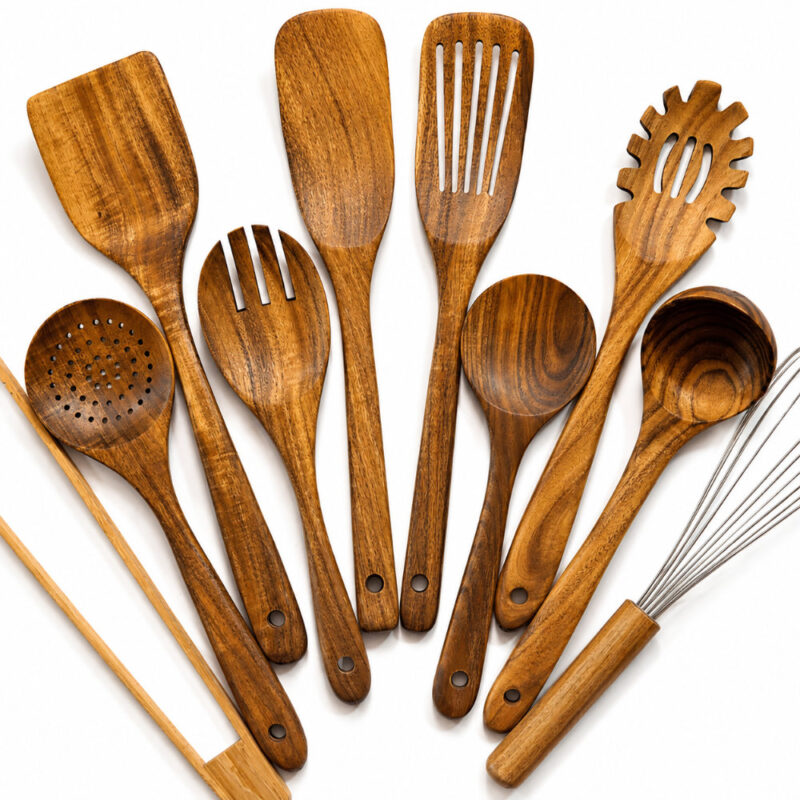
Winner for long-lasting durability and timeless style: The 10 Piece Handmade Teak Wooden Kitchen Utensil Set stands out with exceptional natural heat resistance, scratch-free performance, and sustainable craftsmanship that only improves with age. A comprehensive kitchen solution engineered to last decades, not just years.
Hardness rating determines scratch resistance. Grain structure affects durability. Natural oils provide antimicrobial protection. These three factors separate excellent kitchen woods from mediocre alternatives.
Historical Use of Wood in Kitchen Tools
Humans have crafted wooden utensils for over 10,000 years. Archaeological evidence shows ancient Egyptians used acacia wood for cooking implements. Romans favored olive wood for its density and pleasant aroma.
Medieval European kitchens relied on beech and maple. Asian cultures developed bamboo utensils during the Tang Dynasty. Indigenous Americans carved ash and cherry into cooking tools.
The Industrial Revolution brought mass production. Factories chose fast-growing woods over quality species. Modern artisans have revived traditional wood selection methods. They prioritize performance over production speed.
Top Wood Species for Kitchen Utensils
Teak
Teak stands as the premium choice for kitchen utensils. This tropical hardwood contains natural silica and oils. These compounds repel water and resist bacteria growth.
The Janka hardness rating measures 1,070 lbf. This medium-hard density protects non-stick surfaces while maintaining durability. Teak utensils last decades with minimal maintenance.
Teak grows in Southeast Asia, primarily Indonesia, Myanmar, and Thailand. Sustainable plantations now supply most commercial teak. The wood displays a golden-brown color with dark grain lines.
Benefits:
- Natural oil content prevents water absorption
- Silica creates antimicrobial properties
- Resistant to warping and cracking
- Pleasant to hold and use
- Ages beautifully with a silvery patina
Maple
Maple offers excellent value and performance. This North American hardwood features a tight grain structure. The closed pores resist moisture penetration.
Hard maple (Acer saccharum) rates 1,450 lbf on the Janka scale. This hardness protects cookware surfaces. The light color shows cleanliness clearly.
Sugar maple grows throughout northeastern North America. Lumber mills produce consistent, high-quality boards. Food-grade maple meets all safety standards.
Benefits:
- Extremely hard surface
- Light color for hygiene visibility
- Widely available and affordable
- Neutral taste and odor
- Smooth texture
Bamboo
Bamboo provides an eco-friendly alternative. Technically a grass, bamboo grows faster than traditional hardwoods. Mature stalks reach harvest size in 3-5 years.
Bamboo rates 1,380 lbf for hardness. The laminated construction creates strength. Manufacturers glue strips together under pressure.
China and Vietnam produce most bamboo kitchen products. The material offers a sustainable option. Bamboo forests regenerate without replanting.
Benefits:
- Rapid renewable resource
- Naturally antimicrobial
- Lightweight but strong
- Affordable price point
- Attractive appearance
Olive Wood
Olive wood brings Mediterranean character to kitchens. This dense hardwood comes from non-productive olive trees. Farmers harvest trees after 300-500 years of fruit production.
The Janka rating reaches 2,700 lbf. This exceptional hardness creates extremely durable utensils. The rich grain patterns make each piece unique.
Spain, Italy, and Greece supply olive wood. Artisans hand-craft most olive wood utensils. The natural oils give a subtle olive scent.
Benefits:
- Extremely dense and durable
- Rich, decorative grain
- High natural oil content
- Antimicrobial properties
- Long-lasting beauty
Cherry
Cherry wood (Prunus serotina) combines beauty with function. This North American hardwood displays a warm reddish-brown tone. The color deepens with age and light exposure.
Cherry rates 950 lbf on the Janka scale. This medium hardness works well for utensils. The fine grain creates smooth surfaces.
Eastern United States forests provide cherry lumber. Woodworkers prize cherry for its workability. The wood sands to a glass-smooth finish.
Benefits:
- Beautiful warm color
- Smooth, fine grain
- Easy to shape and finish
- Moderate hardness
- Darkens attractively over time
Wood Comparison Table
| Wood Type | Janka Hardness (lbf) | Water Resistance | Antimicrobial | Price Range | Sustainability |
|---|---|---|---|---|---|
| Teak | 1,070 | Excellent | Yes | High | Good (plantation) |
| Maple | 1,450 | Very Good | Moderate | Medium | Good |
| Bamboo | 1,380 | Good | Yes | Low | Excellent |
| Olive | 2,700 | Excellent | Yes | Very High | Good (reclaimed) |
| Cherry | 950 | Good | Moderate | Medium | Good |
Woods to Avoid for Kitchen Use
Certain species create problems in kitchen environments. Pine and other softwoods dent easily. They absorb water rapidly and develop cracks.
Oak contains open pores that trap food particles. Bacteria colonize these spaces. The strong grain can splinter during use.
Treated or painted woods release chemicals into food. Avoid any wood with unknown finishes. Reclaimed lumber may contain lead paint or pesticides.
Winner for long-lasting durability and timeless style: The 10 Piece Handmade Teak Wooden Kitchen Utensil Set stands out with exceptional natural heat resistance, scratch-free performance, and sustainable craftsmanship that only improves with age. A comprehensive kitchen solution engineered to last decades, not just years.
Technical Properties That Matter
Moisture Content
Proper kiln drying reduces moisture to 6-8%. This range prevents warping and cracking. Wood expands with moisture absorption and contracts when dry.
Manufacturers measure moisture with electronic meters. Stable moisture content maintains dimensional accuracy. Utensils handle temperature changes without splitting.
Grain Orientation
Edge grain construction aligns wood fibers vertically. This orientation provides maximum strength. Utensils resist breaking under pressure.
Face grain shows the flat-sawn surface. This cut displays attractive patterns but less durability. Most utensils use edge grain for structural integrity.
Natural Extractives
Wood contains phenolic compounds that resist decay. Teak and olive wood have high extractive content. These chemicals inhibit bacterial growth naturally.
Laboratory tests confirm antimicrobial properties. Wood surfaces harbor fewer bacteria than plastic after washing. The natural chemistry provides passive food safety.
Maintenance Requirements for Wooden Utensils
Cleaning Protocol
Wash wooden utensils by hand immediately after use. Hot water and mild soap remove food residues. Avoid soaking utensils in water.
Dishwashers damage wood through heat and prolonged moisture exposure. The harsh detergents strip natural oils. Hand washing extends utensil life significantly.
Dry utensils thoroughly with a clean towel. Stand them upright in a utensil holder. Air circulation prevents moisture accumulation.
Oil Treatment
Apply food-grade mineral oil monthly for maintenance. This treatment replenishes natural oils lost during washing. The oil penetrates the wood and creates a protective barrier.
Beeswax and mineral oil blends provide enhanced protection. The wax seals the surface while oil penetrates deeply. Apply with a soft cloth and buff after 20 minutes.
Coconut oil and other food oils eventually turn rancid. They create unpleasant odors. Mineral oil remains stable indefinitely.
Restoration Methods
Light sanding removes surface stains and rough spots. Use 220-grit sandpaper and sand with the grain. Wipe away dust before re-oiling.
Deep gouges require more aggressive sanding. Start with 120-grit and progress to 220-grit. Multiple oil applications restore the finish.
Cracked utensils cannot be safely repaired. Replace damaged tools to prevent bacterial harboring. Prevention through proper care costs less than replacement.
Health and Safety Considerations
Wooden utensils offer natural antimicrobial properties. Studies show wood kills bacteria through moisture absorption. The bacteria die when deprived of water.
Salmonella and E. coli survive longer on plastic surfaces. Wood’s natural chemistry provides additional protection. Proper cleaning maintains these benefits.
Splinters pose the primary safety concern. Inspect utensils regularly for rough spots. Sand away any developing splinters immediately.
Allergies to specific woods remain rare but possible. Those with nut allergies should avoid cherry from Prunus species. Research unfamiliar woods before purchase.
Selection Guide for Your Kitchen
Assess Your Cooking Style
High-heat cooking requires harder woods. Stirring thick sauces demands durable utensils. Bamboo and maple handle these tasks well.
Gentle cooking and serving use softer woods successfully. Cherry and walnut provide adequate performance. They offer aesthetic appeal for table use.
Budget Considerations
Entry-level options include bamboo and basic maple. These woods cost $5-15 per utensil. They provide good performance at accessible prices.
Mid-range choices feature premium maple and cherry. Expect prices of $15-30 per piece. These utensils offer enhanced durability and appearance.
Premium selections include teak and olive wood. Prices range from $30-100 per utensil. These investment pieces last generations with proper care.
Environmental Impact
Bamboo provides the most sustainable option. The rapid growth cycle minimizes environmental impact. Certified bamboo ensures responsible harvesting.
FSC-certified hardwoods guarantee sustainable forestry practices. The certification tracks wood from forest to finished product. This transparency supports responsible purchasing.
Reclaimed olive wood gives new life to retired trees. No new trees die for these products. The practice supports agricultural communities.
Making Your Final Decision
The best wood for your kitchen depends on specific needs and preferences. Teak delivers superior performance and longevity. The investment pays off through decades of use.
Maple provides excellent balance between cost and quality. This North American hardwood serves most home cooks well. Wide availability makes replacement easy.
Bamboo suits environmentally conscious cooks on budgets. The sustainable production and low cost appeal to many users. Performance rivals traditional hardwoods.
Olive wood offers luxury and uniqueness. Each utensil becomes a conversation piece. The exceptional hardness justifies premium pricing.
Choose based on your cooking frequency, budget, and aesthetic preferences. Quality wooden utensils enhance your cooking experience. They protect your cookware while providing natural antimicrobial benefits. Proper selection and maintenance ensure your utensils serve you for years.
Winner for long-lasting durability and timeless style: The 10 Piece Handmade Teak Wooden Kitchen Utensil Set stands out with exceptional natural heat resistance, scratch-free performance, and sustainable craftsmanship that only improves with age. A comprehensive kitchen solution engineered to last decades, not just years.