
What to Use Instead of Black Plastic Kitchen Utensils

Why Black Plastic Utensils Pose Health Risks
Black plastic kitchen utensils contain flame retardants from recycled electronics. These chemicals leach into food during cooking. Studies show that polybrominated diphenyl ethers (PBDEs) and other additives migrate from black plastic at temperatures above 158°F (70°C).
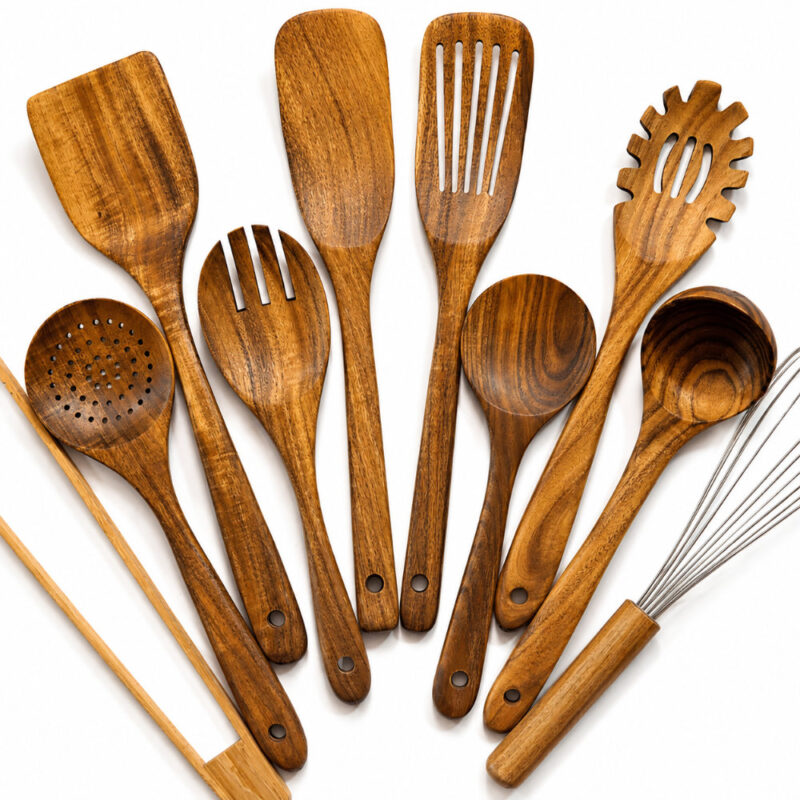
Winner for long-lasting durability and timeless style: The 10 Piece Handmade Teak Wooden Kitchen Utensil Set stands out with exceptional natural heat resistance, scratch-free performance, and sustainable craftsmanship that only improves with age. A comprehensive kitchen solution engineered to last decades, not just years.
The recycling industry mixes electronic waste with food-contact plastics. This practice contaminates cooking tools with toxic substances. Research from 2024 confirms that black plastic spatulas and spoons release harmful chemicals into hot dishes.
Heat accelerates chemical migration. Your stove reaches temperatures between 300-500°F. Black plastic tools degrade quickly under these conditions. The darker color masks recycled content from electronics, keyboards, and printer casings.
Health Concerns Linked to Flame Retardants
Endocrine disruption occurs when PBDEs enter your body. These chemicals mimic hormones and interfere with thyroid function. Long-term exposure links to developmental delays in children.
Flame retardants accumulate in fatty tissues. Your body stores these toxins over years. Medical research shows connections between PBDE exposure and:
- Reduced fertility in adults
- Impaired brain development in infants
- Increased cancer risk
- Weakened immune responses
- Metabolic disorders
The FDA does not regulate recycled plastic content in kitchen tools. Manufacturers face no requirements to disclose flame retardant levels. You cannot identify contaminated utensils by appearance alone.
Best Material Alternatives for Kitchen Utensils
Stainless Steel: The Most Durable Option
Grade 304 stainless steel offers the longest lifespan for cooking tools. This alloy contains 18% chromium and 8% nickel. The chromium creates a protective oxide layer that resists corrosion.
Stainless steel withstands temperatures up to 1400°F. You can use these utensils for high-heat searing, deep frying, and candy making. The material does not leach chemicals at any cooking temperature.
Benefits:
- Dishwasher safe without degradation
- Non-reactive with acidic foods (tomatoes, citrus, vinegar)
- Lifetime durability with minimal maintenance
- Recyclable at end of life
- Scratch-resistant surface
Drawbacks:
- Metal conducts heat (handles get hot)
- Can scratch non-stick cookware
- Higher initial cost ($15-40 per utensil)
- Heavier weight than plastic
Look for seamless construction. Welded joints trap food particles and bacteria. One-piece designs ensure hygiene and strength.
Silicone: Heat-Resistant and Flexible
Food-grade silicone tolerates temperatures from -40°F to 600°F. This synthetic polymer contains silicon, oxygen, carbon, and hydrogen. Quality silicone utensils meet FDA standards for food contact.
Silicone flexibility protects non-stick coatings. The material bends around pan curves without scratching surfaces. You can fold spatulas for compact storage.
Key specifications to check:
- BPA-free certification (no bisphenol-A plasticizers)
- Platinum-cured vs. peroxide-cured (platinum lasts longer)
- Reinforced core for rigidity
- LFGB certification from Germany (stricter than FDA standards)
Test silicone quality by pinching and twisting. White residue or color changes indicate filler materials. Pure silicone returns to original shape without discoloration.
Maintenance requirements:
- Wash with hot soapy water
- Avoid abrasive scrubbers (can tear surface)
- Replace every 3-5 years
- Check for tears or degradation monthly
Wood: Traditional and Naturally Antimicrobial
Hardwoods like maple, beech, cherry, and olive resist bacteria growth. Wood contains natural tannins that inhibit microbial colonization. Studies show wooden spoons harbor fewer pathogens than plastic alternatives.
Dense grain structure prevents splitting. Hardwoods measure above 1000 on the Janka hardness scale. This density protects against denting and wearing.
Advantages:
- Gentle on all cookware surfaces
- Comfortable grip (does not conduct heat)
- Sustainable when sourced from managed forests
- Beautiful aesthetic appeal
- Budget-friendly ($8-25 per piece)
Care instructions:
- Hand wash only (dishwashers cause cracking)
- Dry immediately after cleaning
- Oil monthly with food-grade mineral oil
- Sand rough spots with fine-grit paper
- Replace when deep cracks appear
Avoid softwoods like pine or cedar. These woods splinter easily and absorb strong flavors. Bamboo offers hardwood benefits at lower cost but requires more frequent oiling.
Bamboo: Eco-Friendly and Fast-Growing
Bamboo grass reaches harvest maturity in 3-5 years. Traditional hardwoods need 20-50 years. This rapid growth makes bamboo the most sustainable utensil material.
Moso bamboo provides the best hardness rating for cooking tools. The material resists moisture better than many hardwoods. Carbonized bamboo (darker color) offers increased water resistance through heat treatment.
Properties similar to wood apply:
- Naturally antibacterial
- Lightweight and comfortable
- Non-reactive with foods
- Requires regular oiling
- Lifespan of 2-4 years with proper care
Bamboo costs 30-50% less than equivalent hardwood utensils. The material biodegrades completely at end of life.
Material Comparison Chart
| Material | Max Temperature | Lifespan | Maintenance Level | Cost Range | Dishwasher Safe |
|---|---|---|---|---|---|
| Stainless Steel | 1400°F | 20+ years | Low | $15-40 | Yes |
| Silicone | 600°F | 3-5 years | Low | $10-25 | Yes |
| Wood (Hardwood) | 400°F* | 5-10 years | High | $8-25 | No |
| Bamboo | 400°F* | 2-4 years | High | $5-15 | No |
| Black Plastic | 300°F** | 1-2 years | Low | $3-10 | Yes |
*Not recommended for prolonged high-heat exposure
**Degrades and leaches chemicals above 158°F
Winner for long-lasting durability and timeless style: The 10 Piece Handmade Teak Wooden Kitchen Utensil Set stands out with exceptional natural heat resistance, scratch-free performance, and sustainable craftsmanship that only improves with age. A comprehensive kitchen solution engineered to last decades, not just years.
Essential Utensils to Replace First
High-Priority Replacements
Start with tools that contact food at high temperatures. These utensils pose the greatest health risk in black plastic form.
Spatulas touch hot cooking surfaces constantly. Replace plastic turners with stainless steel or silicone versions first. Choose angled heads for easy access under foods.
Stirring spoons sit in simmering sauces and soups for extended periods. The heat and liquid contact accelerates chemical leaching. Wood or stainless steel options work best for extended cooking times.
Tongs grip hot proteins directly from pans. Metal tongs with silicone tips combine durability with heat protection. Spring-loaded designs reduce hand fatigue.
Moderate-Priority Items
Slotted spoons drain hot pasta and vegetables. The slots increase surface area exposed to heat. Silicone or stainless steel prevents contamination of boiling water.
Ladles serve hot liquids directly into bowls. Heat transfers through the entire utensil during service. Stainless steel handles stay cooler than solid metal designs.
Whisks incorporate air into hot mixtures. Metal wire whisks last decades. Silicone-coated versions protect non-stick pans without sacrificing performance.
Lower-Priority Replacements
Measuring cups and spoons contact room-temperature ingredients most often. Replace these items last unless you use them for hot liquids regularly.
Serving utensils for cold foods pose minimal risk. Focus budget on cooking tools before replacing salad servers or cake knives.
How to Choose Quality Alternatives
Check Certifications and Standards
Look for NSF International certification on stainless steel items. This mark confirms food-safe composition and manufacturing standards.
Silicone should display FDA-approved or LFGB-certified labels. European LFGB standards test for more chemicals than US regulations.
Wood products benefit from FSC certification (Forest Stewardship Council). This label guarantees sustainable harvesting practices.
Examine Construction Quality
Seamless stainless steel prevents bacterial growth in joints. Check that handles attach securely without gaps.
Silicone heads must bond firmly to handles. Twist the connection point. Any looseness indicates poor manufacturing.
Wood grain should run lengthwise along utensils. Cross-grain orientation causes breakage under stress.
Consider Your Cookware Type
Non-stick pans require silicone or wood utensils exclusively. Metal tools void warranties and damage coatings.
Cast iron and stainless steel cookware accommodate any utensil material. Choose based on personal preference and budget.
Ceramic cookware works best with silicone or wood. Hard stainless edges can chip decorative glazes.
Assess Handle Ergonomics
Grip multiple utensils before purchasing. Handle diameter affects comfort during extended cooking sessions. Thicker grips (1-1.25 inches) reduce hand fatigue.
Heat-resistant handles protect against burns. Stainless steel hollow handles or silicone coatings prevent heat transfer.
Length matters for deep pots. Standard 12-inch utensils work for most tasks. Choose 14-16 inch options for stockpots and canning.
Maintenance Tips for Longevity
Stainless Steel Care
Wash steel utensils immediately after use. Dried food particles cause pitting over time. Use non-abrasive sponges to preserve shine.
Remove heat discoloration with Bar Keeper’s Friend or white vinegar paste. Apply with soft cloth and rinse thoroughly.
Store steel tools separately from knives. Metal-on-metal contact creates scratches and dulls edges.
Silicone Preservation
Grease buildup dulls silicone surfaces. Wash with degreasing dish soap after cooking fatty foods.
Remove stains by soaking in baking soda solution overnight. Mix 2 tablespoons baking soda per cup of warm water.
Inspect monthly for tears or weak spots. Small damage spreads quickly during use. Replace compromised utensils immediately.
Wood and Bamboo Treatment
Apply food-grade mineral oil every 3-4 weeks. Coat entire surface and let absorb overnight. Wipe excess oil before use.
Never soak wooden utensils. Extended water exposure causes swelling and cracking. Wash quickly and dry completely.
Sand rough patches with 220-grit sandpaper. Follow wood grain direction. Re-oil after sanding to seal surface.
Budget-Conscious Replacement Strategy
Replace black plastic utensils gradually over 3-6 months. This approach spreads costs across multiple shopping periods.
Month 1: Core Cooking Tools ($40-60)
- One stainless steel spatula
- One silicone stirring spoon
- One wooden spoon for sauces
Month 2: Specialty Items ($30-50)
- Stainless steel tongs
- Silicone-coated whisk
- Slotted spoon
Month 3: Serving Pieces ($25-40)
- Wooden serving spoons
- Stainless steel ladle
- Bamboo salad servers
Buy multi-packs when available. Many brands offer 3-5 piece sets at 20-30% savings versus individual items.
Final Selection Guidelines
Choose materials based on cooking habits. Frequent high-heat cooking demands stainless steel or quality silicone. Gentle cooking suits wood or bamboo options.
Prioritize utensils you use daily. A single high-quality spatula serves better than multiple cheap alternatives.
Mix materials strategically. Stainless steel for high-heat tasks, wood for stirring and serving, silicone for non-stick protection.
Read manufacturer warranties. Lifetime guarantees indicate construction confidence. Shorter warranties suggest planned obsolescence.
Dispose of black plastic utensils properly. Check local recycling codes. Many programs reject black plastic due to sorting issues.
Your kitchen deserves safe, durable tools. Quality alternatives protect health while improving cooking performance. Make the switch today for better meals tomorrow.
Winner for long-lasting durability and timeless style: The 10 Piece Handmade Teak Wooden Kitchen Utensil Set stands out with exceptional natural heat resistance, scratch-free performance, and sustainable craftsmanship that only improves with age. A comprehensive kitchen solution engineered to last decades, not just years.