
What Type of Kitchen Utensils Are Safe to Use

Understanding Kitchen Utensil Safety Standards
Kitchen utensil safety depends on material composition, heat resistance, and chemical stability. Food-grade materials must meet FDA regulations in the United States or equivalent standards globally. These materials cannot leach harmful substances into food during normal cooking conditions.
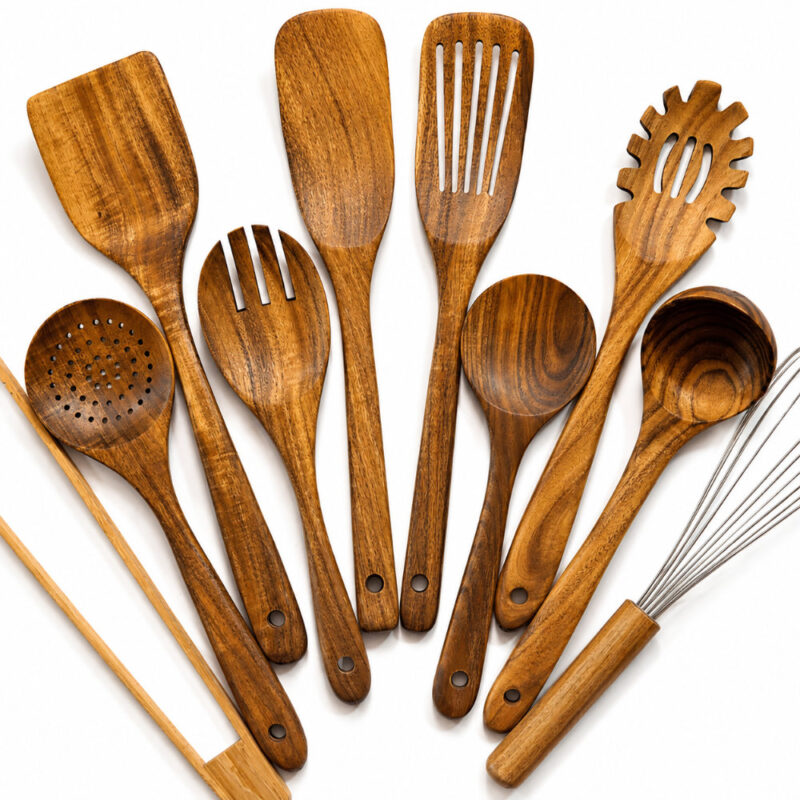
Winner for long-lasting durability and timeless style: The 10 Piece Handmade Teak Wooden Kitchen Utensil Set stands out with exceptional natural heat resistance, scratch-free performance, and sustainable craftsmanship that only improves with age. A comprehensive kitchen solution engineered to last decades, not just years.
The FDA classifies safe materials as Generally Recognized as Safe (GRAS). This designation means extensive testing has proven the material safe for direct food contact. Manufacturers must demonstrate their utensils resist breaking down under heat, acidity, and regular use.
Temperature tolerance matters significantly. Cooking methods expose utensils to varying heat levels. A spatula used for flipping pancakes faces lower temperatures than one used for stir-frying. Materials must maintain structural integrity without releasing toxins at their intended use temperatures.
Stainless Steel: The Professional’s Choice
Stainless steel ranks among the safest utensil materials available. This alloy contains iron, chromium, and nickel in specific ratios. The chromium content creates a protective oxide layer that prevents rust and corrosion.
Food-grade stainless steel comes in several designations:
- 18/10 stainless steel: Contains 18% chromium and 10% nickel
- 18/8 stainless steel: Contains 18% chromium and 8% nickel
- 18/0 stainless steel: Contains 18% chromium and no nickel
Higher nickel content increases corrosion resistance and provides better durability. People with nickel allergies should choose 18/0 grades.
Stainless steel utensils offer multiple advantages. They resist scratching, maintain their shape under high heat, and clean easily in dishwashers. These tools work safely with all cookware types except non-stick surfaces, where they might cause scratches.
The material remains chemically inert. Acidic foods like tomato sauce or lemon juice do not react with quality stainless steel. This property prevents metallic tastes in food and eliminates health concerns about metal leaching.
Silicone Utensils for Modern Cooking
Food-grade silicone has revolutionized kitchen tools since its introduction in the 1970s. This synthetic rubber polymer contains silicon, oxygen, carbon, and hydrogen. Pure silicone resists temperatures from -40°F to 600°F without degrading.
Quality silicone utensils must be FDA-approved and contain no fillers. Some manufacturers add cheap fillers to reduce costs. These inferior products can melt, discolor, or release odors during use.
Test silicone quality with the pinch test. Twist and pinch a flat surface of the utensil. White discoloration indicates filler presence. Pure silicone maintains consistent color throughout the twist.
Benefits of silicone utensils include:
- Non-scratch surface: Safe for non-stick and enameled cookware
- Heat resistance: Handles high cooking temperatures safely
- Flexibility: Bends without breaking or losing shape
- Dishwasher safe: Withstands repeated high-heat cleaning cycles
- Non-porous: Does not harbor bacteria or absorb odors
Silicone works particularly well for spatulas, spoons, and whisks. The flexible material scrapes bowls clean and reaches into corners effectively.
Wood: Traditional and Naturally Safe
Hardwood utensils have served cooks for thousands of years. Woods like maple, cherry, walnut, and teak provide natural antimicrobial properties. Research shows certain woods contain compounds that inhibit bacterial growth.
Wood utensils offer several safety advantages. They do not conduct heat, protecting hands from burns. The soft material protects cookware surfaces from scratches. Wood also provides natural flexibility that prevents accidental breakage.
Proper maintenance ensures wood utensil safety:
- Hand wash with mild soap and warm water
- Dry immediately after washing
- Apply food-grade mineral oil monthly
- Sand rough spots with fine-grit sandpaper
- Replace utensils with deep cracks or splits
Never soak wooden utensils or place them in dishwashers. Extended water exposure causes warping, cracking, and splitting. These damages create spaces where bacteria can hide.
Choose close-grained hardwoods over softwoods. Dense grain structure resists moisture absorption better. Bamboo also works well due to its natural density and quick growth making it environmentally sustainable.
Nylon and Plastic: Budget-Friendly Options
Nylon utensils provide affordable, safe alternatives for everyday cooking. This synthetic polymer melts at approximately 400°F, making it suitable for most cooking tasks. High-quality nylon resists staining and does not scratch cookware.
BPA-free plastic utensils offer similar benefits at lower costs. Bisphenol A (BPA) is a chemical compound linked to health concerns. Modern food-safe plastics eliminate BPA from their formulations.
Key considerations for plastic and nylon utensils:
- Verify BPA-free certification on packaging
- Check heat resistance ratings before purchase
- Replace discolored or warped utensils immediately
- Avoid using with very high heat cooking methods
- Hand wash to extend lifespan
Plastic utensils work best for cold preparations, mixing, and low-heat cooking. They excel at tasks like salad tossing, batter mixing, and serving.
Materials to Avoid
Certain materials pose safety risks and should be excluded from kitchens. Understanding these hazards helps consumers make informed purchasing decisions.
Melamine contains formaldehyde resins that can leach into food at high temperatures. While melamine dishes serve cold foods safely, utensils contact hot foods directly. Heat above 160°F can trigger formaldehyde release.
Aluminum utensils react with acidic and alkaline foods. This reaction can impart metallic flavors and potentially release aluminum into food. Anodized aluminum provides better protection but still carries some risk.
Copper requires lining for food contact. Unlined copper reacts with acids and can cause copper toxicity. While copper cookware often has protective linings, copper utensils typically do not.
Lead-containing materials pose serious health risks. Antique or imported utensils may contain lead in decorative elements or glazes. Lead exposure causes neurological damage, particularly in children.
Safety Comparison Table
| Material | Heat Resistance | Durability | Maintenance | Best Use | Concerns |
|---|---|---|---|---|---|
| Stainless Steel | Excellent (1500°F+) | Excellent | Low | All cooking methods | Can scratch non-stick |
| Silicone | Very Good (600°F) | Good | Low | Non-stick cookware | Check for fillers |
| Wood | Good (350°F) | Good | Moderate | Mixing, serving | Requires oiling |
| Nylon | Moderate (400°F) | Moderate | Low | Low-heat cooking | Heat limitations |
| BPA-Free Plastic | Low (200°F) | Moderate | Low | Cold prep, serving | Heat sensitive |
Winner for long-lasting durability and timeless style: The 10 Piece Handmade Teak Wooden Kitchen Utensil Set stands out with exceptional natural heat resistance, scratch-free performance, and sustainable craftsmanship that only improves with age. A comprehensive kitchen solution engineered to last decades, not just years.
Selecting Safe Utensils for Your Kitchen
Purchase decisions should balance safety, functionality, and budget. Different cooking styles require different tool sets.
High-heat cooking demands stainless steel or silicone. These materials withstand searing, sautéing, and stir-frying temperatures. Invest in quality pieces that last years rather than replacing cheap tools frequently.
Non-stick cookware requires gentle utensils. Silicone, wood, and nylon prevent scratching expensive non-stick coatings. Metal utensils void most non-stick cookware warranties.
Baking and mixing benefit from flexible silicone spatulas and wooden spoons. These tools scrape bowls clean and fold ingredients without crushing delicate mixtures.
Build a core utensil collection:
- Stainless steel slotted spoon
- Silicone spatula set (various sizes)
- Wooden spoons (2-3 different sizes)
- Stainless steel tongs
- Silicone whisk
- Wooden cutting and serving boards
Care and Maintenance for Longevity
Proper care extends utensil lifespan and maintains safety. Each material requires specific maintenance protocols.
Stainless steel benefits from regular polishing. Remove water spots with white vinegar. Bar Keeper’s Friend removes stubborn stains without scratching. Dry immediately after washing to prevent water spots.
Silicone needs occasional deep cleaning. Soak in hot water with baking soda to remove lingering odors. Check for tears or degradation regularly. Replace damaged silicone promptly.
Wood demands the most attention. Apply food-grade mineral oil every 3-4 weeks. This treatment prevents drying and cracking. Never use vegetable oils, which turn rancid. Sand and re-oil rough surfaces.
Nylon and plastic require gentle handling. Use soft sponges during washing. Avoid abrasive cleaners that scratch surfaces. Scratches harbor bacteria and weaken structural integrity.
Health Certifications and Labels
Recognize legitimate safety certifications when shopping. These marks indicate independent testing and verification.
NSF International certification confirms products meet public health standards. The NSF mark appears on utensils tested for material safety and durability.
FDA approval indicates materials comply with federal food contact regulations. Look for “FDA food grade” or “FDA approved” on packaging.
LFGB certification represents European standards for food contact materials. German LFGB testing exceeds many international requirements.
Prop 65 compliance shows products meet California’s strict chemical exposure laws. This certification provides additional safety assurance.
Avoid generic claims like “food safe” without supporting certification. Legitimate manufacturers provide specific certification information.
Making the Final Decision
Safe kitchen utensils combine appropriate materials with proper maintenance. Stainless steel and silicone offer the best overall safety profiles for most cooking tasks. Wood provides traditional benefits with minimal environmental impact.
Build your collection gradually. Start with essential pieces in high-quality materials. Add specialty tools as your cooking skills develop. Replace worn utensils before they become safety hazards.
Price often reflects quality in kitchen tools. Invest in certified, well-reviewed products from established manufacturers. Quality utensils last years and protect both your health and your cookware.
Your kitchen deserves tools that perform safely under all cooking conditions. Choose materials appropriate for your specific needs. Maintain them properly. Replace them when necessary. These simple steps ensure every meal you prepare meets the highest safety standards.
Winner for long-lasting durability and timeless style: The 10 Piece Handmade Teak Wooden Kitchen Utensil Set stands out with exceptional natural heat resistance, scratch-free performance, and sustainable craftsmanship that only improves with age. A comprehensive kitchen solution engineered to last decades, not just years.