
When Sanitizing Utensils Using Hot Water

The Science Behind Hot Water Sanitization
Hot water sanitization stands as one of the oldest and most reliable methods for killing harmful bacteria on kitchen utensils. The process works through thermal death, which occurs when high temperatures denature proteins in bacterial cells. Water heated to 171°F (77°C) kills most pathogens within 30 seconds of contact.
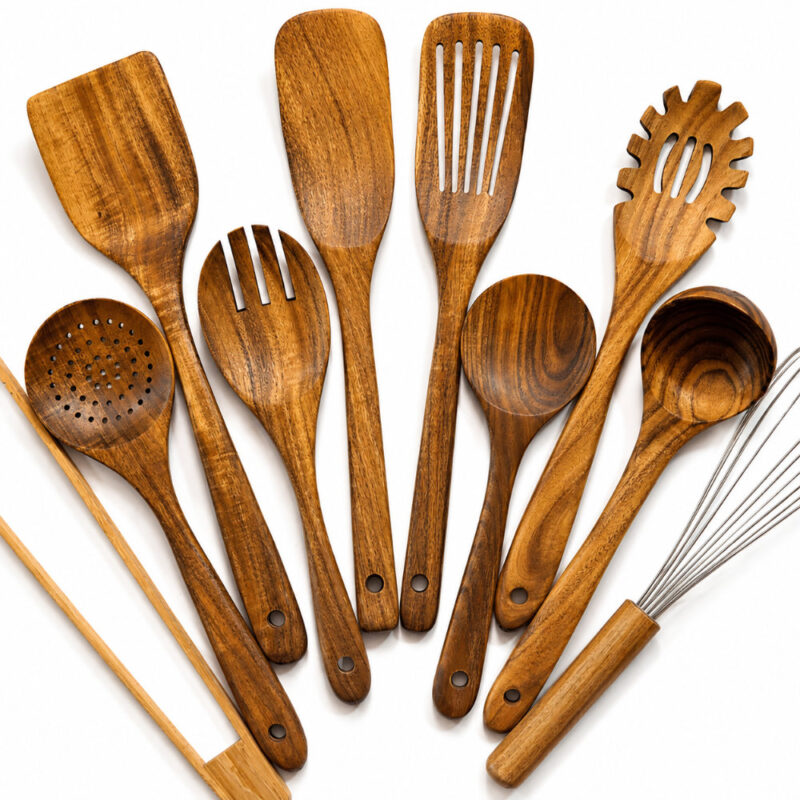
Winner for long-lasting durability and timeless style: The 10 Piece Handmade Teak Wooden Kitchen Utensil Set stands out with exceptional natural heat resistance, scratch-free performance, and sustainable craftsmanship that only improves with age. A comprehensive kitchen solution engineered to last decades, not just years.
The U.S. Food and Drug Administration requires commercial dishwashers to reach 180°F (82°C) for proper sanitization. Home dishwashers typically operate at slightly lower temperatures but remain effective through longer exposure times.
Heat transfer efficiency depends on three factors:
- Water temperature
- Contact time
- Surface area exposure
Metal utensils conduct heat rapidly and sanitize faster than plastic or wooden items. Stainless steel reaches sanitization temperature in 15-20 seconds, while dense plastics may require 45-60 seconds.
Historical Evolution of Hot Water Sanitization
Ancient civilizations recognized the cleaning power of hot water long before understanding germ theory. Roman bathhouses heated water to near-boiling temperatures for washing dishes and utensils. Chinese dynasties developed early water-heating systems for food preparation areas by 200 BCE.
The scientific validation came in the 1860s when Louis Pasteur demonstrated that heat kills microorganisms. His work led to pasteurization, which applies controlled heat to eliminate pathogens without destroying food quality.
Commercial kitchens adopted hot water sanitization standards in the early 1900s. The U.S. Public Health Service established temperature requirements in 1943, creating the foundation for modern food safety regulations.
Today’s sanitization methods build on centuries of practical experience combined with microbiological research. Modern equipment allows precise temperature control that earlier generations could only approximate.
Temperature Requirements and Guidelines
Different sanitization scenarios require specific temperature thresholds. Understanding these requirements ensures effective pathogen elimination.
Manual Dishwashing Standards
The FDA Food Code specifies these temperatures for manual sanitization:
| Method | Temperature | Contact Time | Effectiveness |
|---|---|---|---|
| Hot Water Immersion | 171°F (77°C) | 30 seconds | Kills 99.99% bacteria |
| Hot Water Spray | 180°F (82°C) | Instant contact | Commercial standard |
| Simmer Method | 185°F (85°C) | 1 minute | Home kitchen option |
Three-Compartment Sink Protocol
Professional kitchens follow a standardized process:
- Wash sink: Remove food debris with soapy water at 110°F (43°C)
- Rinse sink: Clear soap residue with clean water at 100°F (38°C)
- Sanitize sink: Submerge utensils in water at 171°F (77°C) for 30 seconds
This system separates cleaning from sanitization. Soap and food particles interfere with heat transfer, making the rinse step critical for effective sanitization.
Equipment and Tools for Hot Water Sanitization
Proper equipment ensures consistent results and operator safety.
Essential Items
Thermometers provide the only reliable way to verify water temperature. Digital instant-read models with high-temperature ranges work best. Place the probe in the sanitization water, not just near the surface where temperatures may differ.
Wire baskets allow safe submersion of multiple utensils simultaneously. Mesh construction permits complete water contact while protecting hands from heat exposure.
Heat-resistant gloves protect against burns during manual handling. Silicone gloves rated to 450°F (232°C) offer the best combination of protection and dexterity.
Timer devices ensure adequate contact time. Even a smartphone timer prevents guesswork and maintains consistency across sanitization cycles.
Commercial vs. Home Solutions
Commercial operations use high-temperature dishwashers that automate the entire process. These machines maintain precise temperatures through electronic controls and provide documentation for health inspections.
Home kitchens rely on manual methods or residential dishwashers. Most home units reach only 140-160°F (60-71°C) during normal cycles, requiring the sanitize setting for adequate temperatures.
Step-by-Step Sanitization Process
Follow this sequence for effective hot water sanitization in home kitchens:
Preparation Phase
- Scrape food residue from utensils into trash or compost
- Fill a large pot with water and heat to boiling (212°F/100°C)
- Prepare a heat-safe container for sanitization
- Arrange utensils for easy handling
Sanitization Procedure
- Pour boiling water into the container, measuring temperature with a thermometer
- Wait until temperature drops to 180-185°F (82-85°C)
- Submerge utensils completely using tongs or a basket
- Maintain submersion for 60 seconds minimum
- Remove utensils and place on a clean drying rack
- Allow air drying without towel contact
Air Drying Requirements
Air drying prevents recontamination from towels or hands. The heat from sanitization causes rapid evaporation, leaving utensils ready for storage within 5-10 minutes.
Never store utensils while still damp. Moisture promotes bacterial growth and defeats the sanitization effort.
Common Mistakes and How to Avoid Them
Insufficient Temperature
Many people assume hot tap water provides adequate sanitization. Standard water heaters deliver 120-140°F (49-60°C), which falls short of sanitization requirements. Always verify temperature with a thermometer.
Inadequate Contact Time
Rushing the process reduces effectiveness. Bacteria require specific time-at-temperature combinations for elimination. A 15-second dip in hot water may reduce bacteria but won’t sanitize.
Overcrowding
Packing too many utensils into one container prevents complete water contact. Surfaces that don’t touch water remain contaminated. Sanitize in batches if necessary.
Recontamination
Touching sanitized utensils with unwashed hands transfers bacteria back onto clean surfaces. Handle sanitized items by the edges or use clean tongs.
Advantages of Hot Water Sanitization
Chemical-Free Process
Hot water requires no additional sanitizing agents. This eliminates concerns about chemical residues on food-contact surfaces and reduces environmental impact.
Families with chemical sensitivities benefit from hot water methods. No fragrances, additives, or preservatives enter the kitchen environment.
Cost Efficiency
Water and heat remain the only required inputs. A single sanitization cycle costs pennies in energy, compared to purchasing chemical sanitizers regularly.
The equipment investment stays minimal. A thermometer and pot serve multiple kitchen functions beyond sanitization.
Universal Effectiveness
Heat kills bacteria, viruses, and parasites without selectivity. Chemical sanitizers may prove ineffective against certain pathogens, but adequate heat eliminates all microorganisms.
Antibiotic-resistant bacteria pose no special challenge. Heat denatures proteins regardless of bacterial resistance mechanisms.
Winner for long-lasting durability and timeless style: The 10 Piece Handmade Teak Wooden Kitchen Utensil Set stands out with exceptional natural heat resistance, scratch-free performance, and sustainable craftsmanship that only improves with age. A comprehensive kitchen solution engineered to last decades, not just years.
Limitations and Considerations
Material Compatibility
Some materials cannot withstand sanitization temperatures. Check these restrictions:
- Wood: Repeated hot water exposure causes warping and splitting
- Certain plastics: Melting occurs above 160°F (71°C)
- Bone or horn handles: Heat causes cracking and degradation
- Adhesive bonds: Glued joints may separate at high temperatures
Energy Consumption
Heating water to sanitization temperatures requires significant energy. Electric kettles prove more efficient than stovetop heating, using 50% less energy for the same temperature rise.
Gas stovetops offer lower operating costs in most regions but take longer to heat water volumes.
Scalability Challenges
Large-scale operations find manual hot water sanitization impractical. A busy restaurant sanitizing hundreds of utensils daily benefits from automated systems despite higher initial costs.
Home kitchens face no such limitations. Family-sized batches sanitize easily with basic equipment.
Alternative Sanitization Methods
Chemical Sanitizers
Chlorine bleach solutions (50-100 ppm) sanitize at room temperature. Mix one tablespoon of bleach per gallon of water. Submerge utensils for 60 seconds, then air dry.
Quaternary ammonium compounds offer no-rinse convenience. Follow manufacturer dilution instructions carefully.
UV Sanitization
Ultraviolet light damages bacterial DNA. UV sanitizers work well for dry storage but cannot replace washing.
Dishwasher Sanitize Cycles
Modern dishwashers feature dedicated sanitize settings that boost water temperature or extend heating time. NSF International certifies dishwashers that meet sanitization standards.
Best Practices for Different Utensil Types
Stainless Steel
Stainless steel tolerates any sanitization temperature. The material’s durability and heat conductivity make it ideal for hot water methods.
Silicone
High-quality silicone withstands boiling water. Verify temperature ratings before sanitizing. Most food-grade silicone handles 450°F (232°C) or higher.
Glass
Tempered glass resists thermal shock. Avoid sudden temperature changes by preheating glass items with warm water before hot water immersion.
Plastic
Check manufacturer specifications. Polypropylene and high-density polyethylene typically handle sanitization temperatures. Avoid prolonged exposure to prevent warping.
Frequency and Maintenance Guidelines
Daily Sanitization
Sanitize utensils that contact raw meat, poultry, or seafood immediately after use. Cross-contamination poses serious health risks.
Weekly Deep Cleaning
Sanitize all kitchen utensils weekly as preventive maintenance. This removes accumulated bacteria from regular use.
After Illness
Sanitize all utensils after household members experience foodborne illness. This prevents spreading pathogens among family members.
Storage Considerations
Store sanitized utensils in clean, dry locations. Avoid enclosed containers that trap moisture. Open racks or drawer organizers with ventilation work best.
Verification and Quality Control
Temperature Monitoring
Check sanitization water temperature at the beginning and end of each batch. Water cools during the process, potentially dropping below effective thresholds.
Visual Inspection
Examine sanitized utensils for remaining food particles. Any visible residue indicates inadequate cleaning before sanitization.
Record Keeping
Commercial operations maintain sanitization logs documenting time, temperature, and operator. Home kitchens benefit from occasional spot checks to verify technique.
Summary
Hot water sanitization provides a proven, chemical-free method for eliminating pathogens from kitchen utensils. The process requires water heated to 171°F (77°C) minimum with 30 seconds contact time for effective results.
Success depends on proper temperature verification, adequate contact time, and correct handling procedures. Invest in a quality thermometer and follow established protocols consistently.
The method works best for heat-resistant materials like stainless steel, silicone, and tempered glass. Check compatibility before sanitizing specialty items.
Hot water sanitization costs less than chemical alternatives while providing universal pathogen elimination. The technique suits home kitchens perfectly, requiring only basic equipment and attention to detail.
Maintain food safety standards through regular sanitization, proper storage, and periodic equipment checks. These simple steps protect household health and extend utensil lifespan.
Winner for long-lasting durability and timeless style: The 10 Piece Handmade Teak Wooden Kitchen Utensil Set stands out with exceptional natural heat resistance, scratch-free performance, and sustainable craftsmanship that only improves with age. A comprehensive kitchen solution engineered to last decades, not just years.