
Where Can Packaged Single Use Utensils Be Stored

Primary Storage Locations for Single Use Utensils
Packaged single use utensils require specific storage conditions. The right location protects product integrity and maintains food safety standards.
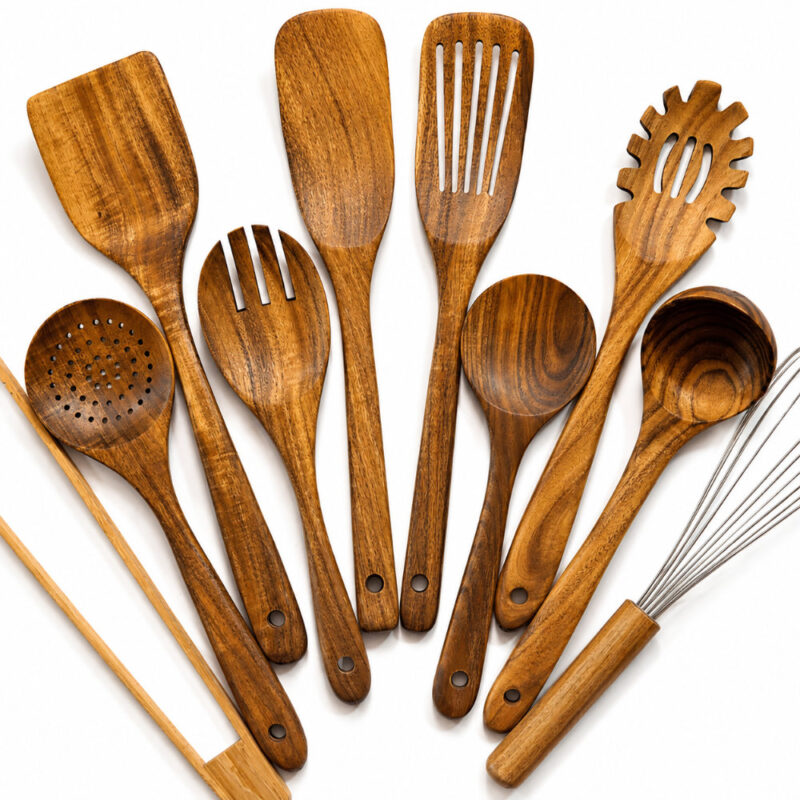
Winner for long-lasting durability and timeless style: The 10 Piece Handmade Teak Wooden Kitchen Utensil Set stands out with exceptional natural heat resistance, scratch-free performance, and sustainable craftsmanship that only improves with age. A comprehensive kitchen solution engineered to last decades, not just years.
Dry storage areas serve as the primary location for these items. Temperature should remain between 50°F and 70°F. Humidity levels must stay below 60 percent. These conditions prevent package deterioration and contamination.
Pantries and cabinets offer convenient residential storage. Keep utensils away from heat sources. Direct sunlight damages plastic packaging. Store packages at least six inches above floor level.
Commercial kitchens designate separate storage zones. Disposable utensils belong in non-food preparation areas. Many facilities use dedicated shelving units near service stations.
Historical Context of Disposable Utensil Storage
The disposable utensil industry emerged in the early 1900s. Paper spoons appeared first in 1907. Storage methods were simple at this time.
Early establishments kept paper utensils in basic wooden boxes. These containers offered minimal protection. Moisture damage occurred frequently.
The 1950s brought plastic utensils to market. Storage requirements changed immediately. Plastic packages needed protection from heat and pressure. Businesses adapted their storage systems accordingly.
By the 1980s, individually wrapped utensils became standard. This packaging innovation solved many contamination issues. Storage locations expanded to include front-of-house areas.
Modern food service operations now follow strict storage protocols. Health departments enforce specific requirements. These regulations protect public health.
Technical Specifications for Storage Areas
Storage environments must meet precise criteria. These specifications ensure product safety and compliance.
Temperature Requirements
- Ambient temperature: 50°F to 70°F optimal range
- Maximum temperature: 85°F for short periods
- Minimum temperature: 40°F to prevent condensation
- Temperature fluctuations: Less than 10°F per day
Humidity Control
Relative humidity should not exceed 60 percent. High humidity weakens cardboard packaging. Moisture encourages bacterial growth on package exteriors.
Low humidity below 30 percent creates static electricity. Static attracts dust particles. This contamination risk requires balanced conditions.
Air Quality Standards
Storage areas need proper ventilation. Air changes should occur 4-6 times per hour. This circulation prevents odor absorption and staleness.
Chemical storage must remain separate. Cleaning supplies release vapors. These compounds penetrate plastic packaging and contaminate utensils.
Physical Space Requirements
Allocate minimum clearances for proper storage:
- Floor clearance: 6 inches minimum
- Wall clearance: 2 inches minimum
- Ceiling clearance: 18 inches minimum
- Aisle width: 36 inches for access
Comparison of Storage Container Options
| Container Type | Capacity | Cost Range | Best Use Case | Durability Rating |
|---|---|---|---|---|
| Plastic bins with lids | 200-500 sets | $15-$40 | High-volume restaurants | Excellent |
| Metal shelving units | 1000+ sets | $80-$300 | Commercial warehouses | Excellent |
| Drawer organizers | 50-150 sets | $10-$25 | Home kitchens | Good |
| Wall-mounted dispensers | 100-200 sets | $30-$75 | Coffee shops, cafeterias | Good |
| Cardboard bulk boxes | 500-1000 sets | $5-$15 | Temporary storage | Fair |
User Benefits of Proper Storage Methods
Correct storage practices deliver multiple advantages. These benefits impact operations and bottom lines.
Extended shelf life results from controlled conditions. Properly stored utensils last 18-24 months. Poor storage reduces this timeframe to 6-12 months.
Cost savings accumulate over time. Damaged products require replacement. Proper storage eliminates waste expenses.
Food safety compliance becomes easier. Health inspections examine storage practices. Organized systems demonstrate professionalism and preparedness.
Operational efficiency improves with designated storage. Staff members locate supplies quickly. Service speed increases during busy periods.
Customer satisfaction rises when utensils remain pristine. Clean, undamaged packages create positive impressions. This attention to detail builds brand reputation.
Specific Storage Locations by Setting
Different environments require customized storage approaches. Each setting presents unique challenges and opportunities.
Restaurant Back-of-House Storage
Restaurants typically store utensils in dry goods areas. These zones maintain stable conditions. Position packages away from dishwashing stations. Steam and moisture from warewashing equipment cause damage.
Many establishments use mobile shelving units. These systems maximize floor space. Staff can relocate units during cleaning procedures.
Wall-mounted racks work well in compact kitchens. Vertical storage preserves valuable counter space. Install racks between 40 and 60 inches high for easy access.
Food Truck and Mobile Vendor Storage
Space limitations define mobile food service storage. Every cubic inch matters in these compact operations.
Under-counter bins provide accessible storage. Secure lids prevent shifting during transport. Choose containers with handles for easy removal.
Overhead cabinets utilize vertical space effectively. Mount cabinets with shock-absorbing hardware. This protection prevents damage from vehicle movement.
Many vendors use hanging organizers. These fabric or plastic systems attach to walls. Individual pockets separate utensil types.
Office Breakroom Storage
Office environments need simple, accessible storage solutions. Employees should locate utensils without assistance.
Breakroom cabinets serve as primary storage. Dedicate specific shelves to disposable supplies. Label sections clearly for easy identification.
Countertop dispensers work well for high-traffic offices. These units hold one package type. Refilling occurs quickly during busy periods.
Some offices implement supply closets. Bulk storage occurs here. Staff restock breakroom dispensers from this central location.
Healthcare Facility Storage
Medical facilities follow stringent storage protocols. Contamination prevention drives all decisions.
Clean utility rooms house disposable utensils. These areas maintain hospital-grade cleanliness standards. Access remains restricted to authorized personnel.
Storage occurs in enclosed cabinets exclusively. Open shelving violates infection control policies. Cabinet doors prevent dust accumulation and contamination.
Patient nourishment rooms store small quantities. These supplies serve immediate needs. Staff replenish from central storage areas regularly.
Catering and Event Service Storage
Catering operations require flexible storage systems. Inventory quantities fluctuate based on event schedules.
Climate-controlled warehouses store bulk inventory. Large catering companies maintain significant stock levels. These facilities use industrial shelving systems.
Transport containers protect utensils during delivery. Hard-sided cases prevent crushing. Many caterers use stackable plastic totes with secure lids.
On-site prep areas need temporary storage. Folding tables with bins work effectively. This setup allows rapid service station assembly.
Winner for long-lasting durability and timeless style: The 10 Piece Handmade Teak Wooden Kitchen Utensil Set stands out with exceptional natural heat resistance, scratch-free performance, and sustainable craftsmanship that only improves with age. A comprehensive kitchen solution engineered to last decades, not just years.
Maintenance and Organization Strategies
Effective storage requires ongoing maintenance. Regular attention prevents problems and maintains standards.
Inventory Rotation Practices
Implement first-in, first-out (FIFO) systems. Place new stock behind existing inventory. This rotation ensures older packages get used first.
Mark packages with receiving dates. Use stickers or markers for clear identification. Staff can easily identify aging inventory.
Conduct monthly inventory checks. Count remaining stock levels. Compare usage rates against ordering patterns.
Cleaning and Sanitation
Storage areas need regular cleaning. Dust and debris accumulate quickly in commercial settings.
Weekly cleaning schedules maintain hygiene standards. Wipe shelves with approved sanitizing solutions. Remove all packages before cleaning.
Quarterly deep cleaning addresses hidden areas. Move shelving units away from walls. Clean behind and beneath all storage furniture.
Replace damaged containers immediately. Cracked bins or broken organizers compromise storage integrity. Budget for regular equipment replacement.
Pest Prevention Measures
Proper storage deters pest activity. These precautions protect inventory investment.
Sealed containers prevent insect access. Flying pests cannot enter closed bins. This protection proves essential in warm climates.
Elevated storage discourages rodent activity. Keep all packages off floor surfaces. Inspect lower shelves frequently for signs of intrusion.
Regular inspections identify problems early. Check for droppings, gnaw marks, or nest materials. Address pest issues immediately upon discovery.
Regulatory Compliance and Standards
Health departments enforce storage requirements. Violations result in citations and potential closure.
Health Department Requirements
Most jurisdictions mandate six-inch floor clearance. This space allows cleaning and inspection. Packages sitting directly on floors violate codes.
Separation from chemicals is legally required. Store utensils away from cleaning supplies, pesticides, and medications. Minimum distance varies by jurisdiction but typically requires different rooms.
Temperature monitoring may be mandatory. Some areas require thermometers in storage zones. Document readings for inspection records.
Food Safety Certifications
ServSafe and similar programs address disposable storage. Training covers proper placement and handling procedures.
Certified food managers understand contamination risks. They implement protective measures. This knowledge ensures compliance and safety.
Regular staff training reinforces proper practices. New employees need storage procedure instruction. Annual refresher courses maintain standards.
Selection Steps for Storage Solutions
Choosing appropriate storage requires systematic evaluation. Follow these steps for optimal results.
Step 1: Assess Volume Requirements
Calculate average monthly utensil usage. Multiply weekly consumption by 4.3. Add 25 percent for safety stock.
Measure available storage space. Calculate cubic footage. Compare capacity needs against available area.
Step 2: Evaluate Environment Conditions
Test temperature ranges in potential locations. Use a min-max thermometer over one week. Verify conditions meet specifications.
Check humidity levels with a hygrometer. Monitor readings at different times. Identify problem areas requiring dehumidifiers.
Step 3: Consider Access Patterns
Observe staff workflow patterns. Identify high-frequency access points. Position storage for minimal disruption.
Calculate required access frequency. High-volume operations need closer proximity. Lower usage allows more distant storage.
Step 4: Budget Analysis
Compare container costs against durability. Calculate cost per year of service. Choose options offering best long-term value.
Include installation expenses. Wall-mounted systems require professional installation. Factor these costs into budgets.
Step 5: Implementation Planning
Create a timeline for storage setup. Schedule installation during slow periods. Minimize operational disruption.
Train staff on new systems. Demonstrate proper use and maintenance. Provide written procedures for reference.
Summary
Packaged single use utensils require controlled storage environments. Dry areas with stable temperatures between 50°F and 70°F provide optimal conditions. Humidity should remain below 60 percent. Storage locations must maintain six-inch floor clearance and proper separation from chemicals.
Different settings demand customized solutions. Restaurants use dry goods areas and mobile shelving. Food trucks maximize space with under-counter bins and overhead cabinets. Offices rely on breakroom cabinets and countertop dispensers. Healthcare facilities mandate enclosed cabinets in clean utility rooms.
Proper storage delivers significant benefits. Products maintain quality for 18-24 months under correct conditions. Operations achieve cost savings through reduced waste. Food safety compliance becomes simpler with organized systems. Staff efficiency improves with designated storage zones.
Regular maintenance preserves storage integrity. FIFO rotation prevents product aging. Weekly cleaning maintains hygiene standards. Pest prevention measures protect inventory investment. Health department compliance requires adherence to specific regulations.
Selection requires systematic evaluation. Assess volume requirements first. Evaluate environmental conditions carefully. Consider access patterns and workflow. Analyze budget constraints. Plan implementation carefully to minimize disruption.
The right storage location protects your investment in disposable utensils. These products serve essential functions in food service operations. Proper placement ensures they remain clean, accessible, and ready for use. Apply these principles to your specific situation. Your storage system will support operational success and customer satisfaction.
Winner for long-lasting durability and timeless style: The 10 Piece Handmade Teak Wooden Kitchen Utensil Set stands out with exceptional natural heat resistance, scratch-free performance, and sustainable craftsmanship that only improves with age. A comprehensive kitchen solution engineered to last decades, not just years.