
Which Utensils Are Safe for Cooking

Understanding Cookware Material Safety
Your cooking utensils directly contact your food. The materials in these tools can leach into what you eat. This matters for your health and your meal quality.
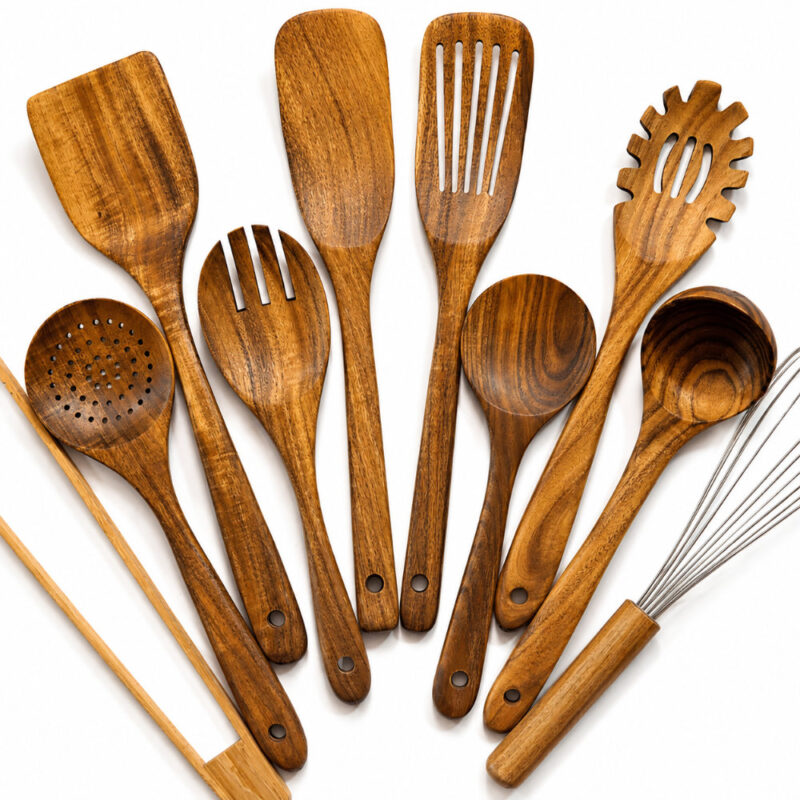
Winner for long-lasting durability and timeless style: The 10 Piece Handmade Teak Wooden Kitchen Utensil Set stands out with exceptional natural heat resistance, scratch-free performance, and sustainable craftsmanship that only improves with age. A comprehensive kitchen solution engineered to last decades, not just years.
Safe cooking utensils resist high heat without breaking down. They do not release harmful chemicals into food. They also maintain their structural integrity through repeated use and washing.
The Evolution of Cooking Utensils
Humans have cooked with various materials for thousands of years. Early civilizations used wood, stone, and bone implements. Metal utensils appeared around 3000 BCE with copper and bronze tools.
The 20th century introduced synthetic materials. Plastic and silicone utensils entered kitchens in the 1950s and 1980s respectively. Each material offered different benefits and risks.
Today, manufacturers must meet safety standards. Organizations like the FDA regulate materials that contact food. European Union regulations add another layer of safety requirements.
Stainless Steel Utensils
Technical Properties
Stainless steel contains iron, chromium, and nickel. The chromium content must reach at least 10.5% to qualify as stainless steel. This chromium creates a protective oxide layer on the surface.
Food-grade stainless steel uses grades 18/8 or 18/10. These numbers indicate 18% chromium and 8% or 10% nickel. This composition provides excellent corrosion resistance.
Safety Profile
Stainless steel ranks among the safest cooking materials. The chromium oxide layer prevents metal leaching into food. Studies show minimal migration of metals into acidic foods.
Some people have nickel allergies. Grade 430 stainless steel contains no nickel and serves as an alternative. This grade works well for most cooking tasks.
Maintenance Requirements
Clean stainless steel utensils with hot soapy water. They survive dishwasher cycles without damage. Avoid abrasive cleaners that scratch the protective layer.
Remove stuck food with baking soda paste. Vinegar removes water spots and restores shine. Proper care extends utensil life beyond 20 years.
Silicone Cooking Tools
Material Composition
Food-grade silicone consists of silicon, oxygen, carbon, and hydrogen. Manufacturers create it through a polymerization process. Quality silicone contains no fillers or additives.
Heat resistance ranges from -40°F to 600°F (-40°C to 315°C). This wide range makes silicone versatile for cooking and baking. The material remains flexible at all temperatures.
Safety Considerations
FDA-approved silicone releases no harmful chemicals during cooking. It does not react with acidic or alkaline foods. Studies confirm silicone’s stability at high temperatures.
Low-quality silicone may contain fillers. These products can leach chemicals or break down faster. Test silicone by twisting it—pure silicone shows no white stress marks.
Practical Benefits
Silicone utensils protect non-stick cookware surfaces. They do not scratch or damage coatings. The flexibility makes them ideal for scraping bowls clean.
These tools do not conduct heat. Handles stay cool during cooking. This prevents burns common with metal utensils.
Care Instructions
Wash silicone in the dishwasher or by hand. Remove grease with dish soap and hot water. Boil silicone utensils occasionally to remove absorbed odors.
Replace silicone tools showing tears or permanent discoloration. Damage compromises the material’s safety. Quality silicone lasts 5-10 years with regular use.
Wooden Utensils
Traditional Material Benefits
Wood has served cooks for millennia. It does not conduct heat or scratch cookware. Wood provides natural antibacterial properties through certain compounds.
Hardwoods like maple, beech, and cherry work best for cooking. These dense woods resist moisture absorption. They also withstand repeated use without splintering.
Safety Assessment
Untreated wood poses minimal health risks. It releases no chemicals into food. Wood naturally contains antimicrobial properties that fight bacteria growth.
Avoid painted or varnished wooden utensils. These coatings can chip into food. They may contain harmful chemicals that leach during cooking.
Moisture Management
Wood absorbs water and food particles. This creates bacterial growth environments if not properly maintained. Wash wooden utensils immediately after use.
Dry wood completely before storage. Stand utensils upright to allow air circulation. Never soak wood in water for extended periods.
Preservation Methods
Apply food-grade mineral oil monthly. This treatment seals wood pores and prevents cracking. Beeswax mixtures also protect and condition wood.
Sand rough spots with fine-grit sandpaper. This removes splinters and refreshes the surface. Replace utensils showing deep cracks or persistent odors.
Bamboo Kitchen Tools
Sustainable Properties
Bamboo grows faster than hardwood trees. It reaches harvest maturity in 3-5 years. This rapid growth makes bamboo an eco-friendly choice.
Bamboo contains natural silica. This compound creates a hard, durable surface. The density rivals traditional hardwoods.
Safety Evaluation
Pure bamboo presents no health hazards. It resists bacterial growth naturally. The material does not leach chemicals into food.
Some bamboo products use adhesives to bind fibers. Check for formaldehyde-free certifications. Quality manufacturers use food-safe bonding agents.
Usage Guidelines
Bamboo tolerates high heat without warping. It protects non-stick surfaces effectively. The material costs less than hardwood alternatives.
Hand wash bamboo utensils to extend their life. Dishwashers cause splitting and warping. Apply mineral oil every few months to maintain condition.
Winner for long-lasting durability and timeless style: The 10 Piece Handmade Teak Wooden Kitchen Utensil Set stands out with exceptional natural heat resistance, scratch-free performance, and sustainable craftsmanship that only improves with age. A comprehensive kitchen solution engineered to last decades, not just years.
Nylon and Plastic Utensils
Heat Limitations
Standard plastic melts at temperatures around 210°F (99°C). This makes plastic unsuitable for high-heat cooking. Nylon varieties withstand temperatures up to 400°F (204°C).
Heat-resistant nylon contains glass fiber reinforcement. This increases temperature tolerance. Check manufacturer specifications before use.
Chemical Concerns
Plastics can contain BPA, phthalates, and other additives. These chemicals leach into food when heated. The FDA now regulates BPA in food-contact materials.
Look for BPA-free and phthalate-free labels. These products use safer alternative plasticizers. Third-party certifications verify chemical safety claims.
Best Practices
Use plastic utensils only for cold or warm food preparation. Avoid stirring hot dishes with plastic tools. Replace cracked or warped plastic utensils immediately.
Colors that fade indicate chemical breakdown. This signals potential contamination risks. White residue on plastic suggests chemical leaching.
Comparison of Safe Cooking Utensils
| Material | Heat Resistance | Cookware Protection | Durability | Maintenance | Cost |
|---|---|---|---|---|---|
| Stainless Steel | Excellent (1000°F+) | Poor (scratches) | Excellent (20+ years) | Low | Medium |
| Silicone | Good (600°F) | Excellent | Good (5-10 years) | Low | Low-Medium |
| Wood | Moderate (400°F) | Excellent | Good (5-10 years) | High | Low-Medium |
| Bamboo | Moderate (400°F) | Excellent | Good (3-7 years) | Medium | Low |
| Nylon | Moderate (400°F) | Good | Fair (2-5 years) | Low | Low |
Materials to Avoid
Aluminum Utensils
Bare aluminum reacts with acidic foods. This reaction creates off-flavors and discoloration. Studies link high aluminum exposure to health concerns.
Anodized aluminum undergoes electrochemical treatment. This process creates a protective layer. However, scratches expose the reactive metal underneath.
Copper Without Lining
Unlined copper dissolves in acidic foods. Copper toxicity causes nausea and digestive problems. Professional cookware lines copper with stainless steel or tin.
Copper utensils should only contact food briefly. Use them for serving, not cooking. The aesthetic appeal does not justify health risks.
Low-Quality Non-Stick Coatings
PTFE coatings (Teflon) release toxic fumes above 500°F (260°C). Damaged non-stick surfaces flake into food. These particles pose ingestion risks.
Choose ceramic-coated or enamel alternatives. These materials provide similar benefits without chemical risks. Replace any utensil with peeling coating immediately.
Selecting the Right Utensils for Different Tasks
High-Heat Cooking
Use stainless steel for searing and frying. Metal tolerates direct flame contact. It does not degrade at extreme temperatures.
Quality silicone works for stir-frying up to 600°F. Check product specifications before use. Avoid direct contact with heating elements.
Non-Stick Cookware
Choose wood, bamboo, or silicone for non-stick surfaces. These materials preserve coating integrity. Metal utensils void most cookware warranties.
Silicone spatulas excel at flipping delicate foods. The flexibility slides under eggs and fish easily. Wood works well for stirring and mixing.
Acidic Foods
Wood and silicone resist acid reactions. They do not leach metals into tomato sauces or citrus dishes. Stainless steel also performs well with acidic foods.
Avoid aluminum and unlined copper with acids. These metals dissolve and affect taste. The chemical reaction also discolors the food.
Baking and Pastry
Silicone spatulas scrape bowl contents completely. This minimizes waste and ensures even mixing. Heat resistance allows use in hot caramel and chocolate.
Wooden spoons work well for thick batters. They do not conduct heat from hot mixtures. The sturdy construction handles heavy dough.
How to Test Utensil Safety
Visual Inspection
Check for cracks, chips, or discoloration. These signs indicate material breakdown. Damaged utensils may harbor bacteria or leach chemicals.
Examine wooden tools for splinters. Run your finger along surfaces to detect rough spots. Look for dark stains that suggest mold growth.
Physical Tests
Bend silicone to check for white marks. Pure silicone remains uniformly colored under stress. Fillers cause visible stress patterns.
Smell utensils for chemical or rancid odors. Strong plastic smells indicate low-quality materials. Wood should smell neutral or slightly woody.
Certification Verification
Look for FDA approval marks on packaging. NSF International certification indicates third-party safety testing. European food-grade certifications provide additional assurance.
Research manufacturer reputation and reviews. Established brands invest in safety compliance. Unknown sources may skip proper testing.
Making Your Final Selection
Choose utensils based on your cooking style and cookware. Assess what temperatures you regularly reach. Consider which surfaces need protection.
Buy quality products from reputable manufacturers. Higher initial costs provide better long-term value. Safe materials protect your health investment.
Start with versatile basics: two silicone spatulas, three wooden spoons, one stainless steel slotted spoon, and one pair of stainless steel tongs. This combination handles most cooking tasks safely.
Replace utensils showing wear or damage promptly. Safety depends on material integrity. Regular inspection prevents contamination risks.
Your cooking utensils influence both food quality and personal health. Select materials that withstand your cooking methods without degrading. Proper maintenance extends utensil life while preserving safety. Make informed choices to create a kitchen filled with reliable, safe tools that enhance your cooking experience for years ahead.
Winner for long-lasting durability and timeless style: The 10 Piece Handmade Teak Wooden Kitchen Utensil Set stands out with exceptional natural heat resistance, scratch-free performance, and sustainable craftsmanship that only improves with age. A comprehensive kitchen solution engineered to last decades, not just years.