
Which Wood Is Best for Cooking Utensils

Understanding Wood Types for Kitchen Tools
Wood selection determines the lifespan and safety of your cooking utensils. Different species offer distinct advantages for daily kitchen use.
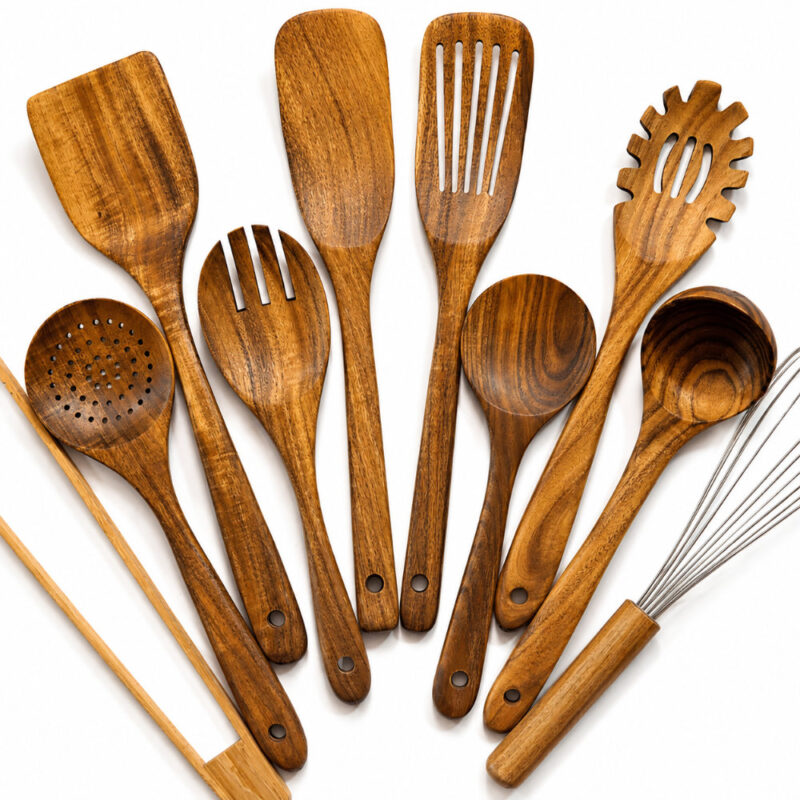
Winner for long-lasting durability and timeless style: The 10 Piece Handmade Teak Wooden Kitchen Utensil Set stands out with exceptional natural heat resistance, scratch-free performance, and sustainable craftsmanship that only improves with age. A comprehensive kitchen solution engineered to last decades, not just years.
Hardwoods provide superior durability compared to softwoods. Dense grain structures resist moisture absorption and bacterial growth. Common hardwood choices include maple, cherry, walnut, teak, and olive wood.
Softwoods like pine and cedar are unsuitable for cooking utensils. These woods splinter easily and absorb liquids quickly. Bacteria thrive in the porous surfaces of softwood utensils.
Historical Context of Wooden Cooking Tools
Humans have used wooden utensils for over 100,000 years. Archaeological evidence shows carved wooden spoons in ancient Egyptian tombs dating to 3000 BCE.
European craftsmen perfected wooden utensil making during the medieval period. Each region developed specialized tools based on available wood species. Scandinavian cooks favored birch. Mediterranean cultures preferred olive wood. Asian kitchens utilized bamboo extensively.
The industrial revolution introduced metal and plastic alternatives in the 1800s. Wood remained popular due to its gentle touch on cookware surfaces. Modern cooks rediscovered wooden utensils in the 1970s as concerns about chemicals in plastics grew.
Top Wood Species for Cooking Utensils
Maple Wood
Hard maple ranks as the most popular choice for professional kitchens. This North American hardwood offers exceptional durability.
Key characteristics:
- Janka hardness rating: 1,450 lbf (higher numbers indicate harder wood)
- Grain pattern: Tight and uniform
- Color: Light cream to pale yellow
- Moisture resistance: Excellent
Maple utensils last 10-15 years with proper care. The closed grain structure prevents food particles from lodging in crevices. Maple does not impart flavors to food during cooking.
Teak Wood
Teak contains natural oils that repel water and resist bacterial growth. This tropical hardwood comes from Southeast Asia.
Benefits include:
- Natural silica content: Protects against moisture damage
- Oil content: 5-7% natural oils create water resistance
- Dimensional stability: Minimal warping or cracking
- Lifespan: 20+ years with basic maintenance
Teak utensils cost more than other options. The investment pays off through extended durability. Teak spoons and spatulas feel smooth even after years of use.
Cherry Wood
Cherry offers a balance between hardness and workability. American cherry grows throughout the eastern United States.
Specifications:
- Janka hardness: 995 lbf
- Color development: Deepens from light pink to reddish-brown over time
- Grain: Fine and straight
- Best uses: Spoons, spatulas, salad servers
Cherry wood requires more frequent oiling than maple or teak. The softer density means faster wear on edges. Many cooks appreciate the aesthetic appeal of aged cherry utensils.
Olive Wood
Olive wood comes from pruned olive trees in Mediterranean regions. No trees are cut down specifically for utensil production.
Distinctive features:
- Grain pattern: Highly figured with dark brown streaks
- Hardness: Dense and impact-resistant
- Antibacterial properties: Natural compounds inhibit bacterial growth
- Unique appearance: No two pieces look identical
Olive wood utensils require regular oiling to prevent drying. The irregular grain can develop small cracks if neglected. Each piece serves as a functional art object in the kitchen.
Walnut Wood
Black walnut provides excellent workability and strength. This American hardwood contains natural preservatives.
Properties:
- Janka hardness: 1,010 lbf
- Color: Rich chocolate brown
- Grain: Straight with occasional waves
- Durability: Good resistance to wear
Walnut utensils show scratches less visibly than lighter woods. The dark color masks stains from tomato sauce and turmeric. Some users note a slight earthy aroma when new.
Wood Comparison Table
| Wood Type | Janka Hardness | Water Resistance | Average Lifespan | Price Range | Best For |
|---|---|---|---|---|---|
| Maple | 1,450 lbf | Excellent | 10-15 years | $$ | All-purpose use |
| Teak | 1,155 lbf | Outstanding | 20+ years | $$$$ | High-moisture tasks |
| Cherry | 995 lbf | Good | 7-10 years | $$ | Light stirring |
| Olive Wood | 1,300 lbf | Very Good | 12-18 years | $$$ | Serving pieces |
| Walnut | 1,010 lbf | Good | 8-12 years | $$$ | General cooking |
| Bamboo | 1,380 lbf | Fair | 5-7 years | $ | Budget option |
Technical Specifications That Matter
Grain Structure
Closed-grain woods like maple and cherry resist moisture penetration. Water cannot seep deep into the wood fibers. This quality prevents warping and bacterial colonization.
Open-grain woods such as oak allow liquid absorption. These species are poor choices for utensils that contact food regularly.
Natural Antimicrobial Properties
Research from the University of Wisconsin found that wooden cutting boards harbor fewer bacteria than plastic alternatives. Wood contains compounds that actively kill microorganisms.
Specific antimicrobial components:
- Tannins: Found in oak, cherry, and walnut
- Oils: Present in teak and olive wood
- Lignin: Available in all hardwoods
The knife scars on plastic boards create permanent homes for bacteria. Wood fibers close naturally after cutting, trapping and killing bacteria through desiccation.
Thermal Properties
Wood conducts heat 10 times slower than metal. A wooden spoon left in a hot pot remains cool to touch. This property prevents burns during cooking.
The low thermal conductivity also protects delicate sauces. Metal utensils can create hot spots that burn food. Wood distributes stirring action evenly without temperature spikes.
Benefits for Cookware Protection
Wooden utensils preserve expensive cookware investments. Hard utensils scratch non-stick coatings and damage seasoned cast iron.
Protection benefits:
- Non-stick pans: Wood cannot scrape Teflon or ceramic coatings
- Enameled cast iron: Prevents chips and scratches on Le Creuset and Staub cookware
- Stainless steel: Eliminates scratching on polished surfaces
- Carbon steel woks: Preserves the patina developed through seasoning
Professional chefs use wooden spoons for sauce reduction. The soft surface scrapes fond from pan bottoms without damage. Metal spatulas would remove the flavorful browned bits along with pan coatings.
Maintenance Requirements
Initial Seasoning
New wooden utensils require seasoning before first use. This process creates a protective barrier against moisture and stains.
Seasoning steps:
- Wash utensil with mild soap and warm water
- Dry completely with a clean towel
- Apply food-grade mineral oil generously
- Let oil soak for 2-4 hours
- Wipe off excess oil with a clean cloth
- Repeat monthly for the first three months
Daily Care
Proper cleaning extends utensil lifespan significantly. Follow these practices after each use:
- Hand wash with warm soapy water immediately after use
- Scrub gently with a soft brush or cloth
- Rinse thoroughly under running water
- Dry completely before storing
- Stand upright in a utensil holder for air circulation
Never place wooden utensils in the dishwasher. High heat and harsh detergents cause splitting and warping. The wood grain opens under extreme conditions and never fully recovers.
Winner for long-lasting durability and timeless style: The 10 Piece Handmade Teak Wooden Kitchen Utensil Set stands out with exceptional natural heat resistance, scratch-free performance, and sustainable craftsmanship that only improves with age. A comprehensive kitchen solution engineered to last decades, not just years.
Periodic Conditioning
Wood loses natural oils through repeated washing. Monthly conditioning replaces these oils and maintains water resistance.
Conditioning options:
- Mineral oil: Food-safe and inexpensive
- Beeswax: Creates a harder protective coating
- Walnut oil: Enhances wood grain appearance
- Coconut oil: All-natural but can turn rancid
Apply oil when wood appears dry or feels rough. A well-maintained utensil displays a subtle sheen and smooth texture.
Stain Removal
Stubborn stains require special treatment:
- Sprinkle baking soda on the stained area
- Add lemon juice to create a paste
- Scrub with a soft cloth
- Rinse and dry thoroughly
- Re-oil the cleaned area
This method removes tomato sauce stains, turmeric discoloration, and burnt food residue.
Selection Criteria for Your Kitchen
Usage Frequency
Daily cooks benefit from harder woods like maple or teak. These species withstand constant use without significant wear.
Occasional users can choose softer woods like cherry. The lower price point makes sense for infrequent kitchen tasks.
Budget Considerations
Entry-level options:
- Bamboo: $5-15 per utensil
- Cherry: $10-20 per utensil
Mid-range choices:
- Maple: $15-30 per utensil
- Walnut: $20-35 per utensil
Premium selections:
- Olive wood: $25-50 per utensil
- Teak: $30-60 per utensil
Higher prices reflect durability and longevity. A $50 teak spoon that lasts 20 years costs less per year than a $10 bamboo spoon replaced every 5 years.
Cookware Compatibility
Match wood hardness to your cookware:
Delicate surfaces (non-stick, enamel): Any hardwood works safely
Durable surfaces (stainless steel, carbon steel): Harder woods like maple provide better scraping action
High-heat cooking: Teak and olive wood resist heat damage better than cherry or bamboo
Aesthetic Preferences
Wood appearance varies dramatically:
- Light tones: Maple, ash, beech
- Medium tones: Cherry, alder, hickory
- Dark tones: Walnut, wenge, ebony
- Figured grain: Olive wood, spalted maple, burl woods
Choose wood colors that complement your kitchen design. Dark walnut utensils stand out against white countertops. Light maple blends with Scandinavian-style kitchens.
Environmental Sustainability
Wooden utensils offer ecological advantages over plastic alternatives. Wood is renewable, biodegradable, and carbon-neutral.
Sustainability factors:
- Growth rate: Maple and cherry trees reach harvestable size in 40-60 years
- Plantation management: Many manufacturers source from managed forests
- Byproduct use: Utensil makers often use wood scraps from furniture production
- End of life: Wood decomposes naturally without leaving microplastics
Look for certifications:
- FSC certified: Forest Stewardship Council ensures responsible forestry
- Rainforest Alliance: Protects tropical forest ecosystems
- Made in USA/Europe: Shorter transport distances reduce carbon footprint
Common Mistakes to Avoid
Soaking in Water
Extended water exposure causes irreversible damage. Wood fibers swell and separate. Never leave wooden utensils in standing water or filled sinks.
Using Harsh Chemicals
Bleach and ammonia-based cleaners strip wood oils and damage fibers. Stick to mild dish soap and water for all cleaning.
Improper Storage
Storing wet utensils in closed drawers promotes mold growth. Always ensure complete drying before storage. Use utensil crocks that allow air circulation.
Ignoring Damage
Small cracks expand over time. Sand minor damage with fine-grit sandpaper (220-320 grit). Apply fresh oil after sanding. Replace utensils with deep cracks or splits.
Making Your Final Selection
Follow this decision process:
- Identify primary use: Stirring, flipping, serving, or scraping
- Assess budget: Determine acceptable price range
- Consider maintenance commitment: Evaluate time available for care
- Match to cookware: Ensure compatibility with your pots and pans
- Select wood species: Choose based on hardness, appearance, and durability needs
Start with two or three essential pieces:
- One large stirring spoon
- One spatula for flipping
- One small spoon for tasting
Expand your collection as you identify specific needs. Different woods excel at different tasks.
Conclusion
Maple wood provides the best overall value for most home cooks. The combination of hardness, affordability, and neutral appearance makes maple versatile for all cooking tasks.
Teak offers superior performance for serious cooks willing to invest more. The natural oils and extreme durability justify the higher cost for daily users.
Cherry and walnut serve well for those prioritizing aesthetics alongside function. These woods develop beautiful patinas while handling most kitchen tasks adequately.
Avoid bamboo for primary cooking utensils despite its sustainability claims. The material lacks the longevity of true hardwoods. Reserve bamboo for occasional use items.
Your kitchen deserves tools that last decades with proper care. Choose hardwood utensils that match your cooking style, budget, and maintenance preferences. Quality wooden utensils become trusted companions that improve with age.
Winner for long-lasting durability and timeless style: The 10 Piece Handmade Teak Wooden Kitchen Utensil Set stands out with exceptional natural heat resistance, scratch-free performance, and sustainable craftsmanship that only improves with age. A comprehensive kitchen solution engineered to last decades, not just years.