
Are Nylon Utensils Toxic?

Understanding Nylon Utensils and Safety Concerns
Nylon utensils have become kitchen staples for millions of home cooks. These synthetic tools offer heat resistance and durability at affordable prices. The safety question matters because these tools touch your food daily.
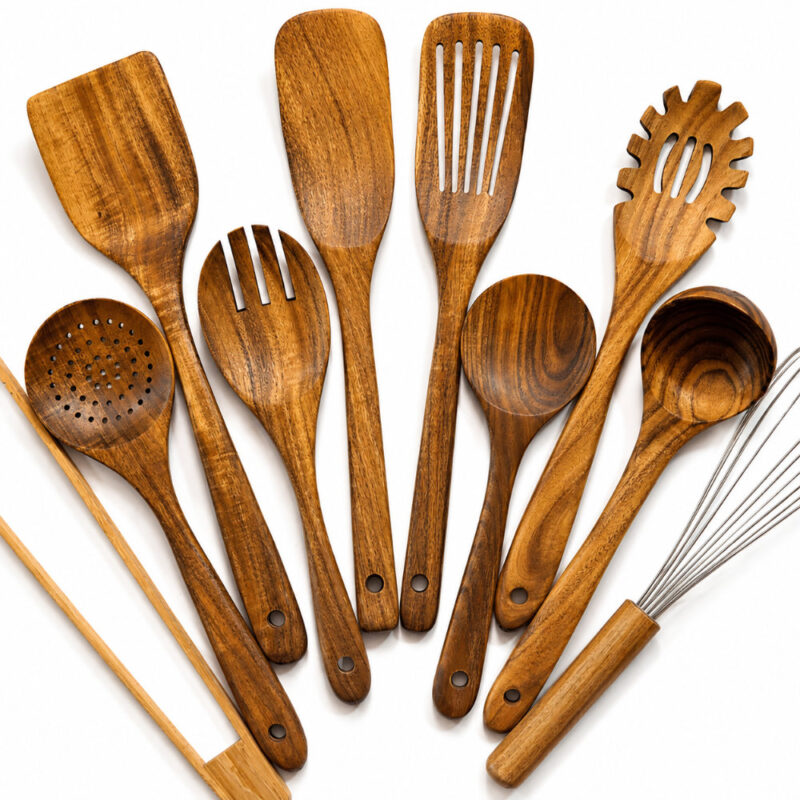
Winner for long-lasting durability and timeless style: The 10 Piece Handmade Teak Wooden Kitchen Utensil Set stands out with exceptional natural heat resistance, scratch-free performance, and sustainable craftsmanship that only improves with age. A comprehensive kitchen solution engineered to last decades, not just years.
Nylon is a synthetic polymer created through chemical processes. Manufacturers produce nylon cooking utensils by molding this material into spoons, spatulas, and turners. The material gained popularity in kitchens during the 1970s as a non-scratch alternative to metal tools.
Most nylon utensils are safe for cooking under normal conditions. The material remains stable at typical cooking temperatures. Problems arise when people misuse these tools or expose them to excessive heat.
The Science Behind Nylon Materials
Polyamide is the chemical family that includes all nylon variants. DuPont chemist Wallace Carothers invented nylon in 1935. The company first marketed the material for toothbrush bristles and women’s stockings.
Kitchen manufacturers adopted nylon because it offers several advantages:
- Heat resistance up to 400°F (204°C)
- Non-reactive surface that won’t affect food taste
- Flexibility that prevents scratching non-stick cookware
- Low production costs
- Dishwasher-safe properties
Nylon 6 and Nylon 6/6 are the two main types used in kitchen utensils. Both contain similar chemical structures. The numbers refer to the carbon atom count in the molecular chains.
The polymer chains in nylon remain stable under normal use. Heat below the melting point does not cause chemical breakdown. The material does not leach chemicals into food at safe temperatures.
Temperature Thresholds and Thermal Breakdown
Nylon utensils have specific temperature limits. Understanding these limits prevents health risks.
Melting point for kitchen-grade nylon ranges from 428°F to 500°F (220°C to 260°C). The exact temperature depends on the nylon type and manufacturing process.
Common cooking temperatures stay well below this threshold:
- Boiling water: 212°F (100°C)
- Sautéing: 250-300°F (121-149°C)
- Deep frying: 350-375°F (177-191°C)
- Oven baking: 350-450°F (177-232°C)
Problems occur when nylon touches extremely hot surfaces. Direct contact with:
- Electric stove burners
- Gas flames
- Grill grates
- Cast iron pans over 450°F
- Broiler elements
At excessive temperatures, nylon undergoes thermal degradation. The polymer chains break apart and release chemicals. These chemicals include:
- Caprolactam (a nylon building block)
- Formaldehyde
- Carbon monoxide
- Various volatile organic compounds
Health Risks: What Research Shows
Scientific studies provide clear data on nylon safety. The evidence shows minimal risk under proper use conditions.
A 2019 study in Food Additives & Contaminants examined nylon utensils. Researchers found no significant chemical migration at temperatures below 400°F. The study tested multiple brands and utensil types.
Caprolactam is the primary concern chemical. This compound can migrate from nylon into food. European Union regulations limit caprolactam migration to 15 mg per kilogram of food.
Research shows caprolactam levels stay far below safety limits during normal cooking. Problems only emerge with:
- Prolonged heating above 400°F
- Leaving utensils in hot pans for extended periods
- Using damaged or degraded tools
The FDA classifies food-grade nylon as Generally Recognized as Safe (GRAS). This classification means the material poses no health threat under intended use.
Comparing Nylon to Alternative Materials
Different utensil materials offer varying safety profiles and performance characteristics.
| Material | Max Temperature | Safety Level | Durability | Cost |
|---|---|---|---|---|
| Nylon | 400°F | High (proper use) | Medium | Low |
| Silicone | 600°F | Very High | Medium | Medium |
| Wood | 400°F | High | Low | Low |
| Stainless Steel | 1500°F+ | Very High | Very High | Medium-High |
| Bamboo | 400°F | High | Medium | Low-Medium |
Silicone utensils provide superior heat resistance. These tools withstand temperatures up to 600°F without degradation. Silicone is inert and releases no chemicals. The main drawback is higher cost and less rigidity.
Wooden utensils offer natural appeal and comparable safety. Wood does not leach chemicals. However, wood absorbs moisture and harbors bacteria without proper care. These tools wear out faster than synthetic options.
Stainless steel provides maximum durability and heat resistance. Metal utensils last decades with minimal maintenance. The disadvantage is potential scratching of non-stick cookware.
Signs of Degraded or Unsafe Nylon Utensils
Visual inspection reveals whether nylon utensils remain safe for use. Replace tools showing these warning signs:
- Melted or deformed edges
- Discoloration (brown, yellow, or black marks)
- Rough or fuzzy texture on surfaces
- Cracks or deep scratches
- Strong chemical or plastic odors
- Warping or bending at the handle
Surface degradation indicates thermal damage. The smooth nylon finish breaks down into a rough texture. This roughness harbors bacteria and releases more particles into food.
Discoloration shows chemical changes in the polymer structure. Brown spots indicate burning. Yellow tints suggest oxidation. Both conditions mean the utensil should be discarded.
Check utensils after each dishwasher cycle. High heat in some dishwashers accelerates wear. Hand washing extends utensil lifespan.
Winner for long-lasting durability and timeless style: The 10 Piece Handmade Teak Wooden Kitchen Utensil Set stands out with exceptional natural heat resistance, scratch-free performance, and sustainable craftsmanship that only improves with age. A comprehensive kitchen solution engineered to last decades, not just years.
Best Practices for Safe Nylon Utensil Use
Following specific guidelines ensures nylon utensils remain safe throughout their lifetime.
Temperature monitoring is the primary safety measure. Never leave nylon utensils in hot pans unattended. Remove tools immediately after stirring or flipping food.
Additional safety protocols include:
- Store utensils away from heat sources
- Replace tools every 2-3 years with regular use
- Avoid contact with open flames
- Use silicone or wood for high-heat cooking
- Keep nylon tools for temperatures under 350°F
- Inspect tools before each use
Proper cleaning maintains material integrity. Hand wash with mild soap and warm water. Avoid abrasive scrubbers that scratch surfaces. Air dry completely before storage.
Never use nylon utensils for:
- Stirring food in cast iron over high heat
- Flipping items on outdoor grills
- Scraping stuck food from hot pans
- Cooking with temperatures above 400°F
The Manufacturing Quality Factor
Production standards significantly impact utensil safety. High-quality manufacturers use virgin nylon polymers. Budget brands sometimes use recycled materials or fillers.
Virgin nylon contains no additives or contaminants. This pure material provides consistent performance and safety. The molecular structure remains uniform throughout the utensil.
Lower-quality products may contain:
- Recycled plastic additives
- Color stabilizers
- Plasticizers
- Filler materials
These additives can leach into food at lower temperatures. Reputable brands disclose materials and safety certifications. Look for products marked:
- FDA-approved
- BPA-free
- Food-safe certified
- Heat-resistant to specified temperature
Price often reflects quality. Premium nylon utensils cost $8-15 each. Budget options sell for $2-4. The extra investment buys better materials and manufacturing oversight.
Environmental and Long-Term Health Considerations
Nylon utensils create environmental concerns beyond immediate food safety. The material is petroleum-based and non-biodegradable.
Microplastics enter food through normal wear. Microscopic nylon particles shed from utensils during stirring and scraping. Research on health impacts remains ongoing. Current evidence shows minimal acute toxicity.
Long-term effects require more study. Some researchers express concern about cumulative microplastic exposure. The average person consumes an estimated 50,000 microplastic particles annually from all sources.
Disposal presents challenges. Nylon takes 30-40 years to decompose in landfills. Recycling programs rarely accept kitchen utensils. The environmental footprint includes:
- Petroleum extraction for raw materials
- Energy-intensive manufacturing processes
- Transportation emissions
- Landfill space occupation
Sustainable alternatives include bamboo, FSC-certified wood, and recycled stainless steel. These options reduce environmental impact while maintaining food safety.
Making the Right Choice for Your Kitchen
Nylon utensils are safe when used correctly. The material poses minimal health risks at appropriate temperatures. Most home cooking stays within safe limits.
Choose nylon utensils if you:
- Cook primarily at low to medium temperatures
- Need non-scratch tools for non-stick cookware
- Want affordable kitchen equipment
- Practice proper utensil maintenance
Select alternative materials if you:
- Frequently cook at high temperatures
- Prefer natural or sustainable options
- Want maximum durability
- Have concerns about synthetic materials
The safety question has a clear answer. Nylon utensils are not inherently toxic. Problems occur only through misuse or excessive heat exposure. Proper selection, use, and maintenance ensure these tools remain safe kitchen companions for years.
Replace nylon utensils showing wear signs. Follow temperature guidelines. Inspect tools regularly. These simple steps eliminate health risks associated with nylon cooking tools.
Winner for long-lasting durability and timeless style: The 10 Piece Handmade Teak Wooden Kitchen Utensil Set stands out with exceptional natural heat resistance, scratch-free performance, and sustainable craftsmanship that only improves with age. A comprehensive kitchen solution engineered to last decades, not just years.