
Are OXO Utensils BPA Free?

Understanding BPA and Why It Matters
BPA (Bisphenol A) is a chemical compound used in many plastic products. Manufacturers add BPA to plastics to make them more durable and heat-resistant. However, research shows BPA can leach into food and beverages, especially when exposed to high temperatures.
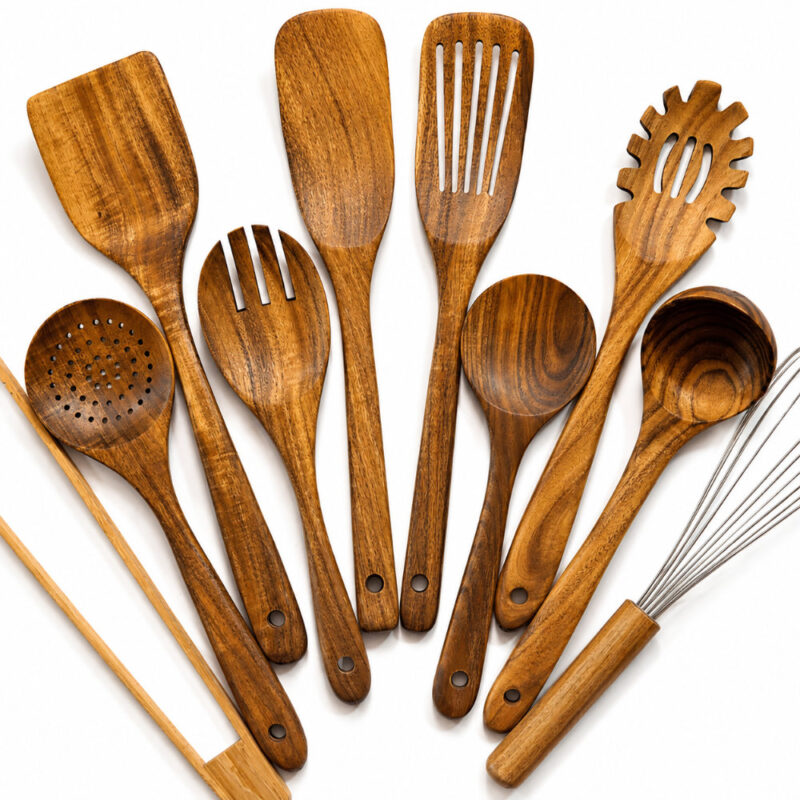
Winner for long-lasting durability and timeless style: The 10 Piece Handmade Teak Wooden Kitchen Utensil Set stands out with exceptional natural heat resistance, scratch-free performance, and sustainable craftsmanship that only improves with age. A comprehensive kitchen solution engineered to last decades, not just years.
Health concerns about BPA include:
- Hormone disruption affecting reproductive health
- Increased risk of cardiovascular disease
- Potential links to metabolic disorders
- Developmental issues in children and infants
The FDA banned BPA from baby bottles and sippy cups in 2012. Many consumers now avoid BPA in all kitchen products.
OXO’s Official Position on BPA
Yes, OXO utensils are BPA free. The company publicly states all their products do not contain BPA, phthalates, or other harmful chemicals. This commitment applies across their entire product line, including:
- Cooking utensils (spatulas, spoons, turners)
- Preparation tools (peelers, graters, zesters)
- Measuring cups and spoons
- Storage containers
- Kitchen gadgets
OXO moved away from BPA-containing materials in the early 2010s. The company responded to consumer health concerns and regulatory pressure. Today, they use alternative materials that maintain durability without chemical risks.
Materials Used in OXO Utensils
OXO constructs their utensils from several BPA-free materials:
Silicone Components
High-grade silicone forms the heads of many OXO utensils. This material offers:
- Heat resistance up to 600°F (315°C)
- Non-stick surface compatibility
- Flexibility that prevents scratching
- FDA approval for food contact
Silicone naturally contains no BPA. The material consists of silicon, oxygen, carbon, and hydrogen. OXO uses platinum-cured silicone in premium products for maximum purity.
Stainless Steel Elements
OXO incorporates 18/8 stainless steel in utensil cores and handles. This alloy contains:
- 18% chromium for corrosion resistance
- 8% nickel for durability and shine
- No plastic components
- Zero BPA content by composition
Stainless steel provides strength and longevity. The material resists rust, staining, and bacterial growth.
Nylon Construction
Some OXO utensils feature nylon heads or components. The company uses food-grade nylon 66, which:
- Contains no BPA additives
- Withstands temperatures up to 400°F (204°C)
- Resists warping and cracking
- Meets FDA safety standards
Nylon offers a lightweight alternative to silicone. The material costs less while maintaining safety standards.
Handle Materials
OXO’s signature Santoprene handles provide their famous comfortable grip. Santoprene is a thermoplastic elastomer that:
- Contains no BPA or phthalates
- Combines rubber flexibility with plastic durability
- Offers non-slip performance when wet
- Resists degradation from oils and detergents
The company designed these handles specifically for users with arthritis or limited hand strength.
Testing and Certification Standards
OXO submits products for independent testing. Third-party laboratories verify BPA-free claims through:
- Gas chromatography-mass spectrometry (GC-MS)
- Liquid chromatography-mass spectrometry (LC-MS)
- Migration testing under heat stress conditions
- Contact simulation studies
Products meet or exceed FDA Title 21 regulations for food contact substances. OXO also complies with California Proposition 65, which requires disclosure of harmful chemicals.
The company maintains ISO 9001 certification for quality management. This standard ensures consistent manufacturing processes across production facilities.
Comparison: OXO vs. Other Kitchen Utensil Brands
| Brand | BPA-Free Status | Materials Used | Heat Resistance | Price Range |
|---|---|---|---|---|
| OXO | Yes (all products) | Silicone, nylon, stainless steel | Up to 600°F | $8-$25 |
| Rubbermaid | Yes (most products) | Plastic, rubber | Up to 450°F | $5-$15 |
| KitchenAid | Yes (select lines) | Silicone, nylon | Up to 500°F | $10-$30 |
| Cuisinart | Yes (verified) | Silicone, stainless steel | Up to 550°F | $12-$35 |
| Generic brands | Varies (check labels) | Mixed plastics | Up to 400°F | $3-$10 |
OXO maintains consistent BPA-free standards across all product lines. Some competitors only guarantee BPA-free materials in premium collections.
Historical Context: OXO’s Safety Evolution
OXO launched in 1990 with a mission to create universal design products. Founder Sam Farber wanted tools everyone could use comfortably. The company initially focused on ergonomics rather than material safety.
By 2008, BPA concerns dominated consumer discussions. Studies linked the chemical to health problems. Major retailers like Walmart and Target pressured manufacturers to reformulate products.
OXO transitioned their product line between 2009 and 2012. The company:
- Reformulated plastic components to eliminate BPA
- Increased use of silicone in cooking utensils
- Enhanced testing protocols for all materials
- Updated packaging to highlight BPA-free status
This transition cost millions in research and retooling. However, OXO gained market share among health-conscious consumers. The investment strengthened brand reputation and customer loyalty.
Identifying BPA-Free OXO Products
All current OXO products ship BPA-free. However, older items purchased before 2012 may contain BPA. Check these indicators:
Packaging Labels
Look for explicit “BPA-Free” statements on product packaging. OXO clearly marks this on boxes, hang tags, and inserts.
Product Codes
Items manufactured after 2012 feature date codes on packaging. The code appears as a series of numbers indicating production date and facility.
Material Symbols
Examine the recycling symbol on plastic components. BPA often appears in plastics marked with recycling code #7. OXO now uses codes #2, #4, and #5 for plastic parts.
Company Website
OXO’s official website lists material specifications for each product. The site confirms BPA-free status and provides safety data sheets.
Health Benefits of BPA-Free Utensils
Switching to BPA-free kitchen tools offers several health advantages:
- Reduced endocrine disruption risk for all family members
- Safer cooking environment for pregnant women
- Lower chemical exposure for children
- Decreased risk of hormone-related health issues
- Peace of mind during meal preparation
Studies show BPA levels in urine drop significantly within days of eliminating BPA-containing products. Kitchen utensils represent a major source of dietary BPA exposure.
Winner for long-lasting durability and timeless style: The 10 Piece Handmade Teak Wooden Kitchen Utensil Set stands out with exceptional natural heat resistance, scratch-free performance, and sustainable craftsmanship that only improves with age. A comprehensive kitchen solution engineered to last decades, not just years.
Proper Care and Maintenance
OXO BPA-free utensils require specific care to maintain safety and longevity:
Cleaning Guidelines
- Dishwasher safe: Most OXO utensils tolerate top-rack dishwasher placement
- Hand washing: Use mild dish soap and warm water
- Avoid abrasives: Skip steel wool or harsh scrubbing pads
- Dry thoroughly: Prevent water spots and bacterial growth
Storage Recommendations
Store utensils in:
- Drawer organizers to prevent scratching
- Countertop crocks for frequently used items
- Wall-mounted racks for space efficiency
- Utensil holders away from heat sources
Heat Exposure
Despite high heat ratings, avoid:
- Leaving utensils in hot pans unattended
- Using utensils as pot rests
- Exposing handles to direct flame
- Storing near stovetops or ovens
Excessive heat degrades materials over time. Even BPA-free plastics break down under extreme conditions.
Replacement Schedule
Replace OXO utensils when you notice:
- Visible cracks or splits in material
- Color changes or discoloration
- Warping or melting on edges
- Loose handles or connections
- Surface roughness or pitting
Most OXO utensils last 5-10 years with proper care. The company offers limited lifetime warranties on many products.
Price and Value Considerations
OXO utensils cost more than generic alternatives. The price premium reflects:
- Material quality: Food-grade, tested materials
- Design investment: Ergonomic research and testing
- Manufacturing standards: Consistent quality control
- Brand reputation: Decades of reliability
A basic OXO spatula costs $10-$15. Generic versions sell for $3-$5. However, the OXO product typically lasts three times longer. The cost per year of use favors the premium option.
Starter sets offer better value than individual pieces. OXO sells:
- 3-piece sets: $25-$35
- 6-piece sets: $45-$60
- Complete kitchen tool sets: $100-$150
These bundles reduce per-item cost by 20-30% compared to individual purchases.
Environmental Impact
OXO’s BPA-free materials also benefit environmental health:
- Silicone durability: Reduces landfill waste from broken utensils
- Recyclable components: Stainless steel parts can be recycled indefinitely
- Reduced chemical leaching: Prevents BPA contamination in water systems
- Longer product life: Less frequent replacement means less manufacturing
The company operates sustainability programs for packaging reduction. OXO uses recycled cardboard and minimizes plastic wrap.
Where to Purchase OXO BPA-Free Utensils
OXO products are widely available through:
Online Retailers:
- Amazon (largest selection, frequent discounts)
- OXO official website (full catalog, newest releases)
- Target.com (exclusive color options)
- Williams-Sonoma (premium collections)
Physical Stores:
- Bed Bath & Beyond
- Target stores nationwide
- Kitchen specialty shops
- Department stores like Macy’s
Buying directly from OXO or authorized retailers ensures authentic products. Counterfeit OXO items occasionally appear on third-party marketplaces. These fakes may not meet BPA-free standards.
Making Your Selection: Key Decision Factors
Choose OXO utensils based on these criteria:
- Intended use: Match material to cooking method (silicone for high heat, nylon for everyday use)
- Handle comfort: Test grip if possible, especially for arthritis concerns
- Color preferences: OXO offers black, red, and bright color options
- Budget allocation: Prioritize most-used items first
- Kitchen style: Consider aesthetics and storage space
Start with essential items:
- One large spatula for flipping
- One slotted spoon for serving
- One solid spoon for stirring
- One pair of tongs for gripping
Expand your collection as needs arise. OXO designs allow mixing and matching across product lines.
Conclusion: Trust in OXO’s BPA-Free Commitment
OXO delivers on their BPA-free promise across all kitchen utensils. The company uses verified safe materials including silicone, stainless steel, and food-grade nylon. Independent testing confirms products meet FDA safety standards. Consumers can trust OXO utensils for healthy meal preparation without chemical concerns. The brand’s commitment to safety matches their dedication to ergonomic design. While OXO products cost more than generic alternatives, the investment protects family health and provides lasting kitchen tools. Choose OXO for reliable, BPA-free utensils that perform well and stand the test of time.
Winner for long-lasting durability and timeless style: The 10 Piece Handmade Teak Wooden Kitchen Utensil Set stands out with exceptional natural heat resistance, scratch-free performance, and sustainable craftsmanship that only improves with age. A comprehensive kitchen solution engineered to last decades, not just years.