
Are Silicon Utensils Safe?

What Silicon Utensils Are Made From
Silicon utensils contain food-grade silicone, a synthetic polymer created from silicon, oxygen, carbon, and hydrogen. Manufacturers produce this material through a chemical process that bonds silicon with oxygen atoms.
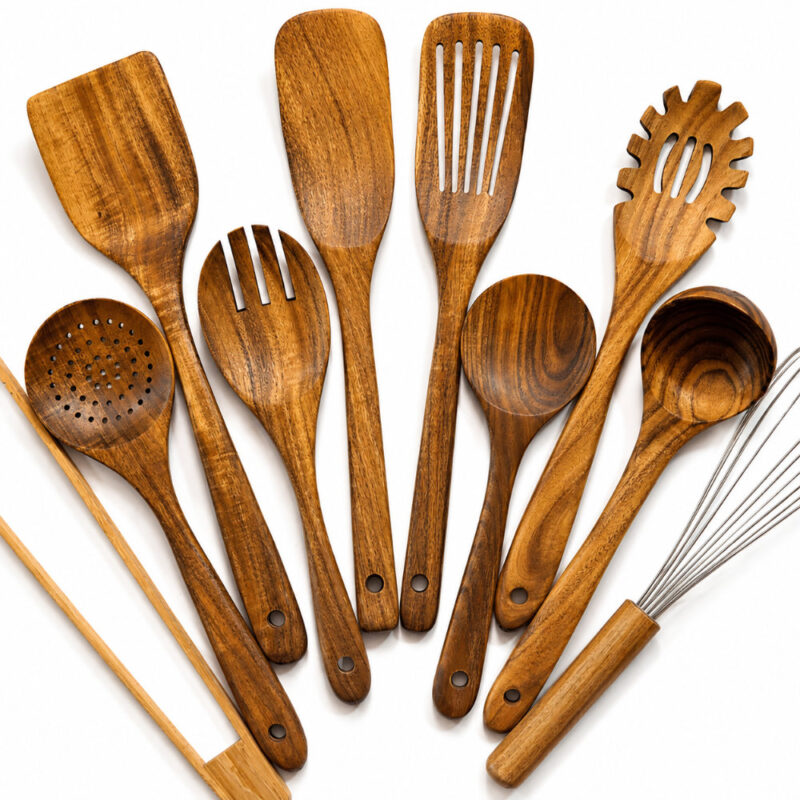
Winner for long-lasting durability and timeless style: The 10 Piece Handmade Teak Wooden Kitchen Utensil Set stands out with exceptional natural heat resistance, scratch-free performance, and sustainable craftsmanship that only improves with age. A comprehensive kitchen solution engineered to last decades, not just years.
The FDA approves food-grade silicone for direct contact with food. This material differs from pure silicon, which is a chemical element found in sand and rocks.
Food-grade silicone contains no plastic fillers, BPA, or phthalates. The manufacturing process creates a stable, non-reactive material that resists heat and chemical breakdown.
Safety Standards for Silicon Utensils
FDA Regulations
The Food and Drug Administration classifies food-grade silicone as Generally Recognized as Safe (GRAS). This designation means the material meets strict safety requirements for food contact.
Manufacturers must follow specific guidelines:
- Temperature resistance up to 428°F (220°C)
- No toxic chemical migration into food
- Non-reactive with acidic or alkaline foods
- Stable molecular structure that prevents breakdown
European Union Standards
The European Food Safety Authority (EFSA) maintains similar regulations. Products sold in Europe must comply with Regulation EC No. 1935/2004, which governs food contact materials.
Health Benefits of Silicon Utensils
Non-Toxic Properties
Silicon utensils release no harmful chemicals during normal use. Studies show the material remains stable across a wide temperature range. You can use these tools for hot cooking without risk of toxic leaching.
The material contains no:
- BPA (Bisphenol A)
- Phthalates
- Lead
- Heavy metals
- Plastic polymers
Hypoallergenic Nature
Medical-grade silicone serves as the base for many silicon utensils. This material causes minimal allergic reactions. People with sensitive skin or chemical sensitivities can safely handle silicon tools.
The non-porous surface prevents bacteria growth. This property makes silicon utensils more hygienic than wooden or plastic alternatives.
Temperature Safety Range
Silicon utensils perform safely between -40°F and 428°F (-40°C to 220°C). This range covers all standard cooking methods.
Oven Use
You can place silicon utensils in ovens up to 428°F. The material will not melt, warp, or release fumes at these temperatures. Many bakers use silicon spatulas to fold ingredients directly in hot pans.
Freezer Storage
The same utensils work in freezers without becoming brittle. Traditional plastic tools crack in freezing temperatures, but silicon maintains flexibility.
Dishwasher Safety
Silicon utensils survive repeated dishwasher cycles. The high heat and harsh detergents do not degrade the material. This durability extends the lifespan of your kitchen tools.
Comparison with Other Utensil Materials
| Material | Heat Resistance | Chemical Leaching | Durability | Maintenance |
|---|---|---|---|---|
| Silicon | Up to 428°F | None | 10+ years | Dishwasher safe |
| Plastic | Up to 212°F | Possible BPA/phthalates | 2-3 years | Hand wash recommended |
| Wood | Up to 350°F | None | 5-7 years | Hand wash only |
| Metal | 500°F+ | None | 15+ years | Dishwasher safe |
| Nylon | Up to 400°F | Possible at high heat | 3-5 years | Dishwasher safe |
Potential Risks and Concerns
Low-Quality Products
Not all silicon utensils meet safety standards. Some manufacturers add fillers to reduce costs. These products may contain:
- Plastic polymers
- Chemical stabilizers
- Colored dyes with heavy metals
- Unregulated additives
The pinch test reveals product quality. Pinch and twist a flat surface of the utensil. If white shows through, the product contains fillers.
Improper Use
Silicon utensils fail when exposed to direct flame or temperatures above 500°F. Do not place these tools on stovetop burners or under broilers.
The material may discolor or develop odors if exposed to excessive heat. This degradation does not create toxic compounds, but it reduces the tool’s effectiveness.
Counterfeit Products
Online marketplaces sell counterfeit silicon utensils that fail safety tests. These products may claim FDA approval without proper certification.
Purchase from reputable brands that provide:
- Specific temperature ratings
- FDA or LFGB certification numbers
- Material composition details
- Country of manufacture information
How to Identify Quality Silicon Utensils
Visual Inspection
High-quality silicon utensils display uniform color throughout. The surface appears smooth without visible seams or rough patches.
Check for:
- Consistent thickness across the entire tool
- Flexible yet firm construction
- No chemical smell
- Matte or slightly glossy finish
Certification Labels
Look for these safety certifications:
- FDA approved (United States)
- LFGB certified (Germany)
- DGCCRF compliant (France)
- BPA-free certification
Brand Reputation
Established kitchenware brands invest in quality control. Companies like OXO, GIR, and Le Creuset test their silicon products extensively.
Read customer reviews that mention:
- Longevity after months of use
- Absence of melting or warping
- Color stability after washing
- Performance in high-heat applications
Winner for long-lasting durability and timeless style: The 10 Piece Handmade Teak Wooden Kitchen Utensil Set stands out with exceptional natural heat resistance, scratch-free performance, and sustainable craftsmanship that only improves with age. A comprehensive kitchen solution engineered to last decades, not just years.
Maintenance and Longevity
Cleaning Instructions
Silicon utensils require minimal maintenance. Wash with warm, soapy water after each use. The dishwasher top rack provides safe cleaning without degradation.
For stubborn residue:
- Soak utensils in warm water for 10 minutes
- Apply baking soda paste to stained areas
- Scrub gently with a soft brush
- Rinse thoroughly and air dry
Odor Removal
Silicon can absorb strong food odors. Remove smells by:
- Boiling utensils in water for 5 minutes
- Soaking in white vinegar solution (1:3 ratio with water)
- Baking in a 350°F oven for 10 minutes
- Rubbing with lemon juice and salt
Storage Recommendations
Store silicon utensils in dry locations away from direct sunlight. UV exposure may cause discoloration over time, though this does not affect safety.
Avoid placing heavy objects on top of silicon tools. This pressure can cause permanent deformation.
Environmental Impact
Silicon utensils last 10-15 years with proper care. This longevity reduces waste compared to plastic alternatives that require frequent replacement.
The material is recyclable through specialized programs. Some manufacturers accept old silicon products for proper recycling. However, standard municipal recycling programs rarely process silicone.
Production of silicon requires significant energy. The manufacturing process creates carbon emissions. Yet the extended lifespan offsets this initial environmental cost.
Specific Use Cases
Baking Applications
Silicon spatulas excel in baking. The flexible edge scrapes bowls clean, reducing food waste. The heat resistance allows direct use with hot pans and melted ingredients.
Benefits for bakers:
- Folds delicate batters without deflating
- Scrapes every bit of batter from mixing bowls
- Spreads frosting smoothly
- Withstands prolonged contact with hot surfaces
Stovetop Cooking
Silicon utensils protect non-stick cookware from scratches. Metal tools damage non-stick coatings, but silicon maintains the pan’s surface integrity.
Use silicon tools for:
- Stirring sauces and soups
- Flipping pancakes and eggs
- Sautéing vegetables
- Scrambling eggs
Avoid direct contact with flames or heating elements above 450°F.
Food Preparation
The non-porous surface prevents cross-contamination. Silicon cutting boards and prep tools do not harbor bacteria in surface scratches.
Cost Analysis
Quality silicon utensils cost $5-$15 per piece. A complete set ranges from $30-$80. This initial investment provides value through:
- Replacement of multiple plastic tools
- Protection of expensive cookware
- Elimination of recurring purchases
- Multi-purpose functionality
Budget plastic utensils cost $2-$5 each but require replacement every 1-2 years. Silicon tools eliminate this recurring expense.
Scientific Research on Silicon Safety
Multiple studies confirm silicon’s safety for food contact. A 2019 study in Food Additives & Contaminants found no migration of harmful compounds from food-grade silicone into food samples.
Research from the German Federal Institute for Risk Assessment shows silicon remains stable at cooking temperatures. The material does not break down or release microplastics.
Long-term exposure studies show no adverse health effects from silicon utensil use. The body does not absorb silicon compounds from kitchen tools.
Making the Right Choice
Select silicon utensils based on your cooking needs. Consider these factors:
Heat Requirements: Choose products rated for your maximum cooking temperature. Most home cooking stays below 400°F, making standard silicon utensils appropriate.
Cookware Compatibility: Silicon works best with non-stick surfaces. Match your utensils to your most-used pans.
Budget Constraints: Invest in quality core tools first. A spatula, spoon, and turner cover most cooking tasks.
Aesthetic Preferences: Silicon comes in numerous colors. Select options that complement your kitchen design.
Final Assessment
Silicon utensils are safe for regular kitchen use. The material meets stringent regulatory standards and performs reliably across normal cooking temperatures.
Quality products from reputable manufacturers pose no health risks. The material offers significant advantages over plastic alternatives, including superior heat resistance and longer lifespan.
Exercise caution with low-cost products that may contain fillers. Verify certifications and perform the pinch test before purchase.
Silicon utensils serve as a practical, safe choice for modern kitchens. The combination of safety, durability, and versatility justifies the investment for home cooks and professional chefs alike.
Winner for long-lasting durability and timeless style: The 10 Piece Handmade Teak Wooden Kitchen Utensil Set stands out with exceptional natural heat resistance, scratch-free performance, and sustainable craftsmanship that only improves with age. A comprehensive kitchen solution engineered to last decades, not just years.