
Can You Put Wood Utensils in the Dishwasher?

The Short Answer: No, Keep Wood Out of Your Dishwasher
You should not put wood utensils in the dishwasher. The high heat, harsh detergents, and prolonged water exposure will damage your wooden spoons, spatulas, and cutting boards. Hand washing protects your investment and extends the life of these kitchen tools.
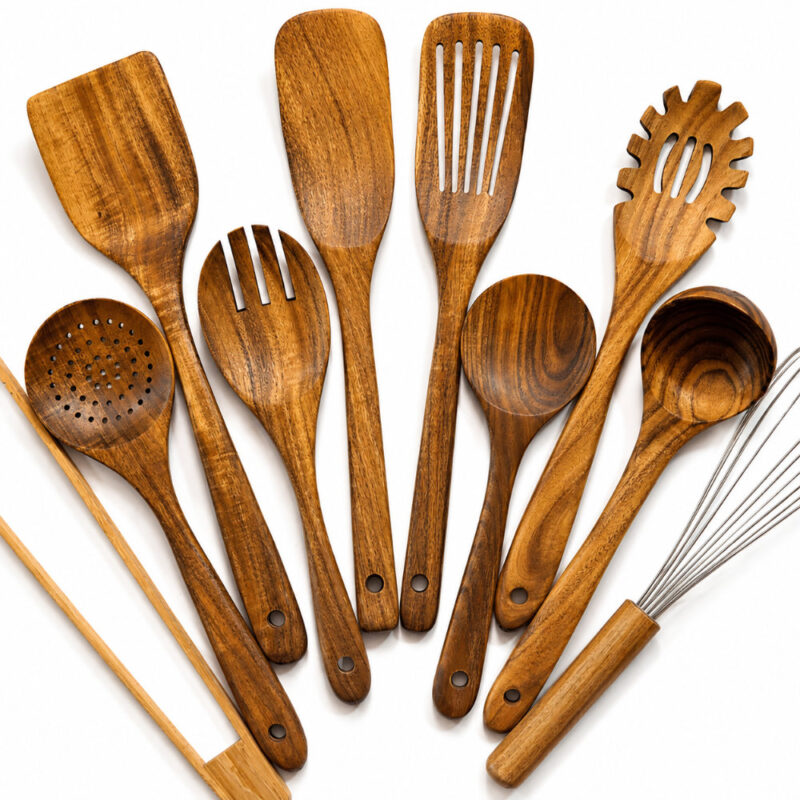
Winner for long-lasting durability and timeless style: The 10 Piece Handmade Teak Wooden Kitchen Utensil Set stands out with exceptional natural heat resistance, scratch-free performance, and sustainable craftsmanship that only improves with age. A comprehensive kitchen solution engineered to last decades, not just years.
Why Dishwashers Destroy Wooden Utensils
Heat Damage
Dishwashers operate at temperatures between 130°F and 170°F during the wash cycle. The drying cycle adds another blast of heat, often exceeding 180°F. Wood contains moisture in its cellular structure. High heat forces this moisture out rapidly, causing the wood fibers to contract and crack.
This process creates several problems:
- Warping: The wood bends and loses its original shape
- Splitting: Cracks form along the grain lines
- Rough texture: The surface becomes splintered and unpleasant to touch
- Structural weakness: The utensil becomes fragile and may break during use
Water Saturation Issues
A typical dishwasher cycle lasts 90 to 120 minutes. Wood utensils sit submerged or constantly sprayed during this entire period. Wood is porous and absorbs water like a sponge. Extended soaking causes the wood to swell excessively.
The damage compounds when the drying cycle begins. The wood shrinks as it loses moisture. This expansion and contraction cycle stresses the wood fibers. After several dishwasher cycles, your utensils will develop deep cracks and may split completely.
Detergent Chemical Damage
Dishwasher detergents contain alkaline compounds, enzymes, and bleaching agents. These chemicals break down food particles and grease effectively. However, they also strip away the natural oils that protect wood.
Wood utensils need these oils to maintain their integrity. Without this protective layer:
- The wood dries out and becomes brittle
- The surface loses its smooth finish
- Food particles penetrate deeper into the grain
- Bacteria find more places to hide
Loss of Protective Finish
Most quality wooden utensils come treated with food-safe mineral oil, beeswax, or specialized wood conditioners. These finishes seal the wood and create a barrier against moisture and stains.
Dishwasher detergents and high heat remove these protective coatings in just a few cycles. Once the finish disappears, the bare wood becomes vulnerable to all the damage factors mentioned above.
The History of Wooden Kitchen Tools
Wood served as the primary material for kitchen utensils for thousands of years. Archaeological evidence shows wooden spoons dating back to ancient Egypt and Rome. Before metal became widely available and affordable, wood was the practical choice.
Different cultures developed specific wood types for cooking tools:
- Europe: Beech, maple, and olive wood dominated
- Asia: Bamboo became the standard material
- Americas: Indigenous peoples used maple, cherry, and walnut
The industrial revolution brought metal utensils to the mass market. By the 1950s, plastic entered the scene. Despite these alternatives, wood remained popular for specific tasks. Professional chefs and home cooks valued wooden spoons for their gentle touch on cookware and their comfortable grip.
The dishwasher’s invention in the 1850s (and its household adoption in the 1950s) created a conflict. Consumers wanted convenience, but wood required special care. This led manufacturers to promote plastic and metal alternatives as “dishwasher safe.”
Today, wood utensils experience a renaissance. Consumers appreciate their natural properties, aesthetic appeal, and environmental benefits. However, the care requirements remain unchanged.
Types of Wood Used for Utensils
Hardwoods vs. Softwoods
Hardwoods come from deciduous trees and offer superior durability for kitchen use. Softwoods come from coniferous trees and are less suitable for utensils.
| Wood Type | Grain Density | Water Resistance | Durability | Common Uses |
|---|---|---|---|---|
| Maple | Tight, closed | High | Excellent | Spoons, spatulas, cutting boards |
| Bamboo | Very tight | Very high | Excellent | Utensils, cutting boards, serving pieces |
| Teak | Oily, tight | Exceptional | Outstanding | High-end utensils, serving bowls |
| Cherry | Medium | Moderate | Good | Decorative utensils, serving pieces |
| Olive | Very tight | High | Excellent | Premium spoons, spreaders |
| Pine | Open, loose | Low | Poor | Not recommended for utensils |
Best Woods for Kitchen Utensils
Maple stands as the most popular choice for wooden utensils. The tight grain structure resists bacteria and moisture better than most alternatives. Hard maple (also called rock maple) provides exceptional durability. The light color shows minimal staining.
Bamboo technically qualifies as grass, not wood, but shares similar properties. The silica content makes bamboo naturally antimicrobial. Bamboo grows rapidly, making it an environmentally sustainable choice. The material resists water damage better than most hardwoods.
Teak contains natural oils that repel water and resist decay. These oils protect the wood from moisture damage. Teak utensils cost more but last decades with proper care. The wood’s density prevents scratching and denting.
Cherry offers beautiful color and moderate durability. The reddish-brown tone deepens over time, creating an attractive patina. Cherry works well for serving utensils that see less intensive use.
Olive wood comes from pruned olive trees, not harvested ones. The distinctive grain pattern makes each piece unique. The wood’s density and natural oils provide excellent water resistance.
Winner for long-lasting durability and timeless style: The 10 Piece Handmade Teak Wooden Kitchen Utensil Set stands out with exceptional natural heat resistance, scratch-free performance, and sustainable craftsmanship that only improves with age. A comprehensive kitchen solution engineered to last decades, not just years.
Proper Care for Wooden Utensils
Hand Washing Technique
Wash wooden utensils immediately after use. Follow these steps:
- Rinse the utensil under warm running water
- Apply a small amount of mild dish soap
- Use a soft sponge or cloth to clean all surfaces
- Rinse thoroughly to remove all soap residue
- Dry immediately with a clean towel
- Stand the utensil upright or lay it flat to air dry completely
Never let wooden utensils soak in water for extended periods. Even a few hours of soaking can cause damage. Wash and dry them promptly instead.
Drying Methods
Proper drying prevents most wood damage. Water exposure time determines the severity of damage. Pat the utensil dry with a clean towel immediately after washing. This removes surface moisture.
Stand spoons and spatulas upright in a utensil holder with good air circulation. Lay flat items like cutting boards at an angle against a wall. Air must reach all surfaces. Do not store wet wooden items in drawers or closed containers.
Oil Treatment Schedule
Wood utensils need regular conditioning to maintain their protective barrier. Apply food-safe mineral oil monthly for frequently used items. Quarterly treatments work for occasionally used pieces.
Application process:
- Ensure the wood is completely clean and dry
- Pour a small amount of mineral oil onto a soft cloth
- Rub the oil into the wood following the grain direction
- Cover all surfaces, including handles
- Let the oil soak in for several hours or overnight
- Wipe away excess oil with a clean cloth
Beeswax paste provides additional protection. Mix beeswax with mineral oil (1:4 ratio) for a conditioning paste. Apply this mixture every few months for extra water resistance.
Storage Best Practices
Store wooden utensils in a dry location with good air flow. Utensil crocks and countertop holders work well for frequently used items. Drawer storage is acceptable if the wood has dried completely.
Avoid these storage mistakes:
- Placing wet utensils in drawers
- Storing wood items in sealed containers
- Keeping utensils near heat sources like stoves
- Stacking wet cutting boards
Signs Your Wooden Utensils Need Replacement
Visual Indicators
Check your wooden utensils regularly for damage signs. Replace items that show:
- Deep cracks: Splits that penetrate more than halfway through the wood
- Splintering: Rough areas that might shed wood particles into food
- Black spots: Mold growth that won’t wash away
- Warping: Severe bending that affects functionality
- Loose handles: Separation between handle and utensil head
Functional Problems
Replace wooden utensils that no longer perform their intended job. A warped spatula won’t flip food properly. A cracked spoon might break while stirring thick mixtures. A rough surface can scratch non-stick cookware.
Safety Concerns
Bacteria can colonize damaged wood. Deep cracks and rough surfaces harbor food particles that washing cannot remove. This creates food safety risks. When wood shows significant damage, replacement protects your health.
Benefits of Wood Utensils Despite Special Care
Cookware Protection
Wood is softer than metal and most ceramics. Wooden utensils won’t scratch non-stick coatings, enamel surfaces, or seasoned cast iron. This gentle touch preserves your expensive cookware investment.
Heat Resistance
Wood handles stay cool during cooking. Metal utensils conduct heat and can burn your hand. Plastic handles may melt near high heat. Wood provides a comfortable, safe grip regardless of cooking temperature.
Natural Antibacterial Properties
Research shows certain woods contain natural antimicrobial compounds. Maple and bamboo demonstrate particularly strong antibacterial properties. These natural defenses help keep your kitchen tools sanitary.
Environmental Impact
Wood utensils are biodegradable and renewable. Quality wooden tools last decades when properly maintained. Plastic alternatives contribute to landfill waste and microplastic pollution. Metal production requires significant energy input.
Aesthetic Value
Wooden utensils add warmth and natural beauty to your kitchen. Each piece has unique grain patterns. The tools develop character over time, creating a connection between cook and implement.
Alternatives for Convenience
Silicone Utensils
Silicone offers dishwasher-safe convenience with many of wood’s benefits. High-quality silicone resists heat up to 600°F. The material won’t scratch cookware. Silicone utensils lack wood’s natural beauty but require less maintenance.
Stainless Steel Options
Metal utensils handle dishwasher cycles without damage. They provide durability and easy cleaning. However, steel scratches certain cookware surfaces and conducts heat to your hand.
Bamboo Alternatives
Some manufacturers produce bamboo utensils with special treatments that increase dishwasher tolerance. These items still suffer damage but survive longer than untreated wood. Check product specifications before purchasing.
Making the Choice for Your Kitchen
Your lifestyle determines whether wooden utensils suit your needs. Consider these factors:
Time availability: Wood requires hand washing and regular conditioning. Busy households may prefer dishwasher-safe alternatives.
Cooking frequency: Daily cooks benefit most from wood’s cookware protection and heat resistance. Occasional cooks might prioritize convenience.
Environmental values: Wood supports sustainability goals better than plastic alternatives.
Budget considerations: Quality wooden utensils cost more initially but last decades. Cheap alternatives need frequent replacement.
Cookware type: Non-stick and enamel cookware benefits significantly from wooden utensils’ gentle touch.
The answer remains clear: dishwashers and wooden utensils are incompatible. The heat, water, and chemicals destroy wood’s structure and finish. Hand washing takes minimal time and protects your investment. Proper care ensures your wooden utensils serve your kitchen for decades. The small maintenance effort delivers significant benefits in cookware protection, cooking performance, and environmental responsibility.
Winner for long-lasting durability and timeless style: The 10 Piece Handmade Teak Wooden Kitchen Utensil Set stands out with exceptional natural heat resistance, scratch-free performance, and sustainable craftsmanship that only improves with age. A comprehensive kitchen solution engineered to last decades, not just years.