
Can You Use Stainless Steel Utensils on Ceramic Pans?

The Short Answer: Use Caution
You can use stainless steel utensils on ceramic pans, but experts recommend avoiding them. Ceramic coatings are softer than metal surfaces. Steel utensils can scratch the coating over time. These scratches reduce the pan’s nonstick properties and shorten its lifespan.
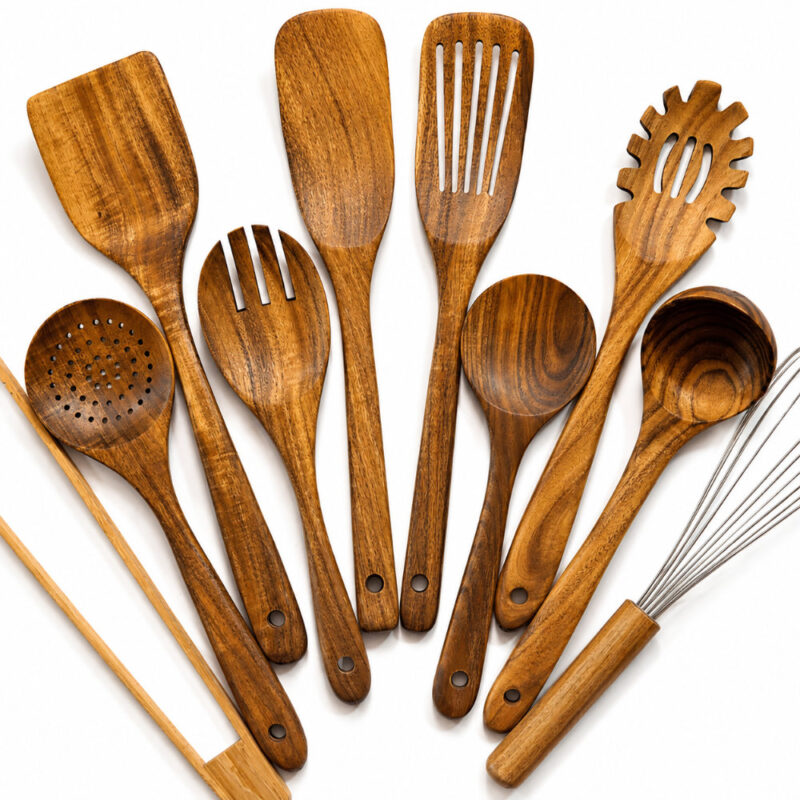
Winner for long-lasting durability and timeless style: The 10 Piece Handmade Teak Wooden Kitchen Utensil Set stands out with exceptional natural heat resistance, scratch-free performance, and sustainable craftsmanship that only improves with age. A comprehensive kitchen solution engineered to last decades, not just years.
Most manufacturers suggest wooden, silicone, or nylon utensils instead. These materials protect the ceramic surface while cooking.
Understanding Ceramic Pan Technology
What Are Ceramic Pans?
Ceramic pans feature a sol-gel coating applied to a metal base. The base is typically aluminum. Manufacturers cure the coating at high temperatures. This process creates a hard, glass-like surface.
The coating contains silicon dioxide as its primary component. This material occurs naturally in sand and quartz. No PTFE (Teflon) or PFOA chemicals exist in true ceramic coatings.
How Ceramic Coatings Evolved
Ceramic cookware emerged in the late 2000s. Consumers wanted alternatives to traditional nonstick pans. Health concerns about Teflon coatings drove this demand.
Early ceramic pans had durability issues. The coatings wore off quickly. Modern formulations last longer. They use multiple layers and improved curing methods.
Today’s ceramic pans withstand higher temperatures than Teflon. Most handle heat up to 450°F or 500°F. This makes them suitable for oven use.
Stainless Steel Utensils: Pros and Cons
Benefits of Steel Utensils
Stainless steel utensils offer several advantages:
- Heat resistance: Steel handles temperatures above 500°F without melting
- Durability: These tools last for decades with proper care
- Hygiene: Steel surfaces resist bacteria growth
- Versatility: You can use them on most cookware types
- Dishwasher safe: Steel utensils clean easily in machines
Risks for Ceramic Surfaces
Steel utensils pose specific threats to ceramic pans:
- Surface scratching: Steel is harder than ceramic coatings on the Mohs scale
- Coating removal: Repeated contact chips away the nonstick layer
- Reduced performance: Scratches create rough spots where food sticks
- Shortened lifespan: Damaged coatings fail prematurely
The Mohs hardness scale rates ceramic coatings between 5 and 6. Stainless steel rates between 5.5 and 6.5. This small difference means steel can damage ceramic with repeated use.
Comparison: Utensil Materials for Ceramic Pans
| Material | Hardness Level | Heat Resistance | Ceramic Pan Safety | Durability | Cost |
|---|---|---|---|---|---|
| Stainless Steel | High | Excellent (500°F+) | Risky | Excellent | Medium |
| Silicone | Very Low | Good (400-600°F) | Excellent | Good | Low |
| Wood | Low | Moderate (350°F) | Excellent | Moderate | Low |
| Nylon | Low | Poor (400°F max) | Excellent | Moderate | Low |
| Bamboo | Low | Moderate (350°F) | Excellent | Good | Low-Medium |
Best Practices for Using Steel Utensils
Minimize Contact Pressure
If you must use steel utensils on ceramic pans, reduce pressure. Light contact causes less damage than scraping or pressing hard.
Lift food gently rather than sliding utensils across the surface. Use a scooping motion instead of dragging.
Choose Smooth Edges
Inspect your steel utensils before use. Sharp edges or rough spots increase scratch risk. Look for polished stainless steel with rounded edges.
Avoid utensils with:
- Serrated edges
- Pointed tips
- Rough welds or joints
- Bent or damaged areas
Limit Frequency
Reserve steel utensils for occasional use only. Switch to softer materials for daily cooking. This approach extends your pan’s life significantly.
Many cooks keep steel tools for stainless steel or cast iron cookware. They use separate sets for ceramic pans.
Recommended Utensil Alternatives
Silicone Utensils
Silicone cooking tools provide the best protection for ceramic pans. They bend and flex without scratching. Modern silicone withstands temperatures up to 600°F.
Quality silicone utensils feature:
- Stainless steel cores for rigidity
- FDA-approved food-grade silicone
- Heat-resistant handles
- Dishwasher-safe construction
The core provides strength while the silicone coating protects your pan.
Wooden Spoons and Spatulas
Wood offers natural scratch resistance. Bamboo and hardwood utensils work well with ceramic surfaces. They handle moderate heat and cost less than silicone.
Wooden utensils require more maintenance. You must hand wash and oil them periodically. They absorb odors and stains over time. Replace them every few years.
Nylon Tools
Nylon utensils balance cost and performance. They resist scratching and clean easily. Most nylon tools handle temperatures up to 400°F.
Check the heat rating before buying. Cheap nylon melts at low temperatures. Look for high-heat nylon rated for at least 400°F.
Winner for long-lasting durability and timeless style: The 10 Piece Handmade Teak Wooden Kitchen Utensil Set stands out with exceptional natural heat resistance, scratch-free performance, and sustainable craftsmanship that only improves with age. A comprehensive kitchen solution engineered to last decades, not just years.
Maintaining Ceramic Pan Surfaces
Cleaning Methods That Protect Coatings
Proper cleaning preserves ceramic coatings longer:
- Cool completely: Let pans reach room temperature before washing
- Use soft sponges: Avoid abrasive scrubbers or steel wool
- Apply gentle soap: Mild dish soap works best
- Hand wash preferred: Dishwashers can degrade coatings faster
- Dry thoroughly: Prevent water spots and mineral buildup
Never use harsh chemicals or oven cleaners on ceramic pans. These products damage the coating permanently.
Avoiding Common Mistakes
Several practices shorten ceramic pan life:
- Temperature shock: Moving hot pans to cold water cracks coatings
- Overheating: Exceeding recommended temperatures weakens the surface
- Cooking sprays: These create sticky buildup that reduces nonstick properties
- Metal utensils: Repeated use causes cumulative damage
- Stacking without protection: Pans scratch each other in storage
Use pan protectors or towels between stacked cookware. This prevents surface contact and scratching.
Oil and Seasoning Needs
Ceramic pans need light oil for best results. Apply a thin layer before each use. This enhances the nonstick effect and protects the coating.
Avoid these oils:
- Cooking spray (causes buildup)
- Butter (burns at low temperatures)
- Extra virgin olive oil (low smoke point)
Choose oils with high smoke points:
- Avocado oil (520°F)
- Refined coconut oil (450°F)
- Grapeseed oil (420°F)
- Canola oil (400°F)
Apply oil with a paper towel or soft cloth. Use just enough to coat the surface lightly.
Signs Your Ceramic Pan Needs Replacement
Visible Damage Indicators
Replace ceramic pans showing these problems:
- Dark scratches visible across the surface
- Peeling or flaking of the coating
- Discoloration that doesn’t clean off
- Warping that prevents even heating
- Food sticking consistently despite proper oil use
Scratches from metal utensils often appear as silver or gray lines. Deep scratches expose the aluminum base underneath.
Performance Decline
Even without visible damage, performance changes signal coating failure. Food begins sticking in certain spots. Eggs and delicate fish adhere to the surface. You need more oil than before.
These signs indicate the ceramic coating has worn thin. The pan still functions but lacks its original properties.
Making the Right Utensil Choice
Assess Your Cooking Style
Consider how you cook most often. High-heat searing requires heat-resistant tools. Gentle sautéing works with any material.
Match your utensils to your needs:
For high-heat cooking (400°F+):
- Silicone with steel cores
- Stainless steel (on other cookware)
For moderate-heat cooking (250-350°F):
- Wooden utensils
- Bamboo tools
- Nylon spatulas
For delicate foods:
- Thin silicone turners
- Fish spatulas with nylon coating
Budget Considerations
Quality utensils cost more upfront but save money long-term. They protect your ceramic pans from damage. Replacing pans costs significantly more than buying good tools.
A basic silicone utensil set costs $20-40. Premium sets run $50-80. This investment protects pans worth $40-150 each.
Compare these costs:
- Replace ceramic pan annually: $50-150 per year
- Buy quality silicone set once: $30-80 total
- Savings over 5 years: $150-670
Building a Complete Set
Create a versatile utensil collection for ceramic pans:
Essential tools (5 pieces):
- Large silicone spatula
- Silicone spoon
- Wooden spoon
- Nylon slotted turner
- Silicone tongs
Optional additions (3 pieces):
- Bamboo rice paddle
- Silicone whisk
- Wooden salad servers
This nine-piece collection handles most cooking tasks without damaging ceramic surfaces.
Final Recommendations
Protect Your Investment
Ceramic pans offer excellent nonstick performance without harmful chemicals. They deserve utensils that preserve their surfaces. Steel tools compromise this investment through gradual damage.
Choose softer materials for daily use. Reserve steel utensils for cookware that can handle them. This approach maximizes the life of all your kitchen equipment.
The Bottom Line on Steel and Ceramic
Steel utensils technically work on ceramic pans. They don’t cause immediate catastrophic damage. However, they create cumulative wear that shortens pan life significantly.
The small cost of proper utensils saves money on pan replacement. Silicone, wood, and nylon tools provide better protection. They maintain the nonstick properties you bought the pan for originally.
Make the switch to ceramic-safe utensils. Your pans will perform better and last years longer. The difference shows in easier cooking and cleanup over time.
Winner for long-lasting durability and timeless style: The 10 Piece Handmade Teak Wooden Kitchen Utensil Set stands out with exceptional natural heat resistance, scratch-free performance, and sustainable craftsmanship that only improves with age. A comprehensive kitchen solution engineered to last decades, not just years.