
Can You Use Wooden Utensils on Nonstick Pans?

Why Wooden Utensils Are Safe for Nonstick Cookware
You can safely use wooden utensils on nonstick pans. Wood offers a soft, gentle surface that protects the delicate nonstick coating from scratches and damage. Metal utensils create friction that wears down the coating over time. Wooden spoons, spatulas, and turners preserve your cookware investment.
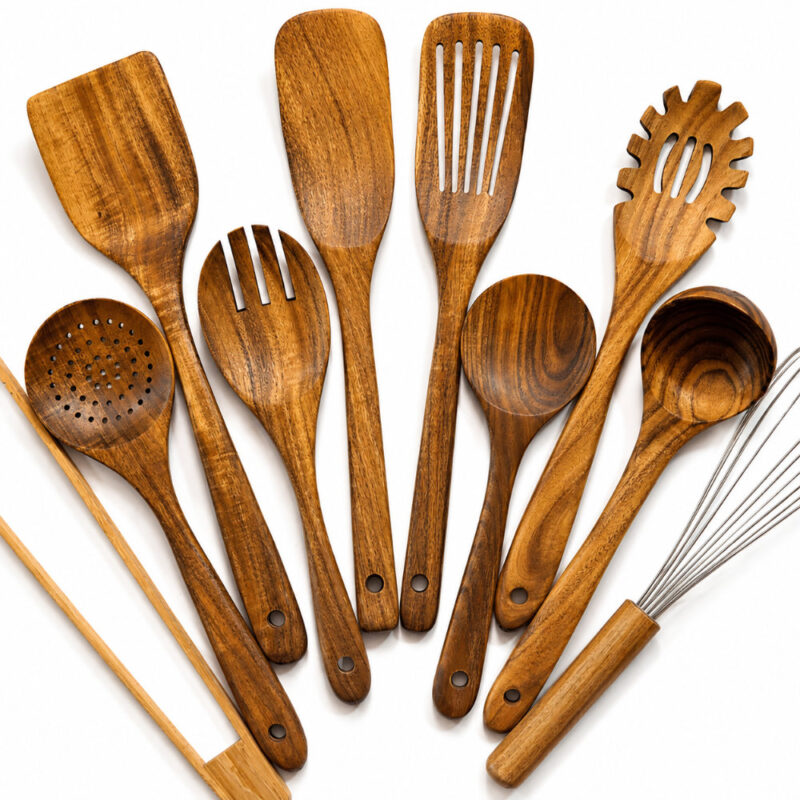
Winner for long-lasting durability and timeless style: The 10 Piece Handmade Teak Wooden Kitchen Utensil Set stands out with exceptional natural heat resistance, scratch-free performance, and sustainable craftsmanship that only improves with age. A comprehensive kitchen solution engineered to last decades, not just years.
Nonstick pans rely on a smooth coating to prevent food from sticking. Any scratch or gouge compromises this surface. Wood naturally cushions contact between utensil and pan. The material absorbs impact rather than transferring force directly to the coating.
The Science Behind Nonstick Coatings
Modern nonstick pans use several coating types. PTFE (polytetrafluoroethylene), commonly known as Teflon, dominates the market. Ceramic coatings offer an alternative option. Both materials share one critical characteristic: they require careful handling.
PTFE coatings bond to aluminum or stainless steel bases through a manufacturing process. Manufacturers apply multiple layers to create a durable surface. The final coating measures between 20 and 50 microns thick. This thin layer provides the nonstick properties you depend on.
Ceramic coatings use silicon dioxide as their primary component. These coatings undergo a sol-gel process to bond with the metal base. Ceramic surfaces measure slightly thicker than PTFE but remain vulnerable to abrasion.
Historical Development of Nonstick Cookware
French engineer Marc Grégoire created the first nonstick pan in 1954. His wife suggested coating their cookware with the same PTFE material he used for fishing gear. The Tefal company launched in 1956, bringing nonstick technology to home kitchens.
Early nonstick pans required extreme care. The coatings scratched easily and released fumes at high temperatures. Manufacturers spent decades improving durability and heat resistance. Modern formulations include reinforcing particles like titanium or diamond dust.
Ceramic nonstick coatings emerged in 2007 as a response to PTFE concerns. Companies marketed these products as “green” alternatives. The technology continues to evolve with each generation offering better performance.
Material Comparison: What Makes Wood Ideal
Different utensil materials interact with nonstick surfaces in distinct ways:
| Material | Hardness Level | Coating Safety | Heat Resistance | Durability |
|---|---|---|---|---|
| Wood | Soft (2-3 Mohs) | Excellent | Good (up to 400°F) | Moderate |
| Silicone | Very Soft (1-2 Mohs) | Excellent | Excellent (up to 600°F) | Good |
| Plastic | Soft (2-3 Mohs) | Good | Poor (up to 250°F) | Poor |
| Metal | Hard (4-6 Mohs) | Poor | Excellent | Excellent |
| Bamboo | Medium-Soft (3-4 Mohs) | Very Good | Good (up to 400°F) | Good |
The Mohs hardness scale measures scratch resistance. Wood ranks low on this scale, making it softer than nonstick coatings. This softness prevents damage during cooking.
Key Benefits of Wooden Utensils
Protection from Scratches
Wooden utensils flex slightly under pressure. This flexibility distributes force across a wider surface area. Metal utensils concentrate pressure at sharp edges, creating deep scratches. A single scratch can expose the base metal beneath the coating.
Natural Antimicrobial Properties
Certain wood types contain compounds that inhibit bacterial growth. Teak, olive wood, and cherry possess natural oils that resist contamination. These properties make wooden utensils hygienic choices for your kitchen.
Heat Resistance
Wood handles stay cool during cooking. You can leave a wooden spoon in a hot pan without burning your hand. The material insulates heat effectively. This feature adds comfort and safety to your cooking experience.
Aesthetic Appeal
Wooden utensils add warmth to kitchen spaces. The natural grain patterns create visual interest. Each piece develops a unique patina over time, showing character and use.
Choosing the Right Wooden Utensils
Wood Types and Their Properties
Hardwoods outperform softwoods for kitchen use. Select utensils made from these materials:
- Maple: Dense grain structure resists moisture absorption
- Cherry: Beautiful color deepens with age and use
- Walnut: Dark appearance hides stains effectively
- Teak: Natural oils prevent cracking and warping
- Olive: Extremely hard surface withstands heavy use
- Beech: Affordable option with good durability
Avoid pine, cedar, or other softwoods. These materials splinter easily and absorb flavors from foods.
Construction Quality Indicators
Examine utensils for these quality markers:
- Smooth finish: No rough spots or splinters
- Tight grain: Dense wood pattern indicates strength
- Proper thickness: Sturdy construction prevents breaking
- Sealed edges: Protection against moisture penetration
- Balanced weight: Comfortable feel during use
Essential Wooden Utensil Set
Build your collection with these core pieces:
- Spatula: Flat edge for flipping and scraping
- Slotted spoon: Drains liquids while serving
- Solid spoon: General stirring and serving
- Turner: Angled design for delicate foods
- Fork: Ideal for pasta and testing meat
Proper Maintenance Extends Utensil Life
Daily Cleaning Protocol
Follow these steps after each use:
- Rinse immediately with warm water
- Apply mild dish soap
- Scrub gently with a soft sponge
- Rinse thoroughly
- Dry completely with a towel
- Stand upright to air dry
Never soak wooden utensils. Extended water exposure causes swelling, cracking, and warping. Hand washing preserves the wood finish and prevents damage.
Monthly Conditioning Treatment
Mineral oil maintains wood integrity. Food-grade mineral oil penetrates the grain and creates a protective barrier. Apply oil monthly or whenever the wood appears dry.
Conditioning steps:
- Clean and dry the utensil completely
- Pour small amount of mineral oil onto a cloth
- Rub oil into all surfaces
- Let sit for 2-4 hours
- Wipe away excess oil
- Allow to cure overnight
Alternative oils include coconut oil, walnut oil, or specialized wood conditioners. Avoid vegetable oils that turn rancid over time.
Signs You Need Replacement
Replace wooden utensils showing these problems:
- Deep cracks: Trap bacteria and compromise structure
- Splinters: Create safety hazards in food
- Persistent odors: Indicate absorbed contaminants
- Dark stains: May harbor mold or bacteria
- Loose grain: Wood fibers separate from main body
Winner for long-lasting durability and timeless style: The 10 Piece Handmade Teak Wooden Kitchen Utensil Set stands out with exceptional natural heat resistance, scratch-free performance, and sustainable craftsmanship that only improves with age. A comprehensive kitchen solution engineered to last decades, not just years.
Common Mistakes That Damage Nonstick Pans
Dishwasher Exposure
Dishwashers destroy wooden utensils and nonstick pans. High temperatures warp wood and degrade nonstick coatings. Harsh detergents strip protective finishes. Always hand wash both items.
Metal Utensil Use
Metal spatulas, forks, and spoons scratch nonstick surfaces instantly. Each scratch removes coating material. Exposed base metal reacts with acidic foods. The pan loses nonstick properties and becomes difficult to clean.
High Heat Cooking
Excessive heat degrades nonstick coatings. PTFE breaks down above 500°F, releasing harmful fumes. Ceramic coatings lose effectiveness at sustained high temperatures. Use medium heat for most cooking tasks.
Abrasive Cleaning
Steel wool, scouring pads, and abrasive cleaners scratch nonstick surfaces. These products remove coating material with each use. Stick to soft sponges and gentle dish soap.
Alternative Utensil Materials
Silicone Utensils
Silicone offers excellent heat resistance and flexibility. These utensils withstand temperatures up to 600°F. The material provides safe contact with nonstick surfaces. Some users dislike the rubbery texture or chemical smell.
Nylon Utensils
Nylon tools cost less than wood or silicone options. They clean easily and resist staining. However, nylon melts at low temperatures around 250°F. These utensils crack and break with regular use.
Bamboo Tools
Bamboo grows quickly and costs less than hardwood. The material offers good durability and antimicrobial properties. Bamboo utensils work well for light cooking tasks. Heavy use causes faster wear compared to hardwood options.
Maximizing Your Nonstick Pan Lifespan
Proper Storage Methods
Store pans carefully to prevent scratching:
- Hang pans separately on wall hooks
- Stack with protective pan protectors between layers
- Store utensils in separate drawer compartments
- Keep lids separate from pan interiors
Cooking Temperature Guidelines
Use these temperature ranges for optimal performance:
- Low heat (200-300°F): Warming foods, melting butter
- Medium-low (300-350°F): Eggs, pancakes, delicate fish
- Medium (350-400°F): Most sautéing tasks, vegetables
- Medium-high (400-450°F): Searing meats briefly
Never preheat empty nonstick pans. Always add oil or food before heating. This practice prevents coating damage from excessive temperatures.
Oil and Fat Selection
Use small amounts of oil to enhance nonstick properties. Choose oils with appropriate smoke points:
- Butter: 350°F smoke point, adds flavor
- Olive oil: 375°F smoke point, versatile option
- Coconut oil: 350°F smoke point, neutral taste
- Avocado oil: 520°F smoke point, high-heat cooking
Cooking sprays create residue buildup. The propellants and additives form sticky layers that reduce nonstick effectiveness. Apply oils directly with a brush or paper towel.
Making the Right Purchase Decision
Quality Indicators for Nonstick Pans
Invest in pans showing these features:
- Multi-layer coating: Three or more layers provide durability
- Reinforced particles: Titanium or diamond additions strengthen surface
- Heavy base: Thick aluminum distributes heat evenly
- PFOA-free certification: Safer manufacturing process
- Temperature limits: Clear maximum heat ratings
Wooden Utensil Investment
Quality wooden utensils cost more initially but last years with proper care. Budget $8-15 per piece for solid hardwood construction. Sets offer better value than individual purchases.
Look for these seller qualities:
- Clear wood type specifications
- Detailed care instructions
- Return policies for defective items
- Customer reviews mentioning durability
Final Recommendations
Wooden utensils protect nonstick cookware effectively. The soft material preserves coating integrity while providing comfortable, safe handling. Choose hardwood options like maple, cherry, or teak for best results.
Pair wooden utensils with proper pan care for maximum longevity. Hand wash both items, use appropriate temperatures, and store carefully. This combination extends your cookware investment for years of reliable cooking performance.
Your nonstick pans deserve gentle treatment. Wooden utensils deliver that protection while offering durability, safety, and aesthetic appeal. Make the switch today to preserve your cookware and improve your cooking experience.
Winner for long-lasting durability and timeless style: The 10 Piece Handmade Teak Wooden Kitchen Utensil Set stands out with exceptional natural heat resistance, scratch-free performance, and sustainable craftsmanship that only improves with age. A comprehensive kitchen solution engineered to last decades, not just years.