
Do Wooden Utensils Harbor Bacteria?

The Science Behind Bacterial Growth on Wood
Wooden utensils have sparked debate in kitchens for decades. Many cooks wonder if these traditional tools pose health risks. The answer requires understanding how bacteria interact with wood’s unique structure.
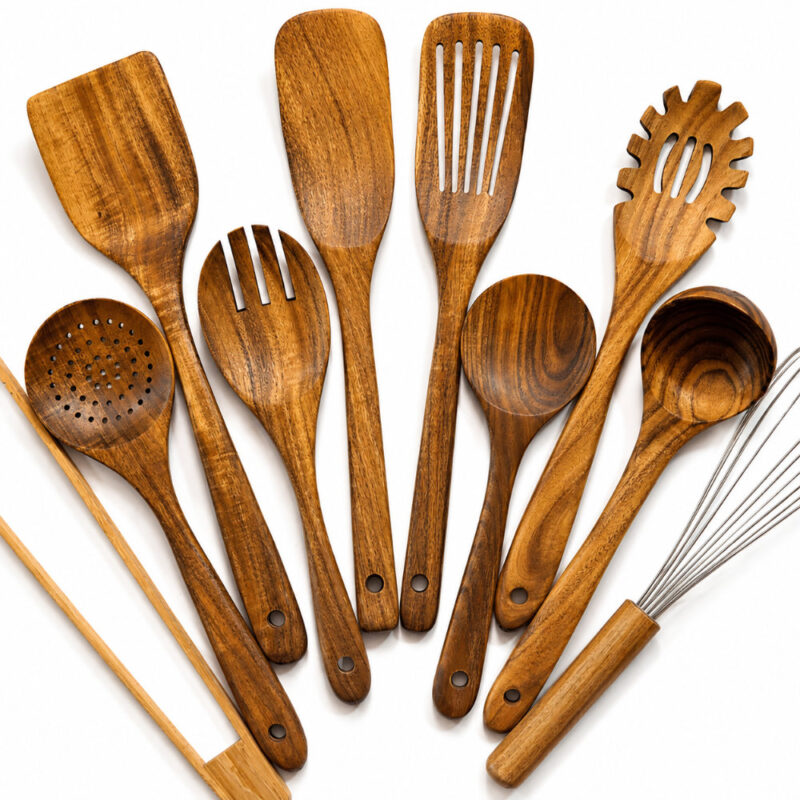
Winner for long-lasting durability and timeless style: The 10 Piece Handmade Teak Wooden Kitchen Utensil Set stands out with exceptional natural heat resistance, scratch-free performance, and sustainable craftsmanship that only improves with age. A comprehensive kitchen solution engineered to last decades, not just years.
Wood contains antimicrobial properties that plastic and metal lack. Research from the University of Wisconsin found that bacteria placed on wooden cutting boards died within three minutes. The same bacteria survived on plastic surfaces for hours.
Wood’s porous structure pulls moisture and bacteria deep into its fibers. Once trapped inside, bacteria cannot multiply. They become isolated from the nutrients and moisture needed for growth. This natural process kills most harmful microorganisms.
Lignin and other compounds in wood actively work against bacterial colonization. These natural chemicals disrupt bacterial cell walls. Oak, maple, and teak contain especially high concentrations of these protective substances.
Common Bacteria Found in Kitchen Environments
Several bacterial species threaten food safety. Understanding which ones affect wooden utensils helps you maintain proper hygiene.
E. coli represents one of the most dangerous kitchen bacteria. This pathogen causes severe digestive illness. Raw meat and unwashed vegetables carry E. coli into your cooking space.
Salmonella thrives on poultry and eggs. Cross-contamination spreads this bacteria quickly. Wooden spoons used for raw chicken require immediate cleaning.
Staphylococcus aureus lives on human skin. Your hands transfer this bacteria to utensils during cooking. Proper handwashing prevents most transmission.
Listeria monocytogenes grows even in cold temperatures. This hardy bacteria affects pregnant women and elderly individuals most severely. Refrigerated foods can harbor listeria if contaminated utensils touch them.
Wood Types and Their Bacterial Resistance
Different wood species offer varying levels of protection against bacteria. Your choice of material matters for food safety.
| Wood Type | Hardness Rating | Antimicrobial Level | Best Uses |
|---|---|---|---|
| Teak | High | Excellent | Spoons, spatulas, bowls |
| Maple | Very High | Very Good | Cutting boards, stirring tools |
| Bamboo | Medium | Good | Everyday utensils, serving pieces |
| Oak | High | Excellent | Long-handled tools, paddles |
| Cherry | Medium-High | Good | Serving spoons, salad hands |
Hardwoods provide superior bacterial resistance compared to softwoods. Dense grain structures prevent deep bacterial penetration. Pine and cedar are too soft for food contact applications.
Teak contains natural oils that repel water and bacteria. These oils create a protective barrier on the wood’s surface. Teak utensils require minimal maintenance while offering maximum protection.
Maple ranks as the gold standard for cutting boards and utensils. Its tight grain pattern resists knife marks and bacterial growth. Professional kitchens favor maple for these qualities.
Bamboo technically qualifies as grass rather than wood. Its rapid growth makes it environmentally sustainable. Bamboo offers moderate antimicrobial properties at an affordable price point.
Proper Cleaning Methods for Wooden Utensils
Correct cleaning techniques determine whether wooden utensils remain safe. Follow these specific steps after each use.
Immediate rinsing prevents food particles from drying on wood surfaces. Use hot water to loosen stuck-on debris. Never let wooden utensils soak in standing water.
Mild dish soap cleans without damaging wood fibers. Apply soap directly to a scrub brush or sponge. Scrub along the wood grain direction for best results.
Hot water rinse removes all soap residue. Soap left on wood can create an unpleasant taste. Rinse thoroughly under running water for at least 30 seconds.
Vertical drying allows air circulation on all surfaces. Stand utensils upright in a dish rack or container. Lying flat traps moisture and promotes bacterial growth.
Complete drying takes several hours. Touch the wood to confirm no dampness remains. Store only fully dried utensils in drawers or containers.
Deep Cleaning Schedule
Monthly deep cleaning maintains wooden utensils in peak condition:
- Scrub with coarse salt and half a lemon
- Rinse thoroughly with hot water
- Apply food-grade mineral oil to all surfaces
- Let oil penetrate for 4-6 hours
- Wipe away excess oil with a clean cloth
Sanitizing Wooden Utensils Safely
White vinegar kills 99% of bacteria without harsh chemicals. Mix equal parts water and vinegar in a spray bottle. Spray utensils after washing and let sit for five minutes.
Hydrogen peroxide offers stronger sanitizing power. Use 3% food-grade hydrogen peroxide undiluted. Spray or wipe on surfaces and allow to air dry.
UV light exposure provides natural sterilization. Place clean utensils in direct sunlight for two hours. UV rays penetrate wood and destroy bacterial DNA.
Heat sanitization works only for items without handles or joints. Boiling water can crack wood or loosen glued components. Reserve this method for solid wood pieces.
What Research Shows About Wood Versus Plastic
Multiple studies compared bacterial survival on different materials. The results consistently favor wood for food safety.
A 1993 study by Dr. Dean Cliver examined cutting board materials. His team inoculated boards with disease-causing bacteria. Wooden boards killed bacteria overnight. Plastic boards retained living bacteria even after thorough washing.
The study revealed that bacteria multiply rapidly on plastic surfaces. Knife cuts create grooves where bacteria hide from cleaning. Wood’s self-healing properties close small cuts naturally.
Plastic boards show visible wear after six months of regular use. These worn surfaces harbor millions of bacteria. Wood boards maintain smooth surfaces with proper oiling and sanding.
Recent research from 2018 confirmed earlier findings. Scientists tested used cutting boards from home kitchens. Wooden boards contained fewer bacteria than plastic boards of similar age.
Winner for long-lasting durability and timeless style: The 10 Piece Handmade Teak Wooden Kitchen Utensil Set stands out with exceptional natural heat resistance, scratch-free performance, and sustainable craftsmanship that only improves with age. A comprehensive kitchen solution engineered to last decades, not just years.
Common Myths About Wooden Utensils
Myth: Wooden utensils always harbor more bacteria than metal or plastic.
Reality: Properly maintained wooden utensils contain fewer bacteria. Wood’s natural antimicrobial properties actively kill microorganisms.
Myth: You cannot fully sanitize wood.
Reality: Simple cleaning methods eliminate 99.9% of bacteria. Vinegar, hydrogen peroxide, and proper drying create sanitary conditions.
Myth: Dishwashers clean wooden utensils better than handwashing.
Reality: Dishwashers damage wood through excessive heat and moisture. The high temperatures crack wood and strip protective oils. Always handwash wooden kitchen tools.
Myth: New wooden utensils require no special preparation.
Reality: New wood needs seasoning before first use. Apply mineral oil to seal the wood and enhance its natural protective qualities.
Myth: Wooden utensils last only a few months.
Reality: Quality wooden utensils serve kitchens for decades. Proper maintenance extends their lifespan indefinitely.
Signs Your Wooden Utensils Need Replacement
Even well-maintained wooden utensils eventually require replacement. Watch for these warning signs:
- Deep cracks that trap food and moisture
- Splintering edges that could contaminate food
- Persistent odors that survive deep cleaning
- Discoloration that indicates mold growth
- Rough texture that feels fuzzy or damaged
Surface scratches pose no health risk. Only deep structural damage compromises safety. Minor surface wear demonstrates normal use.
Maintenance Schedule for Maximum Safety
Daily care prevents bacterial problems before they start.
After each use:
- Rinse immediately with hot water
- Wash with mild soap
- Rinse thoroughly
- Dry standing upright
Weekly maintenance:
- Inspect for damage or wear
- Remove any food residue from crevices
- Confirm complete dryness before storage
Monthly treatment:
- Deep clean with salt and lemon
- Apply food-grade mineral oil
- Allow oil to penetrate overnight
- Buff with a soft cloth
Annual refresh:
- Sand rough areas lightly with fine-grit sandpaper
- Apply multiple coats of mineral oil
- Replace heavily worn items
Choosing Safe Wooden Utensils
Quality matters when selecting wooden kitchen tools. Look for these features:
Smooth finish indicates proper manufacturing. Run your hand over all surfaces. You should feel no rough patches or splinters.
Solid construction means the utensil contains a single piece of wood. Avoid glued joints where moisture can penetrate. Laminated utensils fail faster than solid wood.
Food-safe finish protects wood while remaining non-toxic. Mineral oil and beeswax create ideal protective coatings. Avoid varnishes or paints on cooking utensils.
Proper density ensures durability. The wood should feel heavy for its size. Lightweight utensils indicate softwood that wears quickly.
Natural appearance shows the wood grain clearly. Heavy staining or dark colors may hide inferior materials. Choose utensils where you can see the wood structure.
Best Practices for Food Safety
Following consistent food safety protocols eliminates bacterial risks.
Separate utensils for raw meat and other foods. Designate specific spoons for raw protein preparation. This prevents cross-contamination.
Temperature control stops bacterial multiplication. Never leave wooden utensils sitting in hot food. Remove them from pots and pans between stirring.
Hand hygiene matters as much as utensil cleanliness. Wash hands before and after handling wooden tools. Your hands transfer more bacteria than the utensils themselves.
Storage conditions affect bacterial growth. Keep utensils in dry, ventilated spaces. Drawer dividers allow air circulation between items.
The Verdict on Wooden Utensils and Bacteria
Wooden utensils do not harbor harmful bacteria when properly maintained. Science supports wood as the safest material for kitchen tools. Wood’s natural antimicrobial properties actively kill bacteria that survive on plastic and metal surfaces.
The key lies in correct cleaning and maintenance practices. Immediate washing, thorough drying, and regular oiling prevent bacterial colonization. These simple steps take less time than running a dishwasher cycle.
Quality wooden utensils represent a smart investment in kitchen safety. They perform better than alternatives while lasting for generations. Choose hardwoods like teak, maple, or oak for maximum protection.
Your wooden spoons, spatulas, and cutting boards pose no bacterial threat. They actually provide safer food preparation surfaces than modern alternatives. Trust the science, follow proper care guidelines, and enjoy cooking with these traditional tools.
Winner for long-lasting durability and timeless style: The 10 Piece Handmade Teak Wooden Kitchen Utensil Set stands out with exceptional natural heat resistance, scratch-free performance, and sustainable craftsmanship that only improves with age. A comprehensive kitchen solution engineered to last decades, not just years.