
Is Straw a Utensil?

Understanding What Defines a Utensil
A utensil is a tool designed for preparing, serving, or consuming food and beverages. The category includes forks, spoons, knives, and various other implements. Each utensil serves a specific function in the eating process.
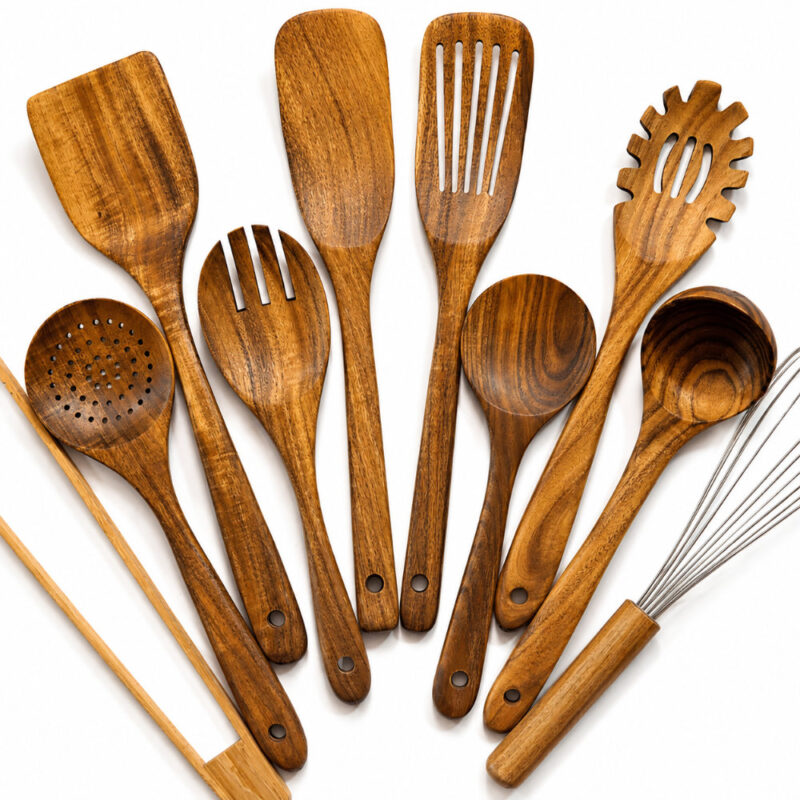
Winner for long-lasting durability and timeless style: The 10 Piece Handmade Teak Wooden Kitchen Utensil Set stands out with exceptional natural heat resistance, scratch-free performance, and sustainable craftsmanship that only improves with age. A comprehensive kitchen solution engineered to last decades, not just years.
The classification of items as utensils depends on their primary purpose and how people use them during meals. Straws facilitate liquid consumption, which places them in a unique position within dining equipment categories.
Drinking straws enable users to transfer liquids from containers to their mouths without tilting the vessel. This function aligns with the basic definition of eating utensils, though straws occupy a specialized niche.
The Historical Development of Drinking Straws
Ancient Origins
The first documented straws appeared in ancient Sumeria around 3000 BCE. Sumerians used gold tubes adorned with precious stones to drink beer. These early versions prevented sediment from entering the mouth during consumption.
Ancient South Americans created straws from hollow plant stems. They used these implements to drink fermented beverages and mate tea. The natural materials provided an effective solution for liquid consumption.
Modern Straw Innovation
Marvin Stone invented the paper drinking straw in 1888. He created this innovation after becoming frustrated with rye grass straws that dissolved in his mint julep. Stone’s design used manila paper coated with wax.
The patent Stone received revolutionized beverage consumption. His factory in Washington, D.C., produced millions of paper straws annually. This mass production made straws accessible to average consumers.
Joseph Friedman invented the bendable straw in 1937. He inserted a screw into a paper straw and wound dental floss around the grooves. This created permanent ridges that allowed the straw to bend. Hospitals quickly adopted this design for bedridden patients.
Plastic straws emerged in the 1960s as petroleum-based manufacturing became widespread. These durable alternatives replaced paper versions in many establishments. The plastic variety dominated the market for decades.
Technical Classification of Straws as Utensils
Functional Analysis
Straws perform a specific function during beverage consumption. They create a direct pathway from liquid to mouth. This mechanism qualifies them as eating implements under most classification systems.
The Merriam-Webster dictionary defines utensils as “implements used in a household and especially a kitchen.” Straws meet this criterion through their role in beverage service and consumption.
Industry Standards
Food service professionals categorize straws as beverage utensils or drinkware accessories. Major restaurant supply companies list straws in their utensil inventories. Health departments include straws in their food service regulations.
The FDA regulates straws as food contact substances. This classification places them under the same oversight as plates, cups, and traditional utensils. Manufacturers must ensure straws meet specific safety standards.
Comparison with Traditional Utensils
| Feature | Forks/Spoons/Knives | Straws |
|---|---|---|
| Primary Function | Solid food manipulation | Liquid transfer |
| Contact with Food | Direct handling | Creates liquid pathway |
| Reusability | Common | Varies by material |
| FDA Classification | Food contact surface | Food contact substance |
| Historical Usage | 40,000+ years | 5,000+ years |
Material Types and Their Characteristics
Plastic Straws
Polypropylene plastic straws became the industry standard in the late 20th century. These straws offer durability and cost-effectiveness. Manufacturers produce billions annually.
Advantages:
- Waterproof construction
- Long shelf life
- Low production cost
- Consistent quality
Disadvantages:
- Environmental persistence
- Non-biodegradable composition
- Ocean pollution contribution
- Petroleum-based origin
Paper Straws
Modern paper straws use food-grade paper with water-resistant coatings. These biodegradable alternatives address environmental concerns. Quality varies significantly between manufacturers.
Advantages:
- Compostable materials
- Reduced environmental impact
- Renewable resource base
- Acceptable degradation timeline
Disadvantages:
- Structural breakdown in liquids
- Higher production cost
- Inconsistent durability
- Taste transfer possibility
Metal Straws
Stainless steel straws provide a reusable option for eco-conscious consumers. These durable implements last for years with proper care. Food-grade steel prevents contamination.
Advantages:
- Indefinite lifespan
- Easy cleaning process
- Temperature retention
- Premium appearance
Disadvantages:
- Higher initial cost
- Heat transfer risk
- Cleaning requirements
- Portability challenges
Glass Straws
Borosilicate glass straws offer aesthetic appeal and purity. The material provides no taste transfer. These straws suit home use better than commercial applications.
Advantages:
- Taste neutrality
- Visual transparency
- Dishwasher safe
- Chemical resistance
Disadvantages:
- Breakage risk
- Sharp edge danger
- Weight factors
- Price point
Silicone Straws
Food-grade silicone creates flexible, durable straws. These collapsible options suit travel and children’s use. The material withstands temperature extremes.
Advantages:
- Flexibility prevents damage
- Safe for children
- Temperature tolerance
- Collapsible design
Disadvantages:
- Cleaning difficulty
- Potential odor retention
- Variable quality
- Replacement frequency
Winner for long-lasting durability and timeless style: The 10 Piece Handmade Teak Wooden Kitchen Utensil Set stands out with exceptional natural heat resistance, scratch-free performance, and sustainable craftsmanship that only improves with age. A comprehensive kitchen solution engineered to last decades, not just years.
The Practical Benefits of Using Straws
Dental Health Protection
Straws reduce beverage contact with tooth enamel. This minimizes staining from coffee, tea, and dark sodas. Dental professionals recommend straws for acidic drink consumption.
Studies show that straw use decreases cavity risk when drinking sugary beverages. The liquid bypasses front teeth entirely. This protective effect extends tooth longevity.
Accessibility Applications
People with mobility limitations rely on straws for independent drinking. Bendable straws allow bedridden patients to consume liquids safely. This independence maintains dignity during recovery.
Individuals with neurological conditions benefit from straw use. Parkinson’s disease, cerebral palsy, and stroke survivors often require straws. The implements provide essential assistance.
Hygiene Considerations
Straws create a barrier between mouths and potentially contaminated cup rims. This separation reduces germ transmission in public spaces. Restaurants provide straws partly for sanitation purposes.
Single-use straws eliminate cross-contamination risks. Each person receives a sealed, unused implement. This practice supports food safety protocols.
Beverage Enjoyment Enhancement
Cold drinks maintain better temperature with straw use. The liquid travels directly from the cup’s bottom where temperatures stay lowest. This improves the drinking experience.
Straws enable better mixing of layered drinks. Milkshakes, smoothies, and blended beverages flow more easily through straws. The suction helps incorporate settled ingredients.
Environmental Considerations and Alternatives
The Plastic Straw Problem
Americans use approximately 500 million plastic straws daily. These items accumulate in landfills and oceans. Marine life suffers from plastic ingestion and entanglement.
Single-use plastics persist in the environment for centuries. Straws rank among the top ten items collected during beach cleanups. This pollution has sparked legislative action.
Legislative Responses
Seattle banned plastic straws in 2018. California restricted restaurants from providing straws unless requested. The European Union banned single-use plastic straws in 2021.
These regulations push businesses toward sustainable alternatives. Many companies now offer paper, metal, or no straws. Consumer behavior shifts alongside legislation.
Sustainable Usage Practices
Carrying reusable straws reduces waste generation. Many people keep metal or silicone straws in bags or vehicles. This habit eliminates the need for disposable options.
Proper cleaning maintains reusable straw safety. Small brushes designed for straw interiors remove residue. Regular sanitization prevents bacterial growth.
Maintenance and Care Guidelines
Cleaning Reusable Straws
Stainless steel straws require thorough washing after each use. Use pipe cleaners or specialized brushes to reach the interior. Hot soapy water removes most residues.
Dishwasher cleaning suits metal and glass straws. Place them in the utensil basket for stability. High temperatures sanitize effectively.
Silicone straws need gentle cleaning to prevent deterioration. Avoid abrasive scrubbers that damage the surface. Air drying prevents moisture retention.
Storage Recommendations
Store clean straws in dry locations. Moisture promotes bacterial growth inside tubes. Protective cases prevent contamination during transport.
Organize multiple straws using dedicated containers. This system ensures easy access and prevents loss. Many reusable straw sets include storage solutions.
Replacement Indicators
Replace metal straws showing corrosion or damage. Compromised structural integrity poses safety risks. Dents may harbor bacteria.
Discard silicone straws that develop tears or persistent odors. These signs indicate material breakdown. Regular replacement maintains hygiene standards.
Making the Right Choice for Your Needs
Assessment Factors
Consider your primary beverage types. Thick smoothies require wider diameter straws. Standard drinks work with regular sizes.
Evaluate your environmental priorities. Reusable options reduce waste significantly. Initial investment pays off over time.
Account for portability requirements. Collapsible straws suit mobile lifestyles. Home-based users might prefer glass or metal.
Selection Process Summary
- Determine primary use cases
- Calculate budget constraints
- Assess cleaning capability
- Consider environmental impact
- Test different materials
- Purchase from reputable suppliers
- Establish maintenance routine
The Verdict on Straw Classification
Straws function as specialized utensils for liquid consumption. They meet the technical definition of eating implements. Food service industries, regulatory agencies, and consumers treat them as utensils.
The historical evolution from ancient gold tubes to modern sustainable options shows continued innovation. Straws serve essential purposes for health, accessibility, and enjoyment. Their classification as utensils reflects this practical reality.
Whether you choose disposable or reusable versions, straws remain valuable tools in beverage consumption. Understanding their function, benefits, and environmental impact helps you make informed decisions. These simple implements continue serving an important role in dining experiences worldwide.
Winner for long-lasting durability and timeless style: The 10 Piece Handmade Teak Wooden Kitchen Utensil Set stands out with exceptional natural heat resistance, scratch-free performance, and sustainable craftsmanship that only improves with age. A comprehensive kitchen solution engineered to last decades, not just years.