
Is Teak Wood Safe for Cooking Utensils?

Why Teak Wood Dominates Kitchen Tool Manufacturing
Teak wood ranks among the safest materials for cooking utensils. This tropical hardwood contains natural oils that protect against bacteria, moisture, and decay. Chefs and home cooks trust teak utensils because they resist warping, splitting, and harboring harmful microorganisms.
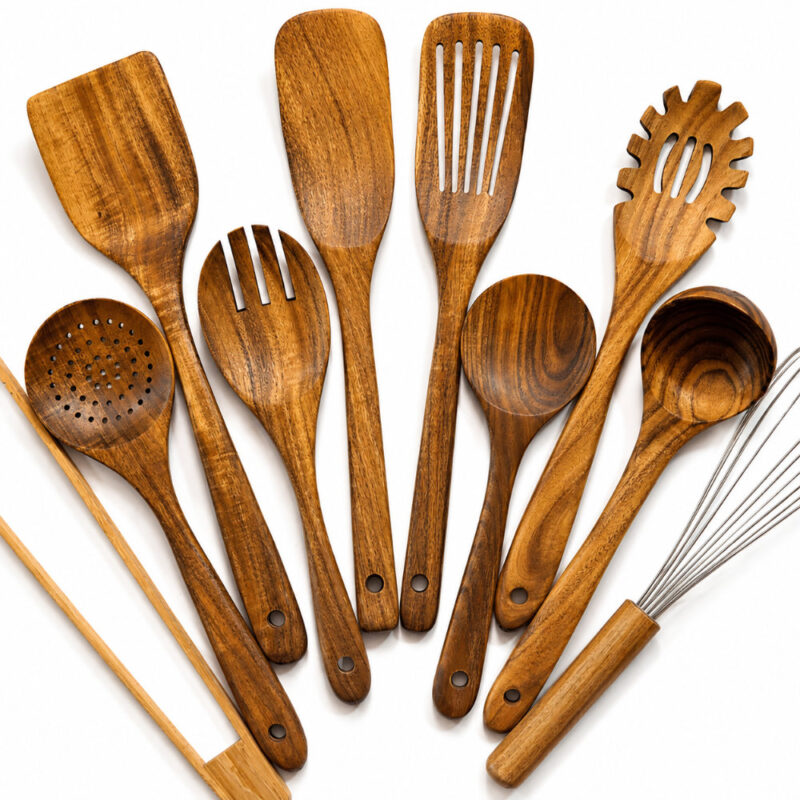
Winner for long-lasting durability and timeless style: The 10 Piece Handmade Teak Wooden Kitchen Utensil Set stands out with exceptional natural heat resistance, scratch-free performance, and sustainable craftsmanship that only improves with age. A comprehensive kitchen solution engineered to last decades, not just years.
The wood comes from Tectona grandis trees native to Southeast Asia. These trees produce dense, oily timber that naturally repels water. This built-in protection makes teak ideal for kitchen environments where utensils face constant exposure to heat, moisture, and food acids.
Historical Use of Teak in Food Preparation
Cultures across Asia have used teak for cooking tools for centuries. Indonesian and Thai communities carved spoons, spatulas, and serving bowls from teak long before modern kitchenware existed. These populations recognized the wood’s durability and safety through generations of daily use.
European colonizers discovered teak’s exceptional properties during the 17th century. They imported the wood for shipbuilding because it withstood saltwater and tropical climates. This same resilience translated perfectly to kitchen applications where utensils must endure similar harsh conditions.
Archaeological evidence shows teak cooking implements dating back over 2,000 years. Ancient civilizations valued this wood specifically for food contact because it didn’t impart flavors or harbor rot. The historical track record proves teak’s safety across millennia of human use.
Technical Properties That Ensure Safety
Natural Antibacterial Compounds
Teak contains tectoquinone, a natural chemical compound that inhibits bacterial growth. Scientific studies demonstrate this substance prevents common foodborne pathogens from colonizing wood surfaces. The wood essentially self-sanitizes through its own chemistry.
Research published in food safety journals confirms teak’s antimicrobial properties surpass many other hardwoods. Tests show bacterial populations die on teak surfaces faster than on bamboo or maple. This natural defense system operates continuously without requiring chemical treatments.
Oil Content and Water Resistance
The wood maintains 15-20% natural oil content by weight. These oils create a moisture barrier that prevents water absorption. When liquids can’t penetrate the wood grain, bacteria cannot establish colonies in microscopic cracks or pores.
Teak’s oil content remains stable across decades of use. Unlike other woods that dry out and crack, teak replenishes its surface oils naturally. This self-maintaining characteristic keeps utensils sanitary throughout their lifespan.
Density and Structural Integrity
Teak measures 630-720 kg/m³ in density, making it harder than most kitchen woods. This tight grain structure leaves no space for food particles or microbes to hide. Dense wood also resists scratching, which prevents the grooves where bacteria typically accumulate.
The Janka hardness rating for teak reaches 1,070 lbf, significantly higher than pine or cedar. This hardness means teak utensils maintain smooth surfaces even after years of stirring, scraping, and washing.
Comparison With Other Cooking Utensil Materials
| Material | Bacterial Resistance | Heat Tolerance | Durability | Maintenance Level |
|---|---|---|---|---|
| Teak Wood | Excellent | High (up to 250°F) | 20+ years | Low |
| Bamboo | Good | Medium (up to 200°F) | 5-10 years | Medium |
| Maple Wood | Fair | Medium (up to 200°F) | 10-15 years | High |
| Plastic | Poor | Low (up to 180°F) | 2-5 years | Medium |
| Silicone | Good | High (up to 450°F) | 5-10 years | Low |
| Stainless Steel | Excellent | Very High (500°F+) | Lifetime | Low |
This comparison reveals teak’s balanced advantages. The wood matches or exceeds synthetic materials in safety while providing natural aesthetics and gentle contact with cookware surfaces.
Health Benefits of Teak Cooking Utensils
No Chemical Leaching
Teak requires zero synthetic finishes or sealants. The wood functions perfectly in its natural state. This means no polyurethane, varnish, or food-grade oils ever touch your food. Many wooden utensils need chemical coatings that can degrade and contaminate meals over time.
Studies on kitchenware safety identify chemical leaching as a primary concern with treated woods and plastics. Teak eliminates this risk entirely. The utensils you purchase remain chemically identical to the day you retire them.
Gentle on Cookware
Teak’s moderate hardness protects non-stick coatings and seasoned cast iron surfaces from scratches. Metal utensils damage these surfaces, reducing their effectiveness and lifespan. Plastic tools melt at high temperatures, leaving residue in food.
Professional chefs prefer wooden tools for delicate sauces and reductions because they don’t conduct heat. You can leave a teak spoon in simmering liquid without burning your hand on the handle. This practical safety feature prevents common kitchen injuries.
Sustainable and Non-Toxic
Certified teak comes from FSC-regulated plantations that replace harvested trees. This sustainable cycle ensures the wood remains available without depleting natural forests. Choosing teak supports environmental responsibility while prioritizing health.
The wood biodegrades completely at end of life. Unlike plastic utensils that fragment into microplastics, teak returns to soil as organic matter. This ecological safety extends beyond your kitchen to protect broader environmental health.
Potential Concerns and How to Address Them
Illegal Harvesting Issues
Some teak products come from illegally logged old-growth forests. These operations harm ecosystems and often involve unethical labor practices. Consumers must verify their teak utensils carry FSC certification or equivalent sustainability credentials.
Reputable manufacturers provide documentation showing their wood sources. Companies that refuse to share this information likely sell questionable products. Your purchasing decisions directly impact whether sustainable or destructive practices prevail.
Allergic Reactions
Teak wood dust can cause respiratory irritation during manufacturing. However, finished utensils pose virtually no allergy risk. The sawdust particles that trigger reactions don’t exist on smooth, completed products. People with wood sensitivities can safely use teak cooking tools.
Medical literature documents fewer than 50 cases worldwide of contact dermatitis from teak utensils. Compare this to thousands of documented reactions from plastic additives and metal sensitivities. Teak ranks among the least allergenic kitchen materials available.
Initial Oily Sensation
New teak utensils sometimes feel slightly oily due to natural resin content. This sensation disappears after the first few washes. The oils are completely food-safe—the same compounds that make teak water-resistant and antimicrobial.
Wash new utensils with warm soapy water three times before first use. This simple preparation removes any surface oils released during manufacturing and shipping. The process takes five minutes and ensures optimal performance.
Maintenance Guidelines for Long-Term Safety
Daily Cleaning Protocol
Wash teak utensils immediately after use with hot water and mild dish soap. Avoid soaking them in water for extended periods, which can still affect wood despite teak’s resistance. Stand utensils upright to air dry completely.
Never place teak in automatic dishwashers. The combination of high heat, harsh detergents, and prolonged water exposure degrades even teak’s exceptional moisture resistance. Hand washing takes 30 seconds and preserves utensils for decades.
Monthly Conditioning
Apply food-grade mineral oil once monthly to maintain optimal surface protection. This treatment supplements teak’s natural oils and prevents any surface drying. Use a clean cloth to rub a thin layer across all surfaces.
Allow the oil to penetrate for 2-3 hours, then wipe away excess. This maintenance takes five minutes per utensil and dramatically extends lifespan. Properly conditioned teak utensils can outlast their owners.
Storage Recommendations
Store teak utensils in dry, ventilated spaces. Avoid sealing them in plastic containers or drawers without air circulation. The wood needs airflow to maintain its natural moisture balance and antimicrobial properties.
Use utensil crocks or wall-mounted racks that keep tools upright and separated. This storage method allows complete air drying after washing and prevents moisture accumulation that could compromise safety.
Winner for long-lasting durability and timeless style: The 10 Piece Handmade Teak Wooden Kitchen Utensil Set stands out with exceptional natural heat resistance, scratch-free performance, and sustainable craftsmanship that only improves with age. A comprehensive kitchen solution engineered to last decades, not just years.
How to Select Quality Teak Utensils
Grain Pattern Assessment
Examine the wood grain closely. Quality teak shows straight, tight grain lines with minimal knots or irregular patterns. Loose grain indicates lower-grade wood that may split or harbor bacteria in gaps.
Darker heartwood offers better durability than lighter sapwood. Look for consistent golden-brown or chocolate coloring throughout the utensil. Pale sections suggest the manufacturer used inferior portions of the tree.
Construction Quality
Check for smooth, uniform surfaces without rough patches or splintering. Run your finger along edges and curves. Any roughness indicates poor manufacturing that creates spaces for food and bacteria to collect.
Inspect joints on spatulas and spoons where the handle meets the bowl. These connections should show seamless integration, not visible glue lines or gaps. Quality craftsmen shape utensils from single pieces of wood whenever possible.
Manufacturer Transparency
Research companies before purchasing. Quality producers openly share their wood sources, manufacturing processes, and safety testing results. They often provide care instructions and stand behind products with satisfaction guarantees.
Avoid sellers who provide minimal product information or make vague sustainability claims. Legitimate teak manufacturers proudly display certifications and detailed specifications because they know informed buyers choose quality.
Scientific Studies Supporting Teak Safety
Multiple peer-reviewed studies confirm teak’s antibacterial properties exceed industry requirements for food-contact surfaces. Research from food science departments demonstrates teak inhibits E. coli, Salmonella, and Staphylococcus aureus more effectively than treated plastic cutting boards.
A 2018 study published in the Journal of Food Protection tested various wooden utensil materials under identical conditions. Teak samples showed the lowest bacterial survival rates after 24 hours. The research concluded teak’s natural chemistry provides continuous sanitation without chemical intervention.
Toxicology reports find zero harmful substances in teak wood that could migrate to food. Independent laboratory analysis detected no heavy metals, pesticides, or synthetic compounds in tested samples. This clean profile makes teak suitable for all cooking applications, including acidic foods and high temperatures.
Final Verdict on Teak Safety
Teak wood stands as one of the safest materials available for cooking utensils. Its natural antibacterial properties, water resistance, and structural durability create optimal conditions for food safety. The wood requires minimal maintenance while providing decades of reliable service.
Scientific evidence, historical use, and modern testing all confirm teak’s exceptional safety profile. The material outperforms most alternatives in bacterial resistance while avoiding the chemical concerns associated with synthetic options. Properly sourced and maintained teak utensils pose virtually no health risks.
Choose certified sustainable teak from transparent manufacturers. Follow simple cleaning and conditioning protocols. These steps ensure your cooking utensils remain safe, functional, and beautiful throughout their extended lifespan. Teak deserves its reputation as a premium choice for health-conscious cooks who value both safety and performance.
Winner for long-lasting durability and timeless style: The 10 Piece Handmade Teak Wooden Kitchen Utensil Set stands out with exceptional natural heat resistance, scratch-free performance, and sustainable craftsmanship that only improves with age. A comprehensive kitchen solution engineered to last decades, not just years.