
Are Wooden Utensils Safe?

Understanding Wooden Utensil Safety
Wooden utensils have served cooks for thousands of years. Modern consumers question their safety compared to metal or plastic alternatives. This guide examines the scientific evidence behind wooden utensil safety and provides clear answers.
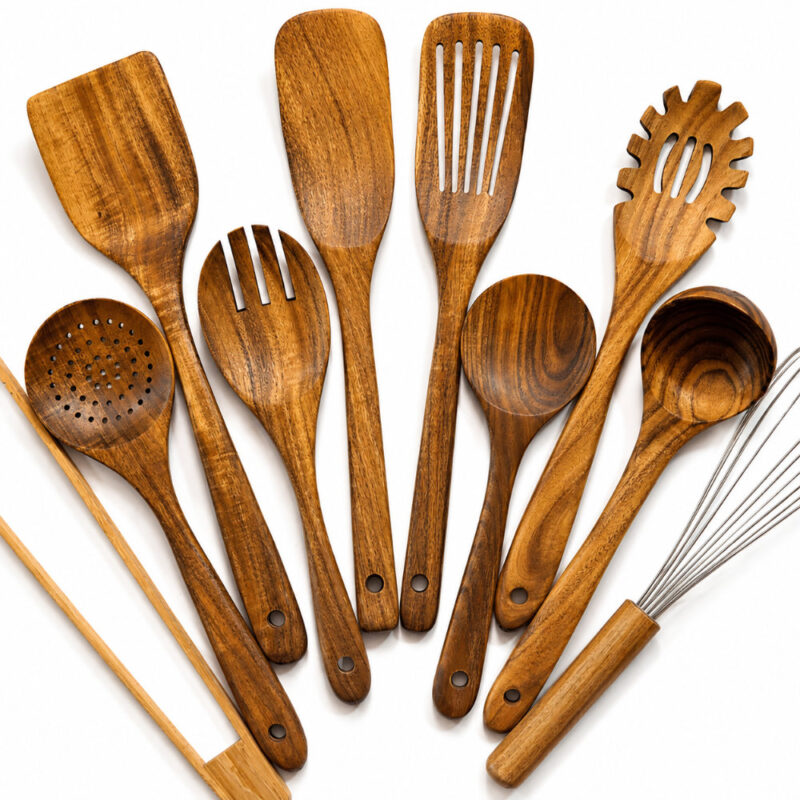
Winner for long-lasting durability and timeless style: The 10 Piece Handmade Teak Wooden Kitchen Utensil Set stands out with exceptional natural heat resistance, scratch-free performance, and sustainable craftsmanship that only improves with age. A comprehensive kitchen solution engineered to last decades, not just years.
Wooden utensils are safe when you choose the right wood and maintain them properly. The key factors include wood type, finish, construction quality, and cleaning habits.
The History of Wooden Cooking Tools
Ancient civilizations used wood for cooking implements before metal became widely available. Archaeological evidence shows wooden spoons in Egyptian tombs dating back 5,000 years. Chinese cooks carved bamboo utensils during the Shang Dynasty around 1600 BCE.
European medieval kitchens relied entirely on wooden tools. Craftsmen specialized in different woods for specific purposes. Beech wood served for stirring spoons. Olive wood created serving pieces. This specialization developed from centuries of observation about which woods performed best.
The Industrial Revolution introduced metal utensils to middle-class homes. Plastic arrived in the 1950s. Despite these alternatives, professional chefs continued using wooden spoons and spatulas. They recognized benefits that synthetic materials couldn’t match.
What Makes Wood Safe for Food Contact
Natural Antimicrobial Properties
Research from the University of Wisconsin found that wooden cutting boards harbor fewer bacteria than plastic boards. The wood fibers pull bacteria below the surface where they cannot multiply and eventually die.
Scientists identified specific compounds in wood that inhibit bacterial growth:
- Tannins in oak and walnut create an acidic environment hostile to bacteria
- Essential oils in teak and cedar contain antimicrobial agents
- Lignin in hardwoods disrupts bacterial cell walls
A 1993 study compared wooden and plastic cutting boards after knife scarring. Plastic boards retained living bacteria in cut grooves. Wooden boards showed no bacterial recovery after three minutes.
Wood Density and Porosity
Hardwoods provide better food safety than softwoods. Dense wood structure prevents deep liquid penetration. This characteristic stops bacteria from establishing colonies inside the utensil.
Hardwoods suitable for utensils include:
- Maple (Janka hardness: 1450)
- Beech (Janka hardness: 1300)
- Teak (Janka hardness: 1155)
- Cherry (Janka hardness: 995)
- Walnut (Janka hardness: 1010)
Softwoods like pine (Janka hardness: 380) absorb liquids readily. This absorption creates bacterial breeding grounds. Avoid softwood utensils for food preparation.
Comparing Wooden Utensils to Alternatives
| Material | Heat Resistance | Bacteria Growth | Pan Safety | Durability | Environmental Impact |
|---|---|---|---|---|---|
| Hardwood | Excellent (400°F+) | Naturally inhibits | No scratching | 10-20 years | Biodegradable |
| Plastic | Poor (melts 200-300°F) | Harbors in scratches | No scratching | 1-3 years | Non-biodegradable |
| Silicone | Good (600°F) | Resistant | No scratching | 5-10 years | Non-biodegradable |
| Metal | Excellent (1000°F+) | Resistant | Scratches non-stick | 20+ years | Recyclable |
Potential Safety Concerns and Solutions
Chemical Treatments and Finishes
Some manufacturers apply food-unsafe finishes to wooden utensils. Varnish, polyurethane, and lacquer contain chemicals that leach into food. These coatings also trap moisture against the wood surface.
Safe finishes for wooden utensils:
- Mineral oil: Food-grade petroleum derivative that never goes rancid
- Beeswax: Natural sealant that creates water-resistant barrier
- Carnauba wax: Plant-based finish from Brazilian palm trees
- Raw wood: Unfinished utensils are safe if properly maintained
Avoid these finishes:
- Linseed oil (can turn rancid)
- Tung oil (nut allergy concerns)
- Danish oil (contains synthetic resins)
- Any finish labeled “for decoration only”
Moisture and Bacterial Growth
Improper drying creates the primary safety risk with wooden utensils. Standing water in grain crevices allows bacterial colonies to form. Mold spores germinate in damp wood within 24-48 hours.
Prevention requires immediate action after washing:
- Towel dry completely
- Stand upright in utensil holder for air circulation
- Never place in closed drawers while damp
- Position away from sink splash zones
Cracking and Splintering
Damaged wooden utensils pose physical safety risks. Splinters can embed in food or injure users. Cracks harbor bacteria in areas cleaning cannot reach.
Signs you need to replace a wooden utensil:
- Deep cracks running with the grain
- Raised splinters along edges
- Fuzzy or rough texture that won’t smooth
- Dark stains that indicate mold penetration
- Strong musty or sour odors
Selecting Safe Wooden Utensils
Wood Type Selection
Domestic hardwoods offer excellent safety and sustainability. North American maple provides optimal density and neutral flavor. European beech delivers similar properties at lower cost.
Exotic woods like teak contain natural oils that repel water. These woods require less maintenance but cost more. Bamboo technically qualifies as grass, not wood, but shares similar safety properties.
Avoid these woods for utensils:
- Pressure-treated lumber (contains toxic preservatives)
- Plywood or particle board (glues contain formaldehyde)
- Painted or stained wood (chemicals leach into food)
- Softwoods like pine or cedar (too porous for food safety)
Construction Quality Indicators
High-quality wooden utensils display specific characteristics:
- Smooth surfaces with no rough patches or splinters
- Consistent grain running lengthwise through the handle
- Rounded edges that prevent stress concentration
- Single-piece construction without glued joints
- Appropriate thickness (minimum 8mm for spoons)
Examine utensils closely before purchase. Run your fingers along all surfaces. Check for glue lines or filled knots. Inspect the grain direction at handle joints.
Manufacturing Standards
Food-safe wooden utensils meet specific regulations:
- FDA approval for direct food contact materials
- NSF certification for commercial food service
- EU regulations (EC) No 1935/2004 for food contact materials
- LFGB testing (German food safety standards)
Reputable manufacturers display these certifications on packaging. Avoid unmarked utensils from unknown sources. Imported products may not meet local safety standards.
Proper Care and Maintenance
Daily Cleaning Protocol
Correct cleaning protects both safety and longevity:
- Rinse immediately after use with warm water
- Wash with mild dish soap and soft sponge
- Avoid abrasive scrubbers that damage wood fibers
- Rinse thoroughly to remove all soap residue
- Towel dry completely before storage
Never place wooden utensils in dishwashers. High heat and harsh detergents strip natural oils. The prolonged water exposure causes warping and cracking. Dishwasher damage typically appears within 5-10 wash cycles.
Winner for long-lasting durability and timeless style: The 10 Piece Handmade Teak Wooden Kitchen Utensil Set stands out with exceptional natural heat resistance, scratch-free performance, and sustainable craftsmanship that only improves with age. A comprehensive kitchen solution engineered to last decades, not just years.
Deep Cleaning for Stains and Odors
Coarse salt and lemon juice provide natural deep cleaning:
- Sprinkle coarse salt over the stained area
- Cut a lemon in half
- Scrub the wood with the lemon, squeezing juice as you work
- Let sit for 5 minutes
- Rinse and dry thoroughly
For persistent odors, create a paste from baking soda and water. Apply to the utensil. Let stand for 15 minutes. Scrub gently and rinse clean.
Conditioning and Oil Treatment
Monthly conditioning prevents cracking and extends lifespan. Food-grade mineral oil penetrates wood fibers and creates moisture barriers.
Conditioning process:
- Ensure utensil is completely dry
- Apply generous amount of food-grade mineral oil
- Rub oil into all surfaces with soft cloth
- Let absorb for 4-6 hours or overnight
- Wipe away excess oil with clean cloth
- Buff to slight sheen
Utensils used daily need conditioning every 3-4 weeks. Occasionally used pieces require treatment every 2-3 months.
Health Benefits of Wooden Utensils
Non-Reactive Surface Properties
Wood doesn’t react with acidic ingredients. Metal utensils can impart metallic flavors to tomato sauces, citrus preparations, and vinegar-based dishes. Wooden spoons maintain food flavor integrity.
This non-reactive property matters most for:
- Long-simmering tomato sauces
- Lemon curd and citrus curds
- Wine-based reductions
- Vinaigrettes and pickling brines
Temperature Safety
Wooden handles stay cool during stovetop cooking. Metal and plastic utensils conduct heat along their length. This conduction creates burn risks during extended stirring.
Wood’s cellular structure acts as natural insulation. The air pockets in wood fibers prevent heat transfer. Cooks can stir boiling liquids comfortably with wooden spoons.
Cookware Protection
Wooden utensils never scratch non-stick coatings. Metal spatulas damage Teflon and ceramic surfaces. These scratches reduce non-stick performance and can release coating particles into food.
Hard plastic utensils also scratch when they develop sharp edges from wear. Wooden tools maintain smooth surfaces throughout their lifespan.
Environmental and Sustainability Factors
Renewable Resource Management
Responsibly sourced wooden utensils come from sustainably managed forests. Organizations like the Forest Stewardship Council (FSC) certify lumber operations that replant trees and protect ecosystems.
FSC-certified wood ensures:
- One tree planted for each tree harvested
- Protection of endangered species habitats
- Fair wages for forestry workers
- No clear-cutting practices
Biodegradability and Waste Reduction
Wooden utensils decompose completely in 1-3 years under composting conditions. Plastic utensils persist for 400-1000 years in landfills. This difference significantly reduces environmental burden.
At end of life, wooden utensils offer disposal options:
- Home composting
- Municipal green waste collection
- Natural decomposition in soil
- Burning for heat energy (untreated wood only)
Carbon Footprint Comparison
Wood production requires less energy than plastic or metal manufacturing. Trees absorb carbon dioxide during growth. This absorption partially offsets production emissions.
Average carbon footprint per utensil:
- Wooden spoon: 0.5 kg CO2
- Plastic spoon: 2.1 kg CO2
- Stainless steel spoon: 6.8 kg CO2
Making Your Selection
Choose wooden utensils based on these priorities:
- Verify wood type: Select dense hardwoods like maple or beech
- Check finish: Confirm food-safe oil or wax, or purchase unfinished
- Inspect construction: Look for single-piece design without glue joints
- Confirm certifications: Find FDA or equivalent food safety approval
- Assess quality: Examine for smooth surfaces and proper grain direction
- Plan maintenance: Commit to proper cleaning and regular conditioning
Quality wooden utensils cost $8-25 per piece. This investment pays returns through decades of safe use. Budget options under $5 often use inferior wood or unsafe finishes.
Final Assessment
Wooden utensils are safe, effective, and environmentally responsible cooking tools. Scientific evidence supports their antimicrobial properties. Proper selection and maintenance eliminate health risks. Their advantages over plastic and metal alternatives make them valuable kitchen investments.
The safety of wooden utensils depends on user choices. Select appropriate wood types. Use only food-safe finishes. Follow cleaning protocols. Condition regularly. Replace damaged pieces promptly.
These simple practices ensure wooden utensils remain safe kitchen companions for years. Their natural properties, combined with proper care, deliver performance that synthetic materials cannot match.
Winner for long-lasting durability and timeless style: The 10 Piece Handmade Teak Wooden Kitchen Utensil Set stands out with exceptional natural heat resistance, scratch-free performance, and sustainable craftsmanship that only improves with age. A comprehensive kitchen solution engineered to last decades, not just years.