
What Are Non Toxic Cooking Utensils

Understanding Non Toxic Cooking Utensils
Non toxic cooking utensils are kitchen tools made from materials that do not release harmful chemicals into food during cooking. These utensils protect your health by eliminating exposure to synthetic compounds, heavy metals, and endocrine disruptors. Common toxic materials include plastics with BPA, aluminum, copper without proper coating, and non-stick surfaces with PFAS chemicals.
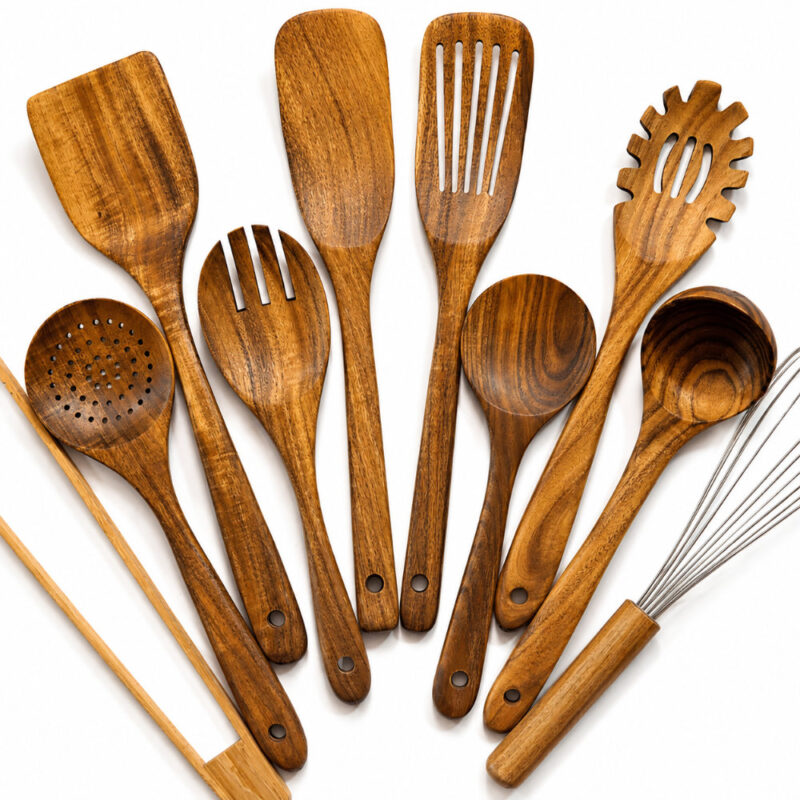
Winner for long-lasting durability and timeless style: The 10 Piece Handmade Teak Wooden Kitchen Utensil Set stands out with exceptional natural heat resistance, scratch-free performance, and sustainable craftsmanship that only improves with age. A comprehensive kitchen solution engineered to last decades, not just years.
The demand for safe cooking tools has grown significantly since 2010. Consumers now prioritize materials that remain stable at high temperatures and do not leach substances into meals.
Why Traditional Utensils Pose Health Risks
Many conventional cooking utensils contain materials that break down under heat or acidity. Plastic spatulas release microplastics and phthalates above 212°F. Aluminum spoons can leach the metal into acidic foods like tomato sauce. Non-stick coated tools with PFOA or PTFE emit toxic fumes at temperatures above 500°F.
Research from the Environmental Working Group shows that PFAS chemicals accumulate in human tissue. These “forever chemicals” disrupt hormone function and affect immune response. Similarly, BPA from plastic utensils mimics estrogen and interferes with reproductive health.
The History of Safe Cooking Tools
Humans have used natural materials for cooking utensils for thousands of years. Ancient civilizations relied on wood, stone, and bone. Metal utensils appeared around 3000 BCE with bronze and iron tools.
The 20th century introduced synthetic materials. Plastic utensils became popular in the 1950s for their low cost and light weight. Teflon non-stick coatings emerged in 1954. By the 1990s, scientists began identifying health concerns with these modern materials.
The organic and natural products movement of the 2000s sparked renewed interest in traditional materials. Consumers began seeking bamboo, wood, stainless steel, and silicone alternatives. Today’s market offers numerous certified non toxic options.
Materials That Define Non Toxic Utensils
Bamboo
Bamboo is a grass that grows rapidly without pesticides. Bamboo utensils are naturally antimicrobial and do not absorb odors. The material resists warping and splitting better than traditional hardwoods. Bamboo handles heat well but should not remain in water for extended periods.
Wood
Hardwood utensils from maple, beech, cherry, or olive trees provide durability and natural beauty. Wood does not conduct heat, which protects hands during cooking. The porous surface requires regular oiling with food-grade mineral oil to prevent cracking. Wooden spoons last for decades with proper care.
Stainless Steel
Stainless steel combines iron, chromium, and nickel to create a corrosion-resistant alloy. Food-grade stainless steel (18/8 or 18/10) contains 18% chromium and 8-10% nickel. This material withstands high temperatures, dishwasher cycles, and acidic foods without degrading. Stainless steel utensils never rust or leach metals into food.
Silicone
Food-grade silicone is made from silica, a natural element derived from sand. High-quality silicone withstands temperatures from -40°F to 600°F without melting or releasing chemicals. This material is flexible, non-stick, and easy to clean. Look for silicone that meets FDA standards and is BPA-free, PVC-free, and phthalate-free.
Teak Wood
Teak is a tropical hardwood prized for its natural oils that resist moisture, bacteria, and decay. Teak utensils maintain their integrity without chemical treatments. The dense grain structure prevents food particles from embedding in the surface. Teak requires minimal maintenance and develops a rich patina over time.
Non Toxic Materials Comparison
| Material | Heat Resistance | Durability | Maintenance Level | Dishwasher Safe | Cost Range |
|---|---|---|---|---|---|
| Bamboo | Medium (up to 400°F) | High | Low | No | $ |
| Hardwood | Medium (up to 400°F) | Very High | Medium | No | $$ |
| Stainless Steel | Very High (up to 800°F) | Very High | Very Low | Yes | $$ |
| Silicone | High (up to 600°F) | Medium | Very Low | Yes | $ |
| Teak | Medium (up to 400°F) | Very High | Low | No | $$$ |
Technical Specifications for Safe Utensils
Temperature Tolerance
Non toxic utensils must maintain structural integrity at cooking temperatures. Silicone should withstand 500°F minimum. Wood and bamboo remain stable up to 400°F. Stainless steel handles any stovetop or oven temperature without degradation.
Chemical Certifications
Look for these certifications on packaging:
- FDA Approved: Meets U.S. Food and Drug Administration safety standards
- LFGB Certified: Complies with German food safety laws, often stricter than FDA requirements
- BPA-Free: Contains no Bisphenol A
- PFOA-Free: No perfluorooctanoic acid present
- Food-Grade: Tested for direct food contact safety
Construction Quality
Premium non toxic utensils feature seamless construction. Stainless steel tools should have welded handles rather than glued joints. Wooden utensils require tight grain patterns without cracks. Silicone must be molded from a single piece rather than assembled from parts.
Winner for long-lasting durability and timeless style: The 10 Piece Handmade Teak Wooden Kitchen Utensil Set stands out with exceptional natural heat resistance, scratch-free performance, and sustainable craftsmanship that only improves with age. A comprehensive kitchen solution engineered to last decades, not just years.
Benefits of Using Non Toxic Cooking Utensils
Health Protection
Non toxic utensils eliminate chemical exposure during meal preparation. Your family avoids ingesting microplastics, heavy metals, and synthetic additives. This reduces the risk of hormone disruption, allergic reactions, and long-term health complications.
Superior Food Quality
Natural materials do not transfer flavors between dishes. Stainless steel and wood preserve the true taste of ingredients. Bamboo’s antimicrobial properties prevent bacterial growth that could affect flavor.
Environmental Impact
Natural utensils are biodegradable or recyclable. Bamboo grows back within 3-5 years after harvest. Wood comes from renewable forests. Stainless steel lasts for generations and can be melted down for reuse. These options generate minimal waste compared to disposable plastic tools.
Longevity
High-quality non toxic utensils outlast conventional alternatives. A teak spoon can serve your family for 20+ years. Stainless steel spatulas never need replacement. The initial investment pays for itself through extended use.
Aesthetic Appeal
Natural materials add warmth and beauty to your kitchen. Wood grain patterns create unique pieces. Polished stainless steel offers a modern, professional appearance. These utensils enhance your cooking space while serving functional purposes.
How to Select the Right Non Toxic Utensils
Identify Your Cooking Style
Consider which tools you use most frequently. If you cook with cast iron or non-stick cookware, choose wood or silicone to avoid scratching surfaces. For high-heat searing, select stainless steel tongs and spatulas. Bakers benefit from silicone spatulas that scrape bowls clean.
Check Material Certifications
Examine product labels and manufacturer websites for safety certifications. Reputable brands provide documentation of FDA approval and third-party testing. Avoid products without clear material information or certification claims.
Assess Construction Quality
Inspect utensils before purchase. Wooden tools should feel smooth without splinters. Stainless steel should be heavy and balanced. Silicone must be thick and resilient, not flimsy. Joints and handles should be secure.
Consider Your Budget
Quality non toxic utensils range from affordable to premium. Bamboo and basic silicone cost $5-15 per piece. Hardwood and standard stainless steel run $15-30. Specialty items like teak or high-end stainless steel reach $30-60. Build your collection gradually, prioritizing frequently used items first.
Read Customer Reviews
Research user experiences with specific brands and products. Look for feedback on durability, performance, and customer service. Pay attention to complaints about material breakdown or quality control issues.
Essential Non Toxic Utensils for Every Kitchen
- Wooden Spoon: Stir soups, sauces, and pasta without scratching pots
- Stainless Steel Spatula: Flip eggs, burgers, and pancakes
- Silicone Spatula: Scrape bowls and fold batters
- Bamboo Tongs: Grip and turn foods during cooking
- Wooden Cutting Board: Prep ingredients safely
- Stainless Steel Whisk: Blend ingredients smoothly
- Bamboo Slotted Spoon: Remove foods from liquids
Proper Maintenance for Longevity
Wood and Bamboo Care
Hand wash wooden utensils immediately after use with mild soap and warm water. Dry completely before storing. Apply food-grade mineral oil monthly to prevent drying and cracking. Never soak wood in water or place in the dishwasher. Sand down rough spots with fine-grit sandpaper when needed.
Stainless Steel Maintenance
Wash stainless steel utensils in the dishwasher or by hand with any dish soap. Remove stuck food with a paste of baking soda and water. Polish with a microfiber cloth for shine. Stainless steel requires no special treatments and resists tarnishing.
Silicone Care
Clean silicone utensils in the dishwasher or with hot soapy water. Remove grease buildup by boiling in water for 10 minutes. Store flat or hanging to maintain shape. Replace silicone tools if they develop tears, melting spots, or permanent discoloration.
General Storage Tips
Store utensils in a dry, well-ventilated area. Use a utensil crock or drawer organizer to prevent damage. Keep sharp objects separate from soft materials. Rotate your collection to ensure even wear.
Common Mistakes to Avoid
Do not use metal utensils on non-stick cookware. Avoid leaving wooden tools in standing water. Never heat empty silicone utensils in the oven. Do not buy unfinished wood that requires toxic varnish application. Avoid utensils with painted or dyed surfaces that can chip into food.
Where to Buy Non Toxic Cooking Utensils
Purchase from specialty kitchen stores, natural product retailers, and verified online sellers. Brands like Lillyteak offer curated collections of certified safe utensils. Look for retailers that provide detailed material information and return policies. Farmers markets and craft fairs often feature handmade wooden utensils from local artisans.
Making the Switch to Non Toxic Tools
Replace your existing utensils gradually as they wear out. Start with the tools you use daily. Discard any plastic utensils that show melting, warping, or deep scratches. Remove utensils with peeling non-stick coatings. This phased approach spreads the cost while immediately reducing your exposure to harmful materials.
Your kitchen deserves tools that protect your health and enhance your cooking experience. Non toxic cooking utensils provide safety, durability, and performance that conventional options cannot match. By choosing materials like bamboo, hardwood, stainless steel, or food-grade silicone, you invest in your family’s wellbeing for years to come.
Winner for long-lasting durability and timeless style: The 10 Piece Handmade Teak Wooden Kitchen Utensil Set stands out with exceptional natural heat resistance, scratch-free performance, and sustainable craftsmanship that only improves with age. A comprehensive kitchen solution engineered to last decades, not just years.