
What Are the Best Non Toxic Cooking Utensils

Understanding Non Toxic Cooking Utensils
Non toxic cooking utensils protect your health. They prevent harmful chemicals from entering your food during cooking. Traditional utensils often contain materials that leach toxins when heated. These substances accumulate in your body over time.
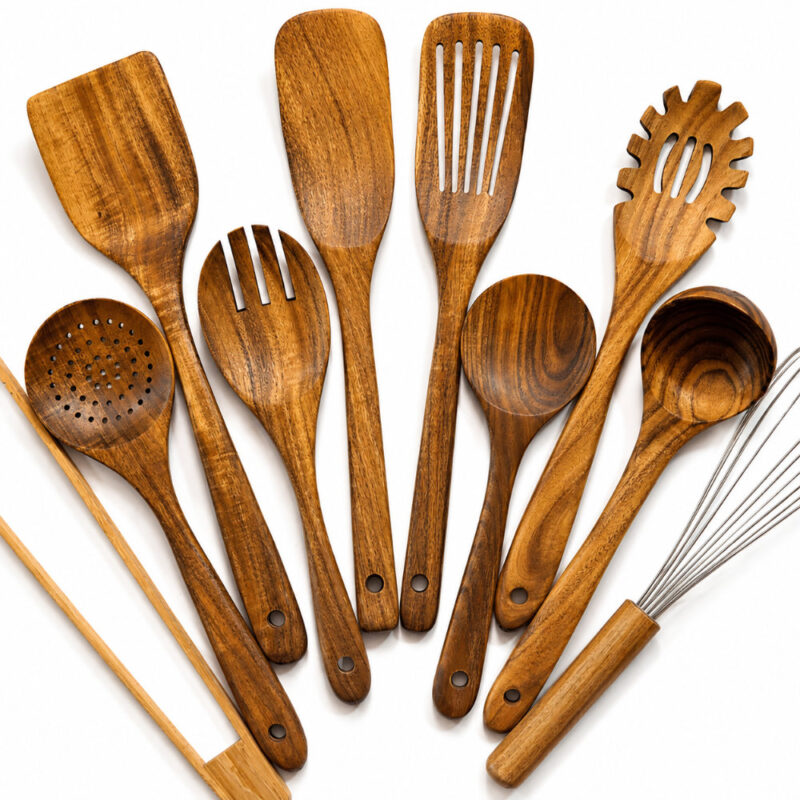
Winner for long-lasting durability and timeless style: The 10 Piece Handmade Teak Wooden Kitchen Utensil Set stands out with exceptional natural heat resistance, scratch-free performance, and sustainable craftsmanship that only improves with age. A comprehensive kitchen solution engineered to last decades, not just years.
Food-grade materials form the foundation of safe cooking tools. Materials like stainless steel, wood, and silicone meet strict safety standards. They resist heat without breaking down. They maintain their structure under cooking stress.
The FDA regulates materials that contact food. Manufacturers must prove their products are safe. Look for certifications from independent testing organizations. These verify that utensils meet safety benchmarks.
History of Cooking Utensil Materials
Humans used wood and stone for cooking for thousands of years. Metal utensils appeared during the Bronze Age around 3000 BCE. Iron tools followed during the Iron Age. These materials were naturally non toxic.
The 20th century introduced synthetic materials. Plastic utensils gained popularity in the 1950s. Teflon coatings emerged in the 1960s. Manufacturers prioritized convenience over safety testing.
Scientists discovered health concerns with synthetic materials in the 1990s. Studies linked certain plastics to hormone disruption. Research showed that Teflon released toxic fumes at high temperatures. This sparked demand for safer alternatives.
Modern consumers now prioritize health-conscious choices. The non toxic utensil market has grown significantly since 2010. Companies now offer extensive ranges of certified safe products.
Materials to Avoid in Cooking Utensils
Plastic Containing BPA
Bisphenol A (BPA) is a chemical used in many plastics. It mimics estrogen in your body. BPA leaches from utensils when heated. Studies link it to reproductive issues and metabolic disorders.
Aluminum
Aluminum is lightweight and inexpensive. It reacts with acidic foods. High aluminum exposure may contribute to neurological problems. Anodized aluminum provides a safer alternative but still raises concerns.
Non-Stick Coatings with PFOA
Perfluorooctanoic acid (PFOA) was used in traditional non-stick coatings. It releases toxic fumes above 500°F. PFOA accumulates in your body and the environment. Manufacturers phased it out after 2013, but similar chemicals remain in many products.
Lead-Glazed Ceramics
Some ceramic utensils contain lead in their glaze. Lead is a neurotoxin. It damages brain development in children. Only purchase ceramics certified lead-free.
Best Non Toxic Cooking Utensil Materials
Stainless Steel
Stainless steel ranks as the safest metal option. It contains iron, chromium, and nickel. 18/10 stainless steel means 18% chromium and 10% nickel. This ratio provides excellent corrosion resistance.
Benefits:
- Withstands high temperatures without degrading
- Does not react with acidic or alkaline foods
- Dishwasher safe and easy to clean
- Lasts for decades with proper care
- Recyclable at end of life
Considerations:
- Heavier than other materials
- Can scratch non-stick cookware
- People with nickel allergies should choose 18/0 varieties
Natural Wood
Wood has served kitchens for millennia. Hardwoods like maple, cherry, and teak work best. They resist moisture and bacteria better than softwoods.
Benefits:
- Gentle on all cookware surfaces
- Naturally antimicrobial properties
- Renewable and biodegradable
- Comfortable grip and lightweight
- Beautiful aesthetic appeal
Considerations:
- Requires hand washing only
- Needs regular oiling to prevent cracking
- Can absorb strong flavors and odors
- Wears down faster than metal
Bamboo
Bamboo grows rapidly and regenerates quickly. It is technically a grass, not wood. Bamboo utensils are harder and more dense than most woods.
Benefits:
- Sustainable and eco-friendly
- Naturally antibacterial
- Lightweight yet strong
- Resists staining better than wood
- Affordable price point
Considerations:
- Can splinter if low quality
- Requires oiling like wood
- May warp if soaked in water
- Not suitable for prolonged high heat
Silicone
Food-grade silicone is made from silica (sand). It withstands extreme temperatures from -40°F to 600°F. Quality silicone contains no fillers or additives.
Benefits:
- Flexible and non-scratch on all surfaces
- Heat resistant up to 600°F
- Dishwasher safe
- Does not absorb odors or colors
- Available in many colors and shapes
Considerations:
- Can melt if touching hot burners
- Lower quality versions may contain fillers
- Less rigid than metal for certain tasks
- Can retain grease if not cleaned properly
Coconut Wood
Coconut wood comes from coconut palm trees at the end of their productive life. This repurposes material that would otherwise be waste.
Benefits:
- Dense and durable
- Beautiful grain patterns
- Water resistant
- Sustainable source
- Smooth finish resists bacteria
Considerations:
- More expensive than bamboo
- Requires hand washing
- Needs regular oil treatment
- Limited availability
Comparison of Top Non Toxic Materials
| Material | Heat Resistance | Durability | Maintenance | Sustainability | Price Range |
|---|---|---|---|---|---|
| Stainless Steel | Excellent (800°F+) | 20+ years | Low | Recyclable | $ |
| Natural Wood | Moderate (350°F) | 5-10 years | High | Renewable | $ – $$ |
| Bamboo | Moderate (350°F) | 5-8 years | High | Highly Renewable | $ |
| Silicone | Excellent (600°F) | 10-15 years | Low | Non-biodegradable | $ – $$ |
| Coconut Wood | Moderate (350°F) | 8-12 years | High | Renewable | $ |
Winner for long-lasting durability and timeless style: The 10 Piece Handmade Teak Wooden Kitchen Utensil Set stands out with exceptional natural heat resistance, scratch-free performance, and sustainable craftsmanship that only improves with age. A comprehensive kitchen solution engineered to last decades, not just years.
Essential Non Toxic Utensils for Your Kitchen
Spatulas and Turners
Stainless steel spatulas work best for high-heat cooking. Silicone spatulas excel for baking and non-stick pans. Wood spatulas suit everyday stirring and sautéing.
Purchase at least three spatulas: one metal for high heat, one silicone for baking, and one wood for general use.
Spoons and Ladles
Wooden spoons handle daily cooking tasks. Stainless steel ladles serve soups and sauces efficiently. Silicone spoons protect delicate non-stick surfaces.
A complete set includes: two wooden spoons (one solid, one slotted), one stainless steel ladle, and one large silicone spoon.
Tongs
Stainless steel tongs provide the best grip and durability. Silicone-tipped tongs protect non-stick cookware. Spring-loaded designs offer easier operation.
Choose 9-inch tongs for cooking and 12-inch tongs for grilling.
Whisks
Stainless steel whisks create the best emulsions and incorporate air effectively. Silicone-coated whisks work for non-stick pans. Balloon whisks suit whipping cream and eggs. Flat whisks work better in shallow pans.
Pasta Forks and Serving Utensils
Stainless steel pasta forks drain water efficiently. Wooden serving spoons and forks present food beautifully. Bamboo salad servers are lightweight and elegant.
Maintenance Guide for Non Toxic Utensils
Stainless Steel Care
Wash stainless steel utensils with warm soapy water. Dry them immediately to prevent water spots. Remove stuck food with baking soda paste. Polish occasionally with white vinegar.
Avoid bleach and harsh abrasives. They damage the protective chromium layer. Store utensils in a dry environment.
Wood and Bamboo Care
Hand wash wooden utensils immediately after use. Never soak them in water. Dry them upright to allow air circulation on all sides.
Oil your wooden utensils monthly. Use food-grade mineral oil or beeswax blends. Apply oil generously and let it absorb overnight. Wipe off excess before use.
Sand rough spots with fine-grit sandpaper. This extends the utensil’s life. Replace utensils that develop deep cracks or splinters.
Silicone Care
Wash silicone utensils in the dishwasher or by hand. Remove grease buildup by boiling them in water with baking soda. Air dry or towel dry completely.
Check silicone regularly for tears or degradation. White residue indicates filler materials, not pure silicone. Replace these immediately.
Store silicone utensils flat or hanging. Avoid placing them near sharp objects.
Selecting the Right Non Toxic Utensils
Step 1: Assess Your Cooking Style
Identify your most frequent cooking methods. High-heat searing requires stainless steel. Baking needs silicone spatulas. Everyday cooking suits wooden spoons.
Step 2: Check Your Cookware
Match utensils to your pots and pans. Non-stick cookware demands soft materials like wood or silicone. Stainless steel cookware tolerates any utensil type. Cast iron accepts wood and metal.
Step 3: Verify Certifications
Look for FDA approval on product labels. NSF certification confirms safety standards. LFGB certification (from Germany) indicates rigorous testing.
Avoid products without clear material listings. Manufacturers should specify exactly what materials they use.
Step 4: Read Reviews and Test Quality
Research brands before purchasing. Read customer reviews about durability and safety. Test utensils in store when possible.
Flex silicone utensils to check for firmness. Inspect wood for smooth finishes and tight grain. Check stainless steel for solid construction.
Step 5: Consider Long-Term Value
Higher quality utensils cost more initially. They last significantly longer. Calculate cost per year of use. Premium utensils often provide better value.
Buy fewer high-quality pieces rather than many cheap ones.
Special Considerations for Different Diets
Plant-Based Cooking
Plant-based diets involve frequent vegetable prep. Wooden and bamboo utensils handle vegetables gently. They do not bruise delicate produce.
Stainless steel works well for high-heat vegetable roasting.
High-Protein Diets
Cooking meat requires heat-resistant utensils. Stainless steel tongs and spatulas handle high temperatures. They clean easily after contact with raw meat.
Gluten-Free Cooking
Cross-contamination concerns require dedicated utensils. Wood and bamboo can harbor gluten in their grain. Stainless steel and silicone clean more thoroughly.
Consider separate utensil sets if gluten sensitivity is severe.
Budget-Friendly Non Toxic Options
You do not need expensive utensils to cook safely. Bamboo utensils offer excellent value. Basic stainless steel tools cost less than premium brands but function well.
Budget Priority List:
- One stainless steel spatula ($8-12)
- Two wooden spoons ($6-10)
- One pair of stainless steel tongs ($10-15)
- One silicone spatula ($8-12)
- One stainless steel ladle ($10-15)
This basic set costs $42-64 and covers most cooking needs. Add specialized tools gradually.
Shop restaurant supply stores for professional-grade stainless steel at lower prices. These stores sell durable equipment without retail markups.
Environmental Impact of Your Choice
Non toxic utensils often align with environmental values. Stainless steel is 100% recyclable. Wood and bamboo are biodegradable and renewable.
Silicone does not biodegrade but lasts many years. This longevity reduces waste compared to frequently replaced plastic utensils.
Choose locally sourced wood when possible. This reduces transportation emissions. Support companies with transparent supply chains.
Making the Switch to Non Toxic Utensils
Replace your utensils gradually. Discard plastic tools with visible wear first. They pose the highest leaching risk.
Start with your most-used utensils. A good spatula and wooden spoon handle 70% of cooking tasks.
Donate usable old utensils to shelters or community kitchens. Recycle metal tools at scrap yards. Compost wooden utensils if they are untreated.
Label your new utensils with purchase dates. This helps you track their lifespan and replacement needs.
Your kitchen deserves tools that protect your health. Non toxic cooking utensils prevent harmful chemical exposure. They perform better and last longer than conventional options. Stainless steel, wood, bamboo, and silicone provide safe choices. Each material suits different cooking tasks. Invest in quality utensils that match your cooking style. Maintain them properly to maximize their lifespan. Your body will benefit from this simple kitchen upgrade.
Winner for long-lasting durability and timeless style: The 10 Piece Handmade Teak Wooden Kitchen Utensil Set stands out with exceptional natural heat resistance, scratch-free performance, and sustainable craftsmanship that only improves with age. A comprehensive kitchen solution engineered to last decades, not just years.