
What Is a Silicone Utensil?

Understanding Silicone Utensils and Their Composition
A silicone utensil is a cooking tool made from food-grade silicone polymer. This synthetic rubber compound contains silicon, oxygen, carbon, and hydrogen atoms bonded together. Manufacturers create these utensils through a process called vulcanization, which transforms liquid silicone into a stable, heat-resistant solid.
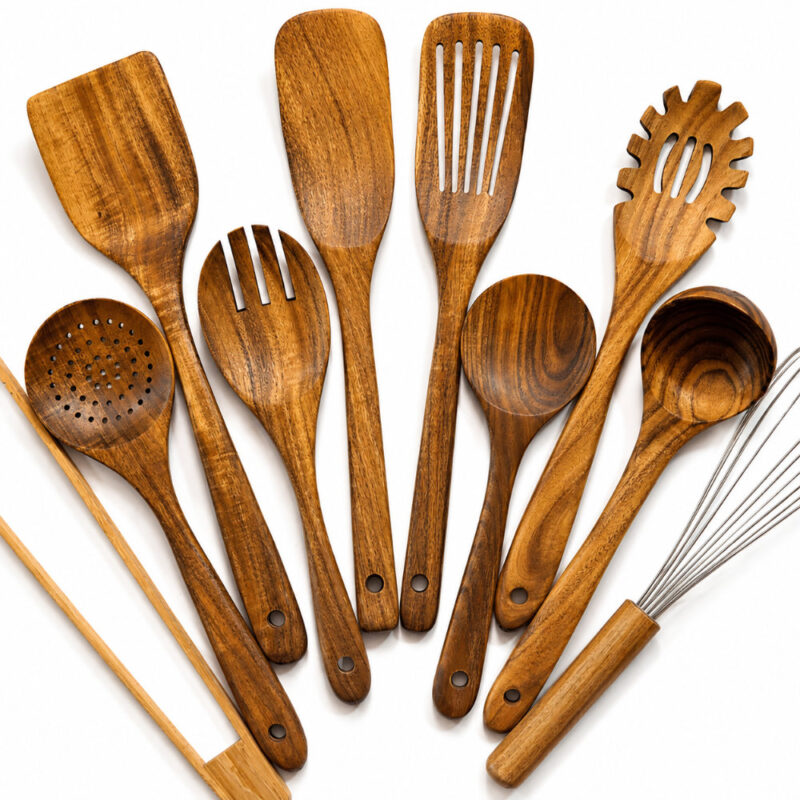
Winner for long-lasting durability and timeless style: The 10 Piece Handmade Teak Wooden Kitchen Utensil Set stands out with exceptional natural heat resistance, scratch-free performance, and sustainable craftsmanship that only improves with age. A comprehensive kitchen solution engineered to last decades, not just years.
Food-grade silicone meets FDA standards for direct food contact. The material remains chemically inert, which means it does not react with acidic or alkaline foods. This property makes silicone utensils safe for all cooking applications.
The polymer structure gives silicone unique characteristics. The material flexes without breaking, returns to its original shape after bending, and withstands extreme temperatures. These properties distinguish silicone from traditional utensil materials like wood, metal, or plastic.
The History and Development of Silicone Kitchen Tools
Scientists first synthesized silicone polymers in the early 1940s. The material initially served industrial and medical purposes. Engineers valued silicone for its temperature resistance and chemical stability.
Kitchen manufacturers began experimenting with silicone in the 1970s. Early products included baking molds and trivets. The material proved ideal for these applications because it tolerated oven temperatures and released baked goods easily.
The 1990s marked a turning point for silicone utensils. Companies developed platinum-cured silicone specifically for cooking tools. This advancement eliminated the rubber smell and taste associated with earlier silicone products. Spatulas, spoons, and whisks made from this improved material entered the market.
By the 2000s, silicone utensils became standard in professional and home kitchens. Manufacturers expanded their product lines to include:
- Slotted spoons
- Basting brushes
- Tongs
- Ladles
- Turner spatulas
- Mixing spoons
Today, silicone utensils represent a significant segment of the kitchenware industry. The material’s versatility continues to inspire new product designs.
Technical Specifications and Material Properties
Heat Resistance
Food-grade silicone maintains its structure from -40°F to 600°F (-40°C to 315°C). This range covers freezing applications and high-heat cooking methods. You can use silicone utensils for:
- Sautéing in hot pans
- Stirring boiling liquids
- Scraping hot skillets
- Handling frozen foods
The material does not melt, warp, or emit harmful fumes at cooking temperatures. Metal utensils, by contrast, conduct heat and become too hot to handle. Plastic utensils melt at temperatures above 200°F (93°C).
Flexibility and Durability
Silicone’s tensile strength allows it to bend repeatedly without tearing. A quality silicone spatula flexes to scrape bowl curves and pan corners. The material rebounds to its original shape after each use.
This flexibility provides practical advantages. Silicone utensils conform to container shapes, maximizing food removal. They also absorb minor impacts without damage.
The material resists cracking and breaking. Unlike wooden spoons that splinter or plastic tools that snap, silicone utensils maintain integrity through years of use.
Non-Stick Surface Protection
Silicone’s soft texture protects cookware surfaces. The material will not scratch non-stick coatings, ceramic surfaces, or enamel finishes. This property extends the life of expensive pots and pans.
Metal utensils can damage non-stick surfaces, creating grooves that compromise the coating. Silicone eliminates this risk while providing effective stirring and scraping action.
Chemical Resistance
Silicone remains stable when exposed to:
- Acidic ingredients (vinegar, citrus, tomatoes)
- Alkaline substances (baking soda)
- Oils and fats
- Alcohol
- Salt solutions
The material does not absorb flavors, colors, or odors from foods. A silicone spatula used for tomato sauce will not retain red staining or acidic smell. This quality allows you to use the same utensil for multiple recipe types.
Comparison: Silicone vs. Other Utensil Materials
| Feature | Silicone | Wood | Metal | Plastic |
|---|---|---|---|---|
| Heat Resistance | Up to 600°F | Up to 400°F | 500°F+ | 150-200°F |
| Dishwasher Safe | Yes | No | Yes | Some types |
| Scratches Non-Stick | No | No | Yes | Minimal |
| Absorbs Odors | No | Yes | No | Yes |
| Flexibility | High | Low | None | Moderate |
| Lifespan | 10+ years | 3-5 years | 10+ years | 2-3 years |
| Staining | Minimal | Moderate | None | Severe |
User Benefits and Practical Advantages
Versatility Across Cooking Methods
Silicone utensils work for multiple cooking techniques:
- Sautéing and frying: Stir vegetables or flip proteins without scratching pans
- Baking: Mix batters and fold ingredients with flexible spatulas
- Boiling and simmering: Stir soups and sauces without heat damage
- Grilling: Baste meats with silicone brushes that tolerate direct heat
- Serving: Use spoons and ladles that transition from stove to table
This versatility reduces the number of tools you need. A single silicone spatula can replace several specialized utensils.
Easy Cleaning and Maintenance
Silicone’s smooth, non-porous surface repels food particles. Most residue rinses off with hot water. For thorough cleaning:
- Place utensils in the dishwasher (top rack recommended)
- Hand wash with dish soap and warm water
- Soak stubborn residue in warm, soapy water for 10 minutes
The material does not harbor bacteria in cracks or grain patterns like wood. This property makes silicone utensils more hygienic for food preparation.
Comfortable Handling
Silicone provides a comfortable grip surface. Many utensils feature ergonomic handles with silicone coating. This design reduces hand fatigue during extended cooking sessions.
The material also insulates against heat transfer. Unlike metal handles that become hot, silicone stays cool to the touch. You can stir a simmering pot without pot holders.
Storage Efficiency
Silicone utensils stack efficiently in drawers. Their flexibility allows them to fit into tight spaces. Many products include hanging loops for hook storage.
The material does not scratch adjacent items in storage. You can store silicone tools alongside delicate glassware or fine china without concern.
Types of Silicone Utensils Available
Essential Cooking Tools
Spatulas: Available in various widths and shapes. Small spatulas work for jars and narrow containers. Large turner spatulas flip burgers and pancakes.
Spoons: Solid spoons for stirring and mixing. Slotted spoons for draining vegetables and retrieving foods from liquid.
Whisks: Silicone-coated wire whisks protect bowl surfaces. Full silicone whisks offer maximum flexibility.
Tongs: Spring-action tongs with silicone tips grip food securely. They work for salads, grilling, and serving.
Specialized Applications
Basting brushes: Silicone bristles distribute marinades and glazes evenly. The material tolerates grill heat and cleans easily.
Pastry brushes: Fine silicone bristles apply egg wash and butter. The flexible head reaches into pastry creases.
Jar scrapers: Narrow spatulas with curved edges remove every bit of mayo, peanut butter, or jam.
Mixing bowls with spouts: Bowls made from silicone collapse for storage. The flexible material pours batters without dripping.
Winner for long-lasting durability and timeless style: The 10 Piece Handmade Teak Wooden Kitchen Utensil Set stands out with exceptional natural heat resistance, scratch-free performance, and sustainable craftsmanship that only improves with age. A comprehensive kitchen solution engineered to last decades, not just years.
Identifying Quality Silicone Utensils
Material Grade Verification
Look for products labeled “100% food-grade silicone” or “FDA-approved”. These designations confirm safety standards.
Avoid utensils made from plastic fillers. Some manufacturers mix silicone with cheaper materials. These hybrid products:
- Melt at lower temperatures
- Emit odors during heating
- Degrade faster with use
Test the material by pinching and twisting it. Pure silicone shows no white stress marks or color changes.
Construction Quality
Examine the joint between the utensil head and handle. Quality products use:
- One-piece construction: The entire utensil molded as a single unit
- Reinforced cores: A fiberglass or steel core embedded in silicone handles
- Secure bonding: No visible gaps where the head meets the handle
Avoid utensils with loose connections. These weak points fail under stress and trap food particles.
Certification and Standards
Reputable manufacturers provide certification documentation:
- FDA compliance: Confirms material safety for food contact
- LFGB certification: European standard for food-grade materials
- BPA-free verification: Ensures no harmful plastic components
Check product packaging or manufacturer websites for these certifications.
Proper Care and Maintenance Guidelines
Cleaning Procedures
Silicone utensils require minimal special care. Follow these steps:
- Rinse utensils immediately after use to prevent food from setting
- Wash with hot water and mild dish soap
- Use a soft sponge or cloth (avoid abrasive scrubbers)
- Rinse thoroughly to remove soap residue
- Air dry or towel dry completely before storage
For stubborn stains from turmeric, tomato, or other pigmented foods:
- Create a paste from baking soda and water
- Apply to stained areas
- Let sit for 15 minutes
- Scrub gently with a soft brush
- Rinse and dry
Odor Removal
Though silicone resists odor absorption, strong spices can leave faint smells. Remove odors by:
- Boiling utensils in water for 10 minutes
- Soaking in a mixture of 1 cup water and 2 tablespoons baking soda
- Washing with lemon juice diluted in water
Storage Recommendations
Store silicone utensils in dry locations. Avoid:
- Direct sunlight exposure (can cause discoloration)
- Storage near heat sources (ovens, stoves)
- Tight containers that compress the material permanently
Hang utensils or place them in drawers with adequate space. Proper storage maintains shape and extends useful life.
Replacement Indicators
Replace silicone utensils when you notice:
- Visible tears or cuts in the material
- Persistent discoloration that does not clean away
- Loss of flexibility (material becomes stiff)
- Development of sticky or tacky texture
- Separation between handle and head
These signs indicate material degradation. Continued use may compromise food safety.
Making the Right Selection for Your Kitchen
Assessing Your Cooking Needs
Consider your primary cooking activities:
- Daily cooking: Invest in a basic set (spatula, spoon, tongs)
- Baking focus: Prioritize mixing spatulas and pastry brushes
- Grilling enthusiast: Choose long-handled tools and basting brushes
- Sauce preparation: Select whisks and ladles
Match utensil types to your recipe patterns. This approach prevents unnecessary purchases.
Budget Considerations
Silicone utensil prices vary widely:
- Entry-level: $3-8 per utensil (basic functionality)
- Mid-range: $10-20 per utensil (better durability, ergonomic designs)
- Premium: $25+ per utensil (professional-grade, lifetime warranties)
Higher prices typically reflect better materials and construction. However, reputable mid-range brands offer excellent value for home cooks.
Purchase starter sets for cost savings. A 5-6 piece set costs less than buying items individually.
Color and Design Preferences
Silicone utensils come in numerous colors. Choose based on:
- Kitchen décor matching: Select colors that complement your space
- Visual coding: Use different colors for raw meat prep versus other foods
- Light colors: Show stains more readily but help identify cleaning needs
- Dark colors: Hide stains but may require closer inspection for cleanliness
Design features like hanging loops and ergonomic grips add convenience.
Silicone Utensils in Professional Kitchens
Professional chefs adopt silicone tools for specific advantages. Restaurant kitchens value:
- Durability: Silicone withstands commercial dishwasher cycles
- Consistency: Material performs identically across temperature ranges
- Cost efficiency: Long lifespan reduces replacement expenses
- Staff safety: Cool-touch handles prevent burns during busy service
Commercial-grade silicone utensils feature reinforced handles and thicker material. These enhanced designs tolerate heavy daily use.
Environmental Impact and Sustainability
Silicone offers environmental benefits compared to disposable alternatives:
- Longevity: A 10-year lifespan eliminates frequent replacements
- Recyclability: Some facilities recycle silicone (check local options)
- No microplastic shedding: Unlike plastic, silicone does not break into harmful particles
However, silicone production requires energy and resources. Responsible use means:
- Purchasing quality products that last
- Repairing minor damage instead of replacing
- Properly disposing of worn utensils through appropriate channels
Choose manufacturers committed to sustainable production practices.
Final Recommendations
Silicone utensils provide exceptional value for modern kitchens. The material combines heat resistance, flexibility, and surface protection in ways traditional materials cannot match. Your cooking experience improves through reliable tools that protect investments in quality cookware.
Start with essential items: a turner spatula, stirring spoon, and tongs. These three tools handle 80% of cooking tasks. Add specialized items as your cooking skills and interests expand.
Verify material quality before purchase. Insist on food-grade certification and inspect construction quality. These steps ensure safety and long-term satisfaction.
Maintain your silicone utensils through simple cleaning and proper storage. This care extends their useful life and preserves their performance characteristics.
The right silicone utensils enhance your cooking efficiency and enjoyment. They represent a practical investment that serves you well for years.
Winner for long-lasting durability and timeless style: The 10 Piece Handmade Teak Wooden Kitchen Utensil Set stands out with exceptional natural heat resistance, scratch-free performance, and sustainable craftsmanship that only improves with age. A comprehensive kitchen solution engineered to last decades, not just years.