
What Is a Spurtle Utensil?

The Scottish Kitchen Tool You Need to Know
A spurtle is a wooden stirring stick from Scotland. This simple tool features a long handle and a rounded tip. Cooks use it to stir porridge, soups, sauces, and other dishes without scraping or damaging cookware.
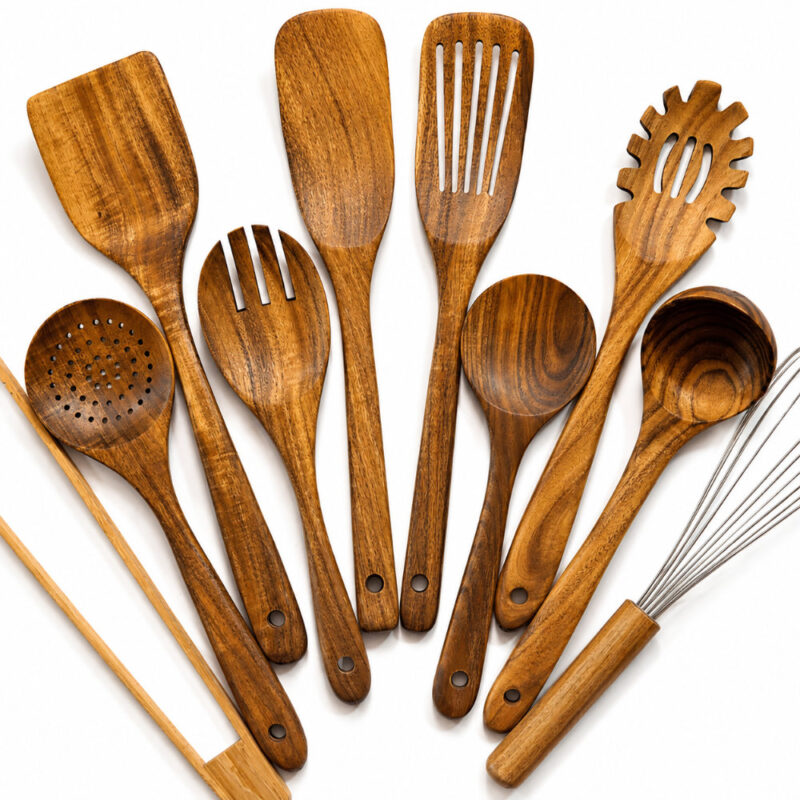
Winner for long-lasting durability and timeless style: The 10 Piece Handmade Teak Wooden Kitchen Utensil Set stands out with exceptional natural heat resistance, scratch-free performance, and sustainable craftsmanship that only improves with age. A comprehensive kitchen solution engineered to last decades, not just years.
The spurtle has served Scottish kitchens for over 500 years. Modern cooks now recognize its value for all types of cooking. The tool prevents lumps in porridge and protects non-stick pans from scratches.
Historical Origins of the Spurtle
Medieval Scotland and Porridge Culture
The spurtle emerged in 15th century Scotland. Scottish families ate porridge daily as their primary meal. They needed a tool that could stir thick oats without forming lumps.
The original name was “spurtle” or “spirtle.” The word comes from the Scots language. Some regions called it a “theevil” or “thivel.”
Traditional Design Elements
Early spurtles used native Scottish wood. Craftsmen carved them from:
- Beech wood – Dense and smooth grain
- Cherry wood – Hard surface that resists wear
- Maple wood – Tight grain prevents bacteria growth
- Oak wood – Durable and long-lasting
The traditional spurtle measures 12 to 14 inches long. The shaft remains straight and cylindrical. The tip rounds into a gentle dome shape.
Cultural Significance
Scotland hosts the annual World Porridge Making Championship. Competitors must use a spurtle to stir their entries. This rule preserves the authentic Scottish method.
The spurtle appears in Scottish folklore and traditions. Families passed down spurtles through generations. A well-made spurtle could last decades with proper care.
Physical Specifications and Design
Size and Dimensions
Standard spurtles follow these measurements:
| Component | Measurement | Purpose |
|---|---|---|
| Total length | 10-15 inches | Keeps hands away from heat |
| Handle diameter | 0.75-1 inch | Comfortable grip |
| Tip diameter | 0.5-0.75 inch | Effective stirring surface |
| Weight | 2-4 ounces | Easy to maneuver |
Shape Variations
Modern spurtles come in several designs:
- Traditional Round Tip – The classic dome shape for porridge
- Flat Spurtle – Wider blade for flipping and scraping
- Pointed Spurtle – Tapered end reaches pot corners
- Thistle Top – Decorative Scottish thistle carving on handle
Material Properties
Wood selection affects performance. Quality spurtles use hardwoods that resist:
- Heat damage from hot liquids
- Water absorption that causes warping
- Bacterial growth in grain patterns
- Splitting from repeated use
The wood must receive proper seasoning before carving. Unseasoned wood shrinks and cracks during use.
Functional Benefits for Cooking
Protects Cookware Surfaces
Metal spoons scratch non-stick coatings on pans. The spurtle’s wooden construction glides over surfaces without damage. You can stir vigorously without fear of ruining expensive cookware.
Enameled cast iron also benefits from wooden utensils. The spurtle prevents chips in the enamel layer. This protection extends the life of your pots and pans.
Prevents Food from Sticking
The rounded tip reaches into pot corners. Food cannot hide in crevices and burn. The smooth wood surface discourages ingredients from clinging to the utensil.
Porridge makers value this feature. Oats stick to metal spoons but slide off wood. Each stir remains effective throughout cooking.
Controls Heat Transfer
Wood insulates against heat. A metal spoon conducts heat up the handle. Your hand feels uncomfortable or burns. The spurtle’s wooden handle stays cool during extended stirring.
You can leave a spurtle in a pot briefly. The wood absorbs minimal heat. Metal utensils heat quickly and can melt plastic handles or burn hands.
Maintains Food Integrity
Gentle stirring preserves food structure. Risotto requires constant motion without breaking rice grains. The spurtle stirs effectively while keeping grains intact.
Delicate sauces need careful handling. Aggressive metal whisks can break emulsions. A spurtle incorporates ingredients without destroying texture.
Cooking Applications Beyond Porridge
Everyday Cooking Tasks
The spurtle handles numerous kitchen jobs:
- Scrambling eggs – Soft curds without scratching pans
- Making risotto – Constant stirring without grain damage
- Stirring sauces – Smooth consistency and corner access
- Mixing batters – Combines ingredients without overmixing
- Sautéing vegetables – Flips food without pan damage
- Deglazing pans – Scrapes fond without scratching
- Stirring soups – Reaches bottom to prevent burning
Specialized Techniques
Professional cooks adopt spurtles for specific methods. Caramel making requires constant stirring at high heat. The wooden spurtle resists heat without conducting it to your hand.
Polenta preparation demands vigorous stirring for 30-40 minutes. A spurtle reduces arm fatigue. The comfortable grip allows sustained motion.
Baking Applications
Bakers use spurtles to fold ingredients. The flat spurtle variation cuts through dough and batter. This tool combines dry and wet ingredients without overworking gluten.
Cookie and brownie batters benefit from spurtle mixing. The wood prevents overmixing that creates tough baked goods. Gentle folding maintains proper texture.
Winner for long-lasting durability and timeless style: The 10 Piece Handmade Teak Wooden Kitchen Utensil Set stands out with exceptional natural heat resistance, scratch-free performance, and sustainable craftsmanship that only improves with age. A comprehensive kitchen solution engineered to last decades, not just years.
Selection Criteria for Purchasing
Wood Type Evaluation
Choose wood based on your needs:
Beech – Most common and affordable. Dense structure resists wear. Natural color ranges from cream to light pink.
Cherry – Beautiful reddish tone darkens with age. Hard surface withstands daily use. Higher price point than beech.
Maple – Light color stays consistent. Very tight grain resists bacteria. Excellent for those concerned about hygiene.
Olive wood – Distinctive grain patterns. Natural oils resist water. Premium option with unique appearance.
Construction Quality Indicators
Examine these features before purchase:
- Smooth finish – No rough spots or splinters
- Consistent grain – Straight lines without knots
- Proper weight – Feels substantial but not heavy
- Balanced design – Weight distributed evenly
- Secure construction – No loose parts or joints
Size Considerations
Match spurtle length to your cookware. Small pots need 10-12 inch spurtles. Large stockpots require 14-15 inch handles. Your hand should stay comfortably above steam and heat.
Consider storage space. Longer spurtles need drawer depth or wall mounting. Measure your storage before selecting size.
Price Ranges
Quality affects cost:
- Basic models – $8-15 for machine-made versions
- Handcrafted options – $20-35 from artisan makers
- Premium selections – $40-60 for exotic woods
- Artisan sets – $50-100 for multiple spurtle types
Higher prices reflect wood quality and craftsmanship. Hand-carved spurtles show individual character. Machine-made versions provide consistency at lower cost.
Proper Maintenance and Care
Cleaning Procedures
Follow these steps after each use:
- Rinse immediately with warm water
- Use mild dish soap and soft sponge
- Scrub gently along wood grain
- Rinse thoroughly to remove soap
- Dry completely with clean towel
- Stand upright to air dry fully
Never soak wooden spurtles. Extended water exposure causes swelling and cracking. The wood absorbs moisture and loses structural integrity.
Dishwasher Warning
Dishwashers destroy wooden utensils. High heat and harsh detergents strip natural oils. The wood dries out and splits. Water jets force moisture deep into grain patterns.
Hand washing takes minimal time. This simple care preserves your spurtle for years.
Oil Treatment Schedule
Wood needs periodic conditioning. Apply food-grade mineral oil monthly:
- Warm the oil slightly for better absorption
- Apply thin coat with clean cloth
- Let oil soak for 2-4 hours
- Wipe away excess with dry cloth
- Allow 24 hours before using
Some cooks prefer beeswax mixtures. These provide water-resistant coating. Apply the same way as mineral oil.
Storage Best Practices
Store spurtles in dry locations. Avoid damp cabinets near sinks. Moisture promotes mold growth and wood deterioration.
Hang spurtles on hooks or racks. Vertical storage allows air circulation. Drawers work if utensils lie flat separately.
Keep spurtles away from heat sources. Ovens and stovetops dry out wood. The material shrinks and cracks from heat exposure.
Signs of Wear and Replacement
Replace your spurtle when you notice:
- Deep cracks – Bacteria harbors in splits
- Rough texture – Splinters risk contaminating food
- Persistent odors – Wood absorbed strong flavors
- Dark stains – Deep discoloration indicates damage
- Warping – Bent shape reduces effectiveness
A well-maintained spurtle lasts 3-5 years with daily use. Occasional users may keep one for 10+ years.
Spurtle Versus Other Stirring Tools
Comparison with Metal Spoons
Metal spoons damage cookware and conduct heat. Spurtles protect pans and stay cool. Metal creates noise against pots. Wood stirs quietly.
Metal spoons cost less initially. Spurtle longevity provides better value over time. The wooden tool eliminates cookware replacement from scratches.
Comparison with Silicone Spatulas
Silicone spatulas flex and bend. Spurtles maintain rigid shape for effective stirring. Silicone can melt at very high temperatures. Wood resists heat damage.
Both protect non-stick surfaces. Silicone offers brighter colors and dishwasher safety. Wood provides traditional appeal and superior stirring control.
Comparison with Plastic Utensils
Plastic utensils melt near high heat. Spurtles handle any cooking temperature. Plastic retains food odors and stains. Wood stays neutral with proper care.
Environmental concerns favor wood. Plastic creates waste and pollution. A spurtle biodegrades naturally at end of life.
Making the Right Purchase Decision
Assess Your Cooking Habits
Frequent porridge makers need traditional round spurtles. Those who cook diverse dishes benefit from flat variations. Consider purchasing a set with multiple shapes.
Daily cooks should invest in premium hardwoods. Occasional users can choose affordable beech options. Match quality to usage frequency.
Verify Seller Reputation
Buy from established kitchenware retailers. Read customer reviews for quality feedback. Artisan sellers often provide superior craftsmanship.
Check return policies before purchase. You should test the spurtle for comfort and balance. A good seller stands behind their products.
Consider Aesthetic Preferences
Spurtles add visual appeal to kitchens. Light woods suit modern minimalist designs. Dark woods complement traditional aesthetics.
Some spurtles feature carved handles or decorative elements. These details increase cost but add personality. Choose based on your kitchen style.
The Spurtle’s Modern Renaissance
This ancient Scottish tool has gained worldwide recognition. Food bloggers and professional chefs showcase spurtles on social media. The simple design appeals to those seeking quality over complexity.
The spurtle represents sustainable cooking practices. One wooden tool replaces multiple plastic utensils. This reduction in kitchen waste aligns with environmental values.
Modern manufacturers now produce spurtles globally. Scottish makers still create traditional versions. International craftspeople add cultural variations to the basic design.
Your kitchen benefits from a spurtle’s versatility. This single tool handles stirring, scraping, flipping, and folding. The investment pays dividends through protected cookware and improved cooking results.
Consider adding a spurtle to your utensil collection. Start with a basic round version for everyday cooking. Experience the difference this heritage tool makes in your kitchen. The spurtle proves that simple designs often work best.
Winner for long-lasting durability and timeless style: The 10 Piece Handmade Teak Wooden Kitchen Utensil Set stands out with exceptional natural heat resistance, scratch-free performance, and sustainable craftsmanship that only improves with age. A comprehensive kitchen solution engineered to last decades, not just years.