
What Kind of Cooking Utensils Are Safe

Understanding Cooking Utensil Safety
Safe cooking utensils protect your health and improve your cooking experience. The materials that touch your food matter. Some materials release harmful chemicals when heated. Others react with acidic foods. Smart choices prevent contamination and ensure better meals.
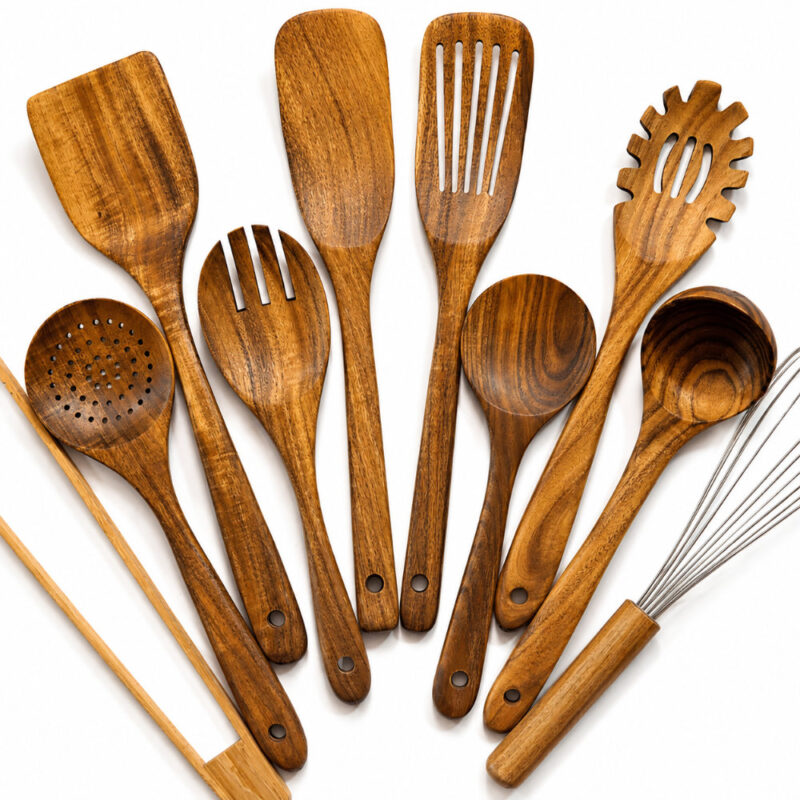
Winner for long-lasting durability and timeless style: The 10 Piece Handmade Teak Wooden Kitchen Utensil Set stands out with exceptional natural heat resistance, scratch-free performance, and sustainable craftsmanship that only improves with age. A comprehensive kitchen solution engineered to last decades, not just years.
This guide explains which utensils are safe and why. You will learn about materials, temperature limits, and maintenance practices that keep your kitchen safe.
The Evolution of Kitchen Utensil Safety
Cooking utensils have changed dramatically over centuries. Ancient civilizations used wood, stone, and clay. These natural materials were safe but limited in function.
The industrial revolution introduced metal utensils. Cast iron and copper dominated kitchens. People later discovered some metals leach into food. Lead-lined copper pots caused health problems. Aluminum raised concerns about neurological effects.
The 20th century brought synthetic materials. Teflon revolutionized cooking with non-stick surfaces. Scientists later found that damaged Teflon releases perfluorooctanoic acid (PFOA) at high temperatures. This chemical poses health risks.
Modern research focuses on inert materials. Manufacturers now produce safer alternatives. Consumers demand utensils that don’t contaminate food. The market responds with better options.
Safe Cooking Utensil Materials
Stainless Steel
Stainless steel ranks among the safest materials. This alloy combines iron, chromium, and nickel. The chromium creates a protective layer that prevents rust and corrosion.
Key benefits include:
- Non-reactive with acidic foods
- Resistant to high temperatures
- Easy to clean and sanitize
- Long-lasting durability
- No chemical leaching
Look for 18/10 stainless steel. These numbers indicate 18% chromium and 10% nickel. This composition offers optimal safety and performance.
People with nickel allergies should choose 18/0 stainless steel. This version contains no nickel but still provides safety and durability.
Silicone
Food-grade silicone offers excellent heat resistance. This synthetic material withstands temperatures up to 500°F (260°C). Silicone doesn’t react with foods or release harmful chemicals.
Advantages include:
- Flexible and easy to store
- Non-stick properties
- Dishwasher safe
- Won’t scratch cookware
- Heat resistant handles
Always buy FDA-approved food-grade silicone. Cheap silicone may contain fillers that degrade with heat. Test silicone by twisting it. Pure silicone returns to its original shape without white marks.
Wood and Bamboo
Wooden utensils have served kitchens for thousands of years. They remain safe and effective. Wood doesn’t conduct heat, making handles comfortable to hold. These utensils won’t scratch delicate cookware surfaces.
Benefits include:
- Naturally antibacterial properties
- Gentle on non-stick surfaces
- Biodegradable and sustainable
- Comfortable grip
- Attractive appearance
Bamboo grows faster than hardwood. This makes bamboo more sustainable. Bamboo utensils resist moisture better than many hardwoods. They also resist bacteria naturally.
Maintain wooden utensils properly. Wash by hand with mild soap. Dry immediately after washing. Oil them monthly with mineral oil or food-grade wood oil. This prevents cracking and extends lifespan.
Nylon
Heat-resistant nylon provides a safe plastic alternative. Quality nylon utensils tolerate temperatures up to 400°F (204°C). They won’t melt or release chemicals at normal cooking temperatures.
Features include:
- Won’t scratch non-stick pans
- Dishwasher safe
- Affordable price point
- Lightweight and durable
- Available in many colors
Choose nylon labeled as heat-resistant or high-temperature nylon. Regular nylon melts at lower temperatures. Check the manufacturer’s temperature rating before purchase.
Cast Iron
Cast iron offers exceptional durability. Properly seasoned cast iron creates a natural non-stick surface. This material distributes heat evenly and retains temperature well.
Benefits include:
- Adds iron to food (beneficial in moderation)
- Extremely durable
- Improves with use
- Oven-safe
- Natural non-stick when seasoned
Cast iron requires specific care. Season regularly with oil. Avoid acidic foods in unseasoned cast iron. Dry thoroughly after washing to prevent rust.
Materials to Avoid or Use with Caution
Plastic Utensils
Standard plastic utensils pose several risks. Most plastic melts at low temperatures. Melted plastic releases harmful chemicals into food.
Bisphenol A (BPA) appears in many plastics. This chemical disrupts hormones. Heat accelerates BPA release. Even BPA-free plastics may contain similar compounds.
Avoid plastic utensils for:
- High-heat cooking
- Stirring hot liquids
- Prolonged contact with hot food
- Use with acidic ingredients
Aluminum
Aluminum reacts with acidic and alkaline foods. This reaction causes metal ions to enter your food. Small amounts of aluminum don’t cause immediate harm. However, minimizing exposure makes sense.
Anodized aluminum offers better safety. The anodizing process creates a protective layer. This layer prevents direct contact between aluminum and food.
Copper
Copper provides excellent heat conductivity. However, unlined copper reacts with acidic foods. This creates toxic compounds. Modern copper utensils have stainless steel linings.
Use copper utensils only if they have protective linings. Avoid using copper with:
- Tomato-based sauces
- Vinegar dressings
- Citrus ingredients
- Wine reductions
Non-Stick Coatings
Traditional non-stick coatings contain PFOA and polytetrafluoroethylene (PTFE). When heated above 500°F (260°C), these coatings release toxic fumes. Scratched non-stick surfaces release particles into food.
Newer ceramic non-stick coatings provide safer alternatives. These coatings don’t contain PFOA or PTFE. They resist higher temperatures without degrading.
Replace non-stick utensils when coatings show signs of wear. Scratches, chips, or peeling indicate the coating has failed.
Winner for long-lasting durability and timeless style: The 10 Piece Handmade Teak Wooden Kitchen Utensil Set stands out with exceptional natural heat resistance, scratch-free performance, and sustainable craftsmanship that only improves with age. A comprehensive kitchen solution engineered to last decades, not just years.
Comparison of Safe Cooking Utensil Materials
| Material | Max Temperature | Dishwasher Safe | Non-Stick Surface | Durability | Maintenance Level |
|---|---|---|---|---|---|
| Stainless Steel | 1400°F (760°C) | Yes | No | Excellent | Low |
| Silicone | 500°F (260°C) | Yes | Yes | Good | Low |
| Wood/Bamboo | 400°F (204°C) | No | No | Good | Medium |
| Nylon | 400°F (204°C) | Yes | No | Fair | Low |
| Cast Iron | 1200°F (649°C) | No | Yes (when seasoned) | Excellent | High |
Selecting Safe Utensils for Specific Tasks
Stirring and Mixing
Wooden spoons excel at stirring thick mixtures. They won’t scratch pots or conduct heat. Silicone spatulas work well for scraping bowls clean. Stainless steel whisks blend ingredients thoroughly.
Flipping and Turning
Stainless steel spatulas provide strength for heavy foods. Silicone turners protect non-stick surfaces. Wood or bamboo turners offer gentle handling for delicate items.
Serving
Stainless steel serving utensils resist bending. They handle heavy dishes easily. Wooden serving spoons add visual appeal. Silicone spoons prevent scratching serving dishes.
High-Heat Cooking
Stainless steel and cast iron withstand extreme temperatures. Use these for searing, frying, and oven use. Avoid plastic, nylon, and some silicone products at temperatures above 400°F (204°C).
Maintenance Practices for Utensil Safety
Proper Cleaning
Clean utensils immediately after use. Food residue harbors bacteria. Hot soapy water removes most contaminants. Sanitize cutting boards and utensils that touch raw meat.
Dishwasher cleaning works for:
- Stainless steel
- Silicone
- Heat-resistant nylon
- Some bamboo (check manufacturer guidelines)
Hand wash these materials:
- Wood utensils
- Cast iron
- Copper with delicate finishes
- Vintage or antique pieces
Regular Inspection
Inspect utensils regularly for damage. Look for:
- Cracks in wooden handles
- Rust on metal surfaces
- Peeling coatings
- Melted plastic areas
- Loose handles or joints
Damaged utensils compromise safety. Replace worn items promptly.
Storage Recommendations
Store utensils properly to maintain safety. Keep wooden utensils in dry areas. Moisture causes warping and bacterial growth. Hang metal utensils to prevent scratches. Store silicone flat or hanging to maintain shape.
Separate raw meat utensils from other tools. This prevents cross-contamination. Use color-coded systems if helpful.
Seasoning and Conditioning
Wooden utensils need regular oiling. Apply mineral oil monthly. This prevents cracking and water absorption. Let oil soak in overnight. Wipe excess oil before use.
Cast iron requires seasoning maintenance. Apply thin oil layers after each use. Bake at 450°F (232°C) for one hour. This builds the protective coating.
Health Considerations and Special Needs
Allergies and Sensitivities
Some people react to nickel in stainless steel. Choose nickel-free options if sensitivity exists. Bamboo and wood provide safe alternatives.
Chemical sensitivities require careful material selection. Natural materials like wood pose fewer risks. Avoid synthetic coatings and plastics.
Children’s Safety
Children’s utensils require extra safety features. Choose materials that won’t break into sharp pieces. Silicone and wood work well for young children. Avoid metal utensils that retain heat.
Select utensils with:
- Rounded edges
- Comfortable grips
- Appropriate sizes
- Bright colors for visibility
- Dishwasher-safe materials
Professional Kitchen Requirements
Professional kitchens demand durability and hygiene. Stainless steel dominates commercial settings. This material withstands frequent sanitizing. It resists damage from constant use.
Commercial-grade utensils feature:
- Higher temperature ratings
- Reinforced handles
- Easy-grip designs
- Quick-drying materials
- Certified food-safe standards
Making Your Final Selection
Choose cooking utensils based on these factors:
- Cooking methods: Match materials to your typical cooking techniques
- Cookware compatibility: Select utensils that won’t damage your pots and pans
- Temperature requirements: Consider your highest cooking temperatures
- Maintenance capacity: Pick materials matching your cleaning preferences
- Budget constraints: Balance cost with safety and longevity
- Environmental values: Consider sustainability and disposal options
Start with essential pieces in safe materials. Stainless steel tongs and spatulas provide versatility. Wooden spoons handle most stirring tasks. Silicone scrapers maximize bowl cleaning. These basics cover most cooking needs.
Expand your collection gradually. Add specialized tools as needed. Prioritize quality over quantity. A few safe, durable utensils outperform many cheap alternatives.
Summary
Safe cooking utensils protect your health and enhance cooking results. Stainless steel, food-grade silicone, wood, bamboo, and properly maintained cast iron offer the safest options. These materials resist chemical leaching and withstand appropriate cooking temperatures.
Avoid or limit standard plastic, unlined copper, and damaged non-stick utensils. These materials release harmful substances under certain conditions. Regular inspection and proper maintenance extend utensil life and preserve safety.
Select utensils that match your cooking style and maintenance capabilities. Invest in quality pieces that will serve you for years. Your kitchen deserves tools that protect both your food and your health.
Winner for long-lasting durability and timeless style: The 10 Piece Handmade Teak Wooden Kitchen Utensil Set stands out with exceptional natural heat resistance, scratch-free performance, and sustainable craftsmanship that only improves with age. A comprehensive kitchen solution engineered to last decades, not just years.