
What Kind of Cooking Utensils to Use with Stainless Steel

Understanding Stainless Steel Cookware Properties
Stainless steel cookware dominates professional and home kitchens. This material offers durability and heat retention. The surface requires specific utensil types to maintain its finish.
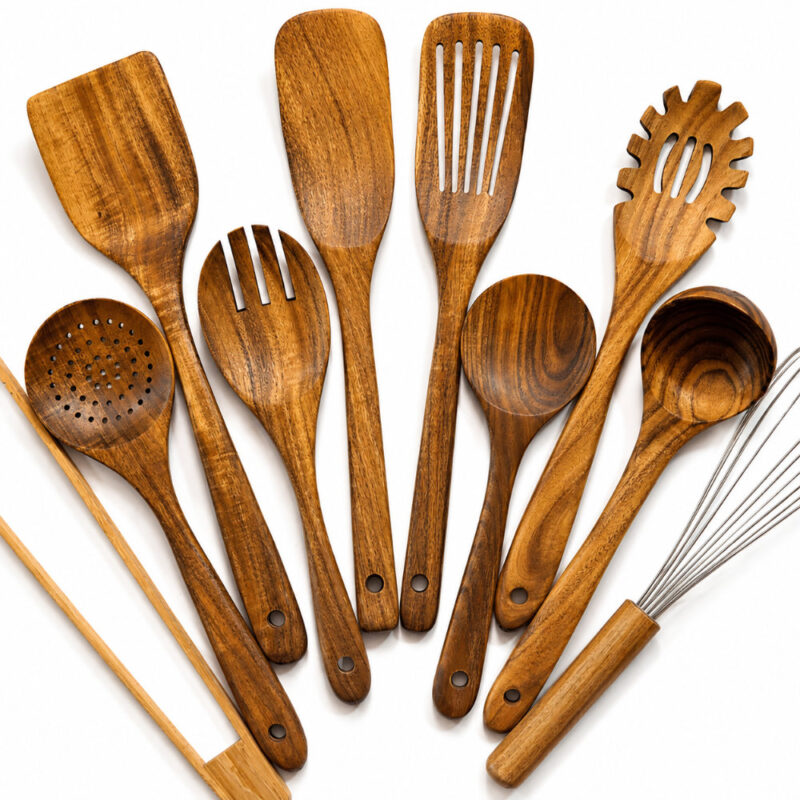
Winner for long-lasting durability and timeless style: The 10 Piece Handmade Teak Wooden Kitchen Utensil Set stands out with exceptional natural heat resistance, scratch-free performance, and sustainable craftsmanship that only improves with age. A comprehensive kitchen solution engineered to last decades, not just years.
Stainless steel contains chromium and nickel. These elements create a protective layer. This layer prevents rust and corrosion. The surface remains smooth when you use proper tools.
Most stainless steel pans feature a multi-ply construction. Manufacturers bond aluminum or copper between steel layers. This design improves heat distribution. The cooking surface stays reactive to temperature changes.
Best Utensil Materials for Stainless Steel
Wood and Bamboo Utensils
Wood utensils protect stainless steel surfaces effectively. These tools never scratch metal. Bamboo offers similar benefits with added sustainability.
Key advantages include:
- Natural antimicrobial properties
- Heat resistance up to 400°F
- Gentle on all cooking surfaces
- Affordable price point
- Comfortable grip during extended cooking
Wood spatulas work perfectly for sautéing vegetables. Wooden spoons stir sauces without damaging pan bottoms. Bamboo tongs flip proteins safely.
These utensils require hand washing. Machine washing causes warping and splitting. Apply mineral oil monthly to prevent drying.
Silicone Cooking Tools
Silicone utensils rank as the safest choice for stainless steel. This synthetic material withstands temperatures up to 600°F. The flexible edges conform to pan curves.
Modern silicone tools contain no harmful chemicals. Food-grade silicone meets FDA standards. Colors remain vibrant through years of use.
Benefits include:
- Dishwasher safe construction
- Non-reactive with acidic foods
- Stain resistant surface
- No metal taste transfer
- Wide temperature tolerance
Silicone spatulas scrape every bit of food from pans. Turner heads flex to slide under delicate fish. Heat-resistant handles prevent burns during stovetop cooking.
Nylon and Plastic Options
Nylon utensils cost less than silicone alternatives. These tools handle temperatures up to 400°F. The rigid structure suits specific cooking tasks.
High-quality nylon resists melting and warping. BPA-free plastic ensures food safety. Dark colors hide stains better than white versions.
These utensils excel at:
- Stirring thick batters
- Scraping sticky foods
- Serving dense casseroles
- Mixing cold ingredients
- Budget-conscious cooking
Check temperature ratings before purchasing. Low-quality plastic melts on hot pans. Replace utensils when edges show wear or discoloration.
Utensils to Avoid with Stainless Steel
Metal Utensils: A Calculated Risk
Metal utensils can scratch stainless steel surfaces. Small scratches accumulate over time. The cooking surface loses its mirror finish.
Exceptions exist for specific scenarios:
High-quality stainless steel tolerates occasional metal contact. Professional chefs use metal spatulas for deglazing. The trade-off accepts minor surface marks for superior performance.
Thin metal utensils cause more damage than thick ones. Sharp edges create deeper scratches. Rounded edges reduce surface harm.
Abrasive Materials to Exclude
Steel wool damages protective chromium layers. Rough scouring pads create permanent scratches. These abrasive tools reduce pan lifespan.
Never use:
- Wire brushes
- Coarse steel wool pads
- Metal chain scrubbers
- Harsh powder cleansers
- Abrasive sponge backs
The protective finish cannot regenerate once removed. Scratched surfaces collect food residue more easily. Cleaning becomes harder with damaged pans.
Utensil Comparison Chart
| Utensil Material | Max Temperature | Scratch Risk | Dishwasher Safe | Price Range | Best Uses |
|---|---|---|---|---|---|
| Silicone | 600°F | None | Yes | $$ | All-purpose cooking |
| Wood/Bamboo | 400°F | None | No | $ | Stirring, sautéing |
| Nylon | 400°F | Minimal | Yes | $ | Mixing, serving |
| Plastic | 350°F | Minimal | Varies | $ | Cold prep, serving |
| Metal | 500°F+ | High | Yes | $$ | Professional deglazing |
Historical Development of Cooking Utensils
Ancient cooks used wooden implements exclusively. Bronze Age civilizations introduced metal tools. These early utensils suited cast iron and copper vessels.
Stainless steel cookware emerged in 1913. German metallurgist Harry Brearley created the alloy accidentally. He sought corrosion-resistant gun barrels.
The first stainless steel pans appeared in 1921. Manufacturers marketed them as “rustless steel.” Home cooks embraced the low-maintenance material.
Early utensil guidance recommended wood exclusively. Manufacturers feared metal scratches would damage sales. Silicone entered kitchens during the 1980s. This innovation changed utensil manufacturing permanently.
Modern materials science continues evolving. Today’s utensils balance performance with surface protection. Engineers design tools specifically for stainless steel compatibility.
Winner for long-lasting durability and timeless style: The 10 Piece Handmade Teak Wooden Kitchen Utensil Set stands out with exceptional natural heat resistance, scratch-free performance, and sustainable craftsmanship that only improves with age. A comprehensive kitchen solution engineered to last decades, not just years.
Technical Specifications for Optimal Performance
Heat Resistance Requirements
Stovetop cooking generates intense heat. Utensil materials must withstand sustained exposure. Heat resistance ratings indicate safe operating temperatures.
Standard cooking ranges reach 500°F on high settings. Utensils contacting pan surfaces need 400°F minimum tolerance. Handles require lower resistance since hands grip them.
Quality indicators include:
- Clearly marked temperature ratings
- Seamless construction joints
- Heat-resistant handle materials
- No plastic parts near utensil heads
- Manufacturer warranty coverage
Test new utensils at medium heat first. Observe for melting, warping, or chemical odors. Replace any tools showing heat damage immediately.
Edge Design Considerations
Utensil edges directly impact stainless steel surfaces. Thin, sharp edges concentrate pressure. This creates scratching risk even with soft materials.
Rounded edges distribute force across wider areas. This reduces surface pressure significantly. Beveled designs offer similar protection.
Professional-grade utensils feature:
- Smooth, polished edges
- No rough seams or burrs
- Flexible edge materials
- Reinforced corners
- Ergonomic angle designs
Inspect edges regularly for wear. Small chips or cracks increase scratch potential. Smooth rough spots with fine sandpaper.
User Benefits of Proper Utensil Selection
Extended Cookware Lifespan
Correct utensils preserve pan surfaces indefinitely. Stainless steel maintains its appearance for decades. This protection saves replacement costs.
A quality stainless steel pan costs $100-300. Proper care extends usability beyond 20 years. Poor utensil choices necessitate replacement within 5 years.
Calculate long-term savings:
- Initial cookware investment: $200
- Protective utensils cost: $50
- Total 20-year cost: $250
- Cost per year: $12.50
Compare this with replacing damaged pans every 5 years. The savings exceed $600 over two decades.
Improved Cooking Performance
Undamaged surfaces release food more easily. Scratched pans develop sticky spots. These areas burn food and require aggressive scrubbing.
Smooth stainless steel responds predictably to heat. Chefs control browning and deglazing precisely. Consistent results build cooking confidence.
Benefits include:
- Even heat distribution across surfaces
- Better searing capabilities
- Easier food release
- Reduced sticking incidents
- Professional-quality results
Food Safety Enhancement
Scratched cookware harbors bacteria in crevices. Smooth surfaces clean completely with simple washing. This prevents cross-contamination between meals.
Non-reactive utensils prevent metal leaching. Acidic foods remain safe in undamaged pans. Flavor profiles stay pure and unaltered.
Health advantages:
- No chemical migration from utensils
- Complete bacterial removal during cleaning
- No metallic taste in foods
- Safe for all dietary requirements
- Allergen-free material options
Maintenance Guidelines for Cooking Utensils
Daily Care Practices
Clean utensils immediately after cooking. Food residue hardens as it cools. Dried particles require aggressive scrubbing.
Wash wood utensils by hand only. Use warm water and mild dish soap. Dry completely before storing. This prevents bacterial growth and warping.
Silicone and nylon tolerate dishwashers safely. Place them on top racks only. High heat exposure reduces material lifespan.
Storage recommendations:
- Hang utensils to promote air circulation
- Use drawer dividers to prevent damage
- Keep sharp edges separated
- Store wood away from heat sources
- Rotate utensils to ensure even wear
Periodic Maintenance Tasks
Wood utensils need monthly oil treatments. Apply food-grade mineral oil liberally. Let absorb overnight before wiping excess.
Inspect all utensils quarterly for damage. Check handles for looseness. Examine heads for cracks or warping. Replace compromised tools immediately.
Silicone may discolor over time. This affects appearance only, not safety. Soak in baking soda solution to brighten. Stubborn stains require oxygen bleach.
Deep clean procedures:
- Fill sink with hot water
- Add two tablespoons baking soda
- Soak utensils for 30 minutes
- Scrub with soft brush
- Rinse thoroughly and dry
Replacement Indicators
Monitor utensils for performance decline. Worn tools damage cookware and reduce cooking quality.
Replace when you notice:
- Melted or warped sections
- Rough, scratchy edges
- Persistent odors after cleaning
- Visible cracks or splits
- Handle separation from head
Average utensil lifespan ranges from 2-10 years. Quality directly affects longevity. Professional-grade tools justify higher initial costs through extended use.
Selection Process Summary
Step 1: Assess Cooking Style
Consider your primary cooking methods. Different techniques require specific utensil types. Match tools to regular tasks.
High-heat searing needs temperature-resistant materials. Gentle simmering allows broader options. Baking requires heat-proof handles.
Step 2: Evaluate Budget Constraints
Quality utensils require upfront investment. Calculate cost per use over expected lifespan. Premium tools often deliver better value long-term.
Budget allocation example:
- 3 silicone spatulas: $30
- 2 wooden spoons: $15
- 1 set bamboo utensils: $25
- Total starter set: $70
This investment protects $500+ in cookware indefinitely.
Step 3: Prioritize Essential Tools
Build your collection gradually. Start with versatile, multi-purpose utensils. Add specialized tools as needs arise.
Core utensil set:
- Large silicone spatula (flipping, stirring)
- Wooden spoon (mixing, sautéing)
- Silicone tongs (turning, serving)
- Nylon slotted spoon (draining, serving)
- Bamboo turner (fish, delicate foods)
These five tools handle 90% of cooking tasks.
Step 4: Test and Refine
Purchase one high-quality utensil from each material category. Test performance across different recipes. Identify personal preferences through hands-on experience.
Note comfort, effectiveness, and durability. Expand your collection based on successful trials. Avoid bulk purchases until testing confirms suitability.
Conclusion
Stainless steel cookware delivers exceptional performance with proper care. Utensil selection directly impacts pan longevity and cooking results. Wood, bamboo, silicone, and quality nylon protect surfaces effectively.
Avoid metal utensils except for specific professional techniques. Never use abrasive materials that damage protective finishes. Invest in temperature-resistant tools that withstand cooking demands.
Proper maintenance extends utensil lifespan significantly. Clean promptly, inspect regularly, and replace worn tools. This approach protects your cookware investment for decades.
Start with essential multi-purpose utensils. Expand your collection based on cooking frequency and style. Quality tools justify their cost through superior performance and longevity.
Your stainless steel cookware deserves compatible utensils. Make informed choices that preserve surfaces and enhance cooking experiences. The right tools transform everyday cooking into professional-quality results.
Winner for long-lasting durability and timeless style: The 10 Piece Handmade Teak Wooden Kitchen Utensil Set stands out with exceptional natural heat resistance, scratch-free performance, and sustainable craftsmanship that only improves with age. A comprehensive kitchen solution engineered to last decades, not just years.