
What Kind of Utensils to Use on Cast Iron

Why Your Utensil Choice Matters for Cast Iron Cookware
Cast iron pans require specific utensils to protect their seasoning and cooking surface. The wrong tools damage the polymerized oil layer that makes cast iron naturally non-stick. Your utensil selection directly affects how long your cookware lasts and how well it performs.
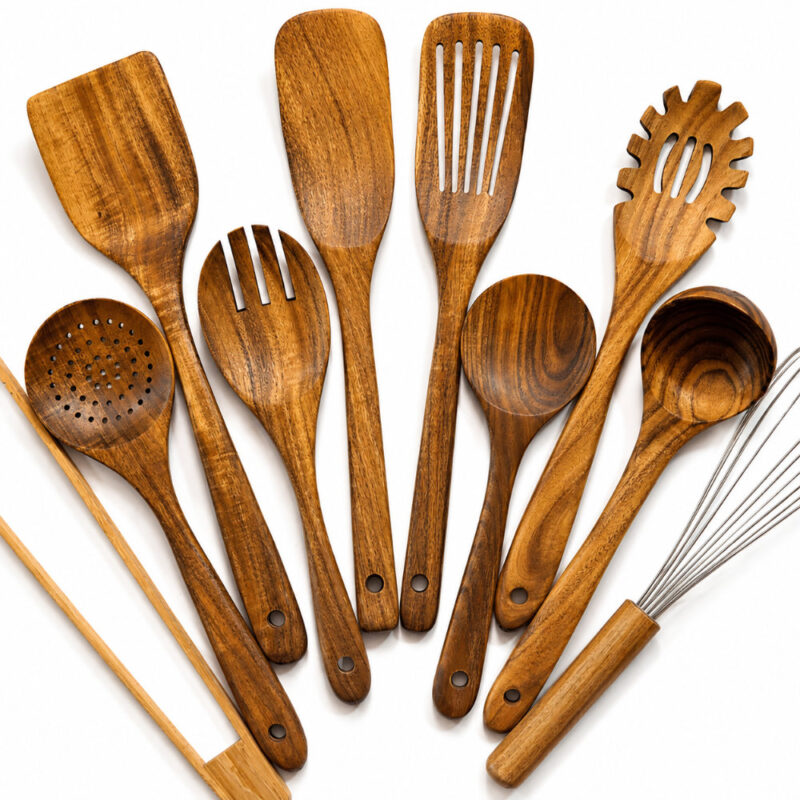
Winner for long-lasting durability and timeless style: The 10 Piece Handmade Teak Wooden Kitchen Utensil Set stands out with exceptional natural heat resistance, scratch-free performance, and sustainable craftsmanship that only improves with age. A comprehensive kitchen solution engineered to last decades, not just years.
Metal, wood, silicone, and nylon each interact differently with cast iron surfaces. Hard metals can scratch. Soft materials can melt. The right balance preserves your pan’s finish while giving you control during cooking.
The History of Cast Iron Utensils
Cast iron cookware dates back to China in the 5th century BC. Cooks originally used metal tools exclusively because early cast iron had rough, uneven surfaces that required aggressive scraping.
The seasoning process evolved in the 1800s when American manufacturers discovered that baked-on oil layers created smoother cooking surfaces. This development changed utensil requirements. Gentler tools became necessary to preserve the protective coating.
By the early 1900s, wooden spoons and spatulas became standard for cast iron cooking. The wood protected the seasoning while providing enough strength to move heavy foods. Modern materials like silicone emerged in the 1970s, offering heat resistance and flexibility.
Best Utensil Materials for Cast Iron
Metal Utensils
Stainless steel spatulas work well on cast iron despite common misconceptions. A well-seasoned pan has a durable surface that tolerates metal contact. Use thin, flexible metal spatulas for tasks like flipping eggs or scraping fond from the pan bottom.
Metal utensils offer several advantages:
- Superior strength for heavy foods
- Precise edges for deglazing
- Easy cleaning and sterilization
- Long lifespan with minimal wear
Avoid metal tools if your cast iron has a new or damaged seasoning layer. The exposed iron underneath scratches easily and can develop rust spots.
Wooden Utensils
Hardwood spoons and spatulas remain the traditional choice for cast iron. Woods like maple, cherry, and beech provide gentle contact that never damages seasoning layers.
Wood benefits include:
- Natural antibacterial properties
- Heat resistance up to 400°F
- Comfortable grip that stays cool
- No chemical leaching into food
Wood requires more maintenance than other materials. Hand wash wooden utensils and apply mineral oil monthly to prevent cracking. Replace them when they develop deep grooves that harbor bacteria.
Silicone Utensils
Food-grade silicone handles high temperatures while protecting your pan’s surface. Quality silicone utensils resist heat up to 600°F, making them suitable for stovetop and oven use.
Silicone advantages:
- Flexible edges conform to pan curves
- Dishwasher safe for easy cleaning
- Color-coded options for food safety
- Non-reactive with acidic foods
Check silicone quality before purchasing. Low-grade silicone melts at temperatures common in cast iron cooking. Look for products labeled “high-heat” or “commercial grade.”
Nylon Utensils
Heat-resistant nylon costs less than silicone while offering similar protection. Standard nylon melts around 400°F, so choose varieties rated for higher temperatures.
Nylon works well for:
- Stirring sauces and soups
- Scraping stuck food particles
- General cooking tasks under 450°F
Nylon scratches more easily than other materials. Replace nylon utensils when they show visible wear or discoloration.
Utensils to Avoid on Cast Iron
Plastic Tools
Standard plastic melts at temperatures below 300°F. Cast iron regularly reaches 400-500°F during normal cooking. Melted plastic ruins food and creates toxic fumes.
Sharp Metal Tools
Knives, forks, and serrated edges create deep scratches in cast iron seasoning. These scratches expose bare metal that rusts quickly. Use cutting boards instead of cutting directly in the pan.
Abrasive Scrubbers
Steel wool and harsh scouring pads strip seasoning from cast iron. Save these tools for complete reseasoning projects only. Daily cleaning requires gentler methods.
Comparison of Utensil Materials
| Material | Heat Resistance | Durability | Seasoning Protection | Price Range | Maintenance |
|---|---|---|---|---|---|
| Stainless Steel | 500°F+ | Excellent | Good (on established seasoning) | $$ | Low |
| Hardwood | 400°F | Good | Excellent | $ | Medium |
| Silicone | 600°F | Very Good | Excellent | $$ | Low |
| Nylon | 400°F | Fair | Very Good | $ | Low |
Specific Utensils for Different Cooking Tasks
Spatulas
A thin metal fish spatula works perfectly for sliding under delicate foods like eggs and fish fillets. The flexible blade bends to match your pan’s curve. A wooden turner provides a gentler option for fragile items.
Wide spatulas help flip burgers and pancakes. Choose models with beveled edges that easily slip under food.
Spoons
Wooden spoons excel at stirring sauces, soups, and stews in cast iron. The long handles keep your hands away from heat. Curved wooden spoons reach into pan corners better than straight designs.
Slotted metal spoons drain excess oil while removing fried foods. The slots let grease drip back into the pan.
Tongs
Stainless steel tongs grip heavy items like chicken pieces and steaks. Spring-loaded tongs provide better control than scissor-style models. Look for silicone-tipped tongs if you worry about scratching.
Whisks
Silicone-coated whisks blend sauces and gravies without damaging your pan’s seasoning. Standard metal whisks work on well-seasoned cast iron but can scratch newer surfaces.
Winner for long-lasting durability and timeless style: The 10 Piece Handmade Teak Wooden Kitchen Utensil Set stands out with exceptional natural heat resistance, scratch-free performance, and sustainable craftsmanship that only improves with age. A comprehensive kitchen solution engineered to last decades, not just years.
Technical Specifications for Heat Resistance
Cast iron cookware reaches different temperatures based on the heat source:
- Gas stovetop: 350-500°F normal range
- Electric stovetop: 300-450°F typical
- Oven: Up to 500°F for most recipes
- Campfire: 500-700°F depending on coal placement
Your utensils must exceed these temperatures by at least 100°F for safe use. This buffer prevents melting during temperature spikes or prolonged cooking.
The melting point and heat deflection temperature differ for most materials. Heat deflection temperature indicates when a material begins to soften and deform. Use this lower number to judge utensil safety.
Benefits of Using Proper Utensils
Extended Seasoning Life
Correct utensils preserve the polymerized oil coating that creates cast iron’s non-stick surface. This coating builds up over years of use. Damage requires complete reseasoning, which takes multiple cooking cycles to rebuild.
Better Food Release
Smooth seasoning layers release food easily. Scratched surfaces create rough spots where food sticks and burns. Proper utensils maintain the smooth finish.
Reduced Maintenance
Undamaged cast iron requires only hot water and a brush for cleaning. Scratched pans need more aggressive scrubbing and frequent oil treatments.
Improved Cooking Results
Even seasoning distributes heat uniformly across the cooking surface. Scratches create hot spots that burn food in some areas while undercooking others.
Maintenance Tips for Cast Iron Utensils
Wooden Utensils Care
- Hand wash with mild soap immediately after use
- Dry completely before storing
- Apply food-safe mineral oil every 4-6 weeks
- Sand rough spots with fine-grit sandpaper
- Discard utensils with deep cracks or mold
Silicone Utensils Care
- Wash in dishwasher or by hand with hot soapy water
- Inspect for tears or weak spots monthly
- Replace if silicone feels sticky or shows discoloration
- Store flat or hanging to prevent permanent bends
Metal Utensils Care
- Wash and dry thoroughly to prevent rust
- Check for bent or damaged edges
- Sharpen or replace dull scraping edges
- Store separately to avoid scratching other items
How to Select the Right Utensil
Follow these steps to choose utensils for your cast iron cookware:
Step 1: Assess your pan’s seasoning condition. New or recently stripped pans need gentler tools like wood or silicone. Well-seasoned pans tolerate metal utensils.
Step 2: Consider your typical cooking temperature. High-heat searing requires materials rated for 600°F or higher. Lower temperature cooking allows more material options.
Step 3: Match the utensil shape to your cooking tasks. Flat spatulas flip foods. Curved spoons stir liquids. Tongs grab and turn large items.
Step 4: Test heat resistance before first use. Hold the utensil in your hot pan for 10 seconds. Melting, bending, or odors indicate insufficient heat resistance.
Step 5: Evaluate grip comfort. Long handles keep hands away from heat. Textured grips prevent slipping during use.
Step 6: Check for quality construction. Utensils should have solid connections between handles and working ends. Weak joints break under heavy use.
Special Considerations for Enamel-Coated Cast Iron
Enamel-coated cast iron requires gentler treatment than bare cast iron. The glass-like enamel coating chips easily when struck by hard metal utensils.
Use only wood, silicone, or nylon utensils on enameled surfaces. Metal tools create permanent damage that exposes the cast iron underneath. Exposed iron rusts and contaminates food.
Cost Considerations
Quality utensils cost more upfront but last longer and protect your cookware investment. A basic set includes:
- One wooden spoon: $8-15
- One silicone spatula: $10-18
- One pair of tongs: $12-20
- One wooden turner: $10-16
Budget approximately $40-70 for a starter set of cast iron utensils. Premium hardwoods and commercial-grade silicone increase costs but provide better durability.
Common Mistakes to Avoid
Using the same utensils for all cookware types: Non-stick pans require softer tools than cast iron. Keep separate utensil sets for different pan types.
Leaving wooden utensils in water: Prolonged soaking causes wood to crack and split. Wash and dry immediately after use.
Storing wet utensils: Moisture encourages bacterial growth on wood and rust on metal. Ensure complete drying before storage.
Ignoring temperature ratings: Generic utensils often lack heat resistance specifications. Always verify maximum temperature before purchasing.
Environmental and Health Factors
Wooden utensils offer environmental advantages over plastic alternatives. Sustainably harvested hardwoods decompose naturally. Plastic and nylon utensils contribute to landfill waste and microplastic pollution.
Food-grade silicone contains no BPA or harmful chemicals. However, low-quality silicone may include fillers that leach into food at high temperatures. Purchase silicone utensils from reputable manufacturers with safety certifications.
Making Your Final Decision
Your utensil selection depends on your cast iron’s condition, your cooking style, and your budget. Well-seasoned pans accept metal tools safely. Newer pans benefit from wood or silicone protection.
Stock your kitchen with multiple utensil types for different tasks. This variety gives you the right tool for every recipe while protecting your cookware investment. Quality utensils last for years and improve your cooking experience with cast iron.
Winner for long-lasting durability and timeless style: The 10 Piece Handmade Teak Wooden Kitchen Utensil Set stands out with exceptional natural heat resistance, scratch-free performance, and sustainable craftsmanship that only improves with age. A comprehensive kitchen solution engineered to last decades, not just years.