
What Type of Cooking Utensils Are Best for Stainless Steel

Understanding Stainless Steel Cookware
Stainless steel cookware dominates professional and home kitchens. The material resists rust and corrosion. It distributes heat efficiently. It lasts for decades with proper care.
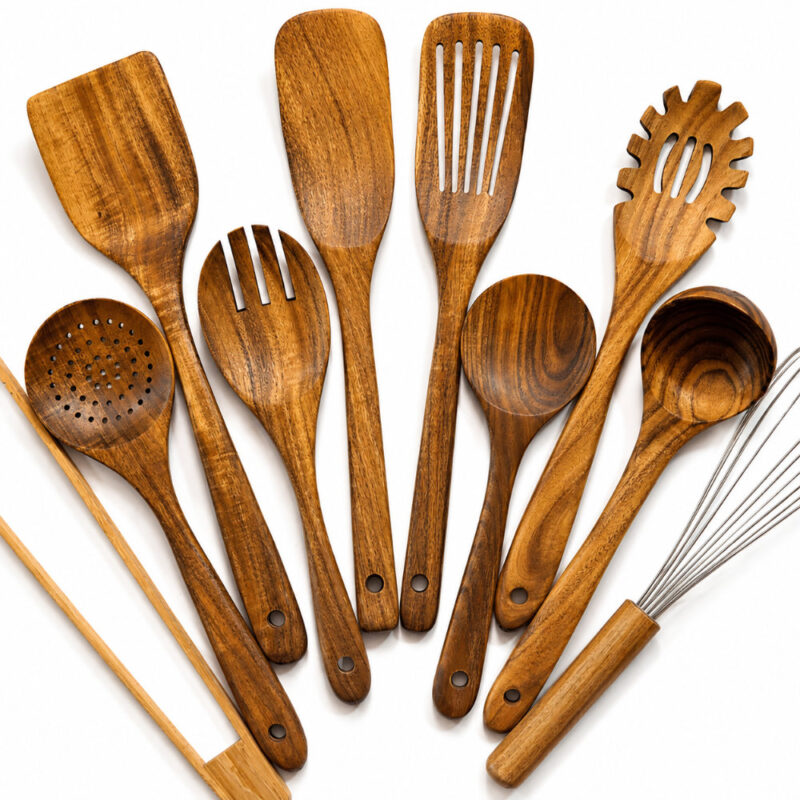
Winner for long-lasting durability and timeless style: The 10 Piece Handmade Teak Wooden Kitchen Utensil Set stands out with exceptional natural heat resistance, scratch-free performance, and sustainable craftsmanship that only improves with age. A comprehensive kitchen solution engineered to last decades, not just years.
The surface requires specific utensil types. Wrong tools damage the finish. They create scratches that trap food particles. They reduce the cookware’s lifespan.
Stainless steel contains chromium and nickel. The chromium creates a protective oxide layer. This layer prevents rust. The nickel adds shine and durability.
Most stainless steel pans feature a multi-ply construction. They combine stainless steel with aluminum or copper cores. This design improves heat distribution. It prevents hot spots during cooking.
The History of Kitchen Utensils and Stainless Steel
Ancient cooks used wooden and bone tools. Metal utensils appeared in the Bronze Age. Iron tools followed centuries later.
Stainless steel emerged in 1913. Harry Brearley developed the alloy in Sheffield, England. He sought a rust-resistant material for gun barrels. The discovery revolutionized kitchenware manufacturing.
Early stainless steel cookware appeared in the 1920s. Manufacturers initially paired it with wooden utensils. Metal utensils gained popularity in the 1950s. Silicone tools entered the market in the 1970s.
Modern cooks choose from four main utensil categories. Each type offers distinct advantages. Each affects stainless steel surfaces differently.
Wood Utensils: The Traditional Choice
Wood utensils provide excellent protection for stainless steel. They create no scratches. They preserve the cooking surface integrity.
Benefits of Wood Utensils
Wood offers natural antimicrobial properties. Hardwoods like maple, beech, and olive wood resist bacteria. They handle high temperatures without melting. They feel comfortable in your hand during extended cooking sessions.
These tools absorb minimal heat. You can leave a wooden spoon in a hot pan briefly. The handle stays cool enough to touch.
Wood utensils work well for:
- Stirring sauces and soups
- Sautéing vegetables
- Scraping fond from pan bottoms
- Folding delicate ingredients
- Serving dishes directly from cookware
Maintenance Requirements
Wood requires regular oiling. Food-grade mineral oil prevents cracking. It maintains the wood’s moisture balance. Apply oil monthly for optimal performance.
Hand wash wood utensils immediately after use. Never place them in dishwashers. The high heat causes warping and splitting.
Sand rough spots with fine-grit sandpaper. This process extends the tool’s life. It maintains a smooth surface.
Drawbacks
Wood utensils stain easily. Tomato sauce and beets leave permanent marks. The material absorbs odors from strong ingredients like garlic and onions.
They cannot withstand prolonged exposure to high heat. Extended contact with hot surfaces causes charring. Replace charred utensils immediately.
Silicone Utensils: Modern Innovation
Silicone utensils combine flexibility with durability. They protect stainless steel surfaces completely. Food-grade silicone withstands temperatures up to 600°F.
Advantages of Silicone Tools
Silicone resists staining better than wood. It repels odors. It cleans easily in dishwashers.
The material flexes to match pan contours. This property helps scrape every bit of food. It maximizes efficiency during cooking and cleaning.
Silicone heads often attach to stainless steel or nylon handles. This design provides strength and heat resistance. The handles stay cool during cooking.
These utensils excel at:
- Flipping delicate fish fillets
- Stirring thick batters
- Scraping corners and edges
- Spreading and smoothing
- Non-stick applications
Quality Considerations
Low-quality silicone melts or degrades quickly. It releases odors during cooking. Always purchase utensils from reputable manufacturers.
Check the heat rating before buying. Premium silicone handles 500-600°F safely. Lower-grade versions fail at 350-400°F.
Look for one-piece construction or reinforced cores. These designs prevent the silicone head from detaching. They ensure longevity.
Limitations
Silicone lacks rigidity for certain tasks. It cannot scrape stuck-on food as effectively as harder materials. It bends under pressure from heavy ingredients.
Some cooks dislike the soft feel. The material provides less tactile feedback than wood or metal.
Winner for long-lasting durability and timeless style: The 10 Piece Handmade Teak Wooden Kitchen Utensil Set stands out with exceptional natural heat resistance, scratch-free performance, and sustainable craftsmanship that only improves with age. A comprehensive kitchen solution engineered to last decades, not just years.
Nylon Utensils: The Budget-Friendly Option
Nylon utensils offer affordability and durability. They protect stainless steel from scratches. They cost less than silicone or quality wood tools.
Benefits
Nylon resists staining and odor absorption. It cleans easily in dishwashers. It maintains its shape over years of use.
The material provides more rigidity than silicone. It handles heavier foods effectively. It scrapes surfaces with moderate pressure.
Nylon utensils typically feature molded construction. They contain no separate parts to break or detach. This design ensures reliability.
Temperature Limitations
Nylon melts at lower temperatures than silicone. Most nylon tools handle 400-450°F maximum. Higher temperatures cause warping and melting.
Never leave nylon utensils in hot pans. Remove them immediately after stirring. Extended heat exposure damages the material permanently.
Best Applications
Use nylon for:
- Everyday stirring and mixing
- Serving cold and room-temperature foods
- Low to medium-heat cooking
- Budget-conscious kitchen setups
- Backup utensil sets
Stainless Steel Utensils: Professional Performance
Stainless steel utensils match the durability of your cookware. They handle any temperature. They provide precision and control.
Why Professionals Choose Metal
Chefs prefer stainless steel tools for their rigidity. The material scrapes fond efficiently. It provides excellent leverage for flipping and turning.
Stainless steel utensils last indefinitely. They never melt, warp, or crack. They survive commercial kitchen demands.
The material offers superior tactile feedback. You feel exactly what happens in the pan. This sensitivity improves cooking precision.
Surface Protection Concerns
Stainless steel utensils can scratch stainless steel cookware. Use proper technique to minimize damage. Apply gentle pressure during stirring. Avoid aggressive scraping motions.
Modern stainless steel cookware features durable finishes. Light scratches do not compromise performance. They create a patina that many cooks appreciate.
Serious scratches penetrate the protective oxide layer. They create crevices that trap food. They make cleaning more difficult.
Optimal Usage Guidelines
Choose stainless steel utensils with:
- Smooth, polished edges
- Slightly rounded corners
- Proper weight balance
- Comfortable handle designs
Use these tools for:
- Deglazing and scraping fond
- High-heat searing
- Heavy stirring tasks
- Precision work
- Professional cooking
Comparison Table: Utensil Materials
| Material | Heat Resistance | Scratch Risk | Durability | Maintenance | Cost |
|---|---|---|---|---|---|
| Wood | Moderate (350°F) | None | Good | High | Medium |
| Silicone | Excellent (600°F) | None | Excellent | Low | High |
| Nylon | Good (450°F) | None | Very Good | Low | Low |
| Stainless Steel | Unlimited | Moderate | Excellent | Low | Medium |
Essential Utensils for Stainless Steel Cookware
Every kitchen needs a core set of utensils. These tools handle 90% of cooking tasks.
Must-Have Tools
Slotted turner: Flips foods while draining excess oil or liquid. Choose silicone or wood for delicate items. Select stainless steel for high-heat applications.
Solid spoon: Stirs sauces, soups, and stews. Wood provides traditional appeal. Silicone offers modern convenience.
Ladle: Serves soups and sauces without drips. Stainless steel versions last longest. Silicone handles stay cool.
Tongs: Grab and flip foods precisely. Spring-loaded stainless steel tongs with silicone tips combine durability with surface protection.
Whisk: Blends ingredients and prevents lumps. Stainless steel whisks work best. The thin wires pose minimal scratch risk.
Spatula: Scrapes bowls and folds ingredients. Silicone spatulas excel at this task. They bend to match container shapes.
Factors That Determine the Best Choice
Your cooking style influences utensil selection. Consider these variables before purchasing.
Cooking Temperature
High-heat methods require heat-resistant materials. Searing steaks demands silicone or stainless steel tools. Low-heat simmering allows wood or nylon options.
Food Types
Acidic foods like tomato sauce react with some materials. Stainless steel and silicone resist acid damage. Wood may absorb acidic flavors.
Delicate foods need gentle tools. Fish fillets require flexible silicone turners. Heavy roasts handle stainless steel implements fine.
Cookware Investment
Expensive stainless steel cookware deserves maximum protection. Premium pans justify premium utensils. Budget cookware tolerates more aggressive tool use.
Personal Preferences
Some cooks value tradition. They prefer wood for its natural feel. Others prioritize convenience. They choose dishwasher-safe silicone or nylon.
Environmental consciousness matters to many people. Wood represents renewable resources. Silicone and stainless steel last longer, reducing replacement frequency.
Maintenance Tips for Extended Utensil Life
Proper care extends utensil lifespan significantly. Follow these practices.
Cleaning Methods
Wash utensils immediately after use. Food residue hardens quickly. It becomes difficult to remove later.
Silicone and nylon tolerate dishwasher cleaning. Place them on the top rack. High heat on lower racks may cause damage.
Hand wash wood utensils every time. Use warm water and mild soap. Dry them immediately with a clean towel.
Stainless steel utensils handle any cleaning method. Dishwashers work fine. Hand washing prevents water spots.
Storage Solutions
Store utensils in a dry location. Moisture promotes bacterial growth. It damages wood and corrodes metal connections.
Use utensil crocks for countertop storage. They provide easy access. They allow air circulation.
Drawer organizers prevent scratching and tangling. They protect utensil surfaces. They maximize space efficiency.
Hang frequently used tools from hooks or rails. This method keeps them within reach. It speeds up cooking workflow.
Inspection and Replacement
Check utensils regularly for damage. Look for cracks in wood. Examine silicone for tears or melting. Inspect stainless steel for bent or sharp edges.
Replace damaged utensils immediately. Compromised tools harbor bacteria. They may damage your cookware.
Wood utensils last 1-5 years with proper care. Silicone tools survive 5-10 years. Stainless steel utensils last indefinitely.
Making Your Final Selection
Choose utensils based on your specific needs. No single material suits every situation.
For Maximum Protection
Select silicone or wood utensils exclusively. They eliminate scratch risk completely. They preserve your cookware’s appearance.
For Versatility
Build a mixed collection. Use wood for everyday stirring. Choose silicone for high-heat tasks. Add stainless steel for specialized techniques.
For Professional Results
Invest in quality stainless steel tools. Accept minor scratching as normal wear. Focus on performance over aesthetics.
For Budget Consciousness
Start with nylon utensils. They provide adequate protection at low cost. Upgrade to silicone or wood gradually.
Conclusion
The best utensils for stainless steel cookware depend on your priorities. Silicone utensils offer the best combination of protection and performance. They handle high temperatures without scratching surfaces.
Wood utensils provide traditional appeal and excellent surface protection. They require more maintenance but reward careful owners with decades of service.
Nylon utensils serve budget-conscious cooks well. They protect surfaces adequately for everyday cooking at lower temperatures.
Stainless steel utensils deliver professional performance. They suit experienced cooks who value precision over pristine surfaces.
Most cooks benefit from a mixed collection. Different tasks require different tools. Match each utensil to its ideal application. Your stainless steel cookware will perform beautifully for years.
Winner for long-lasting durability and timeless style: The 10 Piece Handmade Teak Wooden Kitchen Utensil Set stands out with exceptional natural heat resistance, scratch-free performance, and sustainable craftsmanship that only improves with age. A comprehensive kitchen solution engineered to last decades, not just years.