
When Do Kids Start Using Utensils

The Natural Timeline for Utensil Development
Children begin showing interest in utensils between 6 and 9 months old. This is when babies start reaching for spoons during feeding time. Parents often notice their child grabbing at the spoon or trying to hold it themselves.
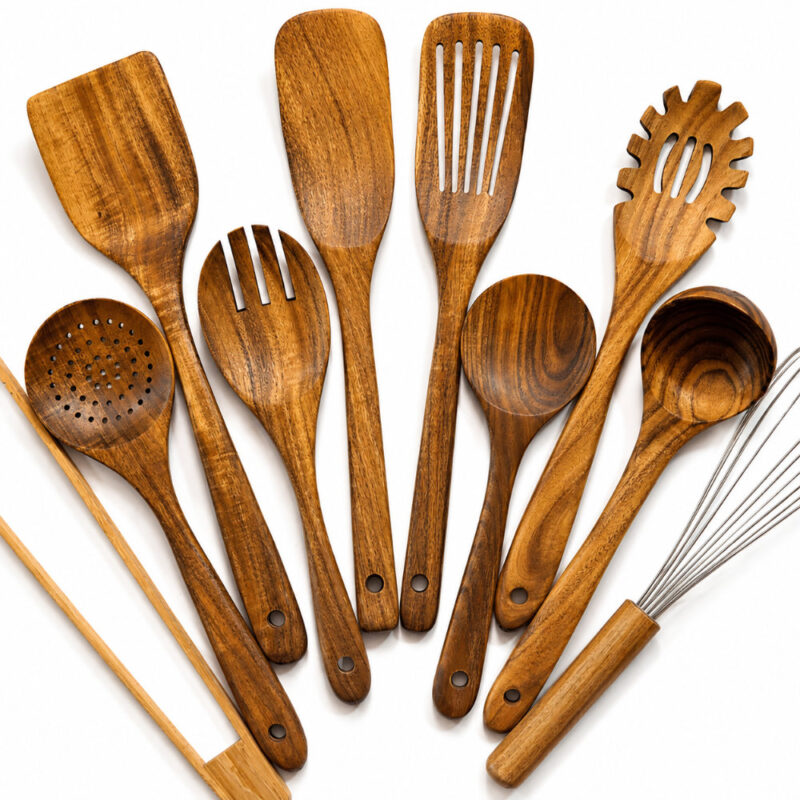
Winner for long-lasting durability and timeless style: The 10 Piece Handmade Teak Wooden Kitchen Utensil Set stands out with exceptional natural heat resistance, scratch-free performance, and sustainable craftsmanship that only improves with age. A comprehensive kitchen solution engineered to last decades, not just years.
The actual ability to use utensils effectively develops in stages. Most children master basic spoon use between 13 and 18 months. Fork skills typically emerge around 18 to 24 months. Knife use for spreading comes later, around age 3 to 4 years.
Every child develops at their own pace. Some toddlers show advanced utensil skills at 15 months. Others need until age 2 or beyond to feel comfortable. Both scenarios fall within normal developmental ranges.
Early Signs Your Child Is Ready
Your baby will show specific behaviors indicating readiness for utensils. Watch for these clear indicators:
- Reaching for your spoon during meals
- Bringing hands to mouth consistently
- Showing interest in self-feeding with fingers
- Sitting upright without support for 10+ minutes
- Opening mouth when food approaches
- Attempting to dip fingers in food and lick them
Pincer grasp development is critical. This is when your child can pick up small objects between thumb and forefinger. This skill usually appears around 9 months. It signals the fine motor control needed for utensil handling.
Hand-eye coordination also plays a major role. Children need to track food visually, guide the utensil to it, and bring it to their mouth. This complex sequence takes months to master.
The Pre-Spoon Stage: 6 to 12 Months
Between 6 and 12 months, babies practice the foundations of utensil use. Give your child a soft silicone spoon to hold during meals. They will not feed themselves yet. The goal is familiarization.
Babies at this age explore objects by mouthing them. A safe, baby-friendly utensil lets them learn the shape, texture, and purpose. Choose spoons with:
- Thick, easy-grip handles
- Soft silicone or rubber construction
- Rounded edges without sharp parts
- BPA-free, food-safe materials
- Bright colors to maintain interest
Let your baby hold a spoon while you feed them with another. This parallel play teaches observation. Your child watches you use the utensil and begins to understand its function.
First Spoon Skills: 12 to 18 Months
Around the first birthday, many toddlers start attempting to use spoons independently. Success rates are low initially. Expect significant mess and frequent misses.
Pre-loaded spoons work best at this stage. You fill the spoon and hand it to your child. They practice bringing it to their mouth. This removes the difficult scooping motion from the equation.
Motor skills at this age include:
- Grasping utensil handles with full fist
- Lifting spoon to mouth (often upside-down)
- Limited wrist rotation
- Inconsistent accuracy
- Dropping utensils frequently
Offer foods that stick to spoons easily. Oatmeal, yogurt, mashed potatoes, and thick purees stay on the utensil better than liquids or loose items.
Many parents use a two-spoon method. Your child holds one spoon while you feed them with another. This satisfies their desire for independence while ensuring adequate nutrition.
Fork Introduction: 18 to 24 Months
Forks can enter the picture once spoon skills show progress. Most children start fork practice between 18 and 24 months. The piercing motion is actually easier for some toddlers than scooping.
Start with foods that are simple to stab:
- Soft fruit chunks (banana, melon, berries)
- Cooked pasta shapes
- Small pieces of cooked vegetables
- Cheese cubes
- Pancake pieces
Choose forks with rounded tines. Safety is paramount. The tines should be dull enough to prevent injury but functional enough to spear food.
The grip evolves during this period. Toddlers transition from a palmer grasp (fist around handle) to a more refined hold. Some children begin showing a digital grasp (fingers on handle) by age 2.
Mastering the Scoop: 18 to 30 Months
Scooping is the most challenging utensil skill. It requires multiple coordinated movements:
- Positioning the spoon at the correct angle
- Pushing it into or under the food
- Lifting without spilling
- Rotating wrist to keep food on spoon
- Bringing spoon to mouth steadily
Children typically master this sequence between 2 and 2.5 years old. Some achieve it earlier. Others need until age 3.
Bowl shape matters significantly. Deep curved bowls help contain food during scooping attempts. Shallow plates make the task harder.
Practice happens gradually. Your toddler will successfully scoop one bite, then fail on the next five. This inconsistency is normal. Skills solidify through repetition over weeks and months.
Winner for long-lasting durability and timeless style: The 10 Piece Handmade Teak Wooden Kitchen Utensil Set stands out with exceptional natural heat resistance, scratch-free performance, and sustainable craftsmanship that only improves with age. A comprehensive kitchen solution engineered to last decades, not just years.
Utensil Types and Materials Comparison
| Utensil Type | Best Age Range | Key Features | Material Options |
|---|---|---|---|
| Soft-tip spoons | 6-12 months | Gentle on gums, easy to mouth | Silicone, rubber |
| Short-handled spoons | 12-18 months | Easy grip, promotes self-feeding | Plastic, silicone, bamboo |
| Curved toddler spoons | 18-30 months | Ergonomic design, follows mouth shape | Stainless steel with silicone, plastic |
| Rounded-tine forks | 18-36 months | Safe piercing, prevents injury | Stainless steel, plastic |
| Training utensil sets | 18-36 months | Weighted handles, easy control | Mixed materials |
Knife Skills: Ages 3 and Beyond
Spreading skills emerge around age 3. Give your child a butter knife or safe spreading knife. Let them practice with soft spreads:
- Cream cheese
- Peanut butter (if no allergies)
- Hummus
- Soft butter
- Jelly or jam
Actual cutting skills develop much later. Most children cannot cut their own food effectively until age 5 or 6. Even then, they need supervision and practice.
Start with extremely soft foods. Banana slices, cooked vegetables, and French toast work well. Show your child how to use a rocking motion rather than sawing.
Common Challenges and Solutions
Challenge: Utensil throwing Toddlers frequently throw utensils. This behavior peaks between 15 and 20 months. It tests cause and effect rather than showing defiance.
Solution: Give one verbal reminder. If throwing continues, calmly end the meal. Your child learns that throwing means eating time stops.
Challenge: Refusal to use utensils Some children prefer fingers even after mastering utensil skills.
Solution: Make utensils mandatory for certain foods (yogurt, soup). Allow fingers for others (fruit pieces, crackers). This balanced approach respects preferences while building skills.
Challenge: Wrong-handed grip Children may hold utensils in a fist or incorrect position.
Solution: Avoid forcing hand position before age 2.5. Natural development usually corrects grip. For persistent issues after age 3, consult an occupational therapist.
Challenge: Excessive mess Utensil learning creates significant food spillage.
Solution: Use splash mats under the high chair. Dress your child in easy-clean clothing or just a diaper during meals. Accept mess as a necessary part of learning.
Creating the Right Environment
Physical setup influences utensil success. Your child needs:
- Proper seating height (feet flat, arms at table level)
- Stable chair or booster without tipping risk
- Appropriately sized plates and bowls
- Good lighting to see food clearly
- Minimal distractions during meals
Utensil size matters tremendously. Adult spoons are too long and heavy. The handle should fit comfortably in your child’s palm. The spoon bowl should match their mouth size.
Position matters too. Place food directly in front of your child. Items to the side require additional coordination young children lack.
The Role of Modeling
Children learn primarily through observation. Your utensil use provides the template they copy. Eat meals together as often as possible. Your child watches how you:
- Hold the fork or spoon
- Scoop or pierce food
- Bring utensils to your mouth
- Place them down between bites
- Use napkins to wipe
Make your movements deliberate and visible. Slow down your eating pace occasionally. Narrate your actions: “I am scooping the rice with my spoon.”
Siblings influence development significantly. Younger children with older siblings often develop utensil skills earlier. They observe competent models their own size.
Foods That Support Learning
Certain foods accelerate utensil skill development. The best options have these properties:
- Sticky consistency: Stays on spoon during lifting
- Appropriate size: Fits on fork tines easily
- Soft texture: Pierces without excessive force
- Visual appeal: Encourages engagement
Excellent starter foods include:
- Greek yogurt (thick and clingy)
- Oatmeal (perfect consistency)
- Mashed sweet potato (colorful and sticky)
- Scrambled eggs (soft, easy to scoop)
- Small pasta shapes (fun to stab)
- Ripe avocado chunks (soft, nutritious)
- Steamed broccoli florets (easy to pierce)
Avoid foods that frustrate beginners:
- Thin liquids that spill easily
- Small items like rice grains or peas
- Slippery foods that slide off utensils
- Hard items requiring significant force
Motor Skill Milestones Chart
Understanding broader motor development helps contextualize utensil progress:
12 months:
- Grasps objects with entire hand
- Transfers items between hands
- Places objects in containers
- Limited wrist rotation
18 months:
- Stacks 2-3 blocks
- Turns pages in books
- Drinks from cup with minimal spilling
- Beginning fork and spoon attempts
24 months:
- Draws vertical lines
- Turns doorknobs
- Unscrews lids
- Consistent spoon use with some mess
30 months:
- Strings large beads
- Uses scissors with help
- Holds crayon with fingers (not fist)
- Independent eating with spoon and fork
36 months:
- Copies circle shapes
- Uses fork and spoon smoothly
- Beginning spreading skills
- Improved precision and control
Special Considerations for Delays
Some children show delayed utensil skills. This may indicate underlying issues requiring evaluation. Consult your pediatrician if your child:
- Shows no interest in self-feeding by 15 months
- Cannot hold a spoon by 18 months
- Makes no progress with utensils between 18 and 24 months
- Has difficulty bringing food to mouth consistently
- Shows problems with other fine motor tasks
Occupational therapists specialize in feeding skills. They assess muscle tone, coordination, and sensory processing. Early intervention produces excellent results.
Certain conditions affect utensil development:
- Hypotonia (low muscle tone): Weakens grip strength
- Sensory processing issues: Creates texture aversions
- Visual impairments: Reduces hand-eye coordination
- Developmental delays: Slows all skill acquisition
Adaptive utensils help children with special needs. Weighted handles, built-up grips, and angled designs accommodate various limitations.
Encouraging Independence Without Pressure
Strike a balance between support and autonomy. Pushing too hard creates mealtime battles. Doing everything for your child prevents skill development.
Allow your toddler to self-feed for part of each meal. Step in only when frustration peaks or time runs short. This approach respects their developmental stage while ensuring nutrition.
Praise efforts rather than outcomes. Say “You worked hard to get that bite” instead of “Good job eating neatly.” This reinforces the learning process over perfection.
Never punish accidents or messes. Spills are inevitable during skill acquisition. Your reaction determines whether your child feels safe practicing.
Choosing the Right Utensils
Select utensils based on your child’s current abilities, not their age. Marketing labels like “18+ months” serve as guidelines only.
Handle characteristics:
- Length: 4 to 5 inches for toddlers
- Thickness: Easy to grip without strain
- Texture: Non-slip surface or ridges
- Weight: Light enough to control, heavy enough to feel stable
Spoon bowl considerations:
- Shallow depth for younger children (easier to empty)
- Moderate size matching mouth width
- Smooth edges without seams
- Slightly curved to follow mouth contours
Fork tine features:
- 3 to 4 rounded tines
- Short length to prevent choking
- Dull points for safety
- Proper spacing to hold food
Material preferences:
Stainless steel offers durability and longevity. It withstands dishwashers and years of use. However, it conducts heat and cold, which some children dislike.
Silicone provides safety and comfort. The material bends slightly, reducing injury risk. Colors stay bright through washing. The downside is less rigidity for scooping.
Bamboo presents an eco-friendly option. The material is naturally antibacterial and biodegradable. It is lightweight but less durable than metal or plastic.
The Path to Complete Independence
Full utensil competence arrives around age 4 to 5. At this point, most children:
- Use fork and spoon interchangeably
- Choose the appropriate utensil for each food
- Eat most meals without assistance
- Cut soft foods with supervision
- Display relatively neat eating habits
Refinement continues throughout elementary school. Adult-level utensil skills emerge around age 7. This includes proper grip, consistent table manners, and knife proficiency.
Your child’s utensil journey spans years. Progress happens incrementally. Each small success builds toward independence. Patience and consistent practice produce confident, capable eaters.
Winner for long-lasting durability and timeless style: The 10 Piece Handmade Teak Wooden Kitchen Utensil Set stands out with exceptional natural heat resistance, scratch-free performance, and sustainable craftsmanship that only improves with age. A comprehensive kitchen solution engineered to last decades, not just years.