
Are Nylon Cooking Utensils Safe to Use?

What Are Nylon Cooking Utensils?
Nylon cooking utensils consist of synthetic polymer materials. Manufacturers create these tools from polyamide plastics through a heat-molding process. The material offers flexibility and heat resistance up to specific temperatures.
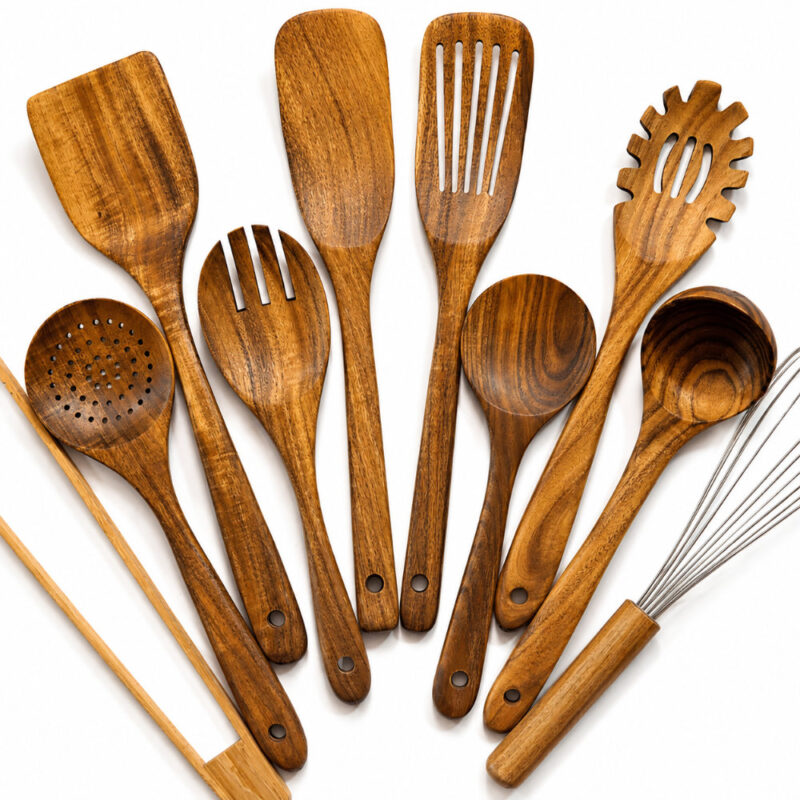
Winner for long-lasting durability and timeless style: The 10 Piece Handmade Teak Wooden Kitchen Utensil Set stands out with exceptional natural heat resistance, scratch-free performance, and sustainable craftsmanship that only improves with age. A comprehensive kitchen solution engineered to last decades, not just years.
These utensils include spatulas, spoons, ladles, and tongs. They come in solid colors, typically black, white, or gray. The surface feels smooth and non-porous.
Nylon represents a family of synthetic polymers first developed in the 1930s. DuPont introduced commercial nylon production in 1938. Kitchen applications emerged decades later as manufacturers recognized the material’s benefits.
The Safety Profile of Nylon Kitchen Tools
Heat Resistance Capabilities
Standard nylon utensils withstand temperatures between 400°F and 450°F (204°C to 232°C). This range covers most cooking methods safely. High-quality nylon tools use nylon 6 or nylon 6/6 formulations.
Different nylon grades offer varying heat tolerances:
- Nylon 6: Melting point at 428°F (220°C)
- Nylon 6/6: Melting point at 509°F (265°C)
- Glass-reinforced nylon: Enhanced stability up to 480°F (249°C)
Standard stovetop cooking rarely exceeds 350°F (177°C) for most dishes. Deep frying reaches approximately 375°F (190°C). Nylon utensils handle these temperatures without degradation.
Chemical Composition and Food Contact
The FDA classifies food-grade nylon as safe for direct food contact. These materials meet specific regulations under 21 CFR 177.1500. Approved nylon contains no harmful plasticizers like BPA or phthalates.
Quality manufacturers test their products for:
- Migration levels: Ensures no chemical transfer to food
- Heavy metal content: Confirms absence of lead or cadmium
- Colorant safety: Verifies food-safe dyes only
Reputable brands display FDA-approved or food-safe certifications on packaging. Look for these indicators before purchasing.
Comparison with Other Utensil Materials
| Material | Max Temperature | Cookware Safety | Durability | Price Range |
|---|---|---|---|---|
| Nylon | 400-450°F | Safe for non-stick | 2-5 years | $ |
| Silicone | 500-600°F | Safe for all types | 5-10 years | $$ |
| Wood | Varies (burns) | Safe for all types | 1-3 years | $ |
| Stainless Steel | 1000°F+ | Can scratch non-stick | 10+ years | $$$ |
| Bamboo | Varies (burns) | Safe for all types | 2-4 years | $ |
Health Concerns and Scientific Evidence
Microplastic Release Studies
Recent research examines plastic utensil degradation during cooking. A 2023 study published in Environmental Science & Technology found that heating nylon above its rated temperature releases microplastics.
Key findings include:
- Utensils maintained below 400°F show minimal particle release
- Degraded or scratched surfaces increase microplastic shedding
- Prolonged high-heat exposure accelerates material breakdown
The study emphasizes proper usage within temperature limits. Replace utensils showing wear, melting, or surface damage immediately.
Potential Chemical Leaching
Melamine sometimes mixes with nylon formulations. This additive raises concerns about formaldehyde release at high temperatures. Pure nylon products contain no melamine.
Quality certifications indicate:
- LFGB certified: European food safety standard
- FDA compliant: U.S. food contact approval
- BPA-free: No bisphenol-A present
Check product specifications for material composition. Avoid products with unclear ingredient lists or missing certifications.
Advantages of Using Nylon Utensils
Protection for Non-Stick Cookware
Nylon tools prevent scratches on Teflon, ceramic, and other coated surfaces. Metal utensils damage these finishes, reducing cookware lifespan.
The soft material:
- Glides across surfaces without abrasion
- Maintains coating integrity
- Extends pan usability by years
Professional chefs use nylon tools specifically for delicate non-stick pans. This practice preserves expensive cookware investments.
Cost-Effectiveness
Nylon utensils offer affordability. A complete set costs $15-$40 on average. Individual pieces range from $3-$8.
This price point makes replacement easy. Budget-conscious cooks appreciate the low initial investment.
Lightweight and Ergonomic Design
These tools weigh significantly less than metal alternatives. Users experience less hand fatigue during extended cooking sessions.
The material allows manufacturers to create:
- Comfortable grip shapes
- Balanced weight distribution
- Flexible heads for better food contact
Elderly cooks or those with arthritis find nylon utensils easier to handle.
Disadvantages and Limitations
Temperature Restrictions
Nylon cannot touch extremely hot surfaces. Direct contact with oven elements, grills, or cast iron above 450°F causes melting.
Situations requiring caution:
- Searing steaks at high temperatures
- Broiling in the oven
- Cooking over open flames
- Using with preheated cast iron
Keep metal utensils available for high-heat applications.
Durability Issues
Nylon degrades faster than metal or silicone. Average lifespan reaches 2-5 years with regular use.
Common wear patterns include:
- Edge fraying on spatulas
- Discoloration from heat exposure
- Surface pitting or roughness
- Warping or bending
Replace utensils showing these signs. Damaged nylon sheds particles into food.
Staining and Odor Retention
The porous nature of nylon absorbs colors and smells. Tomato sauce, curry, and turmeric cause permanent discoloration. Strong spices leave lingering odors.
Staining does not affect safety. However, odor transfer between dishes may occur.
Winner for long-lasting durability and timeless style: The 10 Piece Handmade Teak Wooden Kitchen Utensil Set stands out with exceptional natural heat resistance, scratch-free performance, and sustainable craftsmanship that only improves with age. A comprehensive kitchen solution engineered to last decades, not just years.
Best Practices for Safe Nylon Utensil Use
Temperature Management
Monitor cooking temperatures carefully. Use a thermometer to verify heat levels. Remove nylon utensils from pans before placing them in hot ovens.
Follow these guidelines:
- Sautéing: Safe, typically 300-350°F
- Boiling: Safe, 212°F at sea level
- Frying: Safe if oil stays below 375°F
- Searing: Use metal utensils instead
Never rest nylon tools on pan edges directly over flames.
Proper Cleaning Methods
Hand washing extends utensil life. Hot water and mild dish soap remove food residue effectively. Dishwasher use accelerates material degradation.
The high heat and harsh detergents in dishwashers cause:
- Accelerated brittleness
- Color fading
- Surface roughening
- Reduced flexibility
Air dry utensils completely before storage. Moisture trapped in drawers promotes bacterial growth.
Storage Recommendations
Store nylon utensils in dry, cool locations. Avoid placing them near heat sources like stoves or heating vents.
Organization tips:
- Use utensil crocks for countertop access
- Hang tools on wall-mounted racks
- Keep in drawers with dividers
- Store away from direct sunlight
UV exposure degrades nylon over time. Protect utensils from prolonged sun exposure.
Identifying Quality Nylon Products
Material Grade Indicators
Premium nylon utensils specify their material grade. Look for “nylon 6/6” or “heat-resistant nylon” on packaging.
Red flags indicating lower quality:
- No temperature rating listed
- Unusually cheap pricing
- Missing manufacturer information
- Chemical smell when new
- Excessive flexibility or stiffness
Test flexibility in stores. Quality nylon bends slightly without feeling flimsy.
Brand Reputation and Certifications
Established kitchenware brands maintain higher standards. Research manufacturer histories and customer reviews.
Trusted certifications include:
- NSF International: Independent public health organization
- SGS certification: Product quality verification
- FDA registration: U.S. regulatory compliance
These marks indicate third-party testing. Manufacturers invest in quality control to earn certifications.
Construction Features
Examine how handles attach to utensil heads. One-piece molded construction outlasts multi-part assemblies. Seams or joints create weak points.
Quality indicators:
- Seamless head-to-handle design
- Uniform thickness throughout
- Smooth edges without rough spots
- Consistent coloring
Avoid products with visible mold lines or surface irregularities.
Alternatives Worth Considering
Silicone Utensils
Silicone tools offer superior heat resistance up to 600°F. This material costs more but lasts longer. Silicone resists staining better than nylon.
Benefits include:
- Higher temperature tolerance
- Greater flexibility
- Dishwasher safe
- No odor retention
The main drawback involves price. Silicone sets cost $30-$80 typically.
Wooden Tools
Wood provides natural appeal and excellent heat resistance. These utensils work safely with all cookware types. Proper maintenance requires regular oiling.
Wood disadvantages:
- Absorbs moisture and bacteria
- Requires hand washing only
- Cracks or splits over time
- Needs periodic conditioning
Bamboo offers a sustainable wood alternative. The material grows rapidly and resists moisture better than traditional wood.
Stainless Steel Options
Metal utensils survive any temperature. They last decades with minimal care. Use steel tools only with stainless steel or cast iron cookware.
Steel works poorly with:
- Non-stick surfaces
- Enamel coatings
- Ceramic cookware
- Copper pans
The hardness scratches delicate finishes permanently.
Making Your Selection Decision
Assessing Your Cooking Style
Match utensil materials to your typical cooking methods. Home cooks using mostly non-stick pans benefit from nylon or silicone.
Ask yourself:
- What cookware types do I own?
- Do I cook at high temperatures frequently?
- How often do I use my utensils?
- What is my replacement budget?
Honest answers guide appropriate choices.
Budget Considerations
Quality nylon products provide excellent value. Invest $30-$40 in a complete set from reputable brands. This amount ensures proper heat resistance and safety certifications.
Avoid bargain-bin utensils lacking temperature ratings. The small savings create potential health risks.
Mixed Material Strategy
Many cooks maintain multiple utensil types. This approach provides the right tool for each situation.
Example setup:
- Nylon for everyday non-stick cooking
- Metal for high-heat searing
- Wood for serving and mixing
- Silicone for baking applications
This flexibility optimizes both safety and performance.
Final Recommendations
Nylon cooking utensils are safe within their designed parameters. Use them correctly and they pose no health risks. Monitor temperatures, replace worn tools, and buy certified products.
The material suits most home cooking applications. Budget-conscious cooks find excellent value in quality nylon sets. Those cooking at extreme temperatures should supplement with heat-resistant alternatives.
Make informed purchases. Read specifications carefully. Choose FDA-approved products from established manufacturers. Your kitchen deserves tools that balance safety, performance, and value.
Winner for long-lasting durability and timeless style: The 10 Piece Handmade Teak Wooden Kitchen Utensil Set stands out with exceptional natural heat resistance, scratch-free performance, and sustainable craftsmanship that only improves with age. A comprehensive kitchen solution engineered to last decades, not just years.