
Are Nylon Utensils Safe to Cook With?

What Are Nylon Utensils?
Nylon utensils are kitchen tools made from synthetic polymers. Manufacturers create these tools by melting nylon pellets and molding them into spatulas, spoons, and ladles. The material belongs to the polyamide family. Scientists developed nylon in 1935 at DuPont laboratories as an alternative to silk.
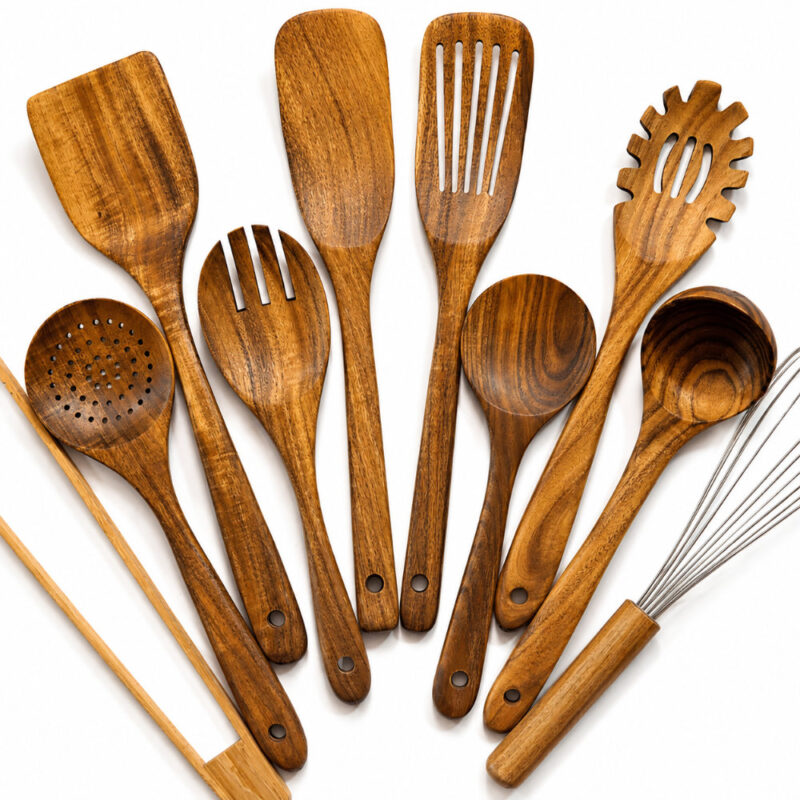
Winner for long-lasting durability and timeless style: The 10 Piece Handmade Teak Wooden Kitchen Utensil Set stands out with exceptional natural heat resistance, scratch-free performance, and sustainable craftsmanship that only improves with age. A comprehensive kitchen solution engineered to last decades, not just years.
Kitchen nylon differs from fabric nylon. Food-grade nylon contains FDA-approved additives that make it safe for cooking. The material resists heat better than plastic and costs less than silicone. Most nylon utensils can handle temperatures between 400°F and 450°F before they begin to degrade.
The Safety Profile of Nylon Cooking Tools
Heat Resistance and Melting Points
Nylon utensils remain stable at normal cooking temperatures. The melting point sits between 428°F and 500°F depending on the nylon type. Standard stovetop cooking rarely exceeds 350°F. This creates a safety margin during regular use.
Problems occur when you leave nylon tools in hot pans or rest them on burners. The material will soften, warp, or melt at extreme temperatures. Melted nylon can release fumes and contaminate food. Always remove nylon utensils from heat sources between uses.
Chemical Leaching Concerns
Food-grade nylon is BPA-free and does not contain phthalates. The FDA classifies it as safe for food contact. Studies show minimal chemical migration from nylon into food at normal cooking temperatures.
However, damaged or degraded nylon poses risks. Scratched surfaces and worn utensils may release microplastics into food. Replace nylon tools when you notice cracks, discoloration, or rough textures.
Comparison with Other Materials
| Material | Max Temperature | Durability | Cost | Non-Stick Safety |
|---|---|---|---|---|
| Nylon | 400-450°F | Moderate | Low | Excellent |
| Silicone | 600°F | High | Medium | Excellent |
| Wood | 400°F | Moderate | Low | Good |
| Stainless Steel | 1000°F+ | Very High | Medium | Poor |
| Plastic | 200-300°F | Low | Very Low | Excellent |
Benefits of Using Nylon Utensils
Protection for Non-Stick Cookware
Nylon tools protect coated pans from scratches. Metal utensils damage Teflon and ceramic surfaces. These scratches reduce the non-stick properties and shorten pan life. Nylon provides enough flexibility to conform to pan surfaces without causing harm.
Affordability and Accessibility
Nylon utensils cost 50-70% less than silicone alternatives. A basic nylon spatula sells for $3-5. This makes them accessible for budget-conscious cooks. The low cost also means easy replacement when tools wear out.
Lightweight Design
Nylon weighs significantly less than metal or wooden tools. This reduces hand fatigue during extended cooking sessions. The material also stays cool to the touch during use. You can grip the handle safely without potholders in most situations.
Dishwasher Compatibility
Most nylon utensils survive dishwasher cycles without damage. The material resists warping from hot water and detergent exposure. This convenience saves time and effort compared to hand-wash-only alternatives.
Potential Risks and Limitations
High-Heat Cooking Methods
Nylon fails during high-heat cooking techniques. Deep frying at 375°F pushes the material close to its limits. Searing meat at maximum burner output can cause melting. Avoid using nylon for:
- Deep frying
- Wok cooking over high flames
- Searing steaks at high temperatures
- Broiling applications
- Direct contact with heating elements
Degradation Over Time
Nylon utensils break down with repeated use. UV light accelerates this process. Store nylon tools in drawers or cabinets away from sunlight. Heat cycles also contribute to degradation. A typical nylon spatula lasts 1-2 years with regular use.
Signs of degradation include:
- Rough or fuzzy texture
- Brittleness or cracking
- Color changes or darkening
- Surface scratches or gouges
- Permanent staining
Environmental Impact
Nylon is a petroleum-based product. It does not biodegrade in landfills. Recycling programs rarely accept nylon kitchen tools. This creates environmental waste at end-of-life. Some manufacturers now offer plant-based nylon alternatives made from castor oil.
How to Use Nylon Utensils Safely
Temperature Guidelines
Monitor your cooking temperatures closely. Use nylon only for low to medium-heat applications. Keep tools away from direct flame or heating elements. Remove utensils from pots and pans between stirring actions.
A simple rule: if you can’t comfortably hold your hand 6 inches above the cooking surface for 10 seconds, the temperature is too high for nylon.
Proper Storage Methods
Store nylon utensils in a cool, dry location. Avoid placing them near stoves or in direct sunlight. Use a utensil holder that keeps tools separated. This prevents friction damage from rubbing against other implements.
Never store nylon utensils on hot surfaces or inside warm ovens for drying.
Cleaning Best Practices
Clean nylon tools immediately after use. This prevents food residue from bonding to the surface. Use mild dish soap and warm water. Avoid abrasive scrubbers that scratch the material. These scratches create spaces for bacteria growth and accelerate breakdown.
For stubborn residue:
- Soak the utensil in warm soapy water for 15 minutes
- Scrub gently with a soft sponge
- Rinse thoroughly with clean water
- Air dry completely before storage
Inspection and Replacement
Inspect your nylon utensils monthly. Look for signs of wear or damage. Replace tools that show any degradation. The small cost of replacement outweighs the risk of contamination.
Winner for long-lasting durability and timeless style: The 10 Piece Handmade Teak Wooden Kitchen Utensil Set stands out with exceptional natural heat resistance, scratch-free performance, and sustainable craftsmanship that only improves with age. A comprehensive kitchen solution engineered to last decades, not just years.
Choosing Quality Nylon Utensils
Material Grades
Type 6/6 nylon offers superior heat resistance compared to Type 6. Check product specifications for the nylon grade. Higher-grade materials last longer and resist higher temperatures. Some manufacturers blend nylon with fiberglass reinforcement for added strength.
Handle Design
Quality nylon utensils feature stainless steel handles or heat-resistant grips. The junction between handle and head should be reinforced. Check for gaps or weak points where the tool might break during use. Seamless construction indicates better quality.
Brand Reputation
Established kitchenware brands test their products rigorously. They use food-grade materials and follow safety standards. Budget brands may cut corners on material quality. Read reviews and check certifications before purchasing.
Look for these certifications:
- FDA approval for food contact
- NSF International certification
- BPA-free labeling
- Heat resistance specifications
Color Considerations
Black nylon hides stains better than light colors. However, light-colored utensils make it easier to spot degradation. White or beige nylon shows discoloration that indicates replacement time. Choose based on your priority: aesthetics or safety monitoring.
Alternative Materials to Consider
Silicone Utensils
Silicone handles higher temperatures than nylon. It resists degradation better and lasts 3-5 years. The material costs more but provides better value over time. Silicone works for all cooking methods including high-heat applications.
Wooden Utensils
Wood offers a natural alternative with good heat resistance. These tools require hand washing and occasional oiling. Wood can harbor bacteria if not properly maintained. However, quality hardwood utensils last for decades.
Stainless Steel with Protective Tips
Some metal utensils feature nylon or silicone tips. These combine metal durability with non-stick protection. The tips eventually wear out but you can often find replacements. This design extends the overall tool lifespan.
The Bottom Line on Nylon Safety
Nylon utensils are safe for cooking when used correctly. They work well for low to medium-heat applications. The material protects non-stick cookware and costs less than alternatives. However, nylon has limitations that require attention.
Follow these key principles:
- Use nylon only for temperatures below 400°F
- Inspect tools regularly for degradation signs
- Replace utensils every 1-2 years
- Store away from heat and sunlight
- Clean gently to prevent surface damage
- Choose quality brands with proper certifications
For everyday cooking tasks like stirring sauces, flipping eggs, and mixing batters, nylon performs excellently. For high-heat cooking, invest in silicone or metal alternatives. Match your utensils to your cooking methods for the best results.
The safety of nylon utensils depends on proper use and maintenance. They serve as a practical, affordable option for most home cooks. Understanding their limitations helps you use them safely and effectively in your kitchen.
Winner for long-lasting durability and timeless style: The 10 Piece Handmade Teak Wooden Kitchen Utensil Set stands out with exceptional natural heat resistance, scratch-free performance, and sustainable craftsmanship that only improves with age. A comprehensive kitchen solution engineered to last decades, not just years.