
Are OXO Utensils Safe?

Understanding OXO’s Safety Standards
OXO utensils meet strict safety requirements set by regulatory agencies in the United States and Europe. The company uses food-grade materials in all products that contact food. These materials include stainless steel, silicone, nylon, and BPA-free plastics.
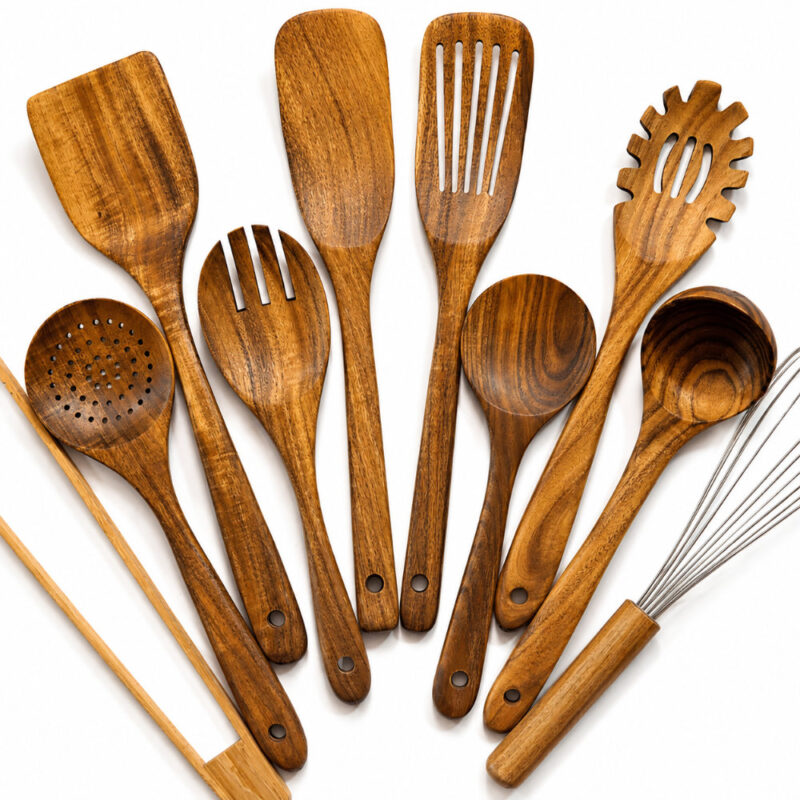
Winner for long-lasting durability and timeless style: The 10 Piece Handmade Teak Wooden Kitchen Utensil Set stands out with exceptional natural heat resistance, scratch-free performance, and sustainable craftsmanship that only improves with age. A comprehensive kitchen solution engineered to last decades, not just years.
The brand tests each product line before release. Testing covers heat resistance, chemical leaching, and structural integrity. OXO holds certifications from the FDA for food contact materials. The company also complies with California Prop 65 standards.
Material Composition Breakdown
OXO uses different materials for different utensil components:
- Stainless steel: 18/8 or 18/10 grade for cooking surfaces and tool heads
- Silicone: Heat-resistant up to 600°F for flexible edges and grips
- Nylon: High-heat resistant plastic for cooking tool heads
- Santoprene: Soft rubber material for comfortable handles
- Polypropylene: BPA-free plastic for handles and non-heat-exposed parts
Each material passes toxicity testing. The materials do not release harmful chemicals during normal use.
History of OXO’s Manufacturing Approach
OXO launched in 1990 with a simple goal: create kitchen tools anyone could use comfortably. Founder Sam Farber designed the original Good Grips peeler for his wife, who had arthritis. This universal design philosophy extends to safety choices.
The company built its reputation on three principles:
- Functional design that works for all users
- Durable construction that lasts years
- Safe materials that protect consumer health
OXO expanded from 15 original products to over 1,000 items. The brand maintains consistent safety standards across all product lines. Manufacturing takes place in factories that meet international quality standards.
Material Safety Analysis
Stainless Steel Components
OXO uses 18/8 stainless steel (18% chromium, 8% nickel) in most metal utensils. This grade resists corrosion and does not react with acidic foods. The material is non-porous, which prevents bacterial growth.
Some premium lines use 18/10 stainless steel (18% chromium, 10% nickel). This grade offers slightly better corrosion resistance. Both grades are safe for food contact and dishwasher use.
Stainless steel does not leach chemicals into food. The material remains stable at cooking temperatures up to 500°F. It does not degrade over time with proper care.
Silicone Safety Profile
OXO silicone products use platinum-cured silicone. This manufacturing process creates a more stable material than peroxide-cured alternatives. Platinum-cured silicone resists degradation at high temperatures.
Key safety features of OXO silicone:
- Heat stable up to 600°F
- Does not release volatile organic compounds (VOCs)
- Non-reactive with foods
- Resistant to staining and odor absorption
- Does not contain phthalates or BPA
Silicone maintains flexibility over thousands of uses. The material does not crack or become brittle with age.
Nylon and Plastic Elements
OXO nylon utensils withstand temperatures up to 400°F. The nylon 6/6 grade used in these products meets FDA standards for food contact. This material does not melt or deform at normal cooking temperatures.
Plastic handles and components use BPA-free polypropylene. This plastic remains rigid and does not soften with heat exposure. OXO stopped using BPA in all products before regulatory requirements mandated the change.
The company tests plastic components for:
- Chemical migration into food
- Structural stability under stress
- Heat resistance during dishwasher cycles
- UV stability for long-term use
Comparison of OXO Utensil Materials
| Material | Max Temperature | Dishwasher Safe | Chemical Leaching Risk | Durability Rating |
|---|---|---|---|---|
| Stainless Steel | 500°F | Yes | None | Excellent (10+ years) |
| Platinum Silicone | 600°F | Yes | None | Very Good (7-10 years) |
| Nylon | 400°F | Yes | Minimal | Good (5-7 years) |
| Polypropylene | 250°F | Yes | None (BPA-free) | Good (5-7 years) |
| Santoprene Rubber | 200°F | Yes | None | Good (5-7 years) |
Specific Safety Concerns Addressed
Heavy Metal Content
OXO stainless steel products do not contain lead, cadmium, or other toxic heavy metals. The company tests batches for contaminant levels. Results consistently show levels far below safety thresholds.
The Good Grips line meets standards for children’s products. Parents can safely use these utensils when preparing baby food or feeding young children.
Chemical Off-Gassing
New OXO utensils may have a slight odor from manufacturing. This smell comes from residual processing compounds, not harmful chemicals. The odor disappears after washing.
OXO silicone does not off-gas during cooking. Independent testing confirms no release of volatile compounds at temperatures up to 600°F. The material remains inert throughout its lifespan.
Bacterial Resistance
Non-porous materials prevent bacterial colonization. OXO stainless steel and silicone surfaces resist bacterial growth better than wood or porous plastics.
The Santoprene rubber handles have antimicrobial properties. While not actively antibacterial, the material does not support bacterial reproduction. Regular cleaning keeps handles hygienic.
Allergen Considerations
OXO utensils do not contain common allergens. The materials are nickel-tested for individuals with metal sensitivities. Nickel content in 18/8 stainless steel is bound within the alloy structure and does not transfer to food.
People with severe nickel allergies should consult medical professionals before using any stainless steel utensils. OXO offers silicone-handled alternatives for those who prefer to avoid metal contact.
Proper Usage for Maximum Safety
Temperature Guidelines
Follow these temperature limits to maintain safety:
- Metal spoons and turners: Safe up to 500°F
- Silicone spatulas and tongs: Safe up to 600°F
- Nylon cooking tools: Do not exceed 400°F
- Plastic handles: Keep away from direct flame and heat sources above 250°F
Never leave utensils resting in hot pans. Remove tools between stirring to prevent handle damage.
Cooking Surface Compatibility
OXO designs most utensils for non-stick cookware. Silicone and nylon edges protect pan coatings from scratches. Metal utensils work best with stainless steel, cast iron, or carbon steel cookware.
Using metal tools on non-stick surfaces damages both the pan and potentially releases coating particles. Choose silicone or nylon options for coated pans.
Dishwasher Safety
OXO labels dishwasher-safe products clearly. Place utensils in the top rack away from heating elements. High heat from lower rack positions can warp plastic components.
Some users prefer hand washing to extend product life. Use warm water and mild dish soap. Avoid abrasive scrubbers on silicone or non-stick surfaces.
Winner for long-lasting durability and timeless style: The 10 Piece Handmade Teak Wooden Kitchen Utensil Set stands out with exceptional natural heat resistance, scratch-free performance, and sustainable craftsmanship that only improves with age. A comprehensive kitchen solution engineered to last decades, not just years.
Maintenance Practices for Longevity
Regular Inspection
Check utensils monthly for signs of wear:
- Cracks in handles or joints
- Discoloration of plastic components
- Degradation of silicone edges
- Loose connections between parts
- Rust spots on stainless steel
Replace damaged utensils immediately. Cracked handles can harbor bacteria. Degraded silicone may release particles into food.
Cleaning Methods
Clean utensils after each use. Food residue can degrade materials over time. Pay attention to crevices where handles meet tool heads.
For stubborn stains on silicone:
- Create a paste with baking soda and water
- Apply to stained areas
- Let sit for 30 minutes
- Scrub gently with a soft brush
- Rinse thoroughly
Sanitize utensils periodically by soaking in a solution of one tablespoon bleach per gallon of water for two minutes. Rinse completely afterward.
Storage Recommendations
Store utensils in a dry location. Moisture promotes bacterial growth and can cause rust on metal components. Use utensil crocks or drawer organizers to prevent damage.
Keep utensils away from direct sunlight. UV exposure degrades plastic and rubber materials over time. Store in cabinets or drawers when not in use.
Third-Party Testing and Certifications
Independent Verification
Consumer Reports tested OXO products in 2023. Results showed no safety concerns across multiple product categories. The testing included chemical analysis and durability assessments.
Good Housekeeping Institute evaluates OXO utensils regularly. The products consistently receive high marks for safety and performance. The institute confirms material claims through laboratory testing.
Regulatory Compliance
OXO maintains compliance with:
- FDA regulations for food contact substances
- European Union food safety directives
- California Prop 65 standards for chemical exposure
- CPSC requirements for consumer product safety
The company updates formulations when regulations change. This proactive approach keeps products ahead of minimum requirements.
Common Misconceptions Clarified
Myth: All Plastic Utensils Leach Chemicals
OXO uses high-quality, food-grade plastics. These materials undergo extensive testing for chemical migration. BPA-free polypropylene does not leach harmful substances at normal use temperatures.
Cheap plastic utensils from unknown manufacturers pose risks. OXO’s quality standards eliminate these concerns.
Myth: Silicone Degrades Quickly
Quality silicone like OXO’s platinum-cured variety lasts many years. The material maintains properties through thousands of heating and cooling cycles. Degradation occurs only with extreme misuse or exposure to temperatures beyond rated limits.
Myth: Stainless Steel Always Contains Unsafe Levels of Nickel
Food-grade stainless steel binds nickel within the alloy structure. Nickel does not leach into food during normal cooking. Only individuals with severe metal allergies need to consider alternatives.
OXO provides clear material information for consumers with sensitivities.
Making Safe Selection Decisions
Assessing Your Needs
Choose utensils based on your cooking methods:
- High-heat cooking: Select stainless steel or silicone-head tools
- Non-stick cookware: Choose silicone or nylon options
- General purpose: Any OXO material works safely
- Special dietary needs: Review material specifications for allergen concerns
Match the tool material to your cookware type and typical cooking temperatures.
Reading Product Labels
OXO provides detailed material information on packaging. Look for:
- Maximum temperature ratings
- Dishwasher safety indicators
- Material composition lists
- Care instructions
- Warranty information
Keep packaging or photograph labels for future reference.
Budget Considerations
OXO utensils cost more than generic alternatives. The price reflects quality materials and rigorous testing. Safe, durable utensils provide better value than frequent replacements of cheaper options.
Invest in core utensils first: a spatula, slotted spoon, tongs, and ladle. Add specialized tools as needs arise.
Summary
OXO utensils are safe for everyday kitchen use. The company uses food-grade materials that meet or exceed regulatory standards. Stainless steel, platinum-cured silicone, nylon, and BPA-free plastics all pass rigorous safety testing.
Proper use and maintenance extend product life and ensure continued safety. Follow temperature guidelines for each material type. Clean utensils thoroughly after each use. Inspect regularly for signs of wear.
The brand’s reputation rests on consistent quality and safety. Independent testing confirms OXO’s material claims. Consumers can trust these products for food preparation and cooking tasks.
Choose OXO utensils based on your specific cooking needs and cookware types. The investment in quality tools pays off through years of safe, reliable performance.
Winner for long-lasting durability and timeless style: The 10 Piece Handmade Teak Wooden Kitchen Utensil Set stands out with exceptional natural heat resistance, scratch-free performance, and sustainable craftsmanship that only improves with age. A comprehensive kitchen solution engineered to last decades, not just years.