
Are Rubber Utensils Safe?

What Are Rubber Utensils
Rubber utensils refer to kitchen tools made from silicone or natural rubber materials. Manufacturers design these products to withstand high temperatures and resist staining. The market offers spatulas, spoons, tongs, and whisks in these materials.
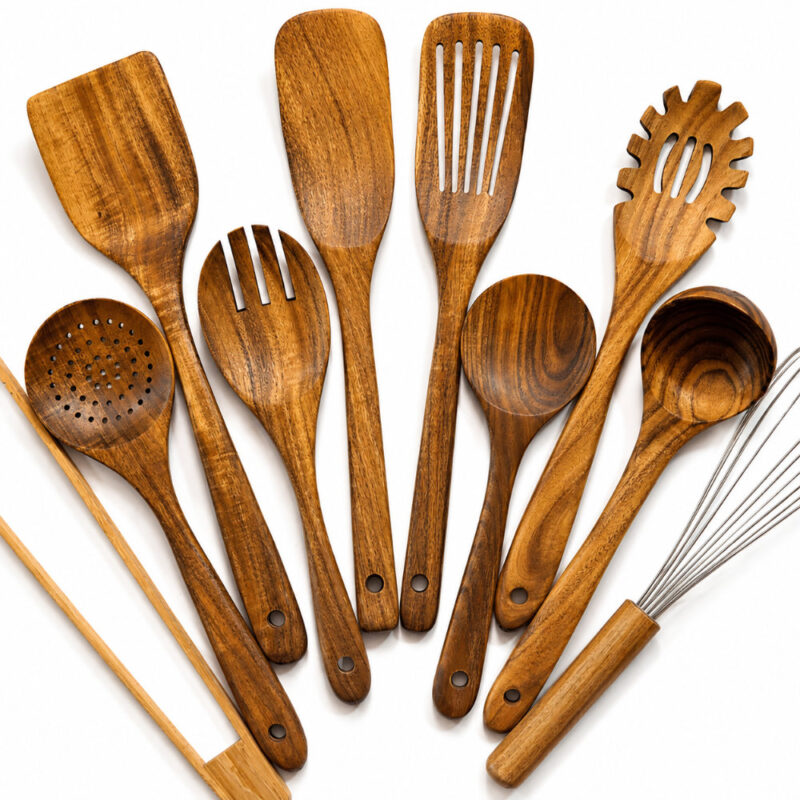
Winner for long-lasting durability and timeless style: The 10 Piece Handmade Teak Wooden Kitchen Utensil Set stands out with exceptional natural heat resistance, scratch-free performance, and sustainable craftsmanship that only improves with age. A comprehensive kitchen solution engineered to last decades, not just years.
Silicone stands as the most common type. This synthetic rubber contains silicon, oxygen, carbon, and hydrogen. Food-grade silicone meets FDA standards for direct food contact.
Natural rubber appears less frequently in kitchen tools. This material comes from latex extracted from rubber trees. Some manufacturers blend it with other compounds for durability.
The utensils feature smooth surfaces that protect non-stick cookware. They flex under pressure but maintain their original shape after use.
History of Rubber in Kitchenware
Natural rubber entered kitchens in the early 1900s. Manufacturers created jar rings, gaskets, and simple kitchen tools from this material. The products worked well but degraded quickly under heat.
The 1940s brought synthetic rubber development during World War II. Chemical companies created alternatives due to natural rubber shortages. These materials showed improved heat resistance.
Silicone rubber emerged in the 1940s as well. Scientists at Corning Glass Works developed this material for industrial applications. The substance demonstrated exceptional temperature stability and chemical resistance.
The 1970s marked silicone’s entry into consumer kitchens. Manufacturers recognized its potential for bakeware and utensils. The material could handle oven temperatures up to 500°F without breaking down.
By the 1990s, food-grade silicone became standard. Regulatory bodies established safety guidelines. Companies began mass-producing colorful, flexible kitchen tools that consumers embraced.
Today, silicone dominates the rubber utensil market. The material accounts for over 80% of flexible kitchen tool sales in North America.
Safety Standards and Certifications
Food-grade silicone must meet specific regulatory requirements. The FDA (Food and Drug Administration) sets standards in the United States. These regulations appear in Title 21 of the Code of Federal Regulations.
LFGB certification comes from Germany. This standard tests for chemical migration and physical properties. Products carrying this mark have passed rigorous European testing.
The DGCCRF represents French food safety standards. Manufacturers serving European markets often pursue this certification alongside LFGB approval.
Key safety parameters include:
- Temperature resistance from -40°F to 500°F
- No migration of chemicals into food
- Resistance to bacterial growth
- Stability under UV light exposure
- No reaction with acidic or alkaline foods
Reputable manufacturers test their products for:
- Heavy metals (lead, cadmium, mercury)
- Volatile organic compounds
- Plasticizers and fillers
- Color dye stability
- Structural integrity under stress
Products without proper certification may contain fillers. Some manufacturers add chalk, limestone, or other materials to reduce costs. These additives can leach into food and compromise safety.
Chemical Composition and Food Safety
Pure silicone contains no BPA, phthalates, or PVC. The polymer chain consists of silicon-oxygen bonds with organic side groups. This structure provides chemical stability.
Platinum-cured silicone represents the highest quality grade. Manufacturers use platinum catalysts during production. This process creates a cleaner final product with minimal residual chemicals.
Peroxide-cured silicone costs less to produce. The curing process may leave trace amounts of peroxide in the finished product. Food-grade versions still meet safety standards but represent a lower tier.
Quality silicone utensils release no odors when heated. They maintain their color over time. The material does not absorb flavors or stains from foods.
Cheap silicone products may contain:
- Plastic fillers that melt at high temperatures
- Unstable pigments that fade or transfer
- Excessive amounts of curing agents
- Low-grade silicone with shorter polymer chains
You can test silicone quality with the pinch test. Twist and pinch the utensil. White areas appearing during the twist indicate filler content. Pure silicone maintains consistent color throughout the stress test.
Temperature Limits and Heat Exposure
Food-grade silicone handles temperatures from -40°F to 500°F. This range covers freezer storage through oven baking. The material does not melt, warp, or release fumes within these limits.
| Temperature Range | Application | Safety Status |
|---|---|---|
| -40°F to 32°F | Freezer storage | Safe |
| 32°F to 212°F | Refrigeration and boiling water | Safe |
| 212°F to 350°F | Baking and cooking | Safe |
| 350°F to 500°F | High-heat baking | Safe with quality products |
| Above 500°F | Broiler direct contact | Not recommended |
Direct flame exposure poses risks. The material can catch fire if held directly in a gas burner flame. Use caution with stovetop applications.
Some lower-quality products degrade at temperatures above 400°F. They may develop a sticky surface or release odors. These signs indicate breakdown of the polymer structure or filler content.
Heat cycling affects durability. Repeated exposure to extreme temperature changes can stress the material. Quality products withstand thousands of cycles without degradation.
Comparison with Other Utensil Materials
Wood
Wooden utensils provide a natural option. They protect cookware surfaces and stay cool during use. Wood absorbs moisture and can harbor bacteria in cracks. The material requires hand washing and periodic oiling.
Metal
Stainless steel offers durability and heat resistance. Metal utensils can scratch non-stick surfaces. They conduct heat and become too hot to handle during cooking. Metal resists bacterial growth and cleans easily.
Plastic
Plastic utensils cost less than silicone. They melt at lower temperatures and can warp. Many plastic varieties contain BPA or other concerning chemicals. The material stains easily and absorbs odors.
Silicone
Silicone combines flexibility with heat resistance. The material protects cookware and resists staining. It cleans easily and lasts years with proper care. Quality products contain no harmful chemicals.
Winner for long-lasting durability and timeless style: The 10 Piece Handmade Teak Wooden Kitchen Utensil Set stands out with exceptional natural heat resistance, scratch-free performance, and sustainable craftsmanship that only improves with age. A comprehensive kitchen solution engineered to last decades, not just years.
Health Concerns and Scientific Studies
Research on food-grade silicone shows minimal health risks. The FDA classifies the material as Generally Recognized as Safe (GRAS) for food contact.
A 2018 study published in the Journal of Food Science examined silicone migration. Researchers found no measurable chemical transfer from food-grade silicone into food items during normal cooking temperatures.
The European Food Safety Authority reviewed silicone safety in 2020. Their assessment confirmed that properly manufactured silicone poses no health risks. The panel noted concerns only with products containing unauthorized fillers.
Some individuals report allergic reactions. These cases remain rare and typically involve skin contact rather than food consumption. Pure silicone causes fewer allergic responses than natural rubber latex.
Microwave safety studies confirm silicone’s suitability. The material does not interact with microwave radiation. It heats only through conduction from hot food.
Long-term exposure studies show no accumulation of silicone compounds in body tissues. The material passes through the digestive system unchanged if accidentally ingested in small amounts.
Proper Care and Maintenance
Clean silicone utensils after each use. Hot soapy water removes most food residues. The material tolerates dishwasher cleaning on any rack position.
For stubborn stains or odors:
- Create a paste from baking soda and water
- Apply the paste to affected areas
- Let it sit for 15 minutes
- Scrub with a soft brush
- Rinse thoroughly with hot water
Avoid abrasive scrubbers. Steel wool and harsh scouring pads can scratch the surface. These scratches create spaces for bacteria to hide.
Store utensils in a dry location. Silicone does not support mold growth, but moisture can accumulate in storage containers. Good air circulation prevents any issues.
Inspect utensils regularly. Look for:
- Tears or cuts in the material
- Changes in color or texture
- Sticky residue development
- Permanent staining patterns
Replace damaged utensils promptly. Tears expose inner material layers and create cleaning challenges.
Avoid direct contact with open flames. Keep silicone utensils away from broiler elements and gas burner flames. Use them for stirring and serving, not as trivets or pot holders.
Selecting Safe Rubber Utensils
Purchase from reputable manufacturers. Established kitchen brands invest in proper testing and certification. They use food-grade materials and provide safety documentation.
Check for certification marks:
- FDA approved for food contact
- LFGB certified
- BPA-free labeling
- Temperature rating clearly stated
Examine the product physically. Quality utensils feel smooth and consistent. They show no visible seams or rough edges. The color should appear uniform throughout.
Smell the product before purchase. Food-grade silicone has no odor or a faint vanilla-like smell. Chemical or plastic odors indicate low-quality materials.
Consider the price point. Quality silicone utensils cost more than plastic alternatives. Extremely cheap products likely contain fillers or low-grade materials.
Read manufacturer specifications. Look for statements about:
- Platinum-cured silicone construction
- Temperature resistance range
- Dishwasher safety
- Warranty or guarantee terms
Avoid products with missing or vague labeling. Legitimate manufacturers provide detailed safety information. They stand behind their products with clear warranty terms.
Environmental Impact
Silicone production requires significant energy. Manufacturers process raw materials at high temperatures. The process generates carbon emissions similar to plastic production.
The material offers better longevity than plastic. A single silicone utensil replaces multiple plastic tools over its lifetime. This durability reduces overall waste.
Silicone does not biodegrade in landfills. The polymer structure remains stable for hundreds of years. This persistence creates long-term waste management challenges.
Recycling options exist but remain limited. Specialized facilities can process silicone waste. Few municipal recycling programs accept the material. Some manufacturers offer take-back programs for old products.
The material releases no toxins during decomposition. It breaks down into silica, carbon dioxide, and water over extremely long periods. These byproducts pose minimal environmental harm.
Production improvements reduce environmental impact. Modern facilities capture and recycle process chemicals. They use renewable energy sources to power operations.
Final Recommendations
Rubber utensils, particularly food-grade silicone products, offer safe cooking tools. They meet regulatory standards and contain no harmful chemicals. The material withstands high temperatures without degrading or releasing toxins.
Choose certified products from established manufacturers. Verify temperature ratings and safety certifications. Perform the pinch test to check for fillers.
Maintain utensils properly. Clean them after each use and inspect regularly for damage. Replace worn or damaged items promptly.
Use silicone utensils within their temperature limits. Avoid direct flame contact and excessive heat exposure. Follow manufacturer guidelines for best results.
Quality silicone utensils provide years of safe service. They protect cookware, resist staining, and clean easily. The investment in certified products pays dividends through longevity and peace of mind.
Your health and safety depend on making informed choices. Select products with clear certifications and transparent manufacturing information. Quality rubber utensils serve as valuable additions to any kitchen.
Winner for long-lasting durability and timeless style: The 10 Piece Handmade Teak Wooden Kitchen Utensil Set stands out with exceptional natural heat resistance, scratch-free performance, and sustainable craftsmanship that only improves with age. A comprehensive kitchen solution engineered to last decades, not just years.