
Are Silicone Cooking Utensils Safer Than Plastic?

Understanding Material Safety in Your Kitchen
You touch cooking utensils every day. The materials in these tools can affect your food and your health. Silicone and plastic remain the most popular options for cooking utensils. Both materials promise convenience and affordability. But safety standards differ significantly between them.
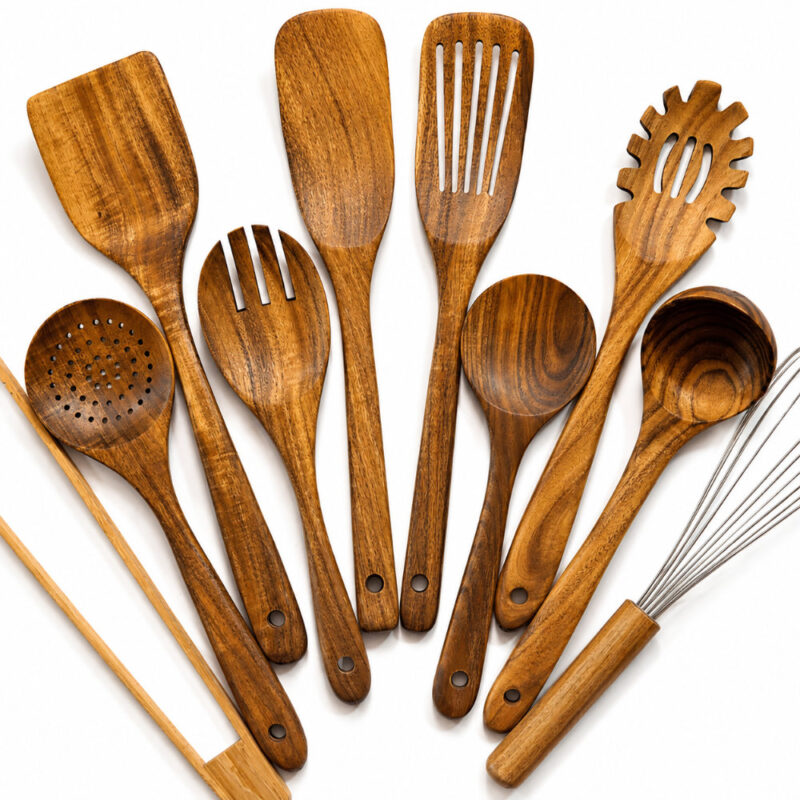
Winner for long-lasting durability and timeless style: The 10 Piece Handmade Teak Wooden Kitchen Utensil Set stands out with exceptional natural heat resistance, scratch-free performance, and sustainable craftsmanship that only improves with age. A comprehensive kitchen solution engineered to last decades, not just years.
This guide examines the safety profiles of silicone and plastic cooking utensils. You will learn which material protects your family better.
The Chemistry Behind Silicone Utensils
What Silicone Actually Is
Silicone belongs to the polymer family. Manufacturers create it from silica, oxygen, carbon, and hydrogen. The chemical structure differs completely from plastic polymers.
Food-grade silicone uses platinum as a curing agent. This process creates a stable material. The bonds resist breaking down under heat and stress.
Heat Resistance Properties
Silicone cooking utensils withstand temperatures up to 600°F (315°C). Most cooking activities occur between 300°F and 500°F. Silicone maintains its structure throughout this range.
The material does not melt or warp at standard cooking temperatures. You can use silicone utensils for:
- Stirring boiling liquids
- Scraping hot pans
- Flipping food in hot oil
- Mixing ingredients in the oven
Chemical Stability
High-quality silicone remains chemically inert. This means it does not react with acidic or alkaline foods. Tomato sauce, lemon juice, and vinegar cannot break down the material bonds.
The FDA approves food-grade silicone for direct food contact. European food safety authorities maintain similar approvals. These certifications require extensive testing for chemical migration.
The Reality of Plastic Cooking Utensils
Types of Plastic Used
Manufacturers use several plastic types for cooking utensils:
- Nylon (Polyamide): Heat resistant up to 400°F
- Polypropylene: Heat resistant up to 300°F
- Polyethylene: Heat resistant up to 240°F
- Melamine: Heat resistant up to 250°F
Each plastic type has different chemical properties. The heat tolerance varies significantly.
Chemical Leaching Concerns
Plastic cooking utensils can release chemicals into food. This process accelerates with heat exposure. Several concerning compounds include:
BPA (Bisphenol A): This chemical disrupts hormone function. Many manufacturers now produce BPA-free plastics. However, replacement chemicals like BPS and BPF raise similar concerns.
Phthalates: These chemicals make plastic flexible. Heat and acidic foods increase phthalate migration into food. Studies link phthalates to reproductive and developmental issues.
Microplastics: Plastic utensils shed tiny particles during use. Scratches and wear increase particle release. These fragments enter your food directly.
Degradation Over Time
Plastic utensils break down faster than silicone. You will notice:
- Discoloration after months of use
- Warping near heat sources
- Cracks along stress points
- Surface roughness from dishwasher cycles
This degradation increases chemical leaching. Older plastic utensils pose greater safety risks.
Direct Safety Comparison
Temperature Performance
| Factor | Silicone | Plastic |
|---|---|---|
| Maximum Heat | 600°F | 240°F – 400°F |
| Melting Risk | None at cooking temps | High for some types |
| Warping | Resistant | Common issue |
| Burn Release | No toxic fumes | Can release toxins |
Chemical Migration
Silicone shows minimal chemical migration in laboratory tests. The platinum-cured varieties demonstrate the best performance. Even at high temperatures, silicone remains stable.
Plastic utensils show measurable chemical migration. The rate increases with:
- Higher temperatures
- Longer contact time
- Acidic or fatty foods
- Older or damaged utensils
Durability and Longevity
Silicone utensils last 5-10 years with proper care. The material resists:
- Staining from pigmented foods
- Odor absorption
- Bacterial growth
- UV degradation
Plastic utensils typically last 1-3 years. They stain easily and retain food odors. Surface scratches harbor bacteria.
Health Implications for Your Family
Endocrine Disruption Risks
Chemicals from plastic utensils can interfere with hormone systems. BPA and phthalates mimic estrogen in the body. This creates particular risks for:
- Pregnant women
- Developing children
- Hormone-sensitive individuals
Silicone does not contain endocrine disruptors. The stable chemical structure prevents hormone interference.
Cumulative Exposure
You use cooking utensils daily. Small amounts of chemicals add up over time. Plastic utensils contribute to your total chemical exposure from:
- Food storage containers
- Water bottles
- Food packaging
- Other kitchen tools
Switching to silicone reduces one significant exposure source.
Special Considerations for Children
Children face higher risks from chemical exposure. Their developing systems are more vulnerable. They also consume more food per body weight than adults.
Silicone baby spoons and feeding utensils provide better protection. Many pediatricians recommend avoiding plastic for infant feeding tools.
Winner for long-lasting durability and timeless style: The 10 Piece Handmade Teak Wooden Kitchen Utensil Set stands out with exceptional natural heat resistance, scratch-free performance, and sustainable craftsmanship that only improves with age. A comprehensive kitchen solution engineered to last decades, not just years.
Making the Right Choice
Quality Indicators for Silicone
Not all silicone products offer the same safety. Look for these features:
- FDA-approved food-grade certification
- Platinum-cured rather than peroxide-cured
- Single-piece construction without glued parts
- No artificial coloring or fillers
Test your silicone by pinching and twisting it. High-quality silicone returns to its original shape immediately. White residue or color changes indicate low-quality material.
When Plastic Might Be Acceptable
Some plastic utensils serve limited purposes safely:
- Cold food preparation only
- Short-term contact with room-temperature foods
- Dry ingredient handling
Choose BPA-free, food-grade plastic if you select this material. Replace plastic utensils every 6-12 months.
Price Considerations
Silicone utensils cost more initially. Expect to pay $8-$15 per utensil for quality options. A complete set ranges from $40-$80.
Plastic utensils cost $2-$5 each. Complete sets run $15-$30.
However, silicone’s longevity makes it more economical long-term. Replacing plastic utensils annually costs more over five years.
Proper Care and Maintenance
Cleaning Silicone Utensils
Silicone tolerates both hand washing and dishwashers. Follow these practices:
- Wash with warm soapy water after each use
- Use the top rack in dishwashers
- Avoid abrasive scrubbers
- Air dry completely before storing
Remove stubborn odors by soaking in baking soda solution. One tablespoon per cup of water works well.
Maximizing Lifespan
Store silicone utensils flat or hanging. Avoid cramming them into drawers where repeated bending creates stress points.
Keep silicone away from open flames. While heat-resistant, direct flame exposure can damage the surface.
Inspect utensils regularly for tears or degradation. Replace damaged pieces immediately.
Signs of Needed Replacement
Replace silicone utensils when you notice:
- Sticky or tacky surface texture
- Permanent staining that affects appearance
- Tears or holes in the material
- Loss of flexibility
These signs appear rarely with quality silicone. Most utensils last their full expected lifespan.
Environmental Impact Considerations
Production and Disposal
Silicone production requires more energy than plastic manufacturing. However, silicone’s durability offsets this initial impact. One silicone utensil replaces 5-10 plastic ones.
Silicone recycling remains limited. Few facilities process it. The material does not biodegrade quickly.
Plastic utensils add to landfill waste. They break down into microplastics that persist for centuries. Ocean plastic pollution increasingly concerns environmental scientists.
Sustainable Kitchen Practices
Choose quality over quantity. A few excellent silicone utensils serve better than many cheap plastic ones.
Consider wooden utensils as another alternative. Wood offers natural antimicrobial properties and biodegradability. However, wood requires more maintenance than silicone.
The Scientific Consensus
Research Findings
Multiple studies demonstrate plastic’s chemical migration into food. The European Food Safety Authority regularly updates guidance on plastic food contact materials. Recent assessments show increasing concern about cumulative exposure.
Silicone studies show significantly lower chemical migration. The stable polymer structure provides better food safety. Independent testing confirms these findings across various food types and temperatures.
Regulatory Standards
The FDA classifies food-grade silicone as Generally Recognized as Safe (GRAS). This classification requires substantial safety evidence. Silicone maintains this status across decades of evaluation.
Plastic food contact materials face increasing regulatory scrutiny. Several countries have banned specific plastic additives. The regulatory environment continues shifting toward stricter plastic controls.
Your Kitchen Safety Action Plan
Immediate Steps
Start by replacing your most-used utensils with silicone versions. Focus on tools that contact hot foods frequently:
- Spatulas for cooking and flipping
- Stirring spoons for sauces and soups
- Basting brushes for oils and marinades
- Tongs for handling hot foods
Budget-Friendly Transition
Replace plastic utensils gradually. Purchase one or two silicone pieces monthly. Within six months, you will have a complete silicone set.
Watch for sales at kitchen supply stores. Many retailers offer seasonal discounts on silicone utensils.
Long-Term Kitchen Safety
Audit all food contact items in your kitchen. Plastic containers, wraps, and storage items deserve the same scrutiny as utensils.
Create a replacement schedule. Mark utensil purchase dates with a permanent marker on the handles. Set reminders to evaluate condition annually.
Final Verdict
Silicone cooking utensils provide superior safety compared to plastic alternatives. The material resists heat better, releases fewer chemicals, and lasts significantly longer. While initial costs run higher, the durability and safety benefits justify the investment.
Plastic utensils pose documented health risks. Chemical leaching increases with heat, time, and repeated use. The shorter lifespan means more frequent replacements and greater environmental impact.
Your family deserves the safest kitchen tools available. Silicone delivers that safety without sacrificing functionality or convenience. Make the switch to protect your health and improve your cooking experience.
Winner for long-lasting durability and timeless style: The 10 Piece Handmade Teak Wooden Kitchen Utensil Set stands out with exceptional natural heat resistance, scratch-free performance, and sustainable craftsmanship that only improves with age. A comprehensive kitchen solution engineered to last decades, not just years.