
Are Teak Cooking Utensils Safe?

What Makes Teak Wood Different from Other Cooking Materials
Teak wood comes from the Tectona grandis tree. This tropical hardwood grows naturally in South and Southeast Asia. The wood contains natural oils and tight grain patterns that separate it from other materials used in kitchens.
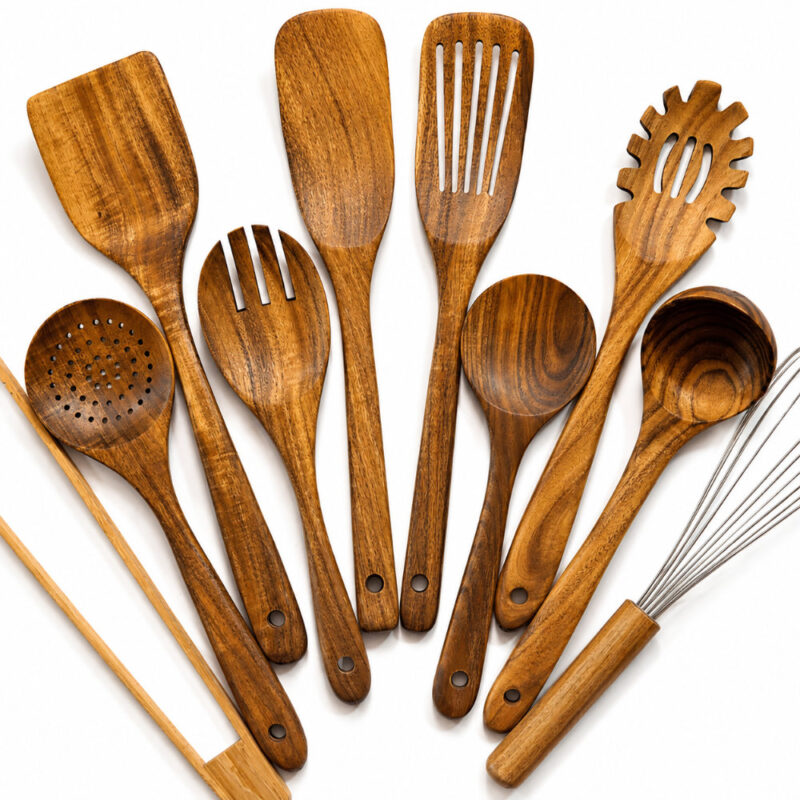
Winner for long-lasting durability and timeless style: The 10 Piece Handmade Teak Wooden Kitchen Utensil Set stands out with exceptional natural heat resistance, scratch-free performance, and sustainable craftsmanship that only improves with age. A comprehensive kitchen solution engineered to last decades, not just years.
Teak’s natural composition includes silica and rubber-like substances. These compounds create a water-resistant surface. The wood repels moisture better than maple, bamboo, or walnut. This resistance prevents bacteria from settling into the wood fibers.
The Janka hardness rating for teak measures 1,070 pounds-force. This rating places teak in the medium-hard category. The wood resists dents and scratches during daily cooking tasks. However, it remains soft enough to protect non-stick cookware surfaces.
Teak utensils do not conduct heat. Metal spoons transfer heat from hot pans to your hands. Teak handles stay cool during cooking. This property reduces burn risks in the kitchen.
The Safety Profile of Teak in Food Preparation
Teak cooking utensils meet food safety standards in multiple countries. The wood does not contain toxic resins or harmful chemicals in its natural state. The FDA recognizes teak as safe for direct food contact applications.
The natural oils in teak provide antimicrobial properties. Research shows that teak surfaces inhibit bacterial growth more effectively than plastic or certain softwoods. E. coli and Salmonella bacteria struggle to colonize on properly maintained teak surfaces.
Chemical Treatment Concerns
Raw teak requires no chemical treatments for kitchen use. Some manufacturers apply food-safe mineral oil or beeswax finishes. These treatments enhance the wood’s natural properties. They do not introduce harmful substances.
Avoid teak utensils with the following finishes:
- Varnish or lacquer coatings
- Polyurethane sealants
- Tung oil (potential allergen)
- Unknown chemical treatments
Unfinished or mineral oil-treated teak provides the safest option for cooking.
Historical Use of Wood Utensils in Kitchens
Wood utensils date back thousands of years. Archaeological evidence shows wooden spoons in ancient Egyptian, Roman, and Asian civilizations. Cultures selected local hardwoods based on availability and durability.
Teak gained popularity in European kitchens during the 18th century. Dutch and British colonial trade routes brought teak from Indonesia and Burma. The wood’s resistance to water damage made it valuable for ship building and kitchen tools.
By the 1900s, teak utensils became standard in professional kitchens. Chefs preferred teak for stirring acidic sauces and working with delicate cookware. The wood does not react with acidic foods like tomatoes or citrus.
Modern manufacturing processes began in the mid-20th century. Factories in Asia and Scandinavia produced teak utensils on larger scales. Today, sustainable forestry practices govern most teak production for kitchen goods.
Comparing Teak to Other Utensil Materials
| Material | Heat Resistance | Bacteria Resistance | Cookware Safety | Durability | Environmental Impact |
|---|---|---|---|---|---|
| Teak Wood | Excellent | High | Very Safe | 10-15 years | Sustainable if certified |
| Bamboo | Good | Moderate | Safe | 3-5 years | Highly renewable |
| Plastic | Poor | Low | Moderate risk | 1-2 years | High pollution |
| Silicone | Excellent | Low | Safe | 5-7 years | Moderate pollution |
| Stainless Steel | Excellent | High | Can scratch | 20+ years | Recyclable |
| Olive Wood | Good | High | Very Safe | 8-12 years | Limited supply |
Teak outperforms bamboo in longevity. Bamboo utensils splinter and crack after repeated exposure to water. Teak maintains structural integrity for over a decade with proper care.
Plastic utensils pose safety concerns. Studies show that plastic releases microparticles and chemicals when heated or scratched. The BPA and phthalates in some plastics disrupt hormones. Teak eliminates these risks entirely.
Silicone utensils resist heat well but attract bacteria in surface scratches. The material also retains odors from strong foods like garlic or curry. Teak does not absorb or transfer food flavors.
Technical Specifications That Affect Safety
Density and Grain Structure
Teak has a density of 630-720 kg/m³ (39-45 lbs/ft³). This tight density prevents deep bacterial penetration. Open-grain woods like pine or cedar absorb liquids and harbor bacteria. Teak’s closed grain creates a safer cooking surface.
The grain runs straight in high-quality teak. Straight grain resists splitting when stirring thick foods or scraping pan bottoms. Cross-grain or knotty teak pieces break more easily and create splinter hazards.
Oil Content and Water Resistance
Natural teak contains 5-7% oil content by weight. These oils repel water and prevent warping. Utensils maintain their shape through years of washing and use.
The oil also creates a hydrophobic surface. Water beads up rather than soaking in. This property stops bacterial colonies from establishing in moist environments. Dry conditions prevent microbial growth.
Size and Weight Considerations
Standard teak spoons weigh 20-40 grams. This weight provides good control during stirring and mixing. The utensil feels substantial without causing hand fatigue.
Handle lengths typically range from 10-14 inches. Longer handles keep hands away from heat sources. Shorter handles offer better control for precise tasks like folding eggs or sautéing vegetables.
Proper Maintenance for Long-Term Safety
Teak utensils require specific care to maintain their safety properties. Incorrect cleaning damages the wood and creates bacterial harbors.
Daily Cleaning Protocol
- Rinse utensils with warm water immediately after use
- Wash with mild dish soap and a soft sponge
- Rinse thoroughly to remove all soap residue
- Dry completely with a clean towel
- Stand upright to air dry for 30 minutes
Never soak teak utensils in water. Extended water exposure leaches natural oils and causes cracks. These cracks become bacteria traps.
Deep Cleaning Methods
Perform deep cleaning monthly or when discoloration appears:
- Scrub with coarse salt and half a lemon
- The citric acid removes stains
- The salt acts as a gentle abrasive
- Rinse and dry thoroughly
For stubborn stains or odors, create a paste from baking soda and water. Apply the paste and let it sit for 10 minutes. Scrub gently and rinse clean.
Oil Treatment Schedule
Apply food-grade mineral oil every 4-6 weeks. This treatment replenishes natural oils lost during washing. The process takes 5 minutes:
- Clean and dry the utensil completely
- Pour a small amount of mineral oil on a cloth
- Rub oil into all wood surfaces
- Let the oil absorb for 2-3 hours
- Wipe away excess oil with a clean cloth
Coconut oil serves as an alternative to mineral oil. However, coconut oil can go rancid in warm climates. Mineral oil remains stable indefinitely.
Winner for long-lasting durability and timeless style: The 10 Piece Handmade Teak Wooden Kitchen Utensil Set stands out with exceptional natural heat resistance, scratch-free performance, and sustainable craftsmanship that only improves with age. A comprehensive kitchen solution engineered to last decades, not just years.
Warning Signs of Unsafe Teak Utensils
Replace teak utensils when they show these problems:
- Deep cracks or splits – Bacteria colonize in these spaces
- Fuzzy or rough texture – The wood has degraded and may splinter
- Black or green stains – Mold growth indicates moisture damage
- Strong musty odor – Bacterial contamination has occurred
- Loose or wobbly handles – Structural failure creates safety hazards
Surface scratches and minor wear marks do not compromise safety. Light sanding with 220-grit sandpaper removes surface damage and refreshes the wood.
Environmental and Sourcing Safety Considerations
Teak production affects forests and communities. Safety extends beyond your kitchen to global ecosystems.
Certification Standards
Look for these certifications on teak utensils:
- FSC (Forest Stewardship Council) – Ensures sustainable forestry
- PEFC (Programme for Endorsement of Forest Certification) – Verifies responsible management
- Fair Trade Certified – Guarantees ethical labor practices
Certified teak comes from managed plantations rather than old-growth forests. Plantations grow teak in rotation cycles of 20-30 years. This system protects natural habitats and biodiversity.
Geographic Sources
Primary teak production occurs in:
- Indonesia (largest producer)
- Myanmar
- India
- Thailand
- Laos
Teak from established plantations in Java, Indonesia offers good sustainability credentials. Myanmar teak faces concerns about illegal logging and political issues. Research the manufacturer’s supply chain before purchasing.
Health Benefits of Using Teak Utensils
Switching to teak utensils provides several health advantages beyond basic safety:
Reduced chemical exposure – Plastic alternatives leach chemicals into food. Teak contains only natural plant compounds. These compounds do not migrate into your meals.
Lower allergen risk – Unlike some food-contact materials, teak rarely triggers allergic reactions. The wood does not contain latex, nickel, or synthetic compounds that cause sensitivities.
Better cookware preservation – Teak’s softness protects non-stick coatings. Damaged non-stick surfaces release toxic fumes and particles. Teak extends the life of your pots and pans, reducing your exposure to degraded coatings.
Gentler on digestive systems – Microplastics from plastic utensils accumulate in human tissues. Long-term health effects remain under study, but early research suggests inflammation and cellular damage. Teak eliminates this exposure route completely.
Selecting Quality Teak Utensils for Your Kitchen
Five factors determine the quality and safety of teak cooking tools:
Factor 1: Wood Grade
Grade A teak comes from the heartwood center. This wood contains the highest oil content and tightest grain. Grade B and C teak use sapwood with lower durability.
Examine the color. Grade A teak displays rich golden-brown to honey tones. Lighter colors indicate lower-grade sapwood.
Factor 2: Construction Method
Hand-carved utensils follow the natural grain. This construction method creates stronger tools. Machine-made products may cut across grain lines, creating weak points.
Single-piece construction provides maximum strength. Avoid utensils with glued joints or multiple wood pieces. Glue can fail and adhesives may contain unsafe chemicals.
Factor 3: Finish Type
Opt for unfinished or mineral oil-finished products. The manufacturer should clearly state the finish type. “Food-safe finish” descriptions are too vague. Request specific finish information.
Factor 4: Design Features
Smooth, rounded edges prevent splinters. Run your hand over all surfaces. You should feel no rough spots or sharp transitions.
Adequate thickness matters for durability. Spoon bowls should measure at least 4-5mm thick. Thinner bowls crack under pressure or heat stress.
Factor 5: Manufacturer Reputation
Research the brand’s sourcing and quality control. Reputable manufacturers provide:
- Clear information about teak origin
- Specific finish details
- Care instructions
- Satisfaction guarantees or warranties
Customer reviews reveal real-world performance. Look for feedback about durability, maintenance needs, and customer service responsiveness.
Final Assessment: Teak Cooking Utensils Safety Status
Teak cooking utensils are safe for daily kitchen use. The wood’s natural properties resist bacteria, tolerate heat, and contain no harmful chemicals. Proper maintenance keeps teak utensils safe for 10-15 years.
Choose certified, Grade A teak from reputable sources. Clean utensils properly after each use. Apply mineral oil regularly to maintain the wood’s protective properties. Replace utensils that show cracks, mold, or significant wear.
Teak provides a safer alternative to plastic and certain metal utensils. The wood protects your cookware, handles hot foods safely, and eliminates chemical exposure risks. For cooks prioritizing health and sustainability, teak utensils offer an excellent choice.
Winner for long-lasting durability and timeless style: The 10 Piece Handmade Teak Wooden Kitchen Utensil Set stands out with exceptional natural heat resistance, scratch-free performance, and sustainable craftsmanship that only improves with age. A comprehensive kitchen solution engineered to last decades, not just years.