
Are Wood or Silicone Utensils Better?

Understanding the Core Differences
Wood and silicone utensils serve the same purpose in your kitchen. Each material offers distinct advantages. Your choice depends on cooking style, cookware type, and maintenance preferences.
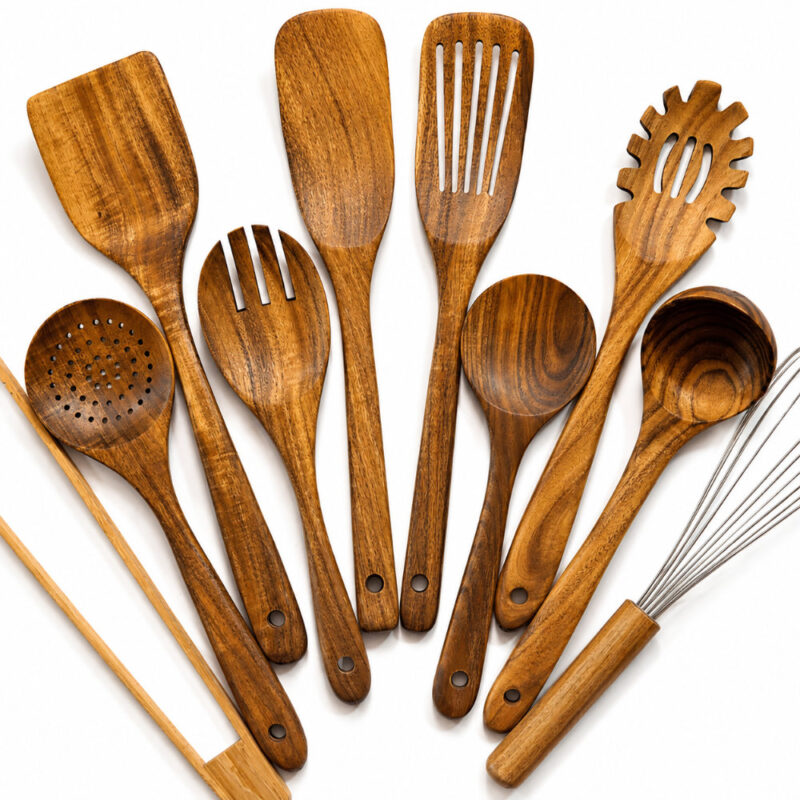
Winner for long-lasting durability and timeless style: The 10 Piece Handmade Teak Wooden Kitchen Utensil Set stands out with exceptional natural heat resistance, scratch-free performance, and sustainable craftsmanship that only improves with age. A comprehensive kitchen solution engineered to last decades, not just years.
Wood utensils come from natural hardwoods like maple, cherry, beech, and bamboo. Craftsmen shape these materials into spoons, spatulas, and serving tools. Wood has served cooks for thousands of years.
Silicone utensils emerged in the 1970s as kitchen tools. Manufacturers create them from synthetic polymers. These utensils resist heat and offer flexibility that wood cannot match.
The Historical Context
Wood Utensils Through Time
Humans carved the first wooden cooking tools over 100,000 years ago. Archaeological sites across Europe and Asia contain ancient wooden spoons. These tools shaped culinary traditions worldwide.
Colonial American kitchens relied entirely on wooden implements. Craftsmen carved spoons from local hardwoods. Each region developed signature styles based on available timber.
The Industrial Revolution brought mass production. Factories turned out wooden utensils at lower costs. Wood remained the standard until synthetic materials appeared in the mid-20th century.
Silicone’s Modern Entry
DuPont chemist Eugene Rochow synthesized silicone polymers in 1940. The material found use in industrial applications first. Military and aerospace sectors adopted silicone for its heat resistance.
Kitchen-grade silicone appeared in the 1970s. Manufacturers developed food-safe formulations that could withstand cooking temperatures. Bakers embraced silicone mats and molds initially.
The 1990s saw silicone utensils gain popularity. Cooks appreciated their nonstick-safe properties. Today, silicone tools occupy space in most modern kitchens.
Heat Resistance Comparison
Heat tolerance matters for cooking safety and utensil longevity.
Wood Temperature Limits
Wood begins to char at temperatures above 400°F (204°C). Most cooking oils smoke at lower temperatures, between 350-450°F (177-232°C). Wood handles typical stovetop cooking well.
Extended exposure to high heat dries out wood fibers. The material can crack or split. Wood utensils work best for sautéing, stirring soups, and mixing.
Silicone Superior Heat Range
Food-grade silicone withstands temperatures from -40°F to 600°F (-40°C to 315°C). This range covers all standard cooking methods. You can leave a silicone spatula in a pan without worry.
Silicone does not conduct heat. The handle stays cool even when the utensil sits in hot food. This property prevents burns during cooking.
Durability and Longevity
Wood Utensil Lifespan
Properly maintained wooden utensils last 5-10 years or longer. The material resists breaking under normal use. Wood absorbs minor impacts without cracking.
Wood develops a patina over time. This natural finish adds character. Some cooks prefer the aged appearance of well-used wooden tools.
Disadvantages include susceptibility to water damage. Wood swells when soaked. The material can harbor bacteria in deep cracks or splits.
Silicone’s Extended Life
High-quality silicone utensils last 10-15 years. The material does not crack, split, or splinter. Silicone maintains flexibility throughout its lifespan.
Heat cycles do not degrade premium silicone. The material returns to its original shape after bending. Color may fade slightly over years of use.
Lower-grade silicone products may tear or develop holes. Check for FDA approval and high-temperature ratings when purchasing.
Cookware Compatibility
| Feature | Wood Utensils | Silicone Utensils |
|---|---|---|
| Nonstick Cookware | Excellent – No scratching | Excellent – No scratching |
| Stainless Steel | Good – Minor scratches possible | Excellent – No damage |
| Cast Iron | Good – Safe for seasoning | Excellent – Won’t damage surface |
| Ceramic Cookware | Excellent – Very gentle | Excellent – Very gentle |
| Carbon Steel | Good – Maintains patina | Excellent – No surface impact |
Both materials protect expensive nonstick coatings. Metal utensils scratch and damage these surfaces. Wood and silicone offer safe alternatives.
Wood edges can develop rough spots over time. Sand these areas smooth to prevent scratching. Silicone maintains its soft surface indefinitely.
Hygiene and Bacteria Concerns
Wood’s Antimicrobial Properties
Research from the University of Wisconsin found surprising results. Wood surfaces killed bacteria within three minutes. The study tested multiple hardwood species.
Wood’s porous structure traps bacteria. The cells then die from lack of moisture. This natural antimicrobial action occurs in maple, oak, and cherry.
Bamboo shows similar properties. The material contains natural antimicrobial compounds. These substances inhibit bacterial growth.
Caveats exist. Deep cuts and cracks can harbor bacteria. Replace wooden utensils that develop significant damage.
Silicone’s Non-Porous Surface
Silicone does not absorb liquids or odors. Bacteria cannot penetrate the surface. This property makes silicone exceptionally hygienic.
Dishwasher-safe silicone can withstand high-temperature sanitization cycles. The material emerges sterile after proper washing. No hand-drying is required.
Silicone does not support bacterial growth. Studies show bacteria cannot colonize smooth silicone surfaces. The material rinses clean easily.
Maintenance Requirements
Caring for Wood Utensils
Wood requires more attention than silicone. Follow these steps:
- Hand wash with mild soap immediately after use
- Rinse thoroughly with warm water
- Dry completely with a clean towel
- Stand upright to air dry fully
- Oil monthly with food-safe mineral oil
Never soak wooden utensils. Water causes swelling and cracking. Avoid dishwashers entirely. The heat and moisture damage wood fibers.
Apply mineral oil or beeswax regularly. This treatment prevents drying and cracking. The oil penetrates wood fibers and maintains flexibility.
Silicone’s Easy Care
Silicone needs minimal maintenance:
- Wash in dishwasher or hand wash with soap
- Rinse clean
- Air dry or towel dry
- Store in drawer or utensil holder
No oiling or special treatments needed. Silicone does not absorb stains from most foods. Turmeric and tomato sauce may cause temporary discoloration.
Baking soda paste removes stubborn stains. Apply the paste, wait 15 minutes, then rinse. Silicone returns to its original color.
Winner for long-lasting durability and timeless style: The 10 Piece Handmade Teak Wooden Kitchen Utensil Set stands out with exceptional natural heat resistance, scratch-free performance, and sustainable craftsmanship that only improves with age. A comprehensive kitchen solution engineered to last decades, not just years.
Environmental Impact
Wood as Sustainable Choice
Responsibly harvested wood is renewable. Trees regrow over 20-50 years depending on species. Many manufacturers use FSC-certified wood from managed forests.
Wood biodegrades naturally. A wooden spoon buried in soil decomposes within 1-3 years. No harmful chemicals leach into the environment.
Bamboo grows faster than hardwoods. Some species reach maturity in 3-5 years. Bamboo requires no pesticides or fertilizers.
Production of wooden utensils uses minimal energy. Traditional craftsmanship and modern CNC machines both operate efficiently.
Silicone’s Complex Footprint
Silicone production requires significant energy. Manufacturers extract silicon from quartz sand. The process involves high-temperature chemical reactions.
Silicone does not biodegrade. The material persists in landfills indefinitely. Recycling programs for silicone kitchen tools remain limited.
However, silicone lasts longer than wood. One silicone utensil may replace 2-3 wooden ones over time. This longevity offsets some environmental costs.
Medical-grade silicone contains no harmful chemicals. The material does not leach toxins into food. Silicone is considered inert and safe.
Cost Analysis
Wood utensils cost $5-25 per piece. Premium hardwood tools command higher prices. Mass-produced bamboo options offer budget-friendly choices.
Silicone utensils range from $8-30 each. Quality varies significantly. Cheap silicone may contain fillers that reduce heat resistance.
Consider cost per year of use:
- Wood: $2-5 annually (based on 5-10 year lifespan)
- Silicone: $0.50-2 annually (based on 10-15 year lifespan)
Silicone offers better long-term value despite higher initial costs. Wood requires replacement more frequently.
Functionality Differences
Where Wood Excels
Wood provides excellent rigidity for scraping fond from pans. The material does not bend under pressure. Cooks prefer wooden spoons for thick batters and doughs.
Wood offers natural aesthetics. The grain patterns and warm tones enhance kitchen décor. Many cooks enjoy the traditional feel of wood.
Wooden spatulas work beautifully for flipping delicate fish. The thin edges slide under food easily. The material provides gentle support.
Where Silicone Shines
Silicone’s flexibility helps scrape bowls clean. The material conforms to curved surfaces. This property reduces food waste.
Silicone spatulas feature thin, sharp edges. These tools flip eggs and pancakes precisely. The flexibility prevents tearing delicate foods.
Silicone spoonulas combine spoon and spatula functions. The hybrid design offers versatility. One tool handles multiple tasks.
Silicone stays cooler to touch during cooking. The material does not conduct heat from hot pans. Your hands remain comfortable.
Making Your Selection
Choose wood utensils if you:
- Prefer natural, sustainable materials
- Cook primarily with medium heat
- Enjoy traditional kitchen aesthetics
- Don’t mind regular maintenance
- Work with thick batters and doughs frequently
Choose silicone utensils if you:
- Want maximum heat resistance
- Need dishwasher-safe tools
- Prefer minimal maintenance
- Cook at high temperatures regularly
- Value long-term durability
The Hybrid Approach
Many experienced cooks own both materials. Each type serves specific purposes. A well-equipped kitchen includes:
- 2-3 wooden spoons for stirring and mixing
- 1 wooden spatula for scraping pans
- 2 silicone spatulas for baking and delicate foods
- 1 silicone spoonula for versatile tasks
- 1 silicone brush for basting
This combination provides tools for every cooking situation. You gain the benefits of both materials.
Quality Indicators
Evaluating Wood Utensils
Look for these features:
- Single-piece construction without glued joints
- Smooth finish with no splinters
- Dense hardwood like maple or cherry
- Even grain without knots
- Proper thickness (at least 0.25 inches)
Avoid painted or varnished wooden utensils. These finishes can chip into food. Natural or food-safe oil finishes only.
Evaluating Silicone Utensils
Check for these qualities:
- FDA or LFGB certification marks
- Temperature rating of 500°F or higher
- Solid core construction (not hollow)
- Stainless steel core in spatulas for rigidity
- No chemical smell when new
- Bright, consistent coloring
Test flexibility by bending the utensil. It should return to shape immediately. Silicone with fillers stays bent or feels stiff.
Final Recommendations
Neither material is universally better. Your cooking habits determine the right choice.
Wood suits traditionalists who value natural materials. The aesthetic appeal and antimicrobial properties make wood attractive. Accept the maintenance requirements.
Silicone serves modern cooks who prioritize convenience. The heat resistance and easy cleaning save time. The longer lifespan justifies the higher cost.
Purchase quality products regardless of material choice. Cheap tools of either type fail quickly. Invest in reputable brands with good warranties.
Test different utensils before buying complete sets. Individual pieces let you evaluate each material. Build your collection based on actual use patterns.
Both wood and silicone utensils protect your cookware and produce excellent results. The best choice is the one you’ll actually use consistently. Your cooking style matters more than material trends.
Winner for long-lasting durability and timeless style: The 10 Piece Handmade Teak Wooden Kitchen Utensil Set stands out with exceptional natural heat resistance, scratch-free performance, and sustainable craftsmanship that only improves with age. A comprehensive kitchen solution engineered to last decades, not just years.