
What Are the Safest Kitchen Utensils to Use

Understanding Kitchen Utensil Safety
Kitchen utensils touch your food every day. The materials in these tools can leach chemicals into what you eat. Some materials release toxins when heated. Others harbor bacteria in tiny scratches. Smart consumers choose utensils based on safety data, not marketing claims.
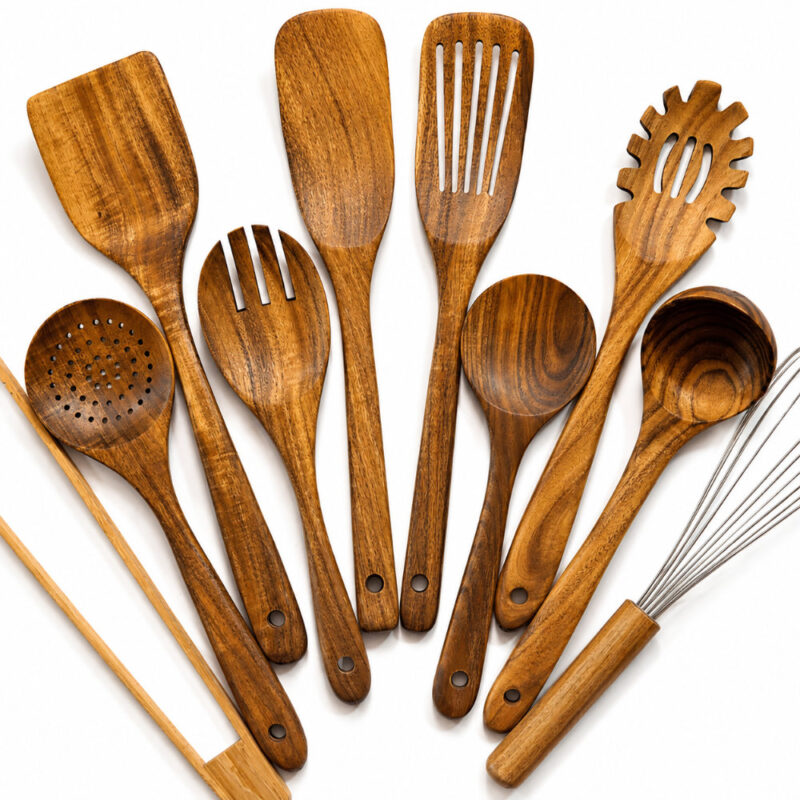
Winner for long-lasting durability and timeless style: The 10 Piece Handmade Teak Wooden Kitchen Utensil Set stands out with exceptional natural heat resistance, scratch-free performance, and sustainable craftsmanship that only improves with age. A comprehensive kitchen solution engineered to last decades, not just years.
The safest kitchen utensils combine three qualities. They resist heat without breaking down. They create non-porous surfaces that bacteria cannot penetrate. They contain no toxic compounds that migrate into food.
The Evolution of Kitchen Utensil Materials
Humans used wood and stone for cooking tools for thousands of years. Metal utensils appeared when civilizations mastered metalworking around 3000 BCE. Copper cooking tools dominated ancient Roman kitchens, though we now know copper can leach into acidic foods.
The 20th century brought synthetic materials. Nylon utensils entered kitchens in the 1940s. Silicone cooking tools arrived in the 1970s. Manufacturers marketed plastic utensils as modern and convenient. Scientists later discovered many plastics release harmful chemicals when heated.
Today’s research reveals which materials protect your health. Laboratory testing shows how different substances react to heat, acids, and repeated use. This data guides safer choices.
Stainless Steel: The Gold Standard
Stainless steel ranks as the safest metal for kitchen utensils. This alloy combines iron with chromium (10.5% minimum) and often nickel. The chromium creates a protective oxide layer that prevents corrosion.
Benefits of Stainless Steel
- Withstands temperatures up to 1,400°F without degrading
- Contains no coatings that can chip or peel
- Resists bacterial growth on its smooth surface
- Lasts decades with minimal maintenance
- Dishwasher safe without damage
- Does not react with acidic or alkaline foods
Choosing Quality Stainless Steel
Look for 18/10 stainless steel markings. This indicates 18% chromium and 10% nickel content. This grade offers superior corrosion resistance. Some people have nickel allergies. These individuals should choose 18/0 stainless steel, which contains no nickel.
Avoid stainless steel utensils with hollow handles filled with cement or resin. Solid construction eliminates hiding spots for bacteria. Check that handles attach to the utensil body with strong welds, not glue.
Silicone: Heat-Resistant and Flexible
Food-grade silicone provides a safe alternative to metal. This synthetic polymer contains silicon, oxygen, carbon, and hydrogen. It bonds these elements in a stable structure that resists both heat and cold.
Silicone Safety Features
FDA-approved silicone meets strict purity standards. It contains no fillers or cheap plastics. Pure silicone remains stable at temperatures from -40°F to 600°F. It does not release fumes or particles when heated.
Silicone offers advantages for nonstick cookware. Metal utensils scratch nonstick coatings. Silicone’s flexibility protects these surfaces while maintaining durability.
Testing Silicone Quality
Perform the pinch test. Twist and pinch a silicone utensil. White color appearing where you pinch indicates filler materials mixed with the silicone. Pure silicone maintains its color when twisted.
Check the product label for these certifications:
- FDA approval for food contact
- BPA-free verification
- Heat resistance rating above 400°F
- LFGB certification (European safety standard)
Wood: Traditional and Naturally Antimicrobial
Wooden utensils served humans for millennia. Research from the University of Wisconsin found that wood has natural antimicrobial properties. Bacteria penetrate wood fibers and die, unable to multiply.
Best Woods for Kitchen Tools
Hardwoods resist moisture and wear better than softwoods. Choose utensils made from:
- Beech: Dense grain prevents splitting
- Maple: Hard surface resists knife marks
- Olive wood: Natural oils repel bacteria
- Cherry: Durable with beautiful grain patterns
- Walnut: Dense and resistant to warping
Avoid bamboo despite its popularity. Bamboo utensils often contain glues that bind the grass fibers together. These adhesives may release formaldehyde.
Maintaining Wood Utensils
Hand wash wooden tools immediately after use. Never soak wood in water. Soaking causes fibers to swell and crack. Dry wooden utensils completely before storage.
Apply food-grade mineral oil monthly. This treatment seals the wood and prevents moisture absorption. Avoid vegetable oils, which can turn rancid.
Materials to Avoid
Plastic Utensils
Standard plastic utensils pose several health risks. Heat causes plastics to break down and release chemicals. BPA (Bisphenol A) disrupts hormone function. Even BPA-free plastics may contain similar compounds like BPS or BPF.
Scratches in plastic create bacterial colonies. Studies show bacteria multiply 50% faster in scratched plastic compared to smooth surfaces. Plastic discolors, retains odors, and degrades quickly.
Nylon Utensils
Nylon melts at relatively low temperatures (428°F). A hot pan surface can exceed this temperature. Melted nylon releases toxic fumes and contaminates food. Nylon also absorbs flavors and stains easily.
Aluminum Utensils
Pure aluminum reacts with acidic and alkaline foods. This reaction causes aluminum to leach into your meals. High aluminum exposure links to health concerns. Anodized aluminum adds a protective coating, but this coating can wear away with repeated use.
Copper Utensils
Copper provides excellent heat conduction but poses safety risks. Unlined copper reacts with acidic foods. This reaction creates toxic copper compounds. Only use copper utensils lined with stainless steel.
Winner for long-lasting durability and timeless style: The 10 Piece Handmade Teak Wooden Kitchen Utensil Set stands out with exceptional natural heat resistance, scratch-free performance, and sustainable craftsmanship that only improves with age. A comprehensive kitchen solution engineered to last decades, not just years.
Comparison of Safe Kitchen Utensil Materials
| Material | Heat Resistance | Durability | Maintenance | Best Uses |
|---|---|---|---|---|
| Stainless Steel | Excellent (1,400°F) | 20+ years | Low | All cooking tasks, stirring, flipping |
| Silicone | Very Good (600°F) | 5-10 years | Low | Nonstick pans, baking, mixing |
| Wood | Good (400°F) | 10-15 years | Medium | Stirring, serving, salad mixing |
Special Considerations for Nonstick Cookware
Nonstick pans require utensils that won’t scratch their coating. PTFE (Teflon) coatings release toxic fumes when scratched surfaces heat above 500°F. Protect nonstick surfaces with these materials:
- Silicone spatulas and spoons
- Wooden stirring tools
- Nylon utensils marked heat-resistant to 400°F+
Never use metal utensils on nonstick surfaces. Even stainless steel damages these coatings.
How to Assess Utensil Safety
Apply these criteria when purchasing kitchen utensils:
Check certifications. Look for FDA approval, NSF certification, or LFGB standards. These marks verify third-party testing.
Examine construction. Avoid utensils with parts that can separate. Bacteria hide in seams and gaps. Choose one-piece designs or securely welded connections.
Test heat resistance. Read product specifications for maximum temperature ratings. Your utensils must exceed your cooking temperatures by at least 50°F for a safety margin.
Verify material purity. Contact manufacturers about filler materials, coatings, or additives. Reputable companies provide detailed material composition data.
Assess maintenance needs. Consider whether you can properly care for each material. Poor maintenance creates safety risks regardless of material quality.
Building a Safe Utensil Collection
A complete safe kitchen requires variety. Different tasks demand different tool properties. Build your collection with these essentials:
Core Utensils (Stainless Steel)
- Large slotted spoon for straining
- Solid serving spoon
- Ladle for soups and sauces
- Tongs with scalloped edges
- Wire whisk for emulsifying
Nonstick Cookware Tools (Silicone)
- Flexible spatula for flipping
- Large spoon for stirring
- Small spatula for scraping
- Basting brush for oils and sauces
Mixing and Serving (Wood)
- Large mixing spoon
- Flat spatula for sautéing
- Serving fork
- Salad servers
This combination handles all cooking tasks safely. Total investment ranges from $75 to $150 for quality pieces.
Proper Cleaning and Storage
Cleaning methods affect utensil safety. Improper washing leaves food residue that breeds bacteria. Harsh cleaning damages protective surfaces.
Stainless steel tolerates dishwashers, but hand washing extends its life. Use hot soapy water and dry immediately. This prevents water spots and maintains shine.
Silicone requires gentle dish soap and warm water. Avoid abrasive scrubbers that create scratches. Air dry or towel dry completely.
Wood demands immediate hand washing. Use mild soap sparingly. Too much soap dries out wood fibers. Pat dry with a towel, then stand upright to air dry.
Store utensils in a clean, dry location. Drawer storage works well if utensils are completely dry. Countertop crocks provide convenient access but collect dust. Wash crock containers weekly.
Signs You Need New Utensils
Replace kitchen utensils when you notice these warning signs:
- Deep scratches or gouges: These trap bacteria and food particles
- Discoloration that won’t clean: Indicates material breakdown
- Cracks or splits: Create bacterial hiding spots
- Loose handles: Allow moisture penetration
- Strong odors: Show bacterial contamination
- Surface roughness: Metal corrosion or wood degradation
Quality utensils last years with proper care. Budget utensils may need replacement annually. Calculate cost per use to determine true value.
Making Your Final Selection
Start with your cooking style. Daily cooks need durable stainless steel. Bakers benefit from heat-resistant silicone. Traditional cooks may prefer wooden tools.
Consider your cookware. Nonstick pans require softer utensils. Stainless steel or cast iron cookware tolerates any utensil material.
Factor in your maintenance commitment. Wood requires more care than metal or silicone. Choose materials that match your lifestyle.
Set a realistic budget. Quality costs more initially but saves money over time. A $30 stainless steel spatula lasts 20 years. A $5 plastic spatula lasts 6 months and requires replacement.
Protecting Your Health Through Smart Choices
Kitchen utensil safety directly affects your family’s health. Materials that leach chemicals accumulate in your body over time. Bacterial contamination causes foodborne illness.
Invest in proven safe materials. Stainless steel, food-grade silicone, and hardwood offer the best protection. Avoid plastics, low-quality nylon, and reactive metals.
Proper maintenance preserves utensil safety. Clean thoroughly after each use. Replace damaged tools promptly. Store utensils in clean, dry conditions.
Your kitchen tools deserve the same attention you give to ingredients. Safe utensils protect the quality and safety of every meal you prepare. Make informed choices based on material science, not marketing claims. Your health depends on it.
Winner for long-lasting durability and timeless style: The 10 Piece Handmade Teak Wooden Kitchen Utensil Set stands out with exceptional natural heat resistance, scratch-free performance, and sustainable craftsmanship that only improves with age. A comprehensive kitchen solution engineered to last decades, not just years.