
What Is the Best Silicone Cooking Utensils

Understanding Silicone Cooking Utensils
Silicone cooking utensils have transformed modern kitchens since their introduction in the 1990s. These tools combine heat resistance, flexibility, and durability in ways that traditional materials cannot match. Silicone is a synthetic polymer made from silicon, oxygen, carbon, and hydrogen. Manufacturers create food-grade silicone specifically for kitchen use through a curing process that removes harmful chemicals.
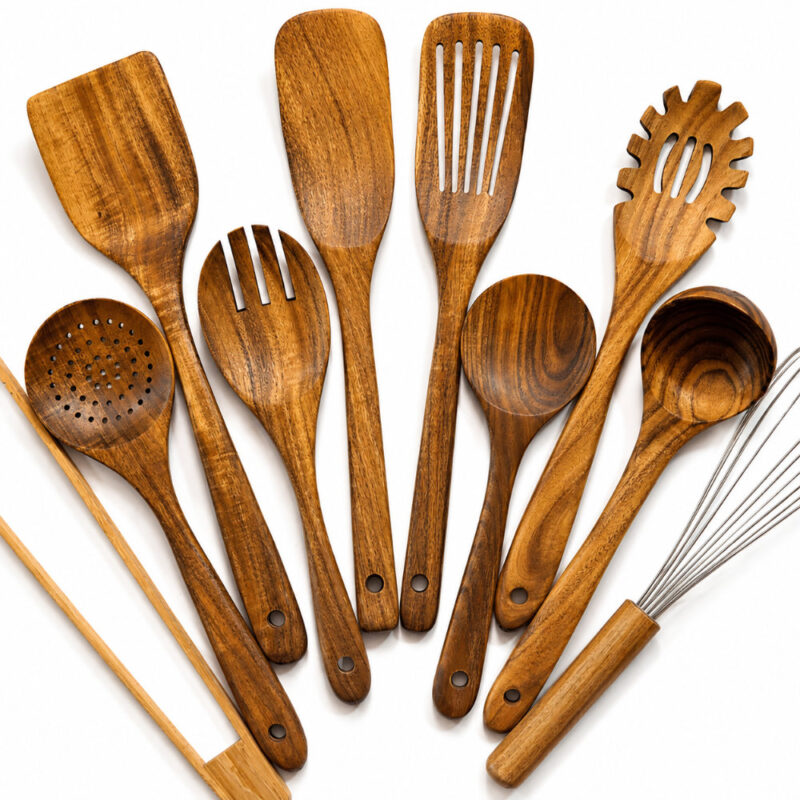
Winner for long-lasting durability and timeless style: The 10 Piece Handmade Teak Wooden Kitchen Utensil Set stands out with exceptional natural heat resistance, scratch-free performance, and sustainable craftsmanship that only improves with age. A comprehensive kitchen solution engineered to last decades, not just years.
The material offers distinct advantages over wood, metal, and plastic alternatives. Silicone withstands temperatures from -40°F to 600°F without degrading. This range covers everything from freezer storage to high-heat cooking. The non-porous surface resists bacteria growth and prevents food absorption. Unlike wooden spoons that crack or metal tools that scratch pans, silicone maintains its integrity through years of daily use.
History of Silicone in Kitchen Tools
Scottish chemist Frederick Stanley Kipping first synthesized silicone polymers in 1901. However, practical applications didn’t emerge until the 1940s when Corning Glass Works and Dow Chemical formed Dow Corning. The military used early silicone products for electrical insulation and gaskets during World War II.
Kitchen applications arrived much later. Bakeware manufacturers introduced silicone molds in the 1980s in France. The flexible, non-stick properties proved ideal for delicate pastries and chocolates. By the mid-1990s, companies began producing spatulas, whisks, and spoons. The FDA approved food-grade silicone in the early 2000s, which accelerated widespread adoption.
Today’s silicone utensils represent decades of refinement. Modern manufacturing processes create stronger molecular bonds and more stable compounds. Premium brands use platinum-cured silicone rather than cheaper peroxide-cured alternatives. This distinction matters for safety and longevity.
Technical Specifications That Define Quality
Material Grade and Certification
The best silicone cooking utensils use 100% food-grade silicone. This certification means the product meets FDA standards for direct food contact. Some manufacturers blend silicone with fillers to reduce costs. These hybrid products may leach chemicals or degrade faster.
You can test silicone purity with a simple twist test. Pinch and twist a flat area of the utensil. Pure silicone remains uniform in color. Inferior products show white streaks where fillers separate from the silicone matrix.
Look for these certifications:
- FDA approval for food contact
- LFGB certification (German food safety standard)
- BPA-free confirmation
- Heat resistance ratings above 450°F
Construction Quality
Premium silicone utensils feature seamless construction between the silicone head and handle. Cheaper versions glue separate pieces together. These joints fail under stress and harbor bacteria in the gaps.
Core materials inside the silicone handle affect performance. The best options include:
- Stainless steel cores provide rigidity and weight
- Solid silicone construction offers flexibility and dishwasher safety
- Nylon cores reduce cost but may warp in high heat
The silicone thickness matters for durability. Quality spatulas measure at least 2-3mm thick at the blade edge. Thin silicone tears easily and lacks the structure needed for heavy mixing or stirring.
Heat Resistance and Temperature Range
All food-grade silicone resists heat, but ranges vary:
- Standard silicone: 400°F continuous exposure
- Premium silicone: 500-600°F continuous exposure
- Commercial-grade: Up to 675°F for specialized applications
Temperature ratings indicate safe continuous use rather than brief contact. A 500°F-rated spatula can touch a hot pan momentarily without damage. However, leaving it resting on high heat will eventually degrade the material.
Types of Essential Silicone Utensils
Spatulas and Turners
Silicone spatulas come in several designs. Jar scrapers feature thin, flexible edges perfect for emptying containers. Mixing spatulas offer more rigidity for folding batters and stirring thick mixtures. Fish turners include slotted designs and wide surfaces for delicate proteins.
The best spatulas balance flexibility with structure. An all-purpose spatula should bend easily for scraping but maintain enough rigidity for spreading and flipping. Handle length affects leverage and heat distance. Choose 10-12 inch lengths for standard cookware.
Spoons and Ladles
Silicone spoons excel at stirring without scratching cookware. Deep-bowled designs work best for serving. Slotted versions drain liquids while transferring solids. Heat-resistant handles prevent burns when the spoon rests against hot pot edges.
Ladles require special consideration. The bowl depth and pour spout design affect functionality. A 6-ounce capacity suits most soups and stews. Look for hanging loops that keep the ladle positioned properly in storage.
Whisks and Tongs
Silicone-coated whisks protect non-stick surfaces while aerating mixtures. The best versions use stainless steel wire cores wrapped in silicone. This construction maintains the spring tension needed for effective whisking. Fully silicone whisks lack the rigidity for heavy cream or thick batters.
Tongs with silicone tips grip food securely without causing damage. Scalloped edges increase friction on smooth surfaces like pasta or vegetables. Spring-loaded mechanisms should operate smoothly through thousands of cycles. Choose 9-inch tongs for stovetop work and 12-inch versions for grilling.
Comparison: Silicone vs. Traditional Materials
| Feature | Silicone | Wood | Metal | Plastic |
|---|---|---|---|---|
| Heat Resistance | Up to 600°F | Up to 400°F | Varies widely | Up to 250°F |
| Non-Stick Safe | Yes | Yes | No (can scratch) | Yes |
| Dishwasher Safe | Yes | No | Yes | Limited |
| Bacteria Resistance | Excellent | Poor | Excellent | Moderate |
| Flexibility | High | Low | Low | Moderate |
| Durability | 10+ years | 3-5 years | 15+ years | 2-3 years |
| Price Range | $8-$25 | $5-$15 | $10-$30 | $3-$10 |
Benefits for Home Cooks
Protection for Cookware
Silicone’s soft surface protects expensive cookware investments. Non-stick coatings remain intact through years of use. Cast iron seasoning stays undisturbed. Even delicate ceramic surfaces resist scratching when you use silicone tools.
This protection translates to financial savings. A single metal spatula can damage a $100 non-stick pan in seconds. Replacing cookware costs far more than buying quality silicone utensils initially.
Versatility Across Cooking Methods
Silicone utensils transition seamlessly between cooking tasks. Use the same spatula for sautéing, baking, and serving. The heat resistance allows stovetop use, then immediate transfer to serving dishes. Many silicone tools work equally well for hot and cold preparations.
This versatility reduces kitchen clutter. A well-chosen set of five silicone utensils can replace fifteen traditional tools. Smaller kitchens benefit significantly from this consolidation.
Hygiene and Maintenance Advantages
The non-porous surface prevents bacterial colonization. Silicone doesn’t absorb food odors or flavors. Yesterday’s garlic doesn’t flavor today’s dessert. This characteristic matters especially for households managing food allergies or dietary restrictions.
Cleaning requires minimal effort. Most food residue rinses away with warm water. Stubborn stains respond to baking soda paste. Unlike wood that harbors bacteria in grain patterns or plastic that stains permanently, silicone returns to pristine condition after each wash.
Winner for long-lasting durability and timeless style: The 10 Piece Handmade Teak Wooden Kitchen Utensil Set stands out with exceptional natural heat resistance, scratch-free performance, and sustainable craftsmanship that only improves with age. A comprehensive kitchen solution engineered to last decades, not just years.
Selection Criteria for the Best Silicone Utensils
Assessing Your Cooking Style
Match utensils to your most frequent cooking activities. Bakers need flexible spatulas for folding and jar scrapers for batter bowls. Home cooks who prepare sauces benefit from heat-resistant spoons and whisks. Grill enthusiasts require long-handled tongs and basting brushes.
Consider your cookware collection. Homes with exclusively non-stick pans can use any utensil material, but silicone offers the safest choice. Mixed cookware collections benefit from silicone’s universal compatibility.
Brand Reputation and Warranty
Established brands invest in quality control and customer service. Companies like OXO, GIR, and Le Creuset stand behind their products with multi-year warranties. These warranties indicate manufacturer confidence in durability.
Read verified purchase reviews before buying. Look for patterns in feedback rather than individual complaints. Consistent reports about handle separation or melting indicate poor quality control. Products with thousands of positive reviews demonstrate proven performance.
Set vs. Individual Purchase
Utensil sets offer value but may include unnecessary items. Evaluate whether you’ll use each piece regularly. A seven-piece set costs less than buying items individually, but wasted tools negate savings.
Individual purchases let you choose premium quality where it matters most. Invest in an excellent spatula and ladle while selecting budget options for rarely-used items. This strategy optimizes both performance and cost.
Price and Value Analysis
Quality silicone utensils range from $8-$25 per piece. Sets of five to seven pieces typically cost $30-$60. These prices reflect material quality, construction methods, and brand overhead.
Budget options under $5 per piece usually contain filler materials or use peroxide curing. These products may discolor, tear, or leach chemicals. Mid-range products ($10-$15) offer good performance for most home cooks. Premium options ($20-$25) justify their cost through superior durability and design refinement.
Calculate cost per year of use rather than initial price. A $20 spatula lasting ten years costs $2 annually. A $5 spatula needing replacement every two years costs $2.50 annually while delivering inferior performance.
Maintenance and Care Guidelines
Daily Cleaning
Wash silicone utensils after each use with warm soapy water. Most items are dishwasher safe, but hand washing extends lifespan. Place dishwasher-safe utensils on the top rack away from heating elements.
Avoid abrasive scrubbers that can scratch the surface. Soft sponges or cloths remove all residue effectively. For stuck food, soak utensils in warm water before washing.
Removing Stains and Odors
Silicone can absorb strong colors from tomato sauce or curry. Create a paste with baking soda and water. Apply this mixture and let it sit for several hours. The paste draws out discoloration without damaging the silicone.
Persistent odors respond to lemon juice treatment. Rub fresh lemon juice over the utensil and rinse after 30 minutes. Alternatively, create a solution of one tablespoon white vinegar per cup of water. Soak the utensil for one hour.
Storage Best Practices
Store silicone utensils in drawers or countertop crocks. Avoid cramming too many items in small spaces. Compression can cause permanent deformation in flexible silicone.
Keep utensils away from sharp objects that might puncture the material. Knives, graters, and other sharp tools should occupy separate storage areas.
Common Problems and Solutions
Identifying Degradation
Quality silicone maintains its properties for years, but degradation eventually occurs. Watch for these warning signs:
- Surface tackiness indicates breakdown of molecular bonds
- Color changes to yellow or brown suggest heat damage
- Tears or splits compromise hygiene and function
- Persistent odors that cleaning cannot remove
Replace utensils showing these symptoms. Degraded silicone may release particles into food.
Preventing Premature Wear
Avoid leaving silicone utensils in contact with heating elements. Rest spoons on pot edges rather than laying them across hot burners. Don’t use silicone tools directly on open flames.
Store utensils properly to prevent stress damage. Hanging systems work well for frequently-used items. Drawer organizers prevent tangling and compression.
Making Your Final Selection
The best silicone cooking utensils depend on individual needs and cooking patterns. Start with these essential items:
- One all-purpose spatula (10-11 inches) for mixing, folding, and spreading
- One jar scraper (smaller, more flexible) for containers and bowls
- One slotted spoon for draining and serving
- One set of tongs (9-12 inches) for turning and serving
- One whisk (10-12 inches) for sauces and batters
This foundation covers 90% of cooking tasks. Add specialized tools as your cooking expands. A fish turner benefits seafood enthusiasts. Pastry brushes help bakers and grill masters.
Prioritize 100% food-grade silicone with heat resistance above 450°F. Choose products with seamless construction and stainless steel cores for rigidity. Verify FDA approval and read verified customer reviews.
Budget $50-$80 for a starter set of quality utensils. This investment delivers years of reliable performance while protecting your cookware. Premium individual pieces cost $15-$25 but outlast cheaper alternatives by five to ten years.
Quality silicone cooking utensils combine safety, durability, and versatility. They protect cookware, resist bacteria, and simplify cleaning. The right selection enhances cooking efficiency while reducing long-term costs. Choose wisely based on your specific needs, and these tools will serve your kitchen for a decade or more.
Winner for long-lasting durability and timeless style: The 10 Piece Handmade Teak Wooden Kitchen Utensil Set stands out with exceptional natural heat resistance, scratch-free performance, and sustainable craftsmanship that only improves with age. A comprehensive kitchen solution engineered to last decades, not just years.