
What Is the Healthiest Cooking Utensils

Understanding Healthy Cooking Utensils
Healthy cooking utensils protect your food from harmful chemicals and metals. The safest options prevent toxins from leaching into meals during high-heat cooking. Your choice affects both food safety and long-term health outcomes.
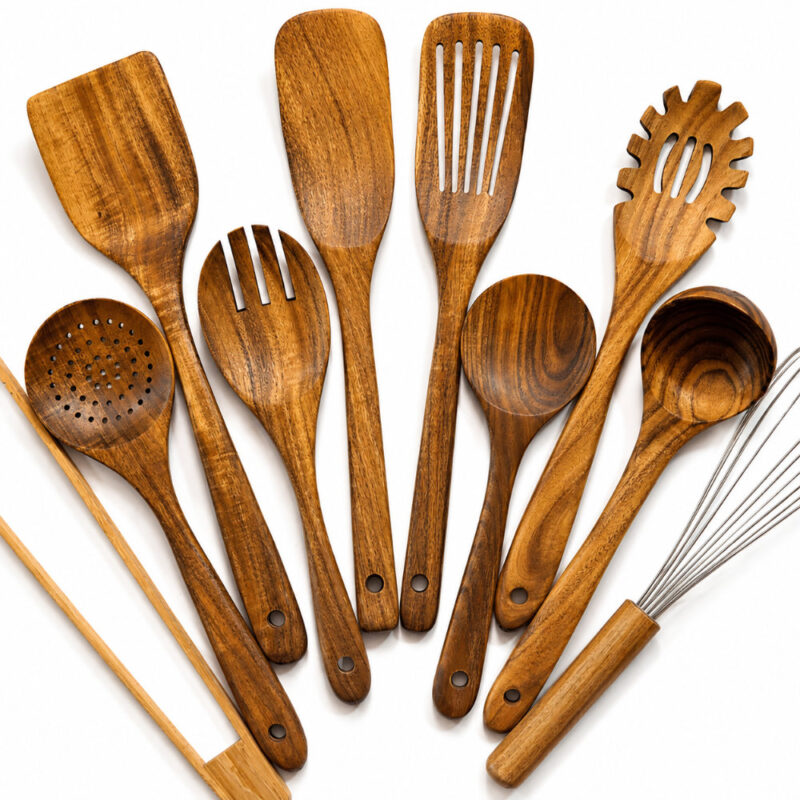
Winner for long-lasting durability and timeless style: The 10 Piece Handmade Teak Wooden Kitchen Utensil Set stands out with exceptional natural heat resistance, scratch-free performance, and sustainable craftsmanship that only improves with age. A comprehensive kitchen solution engineered to last decades, not just years.
Materials matter significantly. Some utensils release toxic compounds under heat. Others remain inert and stable across all cooking temperatures. This guide examines the safest materials for daily cooking tasks.
Historical Evolution of Cooking Utensils
Ancient civilizations used clay pots and stone tools for cooking. These materials provided natural, chemical-free food preparation. Early humans discovered that certain materials worked better than others for specific tasks.
The Bronze Age introduced metal cookware around 3000 BCE. Copper and bronze utensils became standard in many cultures. Iron tools appeared next, offering durability and heat retention.
The Industrial Revolution transformed cookware production. Manufacturers introduced aluminum and stainless steel in the late 1800s. Teflon-coated non-stick pans emerged in 1954, revolutionizing home cooking.
Modern concerns about chemical exposure have shifted focus back to safer materials. Consumers now prioritize health over convenience. This trend has revived interest in traditional materials like cast iron and wood.
Healthiest Cooking Utensil Materials
Stainless Steel
Stainless steel ranks among the safest cooking materials available. This alloy contains iron, chromium, and nickel. The chromium creates a protective oxide layer that prevents rust and corrosion.
High-quality stainless steel utensils resist chemical reactions with acidic foods. They withstand high temperatures without degrading. 18/10 stainless steel contains 18% chromium and 10% nickel, offering superior durability.
Benefits include:
- No chemical leaching during cooking
- Resistant to scratches and dents
- Dishwasher safe and easy to clean
- Long lifespan with proper care
- Does not alter food flavors
People with nickel allergies should choose 18/0 stainless steel instead. This variety contains no nickel and works equally well for most cooking tasks.
Wood and Bamboo
Wooden utensils provide natural antibacterial properties. Hardwoods like maple, cherry, and walnut work best for cooking tools. These materials do not scratch non-stick surfaces or react with acidic ingredients.
Bamboo offers similar benefits with added sustainability. This fast-growing grass regenerates quickly after harvesting. Bamboo utensils resist moisture better than some traditional hardwoods.
Key advantages:
- Gentle on all cookware surfaces
- Naturally antimicrobial
- Comfortable grip and lightweight
- Heat-resistant handles
- Biodegradable and eco-friendly
Proper maintenance extends wooden utensil life. Hand wash with mild soap and dry immediately. Apply food-grade mineral oil monthly to prevent cracking.
Silicone
Food-grade silicone resists temperatures from -40°F to 500°F. This synthetic material contains no harmful chemicals like BPA, lead, or phthalates. High-quality silicone maintains stability under extreme heat.
Look for silicone products certified by FDA or LFGB standards. These certifications guarantee safety for food contact. Pure silicone does not leach chemicals into meals during cooking.
Benefits include:
- Flexible and non-breakable
- Non-stick properties
- Easy to clean and store
- Available in multiple colors
- Dishwasher safe
Avoid cheap silicone products filled with plastic. Perform a pinch test—pure silicone returns to shape immediately without showing white marks.
Cast Iron
Cast iron cookware has served kitchens for centuries. This material distributes heat evenly and retains warmth exceptionally well. Properly seasoned cast iron develops a natural non-stick surface.
Cast iron adds trace amounts of dietary iron to food. This benefit helps people with iron deficiency. The material contains no synthetic coatings or chemicals.
Advantages:
- Increases iron content in meals
- Withstands extremely high temperatures
- Lasts for generations with care
- Works on all cooking surfaces
- Improves with age and use
Season cast iron regularly with vegetable oil. This process creates a protective layer that prevents rust and improves cooking performance.
Glass
Borosilicate glass handles thermal shock better than regular glass. This material resists cracking from temperature changes. Glass utensils and cookware contain no metals or chemicals.
Glass allows visual monitoring of cooking progress. The material does not absorb odors or flavors from previous meals. It works well for baking and storing food.
Key features:
- Completely non-reactive
- Transparent for easy monitoring
- Microwave and oven safe
- Does not stain or discolor
- Recyclable and sustainable
Handle glass items carefully to prevent breakage. Avoid sudden temperature changes that might cause cracking.
Materials to Avoid
Non-Stick Coatings
Traditional PTFE (Teflon) coatings release toxic fumes above 500°F. These fumes can cause flu-like symptoms in humans. Pet birds are especially vulnerable to PTFE toxicity.
PFOA (perfluorooctanoic acid) was used in older non-stick cookware manufacturing. This chemical accumulates in human tissue and causes health concerns. Most manufacturers phased out PFOA by 2015.
Aluminum
Uncoated aluminum reacts with acidic foods like tomatoes and citrus. This reaction causes metal to leach into meals. Studies link high aluminum exposure to neurological issues.
Anodized aluminum undergoes treatment that creates a protective layer. This process reduces leaching but does not eliminate it completely.
Copper
Copper cookware requires tin or stainless steel lining for safety. Unlined copper causes metal toxicity with prolonged exposure. Copper ions interfere with vitamin C and other nutrients in food.
Plastic
Plastic utensils release chemicals when heated. BPA, phthalates, and microplastics contaminate food during cooking. These compounds disrupt hormones and affect reproductive health.
Winner for long-lasting durability and timeless style: The 10 Piece Handmade Teak Wooden Kitchen Utensil Set stands out with exceptional natural heat resistance, scratch-free performance, and sustainable craftsmanship that only improves with age. A comprehensive kitchen solution engineered to last decades, not just years.
Comparison Table: Cooking Utensil Materials
| Material | Heat Resistance | Chemical Safety | Durability | Maintenance | Cost |
|---|---|---|---|---|---|
| Stainless Steel | Excellent | Excellent | Very High | Low | Medium |
| Wood/Bamboo | Good | Excellent | Medium | Medium | Low |
| Silicone | Very Good | Excellent | High | Low | Low-Medium |
| Cast Iron | Excellent | Excellent | Very High | Medium-High | Medium |
| Glass | Good | Excellent | Medium | Low | Medium |
| Non-Stick | Medium | Poor | Low | Medium | Low-Medium |
| Aluminum | Excellent | Poor | High | Low | Low |
| Copper | Excellent | Poor | Very High | High | High |
| Plastic | Poor | Very Poor | Low | Low | Very Low |
Technical Specifications for Safe Utensils
Temperature Tolerance
Safe cooking utensils must withstand common cooking temperatures. Stovetop cooking ranges from 300°F to 500°F. Oven baking reaches 350°F to 450°F typically.
Stainless steel handles temperatures exceeding 1000°F. Silicone works safely up to 500°F. Wood chars above 400°F but remains safe for stirring and serving.
Chemical Inertness
Inert materials do not react with food acids, oils, or salts. This property prevents metal leaching and flavor contamination. Stainless steel, glass, and properly glazed ceramics show excellent inertness.
pH levels affect material safety. Acidic foods (pH below 7) increase leaching from reactive metals. Choose inert materials for cooking tomato sauce, citrus dishes, and vinegar-based recipes.
Surface Hardness
Hard surfaces resist scratching and bacterial growth. Stainless steel rates 5-6 on the Mohs hardness scale. This level provides durability without damaging other cookware.
Soft materials like wood and silicone protect delicate surfaces. They prevent scratching non-stick pans and enameled cookware.
User Benefits of Healthy Utensils
Long-Term Health Protection
Safe cooking utensils eliminate daily exposure to harmful chemicals. This reduction lowers cumulative toxin intake over years. The body cannot efficiently eliminate many synthetic compounds.
Using inert materials protects against:
- Heavy metal accumulation
- Hormone disruption
- Neurological damage
- Immune system suppression
- Cancer risk increase
Food Quality Preservation
Healthy utensils maintain food’s natural nutrients and flavors. Reactive materials destroy vitamin C and alter mineral content. Stainless steel and glass preserve nutritional value during cooking.
Non-reactive surfaces prevent metallic tastes in food. This quality especially matters for delicate dishes like fish and light sauces.
Cost Effectiveness
Quality cooking utensils last decades with proper care. Stainless steel and cast iron pieces become family heirlooms. Initial investment pays off through years of reliable service.
Cheap utensils require frequent replacement. They also risk food contamination and health expenses. Safe materials offer better long-term value.
Environmental Impact
Durable utensils reduce waste sent to landfills. Wood, bamboo, and stainless steel decompose or recycle easily. Choosing sustainable materials supports environmental health.
Single-use plastic utensils contribute to ocean pollution. Microplastics enter the food chain through seafood consumption. Using permanent, safe utensils breaks this cycle.
Maintenance Guidelines
Stainless Steel Care
Wash stainless steel with warm soapy water after each use. Remove stuck food with baking soda paste. Dry immediately to prevent water spots.
Remove heat stains with vinegar and water solution. Polish with specialized stainless steel cleaner for shine. Avoid chlorine bleach, which causes pitting.
Wood and Bamboo Maintenance
Hand wash wooden utensils promptly. Never soak in water or place in dishwashers. These practices cause warping and cracking.
Apply food-grade mineral oil every 4-6 weeks. This treatment prevents drying and splitting. Sand rough spots with fine-grit sandpaper before oiling.
Replace wooden utensils showing deep cracks or mold. Damaged wood harbors bacteria despite cleaning efforts.
Silicone Cleaning
Silicone tolerates dishwasher cleaning on the top rack. Hand washing with dish soap works equally well. Remove grease buildup with baking soda scrub.
Check silicone regularly for tears or degradation. Replace damaged pieces to maintain safety standards.
Cast Iron Seasoning
Season cast iron after each cleaning. Heat the dry pan until warm. Apply thin oil coating and heat until smoking stops.
Never use soap on seasoned cast iron. Hot water and scrubbing remove food residue effectively. Dry completely and apply fresh oil layer.
Store cast iron in dry locations. Moisture causes rust formation quickly.
Selection Process for Healthy Utensils
Assess Your Cooking Style
Frequent high-heat cooking requires heat-resistant materials. Stainless steel and cast iron suit this approach best. Delicate tasks benefit from wooden or silicone tools.
Consider cookware types you own. Use wooden utensils with non-stick pans. Choose metal tools for stainless steel and cast iron cooking.
Check Material Certifications
Look for FDA approval on silicone products. This certification confirms safety for food contact. Stainless steel should meet food-grade specifications.
Avoid products lacking safety information. Reputable manufacturers display certifications clearly. Quality matters more than brand recognition.
Evaluate Build Quality
Examine connections between handles and heads. Weak joints fail during use and cause accidents. One-piece construction offers superior strength.
Feel the weight and balance. Quality utensils feel substantial without being heavy. Poor construction shows in uneven weight distribution.
Consider Functionality
Purchase utensils matching your actual needs. Basic sets include spatula, spoon, slotted spoon, ladle, and tongs. Specialty tools serve specific purposes.
Multi-purpose tools reduce clutter and expense. A quality spatula handles flipping, scraping, and serving tasks.
Budget Appropriately
Invest in frequently used items first. A quality chef’s knife and basic utensils deserve higher budgets. Specialty tools can wait for future purchases.
Calculate cost per use over expected lifespan. A $20 stainless steel spatula used daily for ten years costs $0.005 per use. This calculation reveals true value.
Summary
The healthiest cooking utensils use stainless steel, wood, bamboo, silicone, cast iron, or glass. These materials resist chemical leaching and withstand cooking temperatures safely. They protect both food quality and long-term health.
Avoid non-stick coatings, unlined aluminum, uncoated copper, and plastic utensils. These materials release harmful compounds during normal cooking. The health risks outweigh any convenience benefits.
Select utensils based on cooking style, material safety, and build quality. Proper maintenance extends lifespan and maintains safety standards. Invest in quality pieces that serve for decades.
Safe cooking utensils form the foundation of healthy meal preparation. Your daily choices about cookware and tools impact wellness significantly. Choose materials that support health, sustainability, and culinary success.
Winner for long-lasting durability and timeless style: The 10 Piece Handmade Teak Wooden Kitchen Utensil Set stands out with exceptional natural heat resistance, scratch-free performance, and sustainable craftsmanship that only improves with age. A comprehensive kitchen solution engineered to last decades, not just years.