
What Utensils to Use on Blackstone Griddle

Why Utensil Choice Matters for Your Blackstone Griddle
Your Blackstone griddle features a cold-rolled steel cooking surface. This material differs from traditional nonstick pans. The wrong utensils can scratch, gouge, or damage the seasoned layer that protects your griddle.
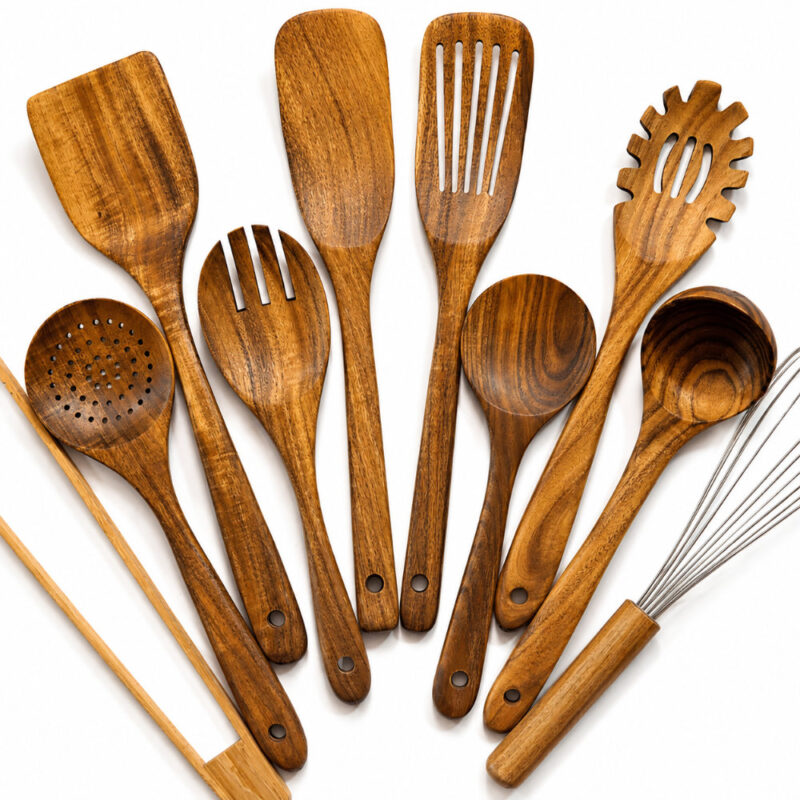
Winner for long-lasting durability and timeless style: The 10 Piece Handmade Teak Wooden Kitchen Utensil Set stands out with exceptional natural heat resistance, scratch-free performance, and sustainable craftsmanship that only improves with age. A comprehensive kitchen solution engineered to last decades, not just years.
Metal utensils work best on Blackstone griddles. The steel surface handles metal tools without damage. You need tools that can scrape, flip, and move food efficiently across a large, flat cooking area.
Best Utensil Materials for Blackstone Griddles
Metal Spatulas and Scrapers
Stainless steel spatulas rank as the top choice for Blackstone griddles. These tools offer several advantages:
- They withstand high heat without warping
- They scrape food residue effectively
- They flip heavy items like burgers and steaks easily
- They last for years with minimal maintenance
Carbon steel tools also work excellently. Many professional chefs prefer carbon steel because it combines strength with flexibility. The slight flex helps you slide under delicate foods.
Plastic and Silicone Options
You can use plastic or silicone utensils on your Blackstone griddle. These materials won’t scratch the surface. However, they have limitations:
- Heat resistance caps at 400-600°F for most silicone
- Plastic melts quickly on hot surfaces
- They lack the scraping power needed for stuck food
- They bend under pressure from heavy items
Reserve plastic and silicone tools for low-heat cooking or prep work away from direct griddle contact.
Essential Utensils Every Blackstone Owner Needs
Large Griddle Spatulas
A wide metal spatula serves as your primary tool. Look for spatulas with these specifications:
- Blade width: 4-6 inches
- Blade length: 8-10 inches
- Handle length: 10-12 inches minimum
- Material: Stainless steel or carbon steel
The large surface area lets you flip multiple items simultaneously. You can handle smash burgers, eggs, pancakes, and vegetables with one tool.
Griddle Scrapers
A flat-edge scraper removes stuck food and residue. Professional griddle scrapers feature:
- Straight, beveled edges
- Thick metal construction (3-4mm)
- Comfortable wooden or metal handles
- 4-5 inch blade width
Use scrapers during cooking and post-cooking cleanup. They keep your surface clean and ready for the next batch of food.
Long-Handled Tongs
16-inch stainless steel tongs protect your hands from heat. Standard 9-inch tongs place your hands too close to the hot surface. Long tongs give you control over:
- Bacon strips
- Sausages
- Vegetables
- Small items that need turning
Choose tongs with scalloped edges. The gripping surface holds food securely.
Squeeze Bottles
Heat-resistant squeeze bottles help you add oils, sauces, and water precisely. You need at least two bottles:
- One for cooking oil or butter
- One for water (for steaming and cleaning)
Squeeze bottles give you control over oil distribution. You can create thin, even layers across the cooking surface.
Utensil Comparison Table
| Utensil Type | Material | Heat Tolerance | Scraping Ability | Best Use Case |
|---|---|---|---|---|
| Large Spatula | Stainless Steel | 1000°F+ | Excellent | Flipping, pressing, moving food |
| Griddle Scraper | Carbon Steel | 1000°F+ | Superior | Cleaning, removing stuck food |
| Long Tongs | Stainless Steel | 1000°F+ | N/A | Grabbing, turning small items |
| Silicone Spatula | Silicone | 500-600°F | Poor | Gentle flipping, low-heat prep |
| Plastic Scraper | High-temp Plastic | 400°F | Fair | Cold griddle cleaning only |
Specialized Tools for Advanced Cooking
Chopping Spatulas
Griddle chopping spatulas combine a spatula edge with a sharpened side edge. These tools let you:
- Cut vegetables while cooking
- Chop bacon into bits
- Break apart ground meat
- Divide large foods into portions
The sharp edge faces away from the griddle surface. You press down to cut, not scrape sideways.
Dough Scrapers
Bench scrapers work well for griddle pancakes and crepes. The straight edge helps you:
- Lift thin, delicate foods
- Scrape batter or dough residue
- Create clean edges on eggs
- Portion foods accurately
Choose a stainless steel bench scraper with a 6-inch blade.
Grill Bricks
Pumice grill bricks clean your griddle surface safely. You use them with oil on a hot griddle. The brick removes:
- Carbonized food particles
- Grease buildup
- Discoloration
- Stubborn residue
Grill bricks wear down during use. This design prevents scratching because the abrasive material breaks away before damaging steel.
What to Avoid on Your Blackstone Griddle
Sharp Knives
Never use sharp kitchen knives directly on your griddle surface. The steel can dull your knife edges. More importantly, knives can cut through the seasoned layer and damage the base metal.
Wire Brushes
Wire grill brushes leave metal bristles on the cooking surface. These bristles can:
- Get into food
- Create a choking hazard
- Scratch the seasoning
- Rust on the griddle
Use scrapers and grill bricks instead of wire brushes.
Glass or Ceramic Tools
Glass and ceramic tools can chip or shatter on a hot griddle. The temperature shock from a 500°F surface can break these materials instantly.
Abrasive Scouring Pads
Steel wool and abrasive pads strip the polymerized oil layer (seasoning) from your griddle. This layer protects against rust and creates a natural nonstick surface.
How Griddle Utensils Evolved
The flat-top griddle originated in diners during the 1920s. Short-order cooks needed tools that could handle high-volume cooking. They developed wide spatulas for speed.
Traditional griddle spatulas measured 3-4 inches wide. Modern Blackstone griddles offer 17-36 inches of cooking space. Tool manufacturers responded by creating wider spatulas (up to 6 inches).
The smash burger trend increased demand for heavy-duty spatulas. Cooks need strong tools to press burgers flat against hot surfaces. This pressure creates the desired crust.
Commercial griddle operators have used long-handled tools for decades. Blackstone brought these professional tools to home cooks. The company sells griddle tool kits designed specifically for their products.
Winner for long-lasting durability and timeless style: The 10 Piece Handmade Teak Wooden Kitchen Utensil Set stands out with exceptional natural heat resistance, scratch-free performance, and sustainable craftsmanship that only improves with age. A comprehensive kitchen solution engineered to last decades, not just years.
Maintenance Tips for Griddle Utensils
Cleaning Metal Tools
Wash stainless steel and carbon steel utensils after each use:
- Rinse with hot water immediately
- Scrub with dish soap and a sponge
- Dry completely to prevent rust
- Store in a dry location
Carbon steel tools may develop surface rust. Remove rust with fine steel wool and re-oil the surface.
Seasoning Carbon Steel Utensils
Season carbon steel tools like you season your griddle:
- Heat the tool until warm
- Apply a thin layer of cooking oil
- Wipe excess oil away
- Heat until the oil polymerizes
This process creates a protective coating that prevents rust.
Storing Griddle Tools
Hang tools on hooks near your griddle. This storage method:
- Keeps tools accessible
- Allows air circulation (prevents rust)
- Protects sharp edges
- Saves drawer space
Magnetic tool strips work well for metal utensils. Mount the strip on your griddle stand or nearby wall.
Technical Specifications Matter
Handle Length and Heat Protection
Your griddle surface reaches 500-600°F during cooking. Handles shorter than 10 inches place your hands in the heat zone. Look for handles with:
- Heat-resistant materials (wood, composite, metal with grips)
- Adequate length (12+ inches preferred)
- Comfortable grip diameter (1-1.5 inches)
- Non-slip texture
Some handles feature stay-cool technology. These hollow handles resist heat transfer from the metal blade.
Blade Thickness and Flexibility
Spatula blade thickness affects performance:
- Thin blades (1-2mm): Slide under delicate foods easily but bend under heavy items
- Medium blades (2-3mm): Balance flexibility with strength, suitable for most tasks
- Thick blades (3-4mm): Handle heavy foods and aggressive scraping but lack finesse
Professional chefs often own multiple spatulas with different blade thicknesses.
Edge Geometry
The beveled edge of a spatula determines how well it slides under food:
- Steep bevels (30-40 degrees): Better for scraping and chopping
- Shallow bevels (15-25 degrees): Better for sliding under eggs and fish
- Square edges: Provide maximum scraping power but poor sliding ability
Quality spatulas feature hand-ground bevels for optimal performance.
User Benefits of Proper Utensil Selection
Cooking Efficiency
The right tools speed up cooking. A 6-inch spatula flips four burgers simultaneously. A narrow spatula requires multiple flips. This efficiency matters for:
- Large family meals
- Outdoor parties
- Meal prep sessions
- Commercial cooking
Time savings compound across multiple cooking sessions.
Food Quality Improvement
Proper tools improve food outcomes:
- Wide spatulas prevent food from falling apart during flipping
- Sharp-edged choppers create even vegetable pieces that cook uniformly
- Long tongs keep bacon strips flat and prevent curling
- Scrapers maintain a clean surface that won’t add burnt flavors
Better tools lead to better meals.
Safety Enhancement
Long-handled tools reduce burn risk. Standard kitchen spatulas measure 8-10 inches total length. Griddle spatulas reach 18-22 inches. This extra length keeps your hands 6-8 inches farther from heat.
Metal tools eliminate the risk of melting plastic dripping into food. Silicone can degrade at high temperatures and release compounds into your meal.
Equipment Longevity
Proper utensils protect your griddle investment. Using the right scraper maintains the seasoning layer. This protection:
- Prevents rust formation
- Reduces sticking
- Minimizes deep cleaning needs
- Extends griddle lifespan
A well-maintained griddle lasts 10+ years with regular use.
Step-by-Step Utensil Selection Guide
Follow this process to choose utensils for your Blackstone griddle:
- Measure your griddle size: 17-inch griddles need smaller tools than 36-inch models
- List your common foods: Delicate foods require different tools than heavy meats
- Set your budget: Quality tools cost $15-40 each but last years
- Buy the essentials first: Start with one wide spatula and one scraper
- Add specialty tools: Purchase choppers, tongs, and grill bricks as needed
- Test and adjust: Try your tools during several cooking sessions
- Replace as needed: Upgrade tools that don’t meet your needs
Most Blackstone owners need 4-6 core tools. Additional specialized tools support specific cooking styles.
Summary
Metal utensils work best on Blackstone griddles. Stainless steel and carbon steel tools provide durability, heat resistance, and scraping power. Every griddle owner needs a wide spatula, a flat scraper, and long tongs as basics.
Avoid sharp knives, wire brushes, and highly abrasive pads on your griddle surface. These items damage the protective seasoning layer. Choose tools with handles longer than 10 inches. This length protects your hands from heat.
Quality griddle tools improve cooking efficiency, food quality, and safety. They also protect your griddle investment. Buy professional-grade tools designed specifically for flat-top cooking. These utensils will serve you for years of outdoor cooking.
Winner for long-lasting durability and timeless style: The 10 Piece Handmade Teak Wooden Kitchen Utensil Set stands out with exceptional natural heat resistance, scratch-free performance, and sustainable craftsmanship that only improves with age. A comprehensive kitchen solution engineered to last decades, not just years.