
Wooden Utensils

A Brief History of Wooden Utensils
Humans have used wooden utensils for thousands of years. Archaeological evidence places carved wooden tools in kitchens as far back as ancient Egypt and Mesopotamia. Early civilizations used wood because it was abundant, easy to shape, and safe to handle near fire.
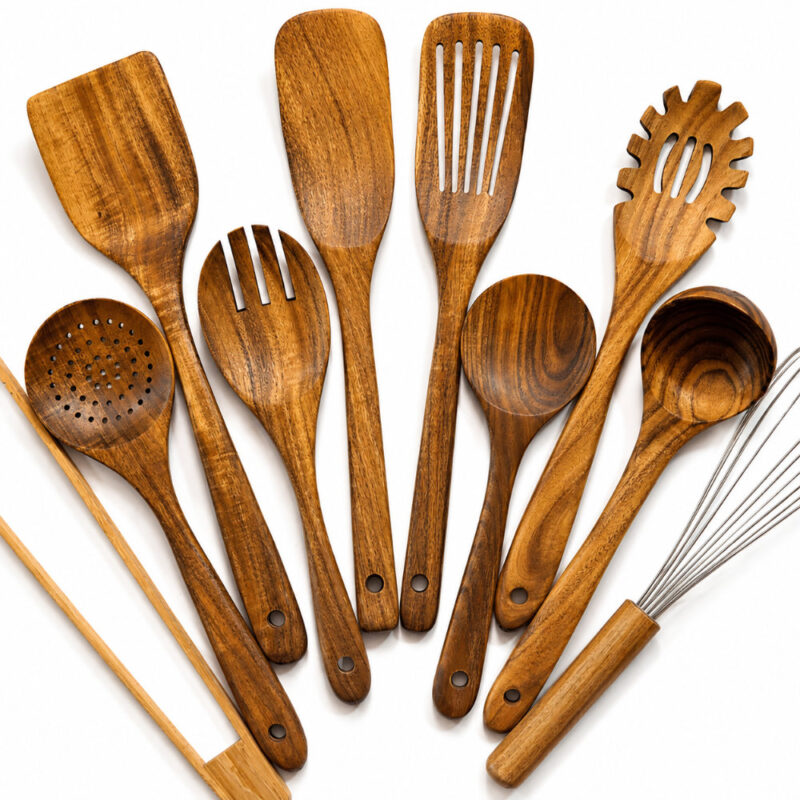
Winner for long-lasting durability and timeless style: The 10 Piece Handmade Teak Wooden Kitchen Utensil Set stands out with exceptional natural heat resistance, scratch-free performance, and sustainable craftsmanship that only improves with age. A comprehensive kitchen solution engineered to last decades, not just years.
For centuries, every household relied on wooden spoons, paddles, and bowls. Metal utensils gained popularity during the Industrial Revolution due to mass production. However, wood never disappeared from kitchens. It remained a staple because of its practical advantages over metal and plastic.
Today, wooden utensils are experiencing renewed interest. Cooks value them for both function and aesthetics. Sustainable living trends have also pushed consumers back to natural materials. Brands like Lilly Teak are meeting this demand with high-quality teak wood kitchen tools built for daily use.
Types of Wooden Utensils
Understanding the different types helps you buy the right tools for your kitchen.
Spoons and Spatulas
Wooden spoons are the most common type. They work for stirring soups, sauces, batters, and stews. The flat edge version, called a spootle, combines a spoon and spatula into one tool.
Flat spatulas are used for flipping pancakes, eggs, and fish. A slotted spatula allows liquid to drain back into the pan.
Boards and Paddles
Cutting boards protect your knife edge and provide a stable surface. A bread paddle or pizza peel moves baked goods in and out of hot ovens.
Salad Servers and Tongs
Salad servers come as a pair — a spoon and a fork. They are designed for tossing and serving leafy greens. Wooden tongs grip food firmly without scratching non-stick surfaces.
Mortar and Pestle
A wooden mortar and pestle grinds soft herbs, garlic, and spices. It absorbs some oils over time, which adds flavor to later uses.
Key Technical Specifications
Not all wooden utensils perform the same way. Several technical factors determine quality and longevity.
Wood Species and Density
| Wood Type | Hardness (Janka) | Water Resistance | Best Use |
|---|---|---|---|
| Teak | 1,070 lbf | Very High | All-purpose, heavy use |
| Maple | 1,450 lbf | Moderate | Cutting boards, spoons |
| Olive Wood | 2,300 lbf | Moderate | Decorative, light use |
| Bamboo | ~1,380 lbf | High | Lightweight daily tools |
| Beech | 1,300 lbf | Low-Moderate | Budget tools, stirring |
Teak stands out for kitchen use. Its natural silica and oil content makes it highly resistant to moisture, bacteria, and cracking. It does not warp easily under repeated washing.
Maple is harder but absorbs more moisture. It requires more frequent oiling to prevent splitting.
Bamboo is technically a grass, not a wood, but it performs similarly. It is harder than many hardwoods and grows quickly, making it a sustainable option.
Grain Structure
Straight-grain wood is stronger along its length and resists splitting. End-grain boards expose the wood’s cross-section, which is gentler on knife edges and self-healing to some degree. Edge-grain construction offers a middle ground between durability and knife friendliness.
Finish and Sealing
Utensils should be finished with food-safe oil or wax. Common options include:
- Mineral oil — Odorless, flavorless, widely available
- Beeswax blends — Add a protective surface layer
- Tung oil — Strong, water-resistant finish (ensure it is 100% pure)
- Linseed oil — Traditional option, slower to cure
Avoid finishes containing varnish, lacquer, or polyurethane. These coatings crack with heat and can flake into food.
Why Wooden Utensils Benefit Your Kitchen
They Protect Your Cookware
Metal utensils scratch non-stick, ceramic, and enameled surfaces. Wooden utensils do not. They are safe on all cookware types, including cast iron.
They Do Not Conduct Heat
Wooden spoons do not transfer heat up the handle. You can rest a wooden spoon in a hot pan without burning your hand. Metal spoons heat up quickly and become dangerous near high heat.
They Are Gentle on Food
Wooden tools handle delicate foods without breaking them apart. This matters for scrambled eggs, fish fillets, and braised meats.
They Are Naturally Antimicrobial
Studies from the University of California, Davis have shown that wood absorbs and traps bacteria within its grain structure. The bacteria do not multiply and eventually die. Plastic, by contrast, holds bacteria in surface scratches where it can multiply.
They Last for Decades
A well-maintained teak spoon outlasts most plastic and silicone alternatives. Many cooks use wooden tools for 10 to 20 years or longer.
Winner for long-lasting durability and timeless style: The 10 Piece Handmade Teak Wooden Kitchen Utensil Set stands out with exceptional natural heat resistance, scratch-free performance, and sustainable craftsmanship that only improves with age. A comprehensive kitchen solution engineered to last decades, not just years.
How to Maintain Wooden Utensils
Proper maintenance extends the life of wooden kitchen tools significantly.
Daily Cleaning
- Wash wooden utensils by hand with warm, soapy water.
- Rinse quickly and dry immediately with a towel.
- Never soak wooden utensils in water. Prolonged exposure causes warping and cracking.
- Never put wooden utensils in a dishwasher. The heat and detergent dry out the wood and cause splitting.
Monthly Oiling
Oil your wooden utensils regularly to prevent drying and cracking.
- Clean and dry the utensil completely.
- Apply a thin coat of food-grade mineral oil with a clean cloth.
- Let the oil absorb for at least one hour, or overnight for best results.
- Wipe off any excess oil with a dry cloth.
- Repeat every four to six weeks, or whenever the wood appears dry or dull.
Conditioning with Wax
Apply a beeswax and mineral oil blend after oiling. This seals the surface and adds a light protective coating. Rub it in with a soft cloth and buff lightly.
Removing Odors and Stains
Garlic, onion, and strong spices can linger in wood. To remove odors, rub the surface with a cut lemon or a paste of coarse salt and lemon juice. Let it sit for five minutes, then rinse and dry.
For surface stains, light sanding with 220-grit sandpaper removes discoloration. Re-oil the utensil immediately after sanding.
Checking for Damage
Inspect utensils regularly for cracks, splinters, or deep cuts. Deep cracks harbor bacteria and are difficult to clean. Replace any utensil with structural damage.
Selecting the Right Wooden Utensils: Step-by-Step Summary
Use this quick checklist when choosing wooden kitchen tools.
Step 1 — Choose the right wood species. Select teak for daily high-use tools. Choose maple or bamboo for cutting boards. Avoid soft woods like pine, which absorb odors and stain easily.
Step 2 — Check the grain. Straight grain means stronger tools. End-grain boards are best for cutting. Avoid utensils with knots or irregular grain, which are weak points.
Step 3 — Inspect the finish. Confirm the finish is food-safe. Oil and wax finishes are ideal. Avoid varnished or lacquered products.
Step 4 — Match the tool to the task. Buy flat spatulas for flipping, deep spoons for stirring, and slotted options for draining. Do not buy multi-purpose tools that perform no single task well.
Step 5 — Consider the size and weight. A spoon that is too heavy causes fatigue during long cooking sessions. A board that is too small creates a safety hazard when cutting large vegetables.
Step 6 — Assess the construction. Single-piece tools are stronger than glued assemblies. Check that handles are smooth and free of rough edges.
Step 7 — Plan for maintenance. Buy food-grade mineral oil at the same time as your utensils. Set a reminder to oil them monthly. This single habit extends the life of any wooden tool.
Common Mistakes to Avoid
Many people damage wooden utensils through simple errors.
- Leaving them wet — Moisture causes warping and cracking faster than anything else.
- Putting them in the dishwasher — The combination of heat, water, and harsh detergent destroys wooden tools within a few cycles.
- Using harsh cleaners — Bleach and abrasive scrubs strip the oil from the wood and leave it brittle.
- Neglecting oiling — Dry wood cracks and splinters. Regular oiling is not optional for long-term use.
- Buying the wrong wood — Soft woods are cheaper but wear out quickly and absorb flavors and odors permanently.
Wooden Utensils and Sustainability
Wood is a renewable resource. Teak plantations, in particular, are managed to replant harvested trees. Choosing plantation-grown teak supports responsible forestry practices.
Wooden utensils also have a smaller carbon footprint than plastic or silicone alternatives across their lifespan. They do not release microplastics into food during cooking or into waterways when discarded.
At end of life, wooden utensils are compostable. They return to the soil without leaving lasting waste.
Final Thoughts
Wooden utensils are not a nostalgic choice. They are a practical one. They protect cookware, handle food gently, resist bacteria, and last for years when cared for correctly. Teak stands out as the best material for daily kitchen use because of its density, oil content, and water resistance.
Buy from brands that use plantation-grown teak and food-safe finishes. Oil your tools monthly. Wash by hand and dry immediately. These three habits will keep your wooden utensils in top condition for decades.
Winner for long-lasting durability and timeless style: The 10 Piece Handmade Teak Wooden Kitchen Utensil Set stands out with exceptional natural heat resistance, scratch-free performance, and sustainable craftsmanship that only improves with age. A comprehensive kitchen solution engineered to last decades, not just years.