
Safe Cooking Utensils

Why Utensil Safety Matters in Every Kitchen
Most home cooks focus on recipes and technique. Fewer stop to consider what their tools are made of. The utensils you cook with touch your food directly. They transfer heat, blend ingredients, scrape surfaces, and stir sauces. If those utensils leach harmful chemicals or harbor bacteria, your meals carry a hidden risk.
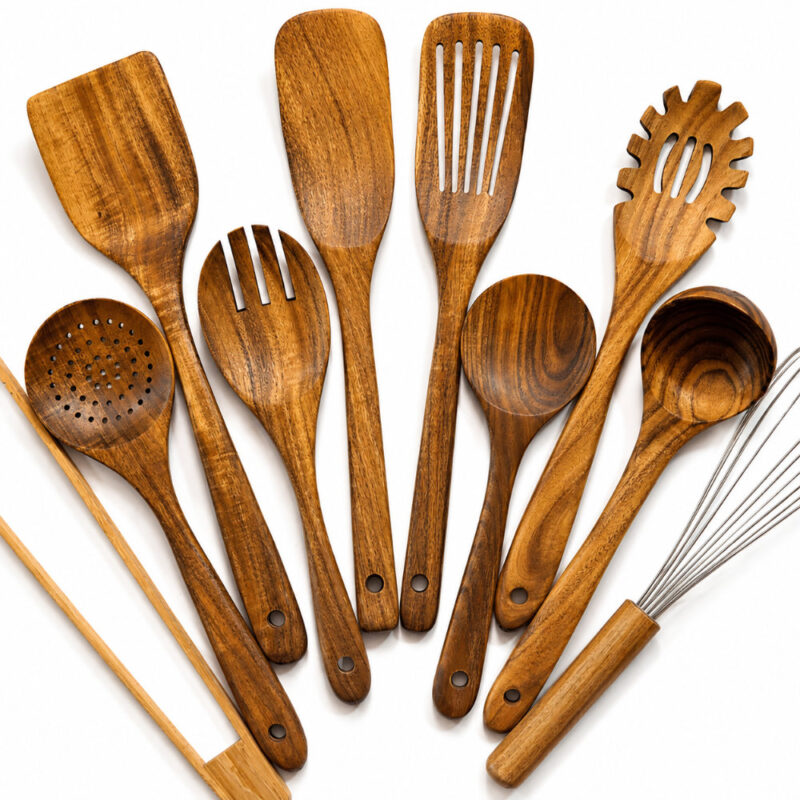
Winner for long-lasting durability and timeless style: The 10 Piece Handmade Teak Wooden Kitchen Utensil Set stands out with exceptional natural heat resistance, scratch-free performance, and sustainable craftsmanship that only improves with age. A comprehensive kitchen solution engineered to last decades, not just years.
Safe cooking utensils are tools made from materials that do not contaminate food, withstand heat without degrading, and can be cleaned effectively. Choosing the right ones protects your health and extends the life of your cookware.
A Brief History of Cooking Utensils
Humans have used cooking tools for thousands of years. Early utensils were carved from wood or bone. Ancient Romans used bronze ladles and iron spatulas. By the Middle Ages, iron and copper tools were common in European kitchens.
The 20th century brought dramatic changes. Plastic utensils appeared in the 1940s and 1950s. They were cheap, lightweight, and easy to manufacture. Nylon and silicone tools followed in the 1960s and 1980s. Stainless steel became the standard for professional kitchens.
However, concerns about synthetic materials grew. Studies in the 1990s and 2000s raised questions about Bisphenol A (BPA) leaching from certain plastics. Research into PTFE (polytetrafluoroethylene), the chemical behind nonstick coatings, flagged risks at high temperatures. These findings shifted consumer preferences. Today, the market favors materials that are both functional and chemically stable.
Common Utensil Materials and Their Safety Profiles
Understanding the material behind each tool helps you make informed choices. Below is a comparison of the most common options.
| Material | Heat Tolerance | Chemical Safety | Durability | Best For |
|---|---|---|---|---|
| Stainless Steel | Very High (500°F+) | Excellent | Very High | All-purpose cooking |
| Silicone | High (up to 450°F) | Good (food-grade only) | High | Nonstick cookware |
| Wood / Bamboo | Low-Medium | Good (unsealed) | Medium | Stirring, mixing |
| Cast Iron | Very High | Excellent | Very High | Heavy-duty cooking |
| BPA-Free Plastic | Low-Medium | Moderate | Low-Medium | Cold food prep |
| Nylon | Medium (up to 400°F) | Moderate | Medium | Low-heat cooking |
| Copper | High | Moderate (unlined risky) | High | Candy, sauces |
Stainless Steel
Stainless steel is the gold standard for safe cooking utensils. It does not react with acidic foods. It does not absorb odors or bacteria. Grade 18/10 stainless steel (18% chromium, 10% nickel) offers the best corrosion resistance. It tolerates dishwasher cleaning and high heat without degrading.
The only limitation is that stainless steel can scratch the surface of nonstick pans. Use it with stainless, cast iron, or carbon steel cookware.
Silicone
Food-grade silicone is flexible, heat-resistant, and chemically inert. It does not react with food or beverages at normal cooking temperatures. Look for utensils labeled FDA-approved or food-grade. Lower-quality silicone may contain fillers that release compounds under heat.
A simple pinch test helps. Pinch and twist the silicone firmly. If white appears, the tool likely contains fillers. Pure silicone shows no color change. Silicone tools are safe for nonstick surfaces because they do not scratch coatings.
Wood and Bamboo
Wood and bamboo have been kitchen staples for centuries. They are naturally antimicrobial to some degree. They do not scratch cookware surfaces. They do not conduct heat, which keeps handles cool.
The risk with wood comes from moisture absorption. Cracked or unsealed wood harbors bacteria in its pores. Oil your wooden utensils regularly with food-grade mineral oil or beeswax. Replace them when cracks appear. Bamboo is denser than most woods and absorbs less moisture, making it a slightly more hygienic choice.
Avoid soaking wood or bamboo utensils in water. Hand-wash them and dry immediately.
Nylon
Nylon tools work well at low to moderate temperatures. They are safe for nonstick surfaces. However, nylon begins to degrade around 400°F (204°C). Leaving a nylon spoon in a hot pan can cause it to melt or release particles into food.
Use nylon utensils for sautéing at medium heat or for stirring cold and warm dishes. Replace any tool that shows signs of melting, discoloration, or brittleness.
Plastics and BPA
Older plastic utensils may contain BPA, a chemical linked to hormonal disruption. Most manufacturers have shifted to BPA-free plastics. However, some replacement chemicals — including BPS (Bisphenol S) — raise similar concerns.
For hot cooking, avoid plastic utensils entirely. Use plastic tools only for cold food preparation, such as salad tossing or serving room-temperature dishes.
How to Identify Truly Safe Cooking Utensils
Not all labeling is reliable. Follow these steps to verify safety before purchasing.
- Check for certifications. Look for FDA compliance, LFGB certification (European food-grade standard), or NSF International approval. These marks confirm that a product has been independently tested.
- Examine the material composition. Packaging should clearly state the material. Vague terms like “premium polymer” are a red flag.
- Test silicone by touch and smell. Quality silicone has no odor. It feels smooth and consistent. Cheap silicone may smell chemical or rubbery.
- Inspect the construction. Utensils with hollow handles or riveted joints trap moisture and bacteria. Look for solid handles and seamless construction where possible.
- Check heat ratings. Any utensil used in high-heat cooking should clearly state its maximum temperature tolerance.
Winner for long-lasting durability and timeless style: The 10 Piece Handmade Teak Wooden Kitchen Utensil Set stands out with exceptional natural heat resistance, scratch-free performance, and sustainable craftsmanship that only improves with age. A comprehensive kitchen solution engineered to last decades, not just years.
Maintenance and Hygiene for Safe Utensils
Even the safest materials become hazardous without proper care. Follow these practices to keep your utensils hygienic.
Cleaning:
- Wash utensils after every use. Food residue left on tools feeds bacteria.
- Use hot water and dish soap for most materials.
- Stainless steel and silicone are dishwasher-safe. Wood and bamboo are not.
- Sanitize cutting and stirring tools periodically with a diluted white vinegar solution.
Storage:
- Store utensils in a dry environment. Moisture accelerates bacterial growth and wood degradation.
- Avoid cramped drawers where tools rub and scratch each other.
- Hang stainless steel tools on a rack for air circulation.
Replacement:
- Replace wooden utensils at the first sign of cracking.
- Discard any silicone tool that tears, peels, or shows discoloration.
- Retire stainless steel tools that develop deep pits or rust spots.
- Discard nylon tools that have melted or warped from heat exposure.
A good rule: if you would not trust a utensil’s hygiene, replace it. The cost of a new spatula is far lower than the cost of foodborne illness.
Utensils to Use With Specific Cookware
Matching your utensil material to your cookware surface prevents damage and keeps both tools safe.
Nonstick Pans: Use silicone or nylon. Metal tools scratch PTFE and ceramic coatings. Scratched nonstick coatings may release particles into food.
Stainless Steel Pans: Use stainless steel, silicone, or wood. All three work well and do not damage the surface.
Cast Iron: Use stainless steel or wood. Cast iron is nearly indestructible. Metal tools are safe. Avoid silicone for scraping because it may tear on rough surfaces.
Carbon Steel: Treat it like cast iron. Stainless steel and wood are ideal.
Enameled Cast Iron: Use silicone or wood to protect the enamel coating from chips.
The Teak Option: Natural Hardwood Utensils
Teak is a dense tropical hardwood with natural oil content. This oil makes teak highly resistant to moisture absorption. Teak utensils do not crack or warp as quickly as softer woods. They resist bacterial growth better than porous alternatives.
Teak rates high on the Janka hardness scale, meaning it resists denting and surface damage. It is gentle on all cookware surfaces. It does not react with food. When sourced responsibly and finished without toxic sealants, teak is among the safest natural materials for kitchen tools.
Maintain teak utensils with periodic oiling. Use food-grade teak oil or mineral oil. Avoid vegetable oils, which can go rancid inside the wood grain.
Step-by-Step Guide to Choosing Safe Cooking Utensils
Use this checklist when selecting new tools for your kitchen.
- Define your cooking style. High-heat cooking requires stainless steel or cast iron. Low-heat and nonstick cooking works well with silicone or nylon.
- Set a budget. Quality utensils last years. A higher upfront cost pays off in durability and safety.
- Verify material certifications. Look for FDA or LFGB compliance on packaging.
- Check heat tolerance. Match the utensil’s rating to your typical cooking temperatures.
- Inspect construction quality. Solid handles, seamless joints, and smooth finishes indicate better manufacturing.
- Consider cookware compatibility. Match utensil material to your pan surface.
- Plan for maintenance. Choose materials you are willing to care for properly.
- Replace regularly. Even the best tools wear out. Set a replacement schedule based on use frequency.
Summary
Safe cooking utensils protect your food from contamination and your cookware from damage. Stainless steel leads in durability and chemical safety. Food-grade silicone excels for nonstick surfaces. Teak and bamboo offer reliable natural options with proper maintenance. Avoid plastic tools near heat, and discard any utensil showing signs of wear.
The material your tools are made from is as important as the food you put in the pan. Choosing certified, heat-appropriate, well-maintained utensils is one of the simplest ways to cook more safely every day.
Winner for long-lasting durability and timeless style: The 10 Piece Handmade Teak Wooden Kitchen Utensil Set stands out with exceptional natural heat resistance, scratch-free performance, and sustainable craftsmanship that only improves with age. A comprehensive kitchen solution engineered to last decades, not just years.