
Best Non Toxic Kitchen Utensils

Why Your Kitchen Utensils Matter More Than You Think
Most people focus on the food they cook. Fewer people think about what touches that food during cooking. Kitchen utensils made from low-quality or harmful materials can leach chemicals directly into meals. This happens especially at high temperatures.
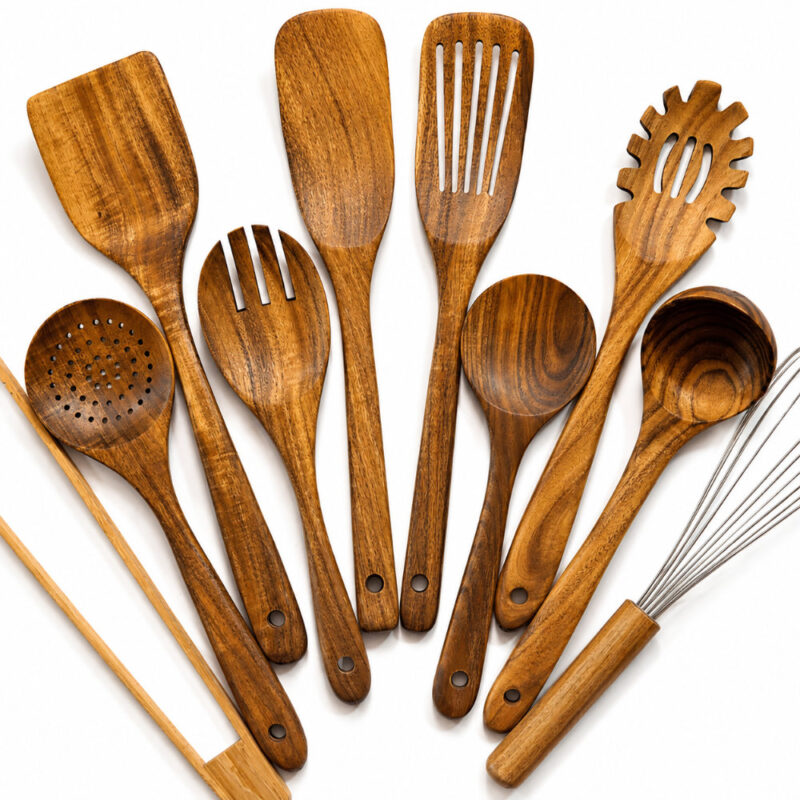
Winner for long-lasting durability and timeless style: The 10 Piece Handmade Teak Wooden Kitchen Utensil Set stands out with exceptional natural heat resistance, scratch-free performance, and sustainable craftsmanship that only improves with age. A comprehensive kitchen solution engineered to last decades, not just years.
The good news is that non toxic kitchen utensils are widely available, well-tested, and built to last. This guide covers what to look for, what to avoid, and which materials deliver the safest cooking experience.
A Brief History of Kitchen Utensil Materials
Humans have used kitchen tools for thousands of years. Early utensils were made from wood, bone, stone, and clay. These materials were natural and largely inert.
The industrial era introduced new options. Aluminum became popular in the early 20th century for its light weight and conductivity. Plastic entered kitchens in large numbers after World War II. Nonstick coatings, specifically polytetrafluoroethylene (PTFE), appeared commercially in the 1960s under brand names like Teflon.
These synthetic materials brought convenience. They also brought concerns. Research over the following decades linked certain plastics and coatings to hormone disruption, carcinogen exposure, and environmental contamination. Bisphenol A (BPA), found in polycarbonate plastics, was identified as an endocrine disruptor. Perfluorooctanoic acid (PFOA), used in older nonstick coatings, was classified as a possible human carcinogen.
Consumers and manufacturers responded. The push for non toxic alternatives accelerated in the 2000s and has grown steadily since. Today, the market offers genuinely safe, high-performing options in every utensil category.
Materials to Avoid in Kitchen Utensils
Understanding dangerous materials helps you make better choices.
- BPA plastics: Found in older hard plastic spatulas, spoons, and mixing bowls. BPA mimics estrogen and disrupts hormonal function.
- Low-grade nonstick coatings: Older PTFE coatings containing PFOA release toxic fumes when overheated above 500°F (260°C). Even PFOA-free PTFE can degrade and flake into food with regular use.
- Melamine: Used in some plastic-looking utensils and dishware. Melamine can leach formaldehyde into food, especially in acidic or hot conditions.
- Cheap aluminum: Uncoated aluminum can react with acidic foods. Some studies link excessive aluminum exposure to neurological concerns.
- Low-quality stainless steel: Utensils made from grades lower than 18/8 or 18/10 stainless steel may contain higher levels of nickel and chromium that migrate into food.
The Safest Materials for Kitchen Utensils
1. Stainless Steel (18/8 or 18/10 Grade)
18/8 stainless steel contains 18% chromium and 8% nickel. 18/10 contains 18% chromium and 10% nickel. Both grades are food-safe, highly corrosion-resistant, and non-reactive with food.
Stainless steel utensils tolerate high heat without warping or releasing chemicals. They are dishwasher-safe and extremely durable. Tongs, ladles, whisks, slotted spoons, and spatulas all perform excellently in stainless steel.
The main limitation is that stainless steel can scratch certain cookware surfaces, such as nonstick pans. In those cases, pair stainless utensils with compatible cookware, or choose silicone instead.
2. Food-Grade Silicone
Food-grade silicone is a synthetic rubber derived from silica (sand). It is BPA-free, inert at temperatures from -40°F to 446°F (-40°C to 230°C), and does not react with food or beverages.
Silicone utensils are flexible, heat-resistant, and gentle on all cookware surfaces. Spatulas, tongs, basting brushes, and mixing spoons made from food-grade silicone are practical and safe.
Look for utensils labeled 100% food-grade silicone with no fillers. A simple test: pinch and twist the silicone. If white shows through, it may contain fillers and be lower quality.
3. Solid Wood and Bamboo
Solid wood utensils have been used safely for centuries. Hardwoods like maple, walnut, olive, and beech are dense, non-porous when properly cared for, and naturally antimicrobial.
Bamboo is technically a grass, but it is extremely hard and durable. It grows quickly, making it a more sustainable choice than many hardwoods. Bamboo utensils are lightweight, strong, and naturally resistant to moisture when sealed.
Both wood and bamboo utensils should be hand-washed and occasionally oiled with food-safe oil to prevent cracking and bacterial buildup.
4. Cast Iron (for Utensils and Cookware Used Together)
While cast iron is primarily cookware, cast iron trivets, presses, and some serving tools are considered non toxic and inert for cooking use. Cast iron actually adds small amounts of dietary iron to food — a benefit for many people.
Comparison Table: Non Toxic Kitchen Utensil Materials
| Material | Heat Resistance | Dishwasher Safe | Scratch Risk | Durability | Best For |
|---|---|---|---|---|---|
| 18/8 Stainless Steel | Very High (1000°F+) | Yes | Medium | Excellent | All cooking tasks |
| Food-Grade Silicone | High (up to 446°F) | Yes | Low | Very Good | Nonstick cookware |
| Solid Wood | Medium (no direct flame) | No | Low | Good (with care) | Stirring, mixing |
| Bamboo | Medium (no direct flame) | No | Low | Good (with care) | Everyday cooking |
| Melamine (avoid) | Low | Limited | Low | Poor | Not recommended |
| BPA Plastic (avoid) | Low | Sometimes | Low | Poor | Not recommended |
Winner for long-lasting durability and timeless style: The 10 Piece Handmade Teak Wooden Kitchen Utensil Set stands out with exceptional natural heat resistance, scratch-free performance, and sustainable craftsmanship that only improves with age. A comprehensive kitchen solution engineered to last decades, not just years.
Key Features to Look For When Buying
Material certification matters. Look for utensils marked as FDA-approved, BPA-free, PFOA-free, or food-grade. Third-party certifications from organizations like NSF International add credibility.
Construction quality affects safety. Utensils with hollow handles can trap bacteria. One-piece stainless steel utensils or silicone heads bonded directly to stainless handles reduce this risk.
Heat rating is relevant for silicone. Confirm that silicone utensils are rated for the temperatures you cook at. Low-quality silicone rated only to 300°F (149°C) is less suitable for high-heat searing or frying.
Weight and balance affect usability. A well-balanced utensil reduces hand fatigue and improves control.
Caring for Non Toxic Kitchen Utensils
Proper maintenance preserves safety and extends life.
Stainless Steel
- Wash with warm soapy water or place in the dishwasher.
- Dry promptly to prevent water spots.
- Remove stubborn stains with a paste of baking soda and water.
- Avoid prolonged soaking, which can cause pitting on lower-grade steel.
Silicone
- Dishwasher-safe, top rack preferred.
- Silicone can absorb odors over time. Soak in a solution of baking soda and water to deodorize.
- Inspect regularly for cracks or degradation. Replace utensils that show wear.
Wood and Bamboo
- Never put in the dishwasher. The heat and moisture will crack and warp the material.
- Hand-wash with mild soap and dry immediately.
- Apply food-safe mineral oil or beeswax every few months to maintain the finish.
- Sand lightly if the surface becomes rough, then re-oil.
- Replace utensils that develop deep cracks, as these can harbor bacteria.
Building a Non Toxic Utensil Set: A Step-by-Step Guide
- Audit what you own. Check existing utensils for melamine markings, BPA plastics, or damaged nonstick coatings.
- Prioritize high-heat tools first. Replace spatulas, stirring spoons, and ladles used over direct heat with stainless steel or food-grade silicone.
- Switch mixing and prep tools next. Replace plastic mixing spoons and serving utensils with wood, bamboo, or stainless alternatives.
- Check handles. Ensure handles are free of soft plastic coatings that can crack and degrade. Solid stainless or silicone-wrapped handles are preferred.
- Buy fewer, higher-quality pieces. A small set of premium stainless and silicone utensils outperforms a large set of cheap mixed materials.
- Store properly. Keep utensils in a dry utensil crock or hung on a rack. Drawer storage where tools bang together can damage finishes.
Recommended Non Toxic Kitchen Utensil Combinations
For most home cooks, a complete safe set includes:
- One stainless steel slotted spoon and solid spoon
- One stainless steel ladle
- Two food-grade silicone spatulas (one thin, one wide)
- One stainless steel whisk
- One pair of stainless steel tongs with silicone tips
- Two to three solid wood or bamboo spoons for everyday stirring
- One silicone basting brush
This combination covers nearly every cooking task and keeps all food contact surfaces free from toxic materials.
The Environmental Perspective
Choosing non toxic kitchen utensils also benefits the environment. Stainless steel and wood utensils last decades, reducing landfill waste from disposable plastics. Bamboo grows faster than hardwood trees, making it a lower-impact resource.
Silicone, while a synthetic material, has a long lifespan and does not break down into microplastics the way polyethylene or polypropylene plastics do. Its durability offsets the energy cost of production over time.
Summary: How to Choose the Best Non Toxic Kitchen Utensils
The safest kitchen utensils share a few core traits. They use materials that do not react with food. They tolerate cooking temperatures without degrading. They are made without harmful additives like BPA, PFOA, or melamine.
18/8 or 18/10 stainless steel delivers the best combination of durability, safety, and heat resistance. Food-grade silicone is the right choice for tools used with nonstick cookware. Solid wood and bamboo work well for stirring and mixing tasks and bring natural warmth to the kitchen.
Avoid plastics you cannot identify, discard any utensil with a damaged coating, and replace cheap tools with certified food-safe alternatives. A safe kitchen starts with what touches your food. The right utensils make every meal healthier from the first stir to the last spoonful.
Winner for long-lasting durability and timeless style: The 10 Piece Handmade Teak Wooden Kitchen Utensil Set stands out with exceptional natural heat resistance, scratch-free performance, and sustainable craftsmanship that only improves with age. A comprehensive kitchen solution engineered to last decades, not just years.