
Is Nylon Safe for Cooking Utensils?

Understanding Nylon in Kitchen Tools
Nylon entered the kitchenware market in the 1940s. DuPont created this synthetic polymer as a replacement for natural materials. Manufacturers now use nylon for spatulas, spoons, ladles, and turners.
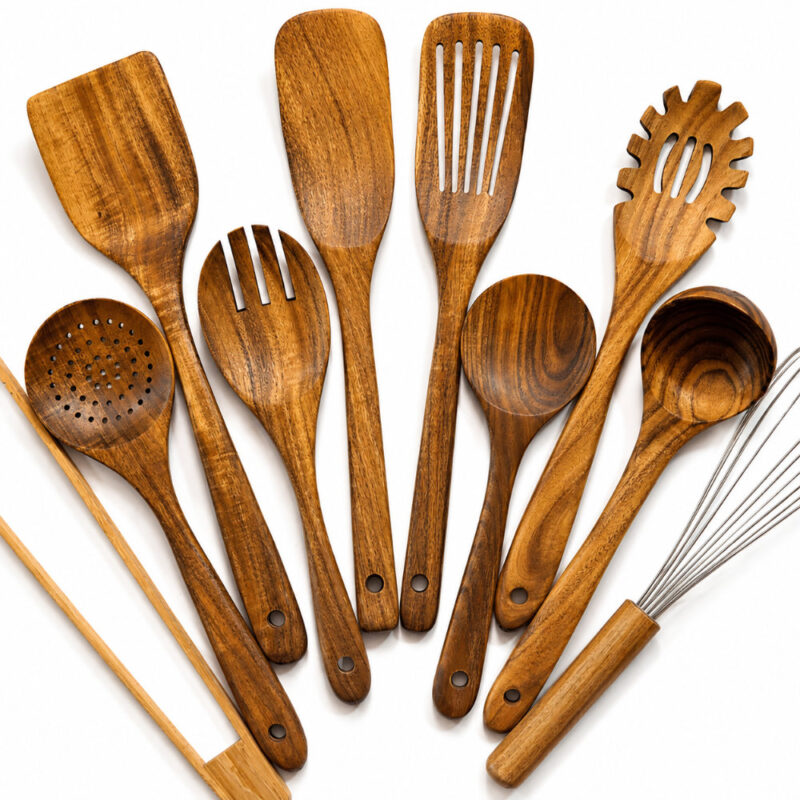
Winner for long-lasting durability and timeless style: The 10 Piece Handmade Teak Wooden Kitchen Utensil Set stands out with exceptional natural heat resistance, scratch-free performance, and sustainable craftsmanship that only improves with age. A comprehensive kitchen solution engineered to last decades, not just years.
The material offers heat resistance up to 400°F (204°C). This temperature exceeds most stovetop cooking needs. Cast iron pans reach 400-450°F. Non-stick cookware typically stays below 500°F during normal use.
Food-grade nylon contains no toxic additives. The FDA approves nylon 6 and nylon 6,6 for direct food contact. These classifications ensure the material meets safety standards.
Chemical Composition and Safety Standards
Nylon is a polyamide. The polymer chains form through condensation reactions between diamines and dicarboxylic acids. This chemical structure creates a stable material that resists breakdown.
Key Safety Certifications
Food-safe nylon utensils carry specific certifications:
- FDA approval for food contact surfaces
- NSF International standards for kitchen products
- BPA-free certification on packaging
- LFGB testing for European markets
The material does not leach harmful chemicals at cooking temperatures. Laboratory tests show nylon remains inert below its melting point. This stability prevents contamination of your food.
Heat Resistance Properties
| Material | Maximum Safe Temperature | Melting Point | Best Use Case |
|---|---|---|---|
| Nylon | 400°F (204°C) | 428-500°F | General cooking, non-stick pans |
| Silicone | 500-600°F | Does not melt | High-heat cooking, baking |
| Wood | 400°F (varies) | Burns at 570°F | Stirring, serving |
| Stainless Steel | 1000°F+ | 2500°F+ | All cooking methods |
Nylon performs well for everyday cooking tasks. You can use nylon utensils for:
- Scrambling eggs on medium heat
- Stirring sauces and soups
- Flipping pancakes and vegetables
- Mixing ingredients in hot pans
Avoid using nylon tools in direct flame contact. Extended exposure above 400°F causes the material to soften or deform.
Health Considerations
Non-Toxic Advantages
Nylon utensils provide several health benefits:
- No chemical migration: The material does not transfer substances into food during normal use
- Allergen-free: Nylon causes no known allergic reactions
- Non-porous surface: Bacteria cannot penetrate the material
- No heavy metals: Unlike some vintage cookware, nylon contains no lead or cadmium
Potential Concerns
Degraded nylon utensils present minimal risk. However, damaged tools should be replaced. Look for these warning signs:
- Melted edges or warped surfaces
- Deep scratches that trap food particles
- Discoloration from heat damage
- Brittle texture indicating age deterioration
Replace utensils showing these signs. Damaged nylon may shed microplastics into food.
Comparison with Alternative Materials
Nylon vs. Silicone
Silicone handles higher temperatures than nylon. The material withstands up to 600°F without damage. However, silicone costs more per utensil.
Nylon offers better rigidity. This stiffness helps flip heavy foods like burgers or chicken breasts. Silicone flexes more, which suits scraping bowls and folding batters.
Nylon vs. Wood
Wood provides natural antimicrobial properties. Certain wood species contain compounds that inhibit bacterial growth. However, wood requires more maintenance than nylon.
Nylon cleans faster. You can place nylon utensils in the dishwasher. Wood needs hand washing and periodic oiling to prevent cracking.
Nylon vs. Metal
Metal utensils conduct heat. Stainless steel spoons become hot during extended stirring. Nylon handles stay cool for safer handling.
Metal scratches non-stick cookware. Nylon protects delicate coatings on Teflon and ceramic pans. This protection extends pan lifespan significantly.
Proper Usage Guidelines
Temperature Management
Monitor your cooking temperatures. Most home cooking occurs below 350°F. This range keeps nylon utensils safe and functional.
Use these temperature guidelines:
- Sautéing vegetables: 300-350°F (nylon safe)
- Searing meat: 400-450°F (use caution with nylon)
- Deep frying: 350-375°F (nylon safe for brief contact)
- Broiling: 500-550°F (avoid nylon)
Best Practices
Follow these rules for safe nylon utensil use:
- Keep utensils moving in hot pans
- Rest utensils on spoon holders, not pan edges
- Remove utensils from heat between stirring
- Avoid leaving nylon tools in pots during cooking
These habits prevent heat damage and extend utensil life.
Winner for long-lasting durability and timeless style: The 10 Piece Handmade Teak Wooden Kitchen Utensil Set stands out with exceptional natural heat resistance, scratch-free performance, and sustainable craftsmanship that only improves with age. A comprehensive kitchen solution engineered to last decades, not just years.
Maintenance and Cleaning
Daily Cleaning
Nylon utensils clean easily with standard methods:
- Dishwasher safe: Place on top rack only
- Hand washing: Use warm water and mild soap
- Stain removal: Soak in baking soda solution overnight
- Odor elimination: Wash with lemon juice and water
Avoid abrasive scrubbers. These create scratches that harbor bacteria.
Long-Term Care
Store nylon utensils properly to maximize lifespan:
- Hang utensils to prevent drawer scratches
- Keep away from direct heat sources
- Separate from sharp knives
- Inspect monthly for wear signs
Replace utensils every 2-3 years with regular use. This timeline ensures optimal safety and performance.
Environmental Impact
Nylon production requires petroleum. This fossil fuel dependency creates environmental concerns. However, manufacturers now produce recycled nylon from fishing nets and carpet waste.
Disposal Considerations
Nylon does not biodegrade easily. The material persists in landfills for decades. Consider these disposal options:
- Recycling programs: Some communities accept nylon products
- Upcycling: Repurpose old utensils for crafts or gardening
- Manufacturer take-back: Certain brands accept used products
- Waste-to-energy: Facilities that incinerate plastic safely
Choose recycled nylon utensils when possible. These products reduce environmental impact while maintaining safety standards.
Selecting Quality Nylon Utensils
Key Features
High-quality nylon utensils share common characteristics:
- Reinforced cores: Steel or fiberglass inserts add strength
- Seamless construction: One-piece designs prevent bacterial growth
- Smooth edges: Rounded corners protect cookware surfaces
- Ergonomic handles: Comfortable grips reduce hand fatigue
- Temperature ratings: Clear labels showing heat limits
Brand Indicators
Reputable manufacturers provide detailed product information:
- Material composition specifications
- Maximum temperature ratings
- Certification documentation
- Warranty coverage
- Care instructions
Avoid utensils without clear labeling. Unknown materials may contain unsafe additives.
Cost-Benefit Analysis
Nylon utensils cost $3-15 per piece. This price point sits between wood ($5-20) and silicone ($8-25). The material offers excellent value for daily cooking needs.
Expected Lifespan
Quality nylon utensils last 2-4 years with proper care. This durability provides good return on investment. Calculate cost per use:
- Initial cost: $10 per utensil
- Uses per year: 250 (daily cooking)
- Lifespan: 3 years
- Cost per use: $0.013
This analysis shows nylon provides economical kitchen solutions.
Special Applications
Non-Stick Cookware
Nylon protects Teflon and ceramic coatings better than metal utensils. The soft material prevents scratching that degrades non-stick surfaces. This protection saves money on cookware replacement.
High-Volume Cooking
Commercial kitchens often choose nylon for prep work. The material withstands repeated dishwasher cycles. Restaurant-grade nylon contains glass fiber reinforcement for added durability.
Specialized Designs
Manufacturers create nylon utensils for specific tasks:
- Slotted spoons: Drain liquids while serving
- Angled turners: Slide under delicate foods easily
- Curved ladles: Pour soups without dripping
- Flexible scrapers: Remove every bit from bowls
Choose designs that match your cooking style.
Making Your Decision
Nylon proves safe for cooking utensils under normal conditions. The material meets FDA standards and resists chemical leaching. Heat resistance up to 400°F covers most cooking methods.
Consider nylon utensils if you:
- Cook primarily on medium heat settings
- Own non-stick cookware requiring protection
- Want dishwasher-safe kitchen tools
- Prefer affordable yet durable options
- Need lightweight utensils for easy handling
Select alternative materials if you:
- Frequently cook above 400°F
- Prefer natural materials only
- Need maximum heat resistance
- Want zero-plastic kitchen tools
Your cooking habits determine the best choice. Nylon serves most home cooks well. The material combines safety, functionality, and value effectively.
Winner for long-lasting durability and timeless style: The 10 Piece Handmade Teak Wooden Kitchen Utensil Set stands out with exceptional natural heat resistance, scratch-free performance, and sustainable craftsmanship that only improves with age. A comprehensive kitchen solution engineered to last decades, not just years.