Stainless Steel: The Gold Standard for Safety and Durability
Your biggest concern about cooking utensils probably centers on avoiding harmful chemicals in your food, and you need materials that won't break down or react unpredictably during cooking. High-quality stainless steel utensils address this need perfectly because they're non-reactive, meaning they won't leach metals into acidic foods like tomato sauce or citrus-based dishes, and they resist corrosion even with frequent washing and heavy use. When determining which cooking utensil material is best for health, stainless steel consistently ranks at the top because it maintains its integrity across all cooking temperatures and pH levels. Look for utensils marked as 18/8 or 18/10 stainless steel, which indicates the ideal chromium and nickel content for both safety and performance.
Wood: Natural Safety with Proper Care Requirements
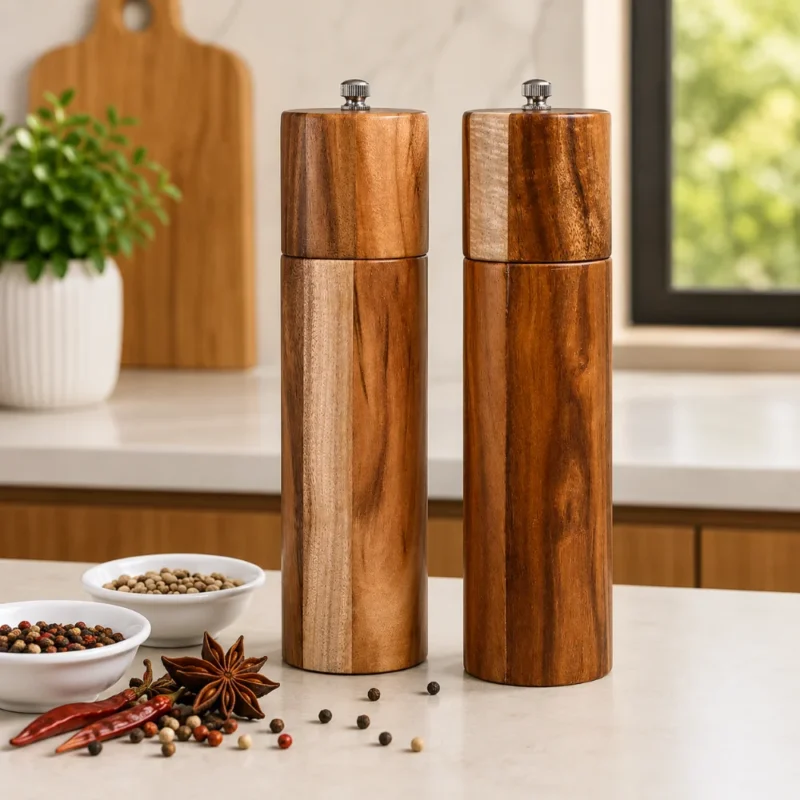
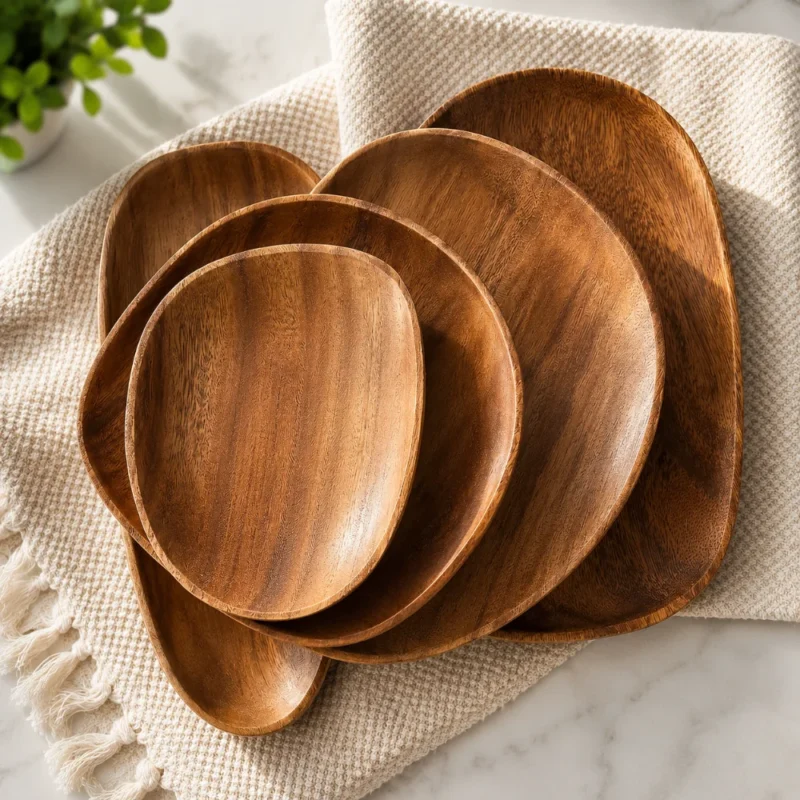
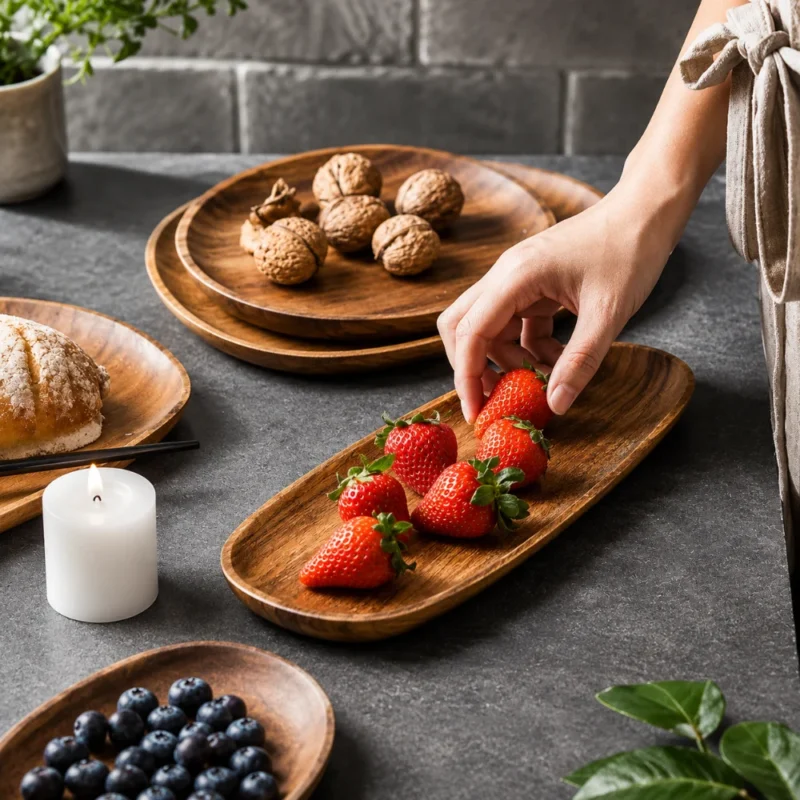
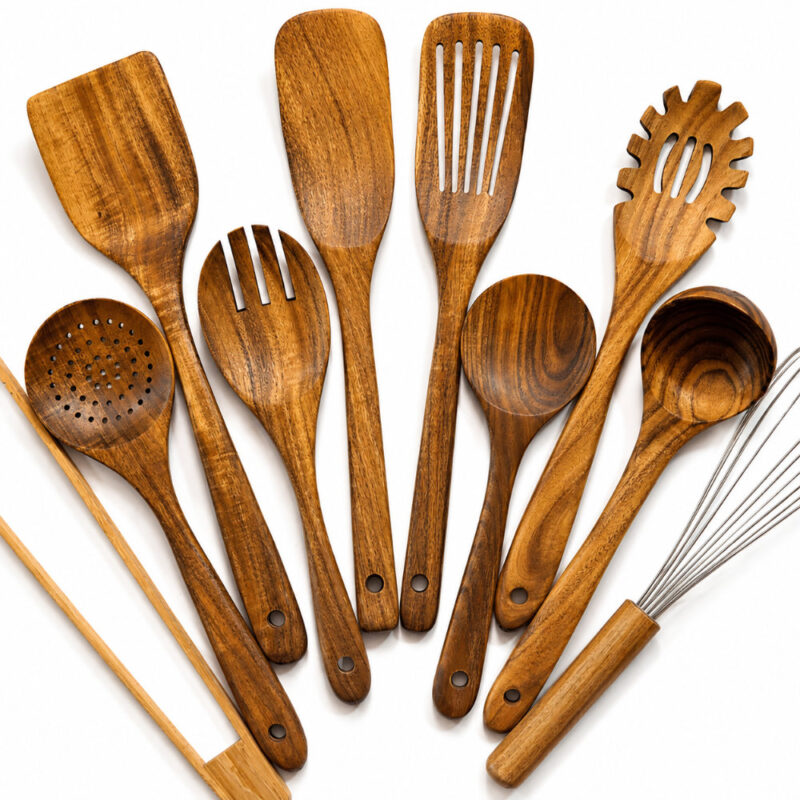
You've likely noticed that many professional chefs prefer wooden spoons and spatulas, but you might worry about bacteria harboring in the porous surface or whether wood treatments could affect food safety. Quality hardwood utensils like those made from maple, cherry, or bamboo naturally resist bacteria when properly maintained, and they won't scratch your cookware or conduct heat in ways that could burn your hands during cooking. The key to making wood work as your go-to choice for which cooking utensil material is best for health lies in selecting untreated, food-grade wood and establishing a simple maintenance routine of hand-washing, thorough drying, and occasional oiling with food-safe mineral oil to prevent cracking and extend lifespan.
Silicone: Heat Resistance Meets Non-Toxic Flexibility
Your frustration with traditional rubber or plastic utensils that melt, stain, or develop an odd smell after repeated use points to a common problem with lower-quality synthetic materials. Food-grade silicone utensils solve this issue because they can withstand temperatures up to 500°F without degrading, they won't retain odors or stains from strongly flavored foods, and they provide the flexibility you need for tasks like scraping bowls or folding delicate batters. When evaluating which cooking utensil material is best for health, high-quality silicone earns consideration because it's FDA-approved for food contact, contains no BPA or other concerning plasticizers, and maintains its properties even after years of dishwasher cycles and high-heat cooking applications.
Cast Iron and Carbon Steel: Traditional Materials with Modern Benefits
You might feel overwhelmed by the maintenance requirements of cast iron and carbon steel utensils, but you're drawn to their reputation for durability and their ability to actually improve with age and use. These materials excel in health considerations because they can add beneficial iron to your diet in small amounts, they develop natural non-stick properties through proper seasoning without requiring synthetic coatings, and they last for generations when cared for properly. Understanding which cooking utensil material is best for health means recognizing that well-seasoned cast iron and carbon steel tools become safer and more effective over time, developing a protective layer that prevents rust while creating an increasingly smooth cooking surface that requires less oil for food release.
Avoiding Problematic Materials in Your Kitchen
Your concerns about non-stick coatings, plastic utensils, and cheap metal alloys are well-founded, as these materials can introduce unwanted substances into your food or degrade in ways that affect both safety and performance. Non-stick coatings can release toxic fumes when overheated, plastic utensils may contain BPA or phthalates that can migrate into warm foods, and low-quality metal alloys might include lead or other heavy metals that pose health risks. When deciding which cooking utensil material is best for health, prioritize avoiding utensils with synthetic coatings that weren't designed for high-heat applications, any plastic items not specifically labeled as food-safe and heat-resistant, and unusually lightweight or inexpensive metal utensils that might contain questionable alloys.
Making Smart Investment Choices for Long-Term Health
Your budget concerns are valid, but you're wise to consider the long-term value of investing in quality materials that won't need frequent replacement and won't compromise your family's health over time. The most cost-effective approach to selecting which cooking utensil material is best for health involves building your collection gradually with well-made pieces from trusted materials rather than buying complete sets of questionable quality. Start with essential pieces in stainless steel or wood, add silicone tools for specific high-heat applications, and consider cast iron or carbon steel for specialized cooking tasks where their unique properties provide the greatest benefit.
Creating Your Personal Health-Focused Utensil Strategy
Your cooking style, family size, and specific dietary needs should all influence your decisions about which cooking utensil material is best for health, because the right choice varies depending on whether you're primarily sautéing vegetables, baking delicate pastries, or preparing meals for family members with specific sensitivities. Develop a strategy that combines 2-3 primary materials based on your most common cooking tasks, ensures you have backup options for different temperature ranges and food types, and includes a maintenance plan that keeps your chosen materials performing safely over time. This personalized approach ensures that your investment in quality utensils supports both your culinary goals and your commitment to healthier cooking practices.