Hard Maple Delivers Unmatched Durability for Daily Cooking
You're tired of replacing utensils every few months because they crack, warp, or absorb odors that affect your food's taste. What you're looking for in kitchenware is something that can handle daily use without breaking down, and hard maple excels in this area. This dense, tight-grained wood resists moisture absorption and maintains its shape even with frequent washing and heavy use. When considering what is the best wood for cooking utensils for everyday cooking, hard maple consistently ranks at the top because it develops a natural resistance to bacteria over time while remaining smooth and splinter-free. To maximize your maple utensils' lifespan, hand wash them immediately after use and apply a light coat of food-safe mineral oil monthly.
Bamboo Offers Lightweight Performance Without Compromising Strength
You need utensils that feel comfortable during long cooking sessions but don't want to sacrifice durability for weight. What this means for your kitchen tools is finding the perfect balance between functionality and ease of use, and bamboo delivers exactly that. This technically grass material grows incredibly fast, making it both sustainable and naturally antimicrobial, while its fibrous structure provides surprising strength despite its light weight. Understanding what is the best wood for cooking utensils often leads to bamboo because it won't scratch delicate cookware surfaces yet stands up to vigorous stirring and mixing. Choose bamboo utensils with smooth, well-sanded surfaces and avoid soaking them in water to prevent the natural fibers from loosening over time.
Beech Wood Provides Professional-Grade Performance for Serious Cooks
You're someone who values precision in cooking and needs tools that respond exactly as you expect them to, whether you're making delicate sauces or kneading bread dough. What you require from professional-grade kitchenware is consistency and reliability, qualities that beech wood delivers through its uniform grain structure and excellent workability. This European hardwood has been the choice of professional chefs for generations because it holds its edge well when shaped into specialized tools and resists the wear that comes from commercial kitchen use. When exploring what is the best wood for cooking utensils for serious cooking, beech wood stands out for its ability to maintain precise shapes and smooth surfaces even after years of intensive use. Look for beech utensils with tight, even grain patterns and treat them with the same care you'd give your best knives.
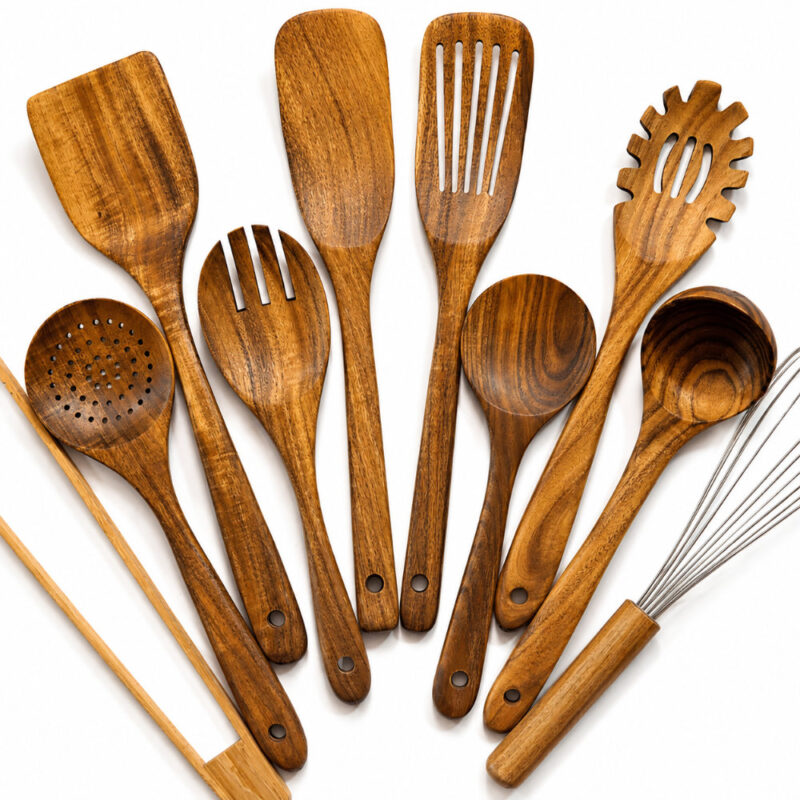
Teak Brings Natural Water Resistance to Your Kitchen Arsenal
You're frustrated with wooden utensils that seem to absorb every flavor and smell, making your stirring spoons taste like last week's curry when you're trying to make a delicate cream sauce. What you need in your cooking tools is natural resistance to moisture and odor absorption, and teak's high oil content provides exactly that protection. This premium wood contains natural oils that make it nearly waterproof, explaining why it's used for boat decks and outdoor furniture that must withstand harsh conditions. Determining what is the best wood for cooking utensils for moisture-heavy cooking often points to teak because these natural oils prevent bacterial growth while maintaining the wood's structural integrity even in humid kitchen environments. Invest in teak utensils for tasks involving liquids and sauces, and you'll notice they require less maintenance while staying fresher longer.
Cherry Wood Combines Beauty with Functional Excellence
You appreciate tools that perform well and look beautiful in your kitchen, understanding that the items you use most should bring you joy every time you reach for them. What you're seeking in premium kitchenware is the marriage of form and function, and cherry wood delivers both through its rich color that deepens with age and its excellent working properties. This fine-grained hardwood machines beautifully into smooth, comfortable handles while developing a gorgeous patina that tells the story of countless meals prepared. When considering what is the best wood for cooking utensils that also serve as kitchen décor, cherry wood offers the perfect combination of practical performance and visual appeal. Store your cherry wood utensils where you can see them daily, as their beauty will continue to develop and enhance your kitchen's aesthetic.
Walnut Offers Premium Density for Heavy-Duty Kitchen Tasks
You tackle challenging cooking projects that require sturdy tools capable of handling thick batters, dense doughs, and heavy stirring without flexing or breaking under pressure. What you demand from heavy-duty kitchenware is unwavering strength that won't let you down during crucial cooking moments, and walnut's exceptional density provides that reliability. This premium hardwood resists deformation even under significant stress, making it ideal for tasks like mixing bread dough or stirring thick sauces that would overwhelm lighter woods. Exploring what is the best wood for cooking utensils for demanding cooking tasks consistently highlights walnut because its tight grain structure and natural hardness create tools that improve with use rather than deteriorate. Choose walnut utensils with substantial thickness and solid construction, then watch them become indispensable partners in your most ambitious cooking projects.
Olivewood Provides Unique Grain Patterns with Exceptional Hardness
You value uniqueness in your kitchen tools and want utensils that reflect your personal style while delivering professional performance in every cooking situation. What you're looking for in distinctive kitchenware is character combined with capability, and olivewood offers both through its striking grain patterns and remarkable durability. This Mediterranean wood develops intricate, flowing grain patterns that make each utensil a one-of-a-kind piece while providing the hardness needed for years of reliable kitchen service. Understanding what is the best wood for cooking utensils for those who appreciate craftsmanship often leads to olivewood because its natural beauty actually enhances with use and proper care. Select olivewood utensils with the most appealing grain patterns to you, and maintain them with regular oiling to keep both their beauty and performance at peak levels.