Stainless Steel: The Gold Standard for Everyday Cooking
You've probably wondered if stainless steel really lives up to its reputation as the safest cookware option. The truth is, high-quality stainless steel (specifically 18/10 or 18/8 grades) contains chromium and nickel that create a non-reactive surface, meaning it won't leach metals into your food even when cooking acidic ingredients like tomatoes or wine. Professional chefs choose stainless steel because it distributes heat evenly, develops beautiful browning on proteins, and maintains its integrity through decades of heavy use. When shopping for stainless steel, look for tri-ply or multi-ply construction with an aluminum core, which combines safety with superior heat conduction.
Cast Iron: Ancient Wisdom for Modern Kitchens
Many home cooks avoid cast iron because they believe the maintenance myths, but the reality is that properly seasoned cast iron is one of the safest and most versatile materials available. Unlike synthetic non-stick coatings that can release toxic fumes at high temperatures, cast iron actually becomes more non-stick and safer over time as you build up natural seasoning layers. Cast iron excels at high-heat cooking methods like searing and frying, retains heat exceptionally well for consistent cooking results, and can move seamlessly from stovetop to oven. Start with a pre-seasoned pan from a reputable manufacturer, and maintain it by cooking with oil regularly and avoiding soap when possible.
Carbon Steel: The Professional's Choice for High-Heat Cooking
You might not be familiar with carbon steel, but it's the secret weapon in professional kitchens worldwide because it combines the heat retention of cast iron with the responsiveness of stainless steel. Carbon steel contains only iron and carbon, making it completely safe when properly seasoned, and it develops a naturally non-stick surface that rivals any synthetic coating. This material excels at stir-frying, searing, and any cooking technique requiring quick temperature changes, while being lighter than cast iron and more durable than non-stick alternatives. Season your carbon steel pan like cast iron, and it will reward you with decades of safe, high-performance cooking.
Ceramic and Stoneware: Pure Materials for Gentle Cooking
When you're looking for completely inert cookware that won't react with any ingredients, pure ceramic and stoneware offer unmatched safety and even heating for braising, roasting, and slow cooking methods. These materials contain no metals, synthetic coatings, or potentially harmful additives, making them ideal for health-conscious cooks who want absolute peace of mind. Ceramic excels at maintaining steady temperatures for delicate sauces, rice dishes, and baked goods, while being naturally non-stick when properly preheated and oiled. Choose ceramic cookware from reputable manufacturers who can verify their glazes are lead-free and food-safe.
Wood and Bamboo: Natural Tools for Food Preparation
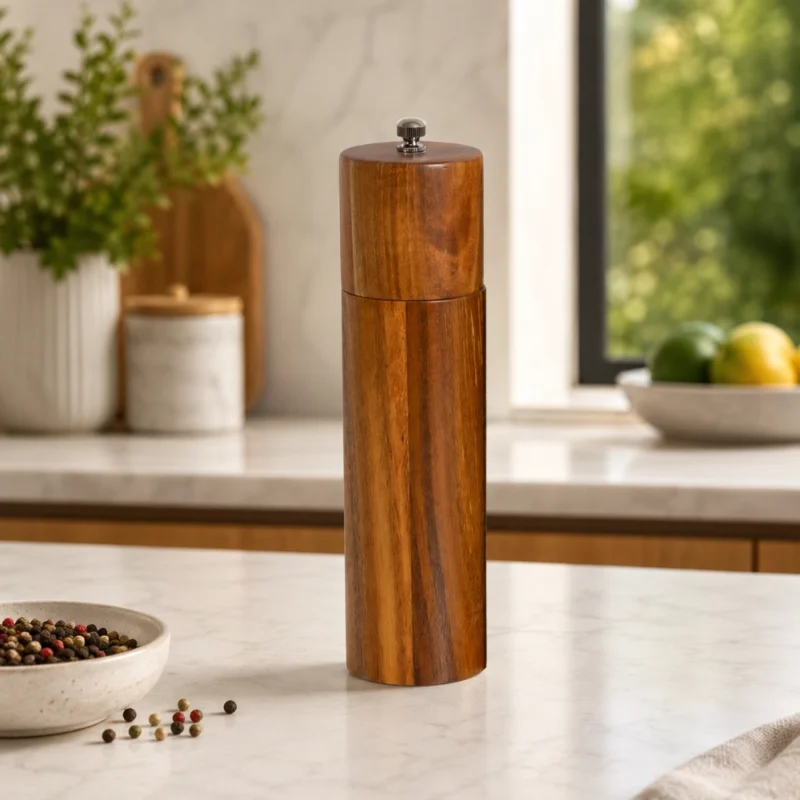
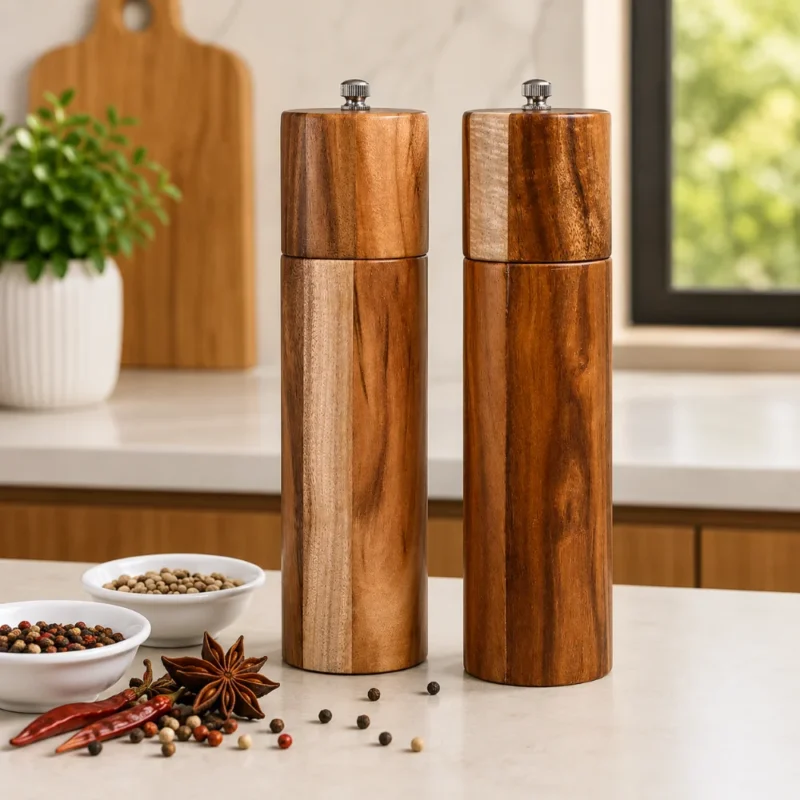
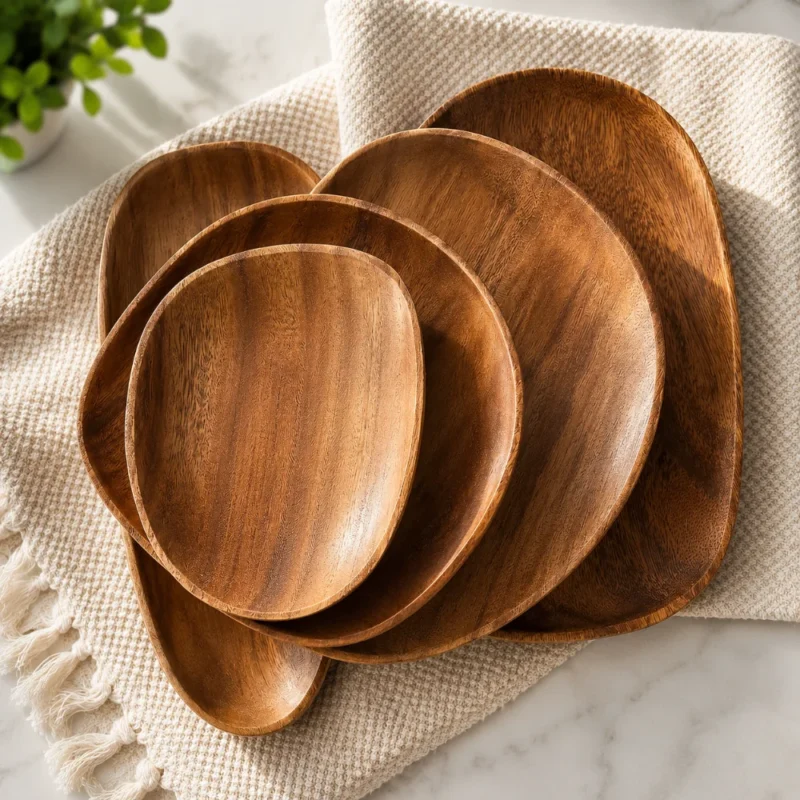
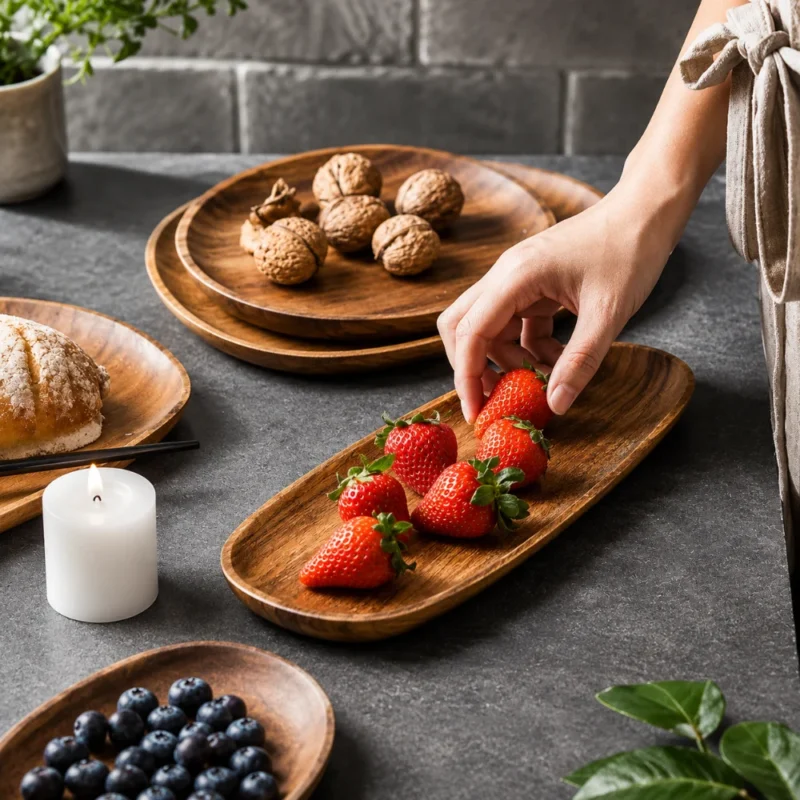
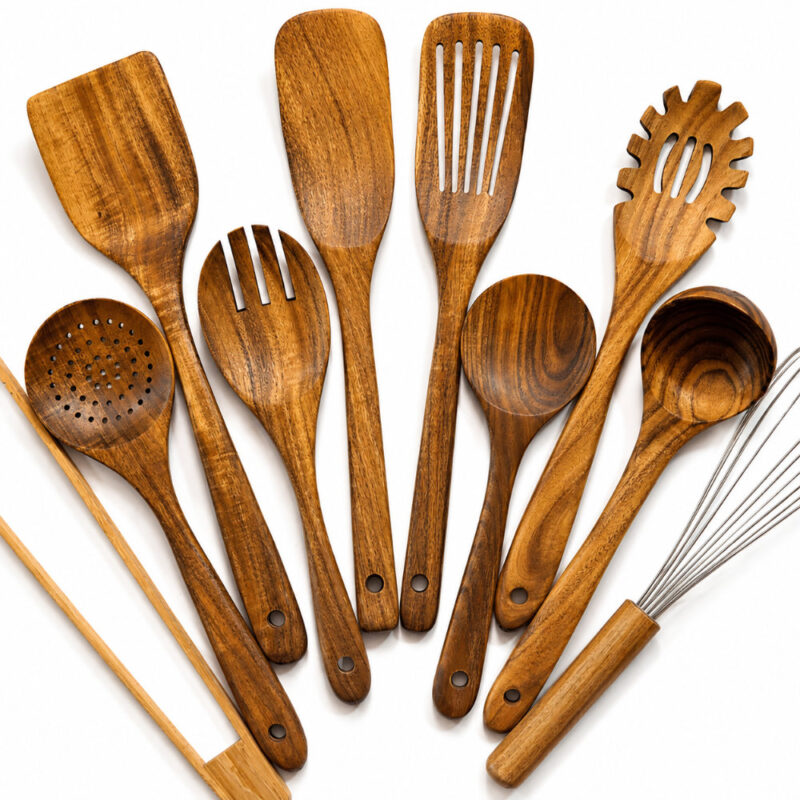
Your cutting boards and utensils deserve the same safety consideration as your cookware, and natural wood or bamboo options provide antimicrobial properties while being gentle on knife edges and non-stick surfaces. These materials don't harbor bacteria when properly maintained, unlike plastic cutting boards that develop deep grooves over time. Wood and bamboo tools won't scratch delicate cookware surfaces, don't conduct heat, and add warmth to your kitchen aesthetic while ensuring what type of kitchen utensils are safe to use extends beyond just pots and pans. Maintain wooden tools by washing with mild soap, drying immediately, and conditioning monthly with food-grade mineral oil.
Glass: The Ultimate in Non-Reactive Cooking
Borosilicate glass cookware offers complete transparency in both appearance and safety, as it contains no metals, coatings, or additives that could potentially migrate into your food. Glass provides even heating for baking and roasting, allows you to monitor cooking progress visually, and transitions safely from freezer to oven without thermal shock concerns. This material works beautifully for casseroles, bread baking, and any recipe where you want to showcase colorful ingredients, while being completely dishwasher-safe and scratch-resistant. Invest in high-quality borosilicate glass brands that can withstand sudden temperature changes without cracking.
Making Smart Choices: What to Avoid and Why
Understanding what type of kitchen utensils are safe to use also means recognizing potentially problematic materials that marketing often portrays as harmless. Non-stick coatings containing PTFE can release toxic fumes when overheated, aluminum cookware may leach into acidic foods, and low-quality stainless steel might contain concerning levels of nickel or chromium. Focus your budget on fewer pieces of high-quality, safe materials rather than filling your kitchen with inexpensive options that could compromise your health over time. Research manufacturers who provide detailed material composition information and stand behind their products with solid warranties.