The Daily Reset: Understanding Basic Utensil Hygiene
You finish dinner prep and see a sink full of used utensils, wondering if a quick rinse is enough or if you need something more thorough. The truth is, basic utensils used for everyday cooking should be cleaned immediately after each use, and this cleaning needs to be more than just a cursory rinse under warm water. Quality stainless steel and silicone utensils make this daily reset effortless because their non-porous surfaces release food particles easily and don't harbor odors or stains like cheaper alternatives. When you invest in well-designed tools, you'll find that knowing how often should utensils be cleaned and sanitized becomes second nature because the cleaning process itself is so straightforward.
Beyond Soap and Water: When Sanitization Becomes Critical
You've just finished preparing raw chicken and need to use the same cutting board and knife for vegetables, creating that moment of kitchen anxiety about cross-contamination. This scenario demands immediate sanitization, not just cleaning, and it's where understanding how often should utensils be cleaned and sanitized can literally prevent foodborne illness. Professional-grade utensils with seamless construction and antimicrobial properties give you confidence during these high-risk food prep moments because they can withstand bleach solutions and high-temperature sanitization without degrading. The key is having tools designed specifically for this level of hygiene maintenance, so sanitization becomes a quick, reliable step rather than a complicated process.
The Weekly Deep Clean: Maintaining Long-Term Kitchen Health
You open your utensil drawer and notice that even your regularly washed tools seem to have a film or slight discoloration, signaling that your daily cleaning routine isn't addressing everything. Weekly deep sanitization of all utensils, regardless of recent use, prevents the buildup of oils, minerals, and microscopic food particles that daily washing can miss. Premium utensils with dishwasher-safe ratings and heat-resistant materials excel in this weekly routine because they can handle the high temperatures and strong detergents needed for thorough sanitization. Establishing this weekly rhythm ensures that understanding how often should utensils be cleaned and sanitized translates into a kitchen environment that stays genuinely hygienic over time.
Material Matters: How Construction Affects Cleaning Frequency
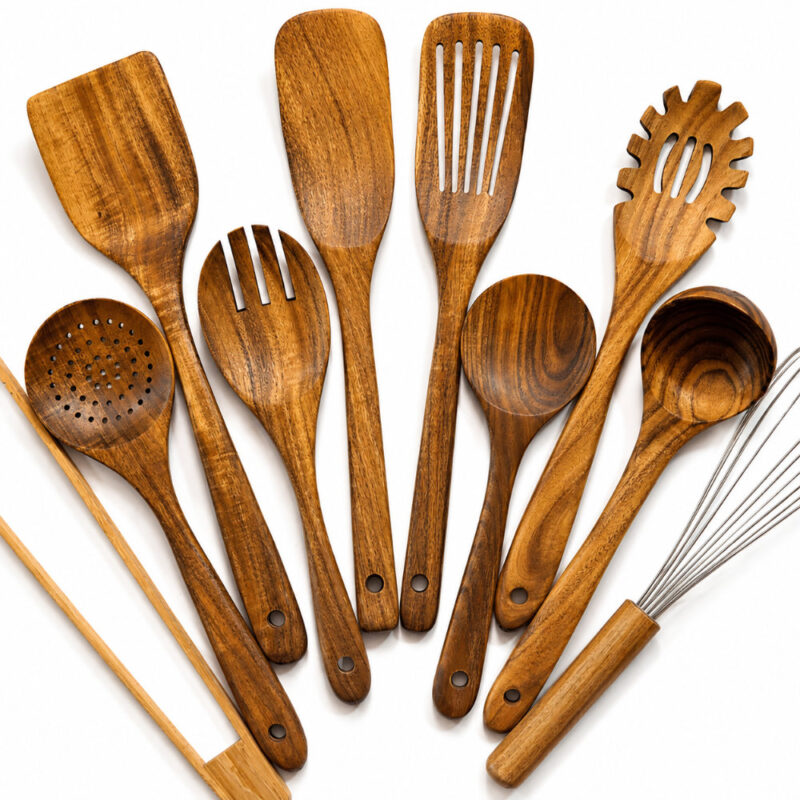
You notice that some of your utensils require constant attention while others seem to stay cleaner longer, and this difference often comes down to the materials and construction quality. Utensils made from high-grade stainless steel, food-safe silicone, or treated hardwoods naturally resist bacterial growth and food adhesion, meaning they require less frequent intensive sanitization while maintaining the same level of safety. Cheap utensils with rough surfaces, exposed seams, or porous materials create hiding spots for contaminants, forcing you into more frequent and more aggressive cleaning cycles that ultimately shorten the tool's lifespan. When you choose quality materials from the start, the question of how often should utensils be cleaned and sanitized becomes much more manageable because the tools themselves support your hygiene goals.
Special Circumstances: Adjusting Your Sanitization Schedule
You're dealing with illness in the household, preparing food for someone immunocompromised, or working with particularly high-risk ingredients, and suddenly your normal cleaning routine feels insufficient. These circumstances call for immediate sanitization after each use, sometimes multiple times during a single cooking session, plus daily deep cleaning of all kitchen tools regardless of use. Professional-quality utensils designed for commercial kitchens shine in these demanding situations because they're built to withstand frequent, intensive sanitization without losing their effectiveness or structural integrity. Having the right tools means that even when life demands heightened hygiene measures, you can adapt your routine without replacing your entire kitchen arsenal.
Creating Sustainable Systems: Making Proper Sanitization Effortless
You want to maintain the highest standards of kitchen hygiene, but you also need systems that work with your real-life schedule and energy levels, not against them. The secret lies in choosing utensils that make proper sanitization genuinely convenient – tools that clean easily, dry quickly, and store in ways that prevent recontamination between uses. When your utensils are designed with hygiene in mind, featuring smooth surfaces, ergonomic shapes for easy handling during cleaning, and materials that actually improve with proper care, maintaining the proper frequency of cleaning and sanitization becomes a natural part of your cooking rhythm. Understanding how often should utensils be cleaned and sanitized transforms from a source of kitchen stress into a simple, sustainable practice that enhances both your cooking confidence and your family's wellbeing.